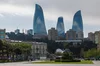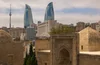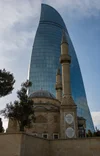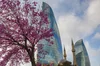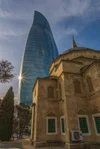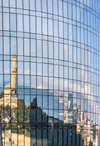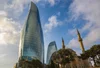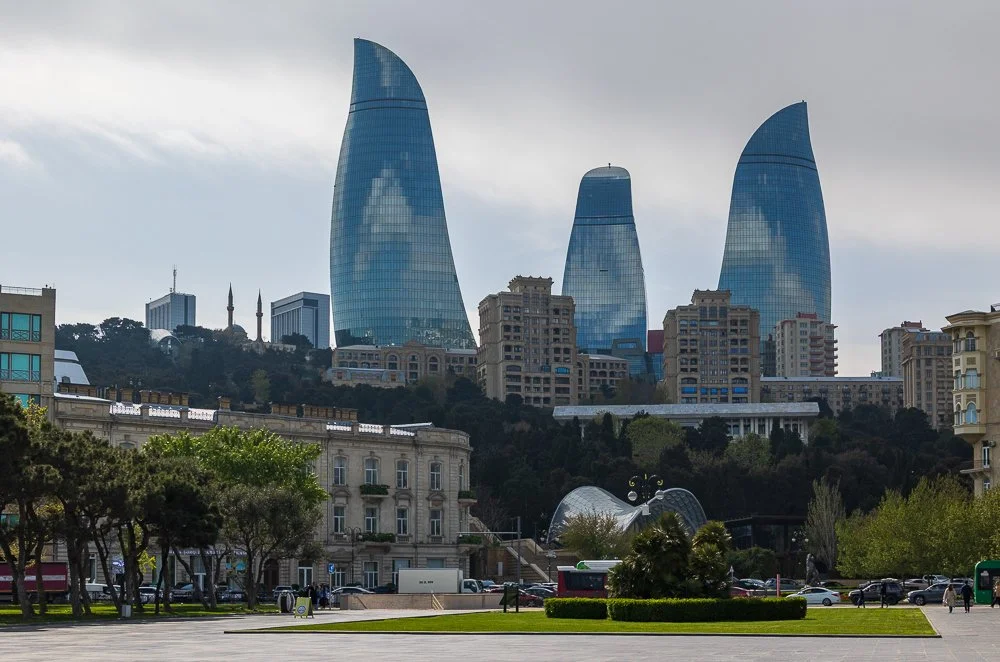
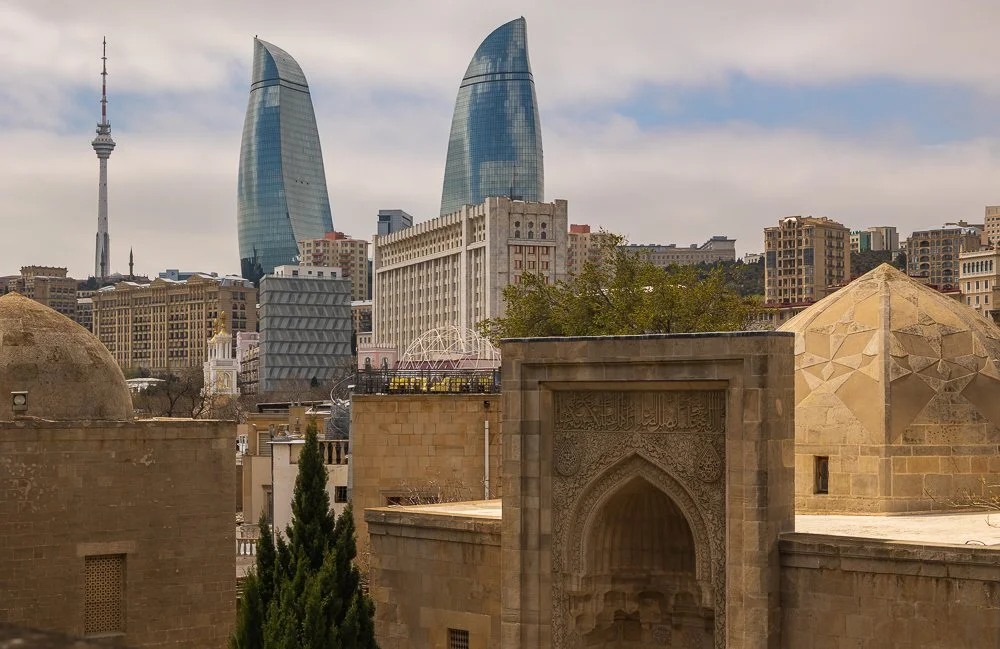
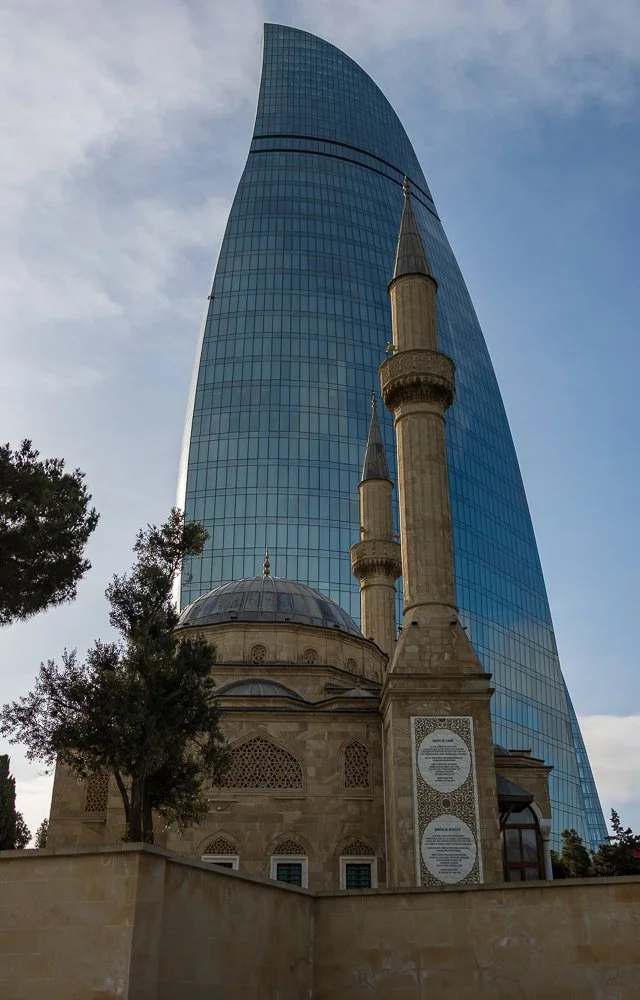
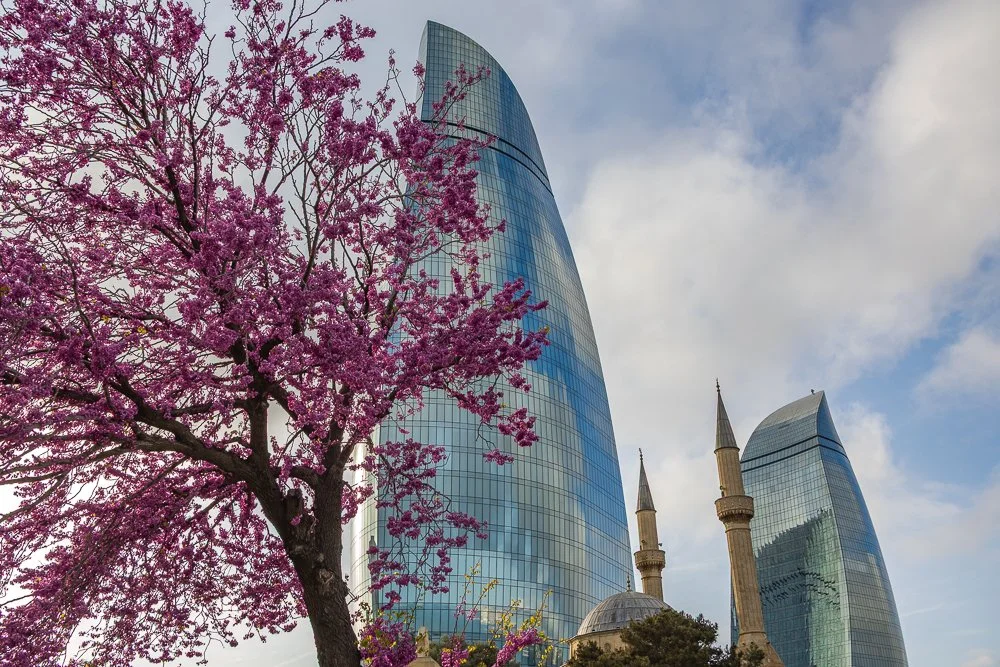
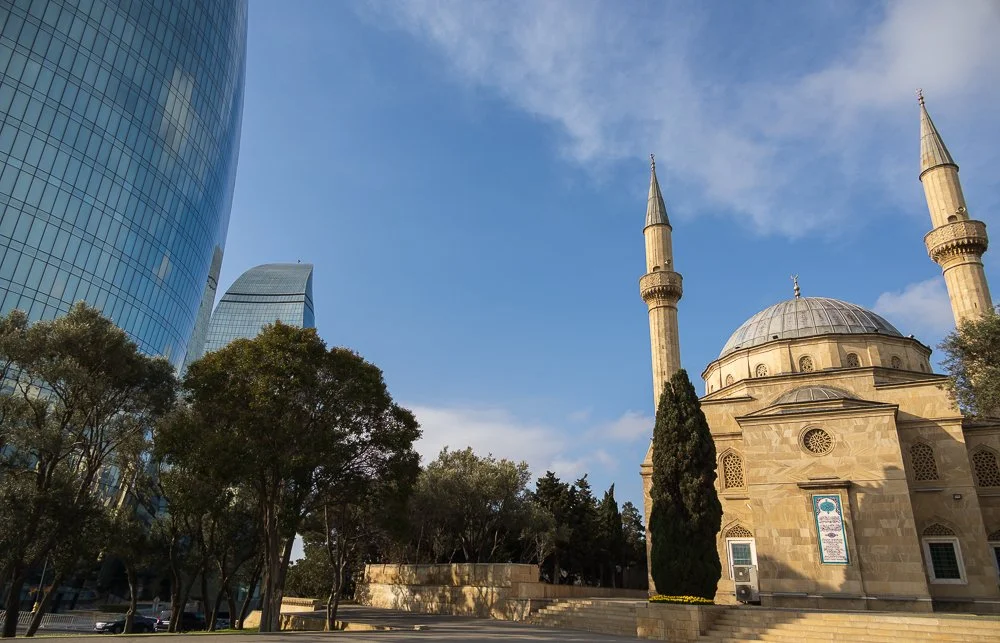
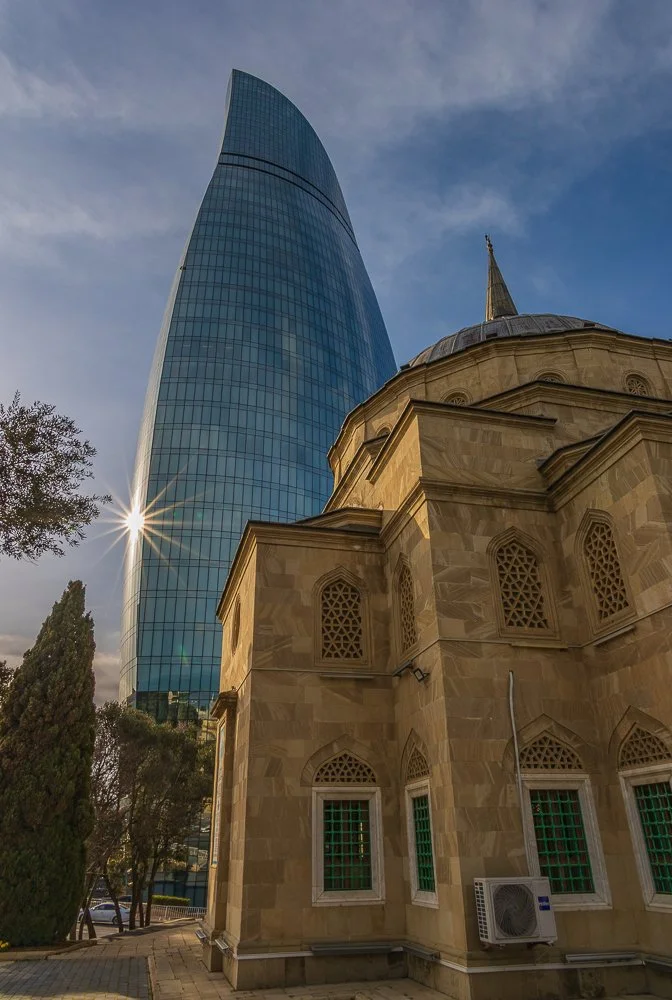
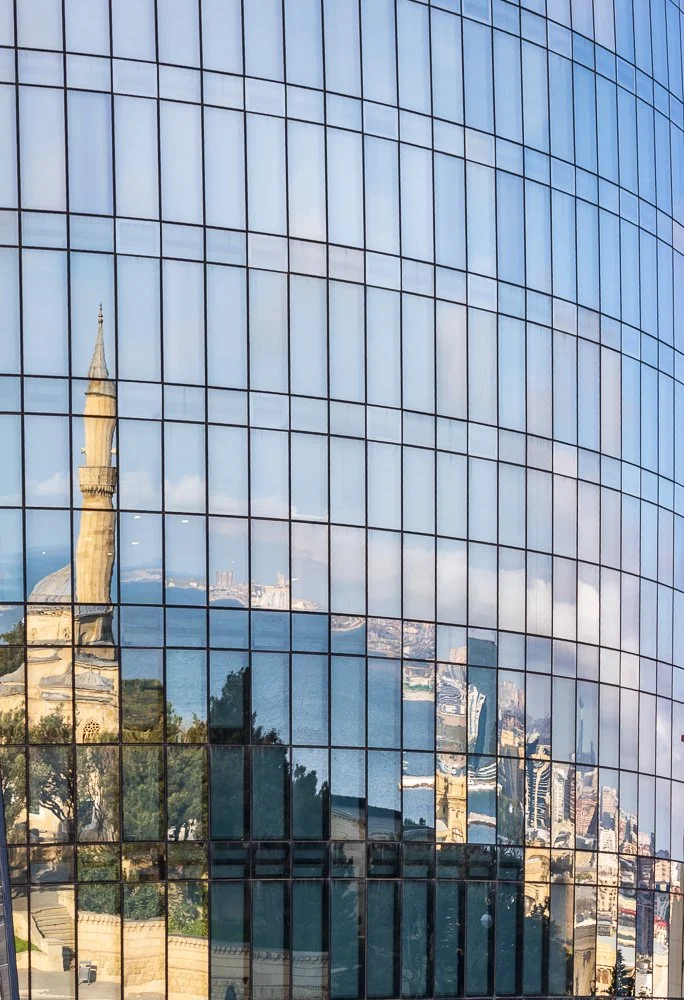
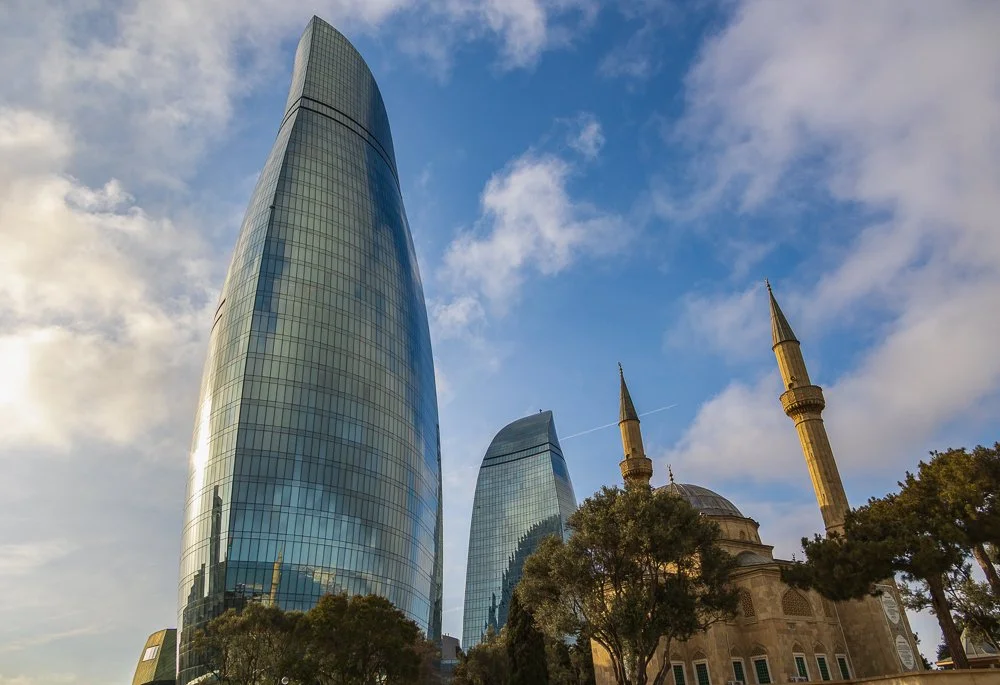
The three flame-shaped towers are intended to symbolize the elements of fire, and are a reference to Azerbaijan's nickname "The Land of Fire".
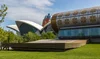
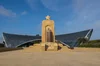
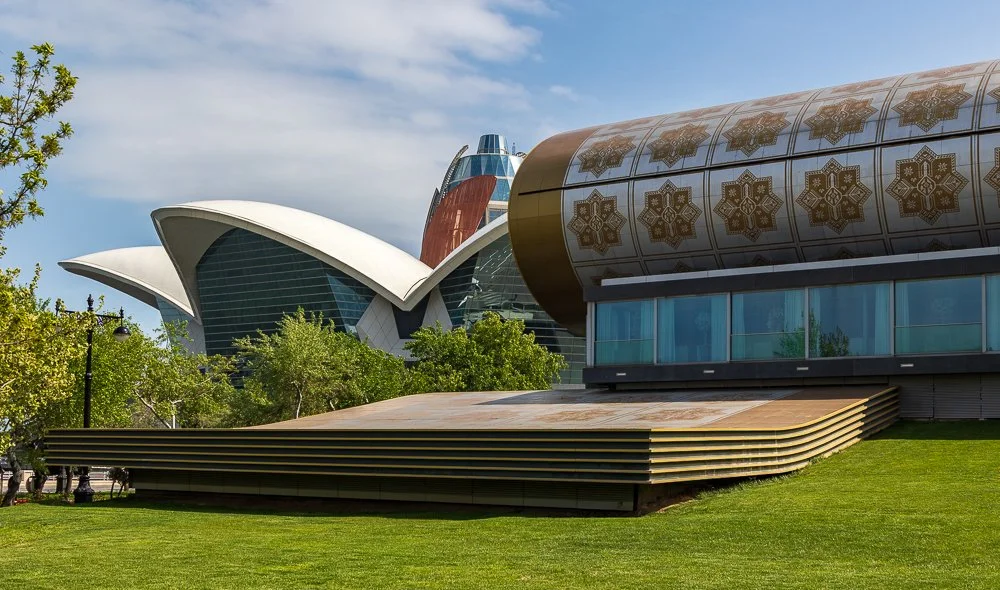
Carpet Museum The building itself is shaped like a rolled carpet, a detail that earns its place rather than undermining it. Inside, over 6,000 Azerbaijani carpets arranged by region and style, some dating to the 1600s. Each one documents a place and a tradition as precisely as any photograph.
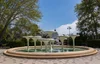
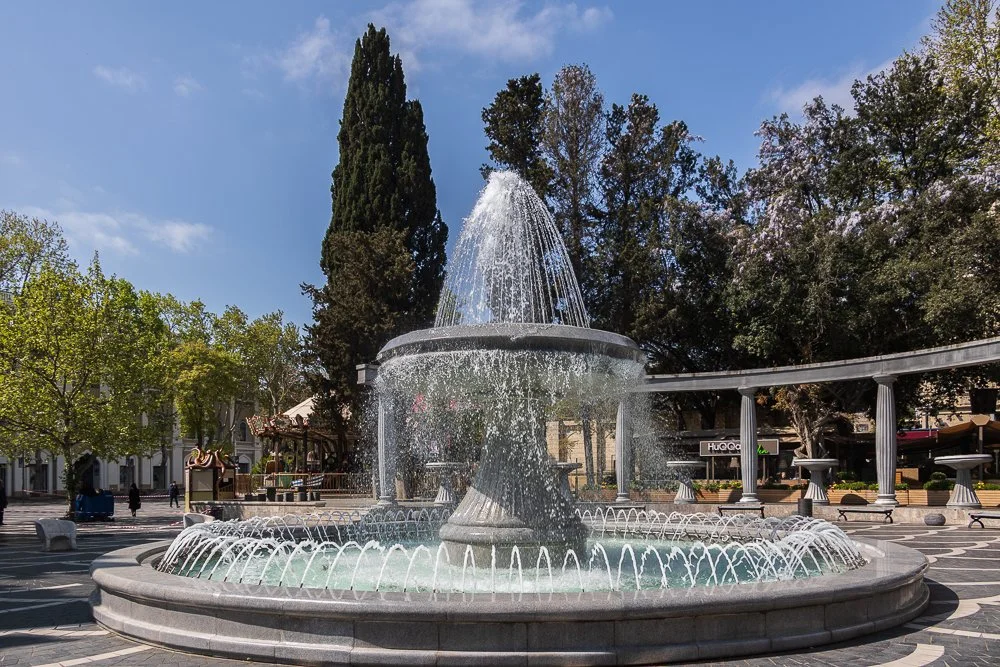
Fountain Square is home to numerous shops, restaurants, cafes, bars and fountains!
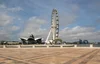
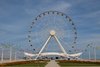
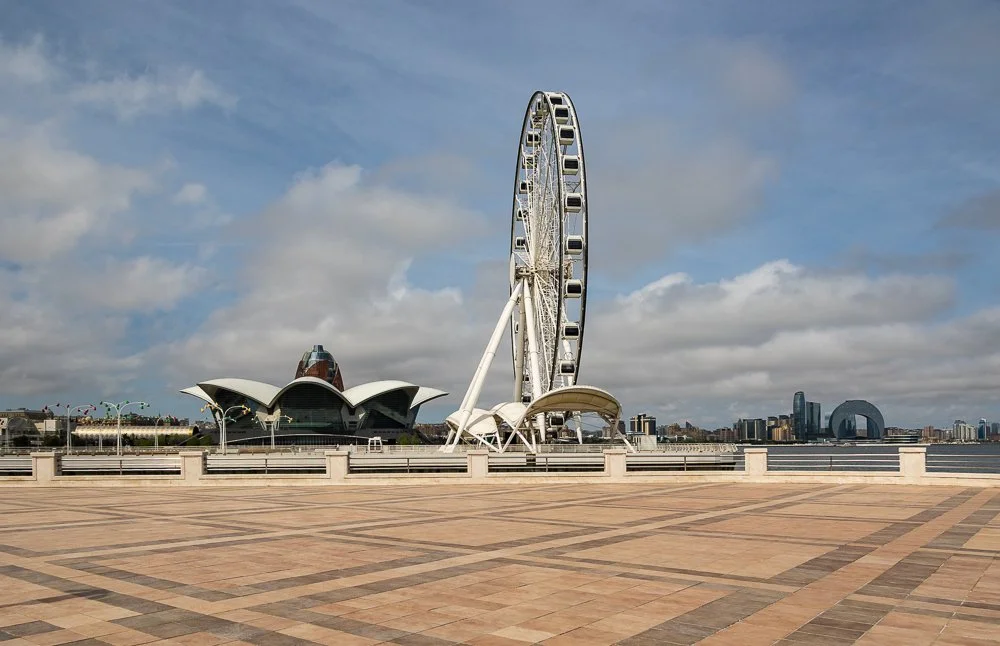
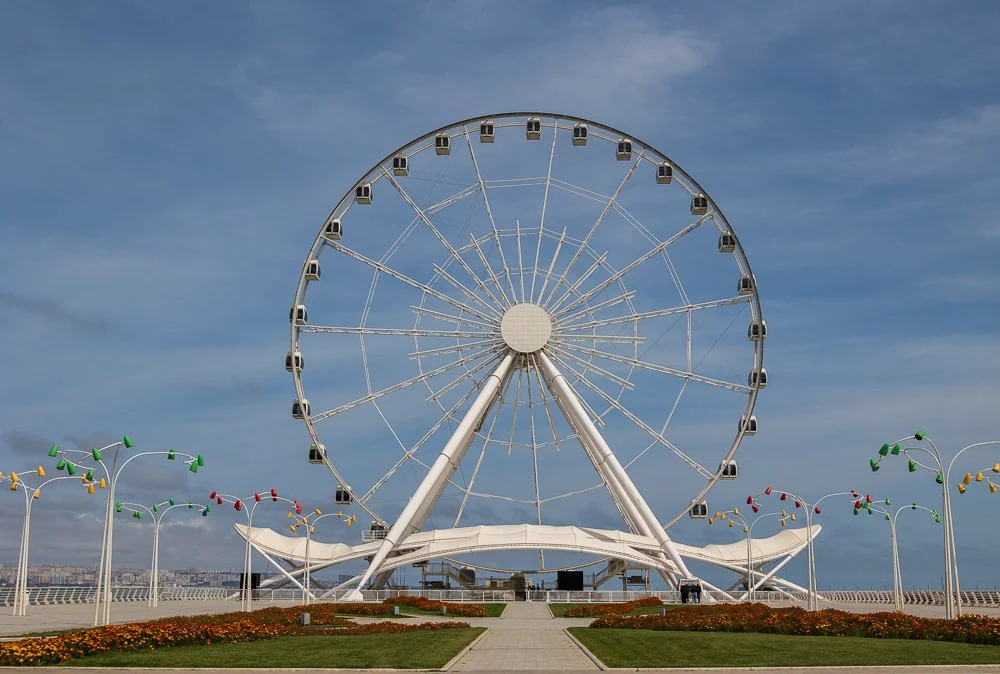
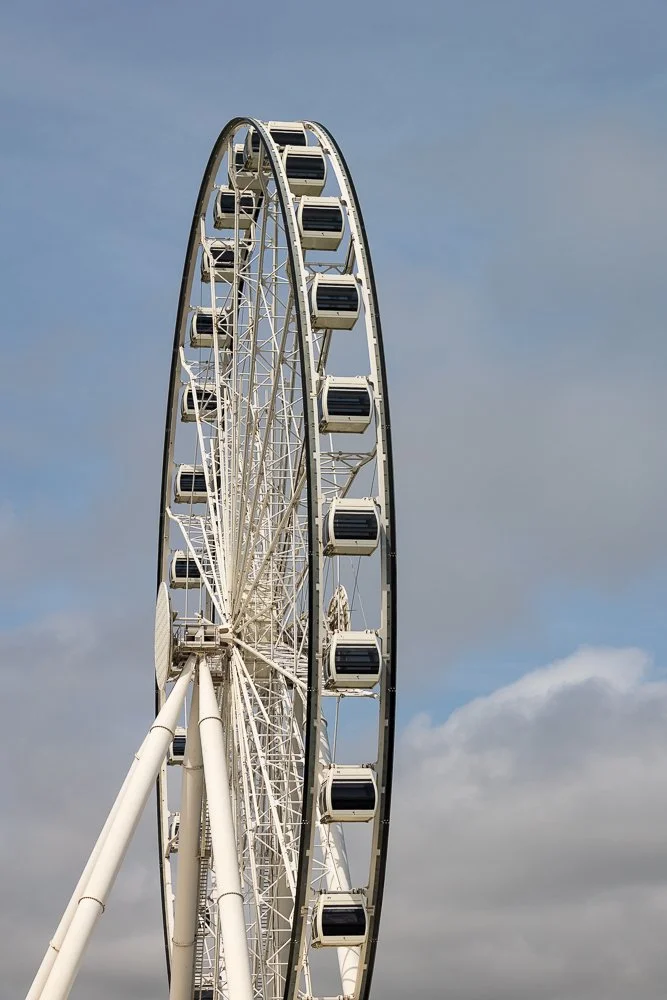
Baku Eye The Baku Ferris Wheel on the Seaside Boulevard. It turns. The city moves around it.
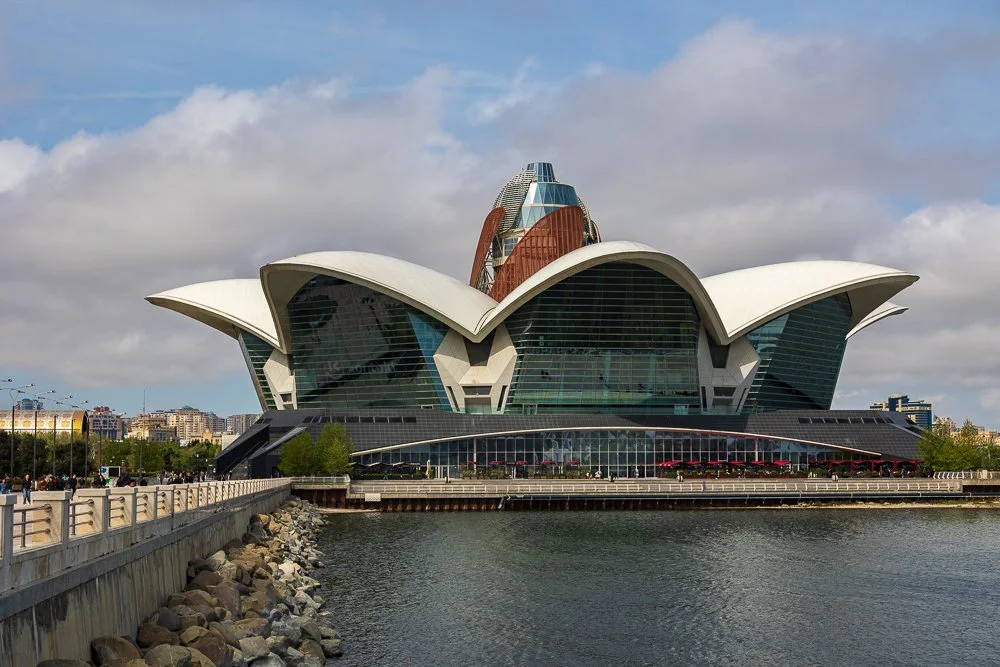
Deniz Mall is a 120,000m² entertainment, retail, leisure and dining destination over five floors, housing the largest shopping centre in the Caucasus region.
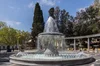
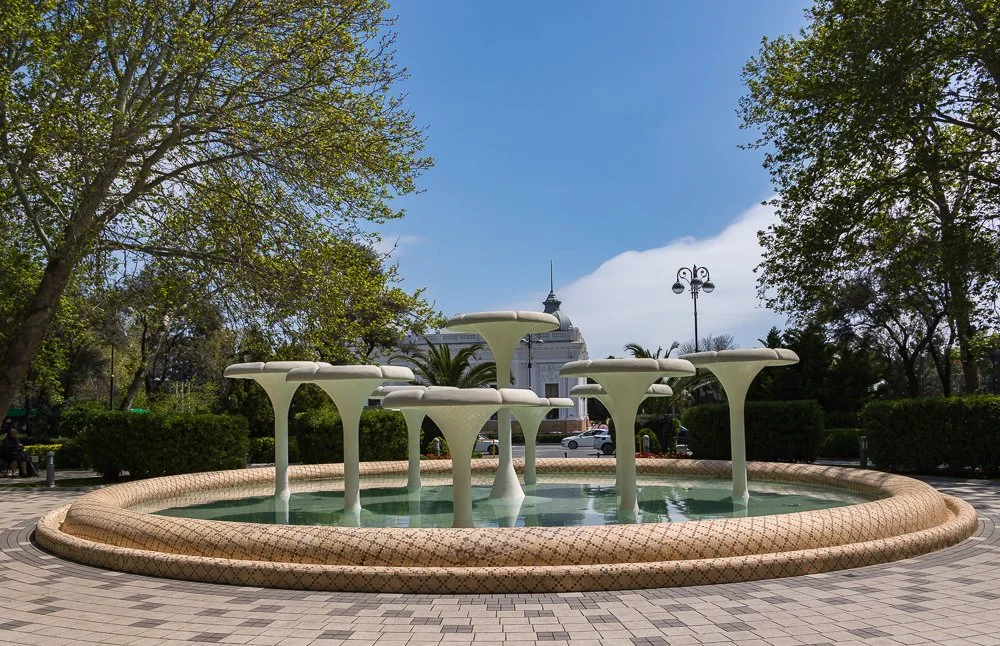
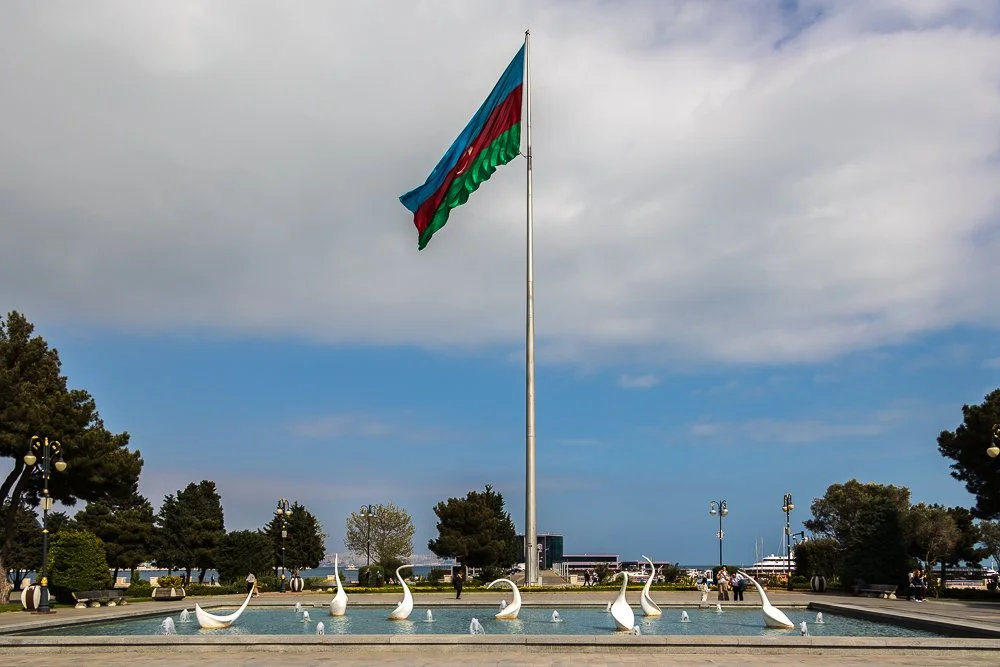
Swan Fountain with 16 fountain poles built, and 7 swan statues
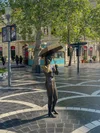
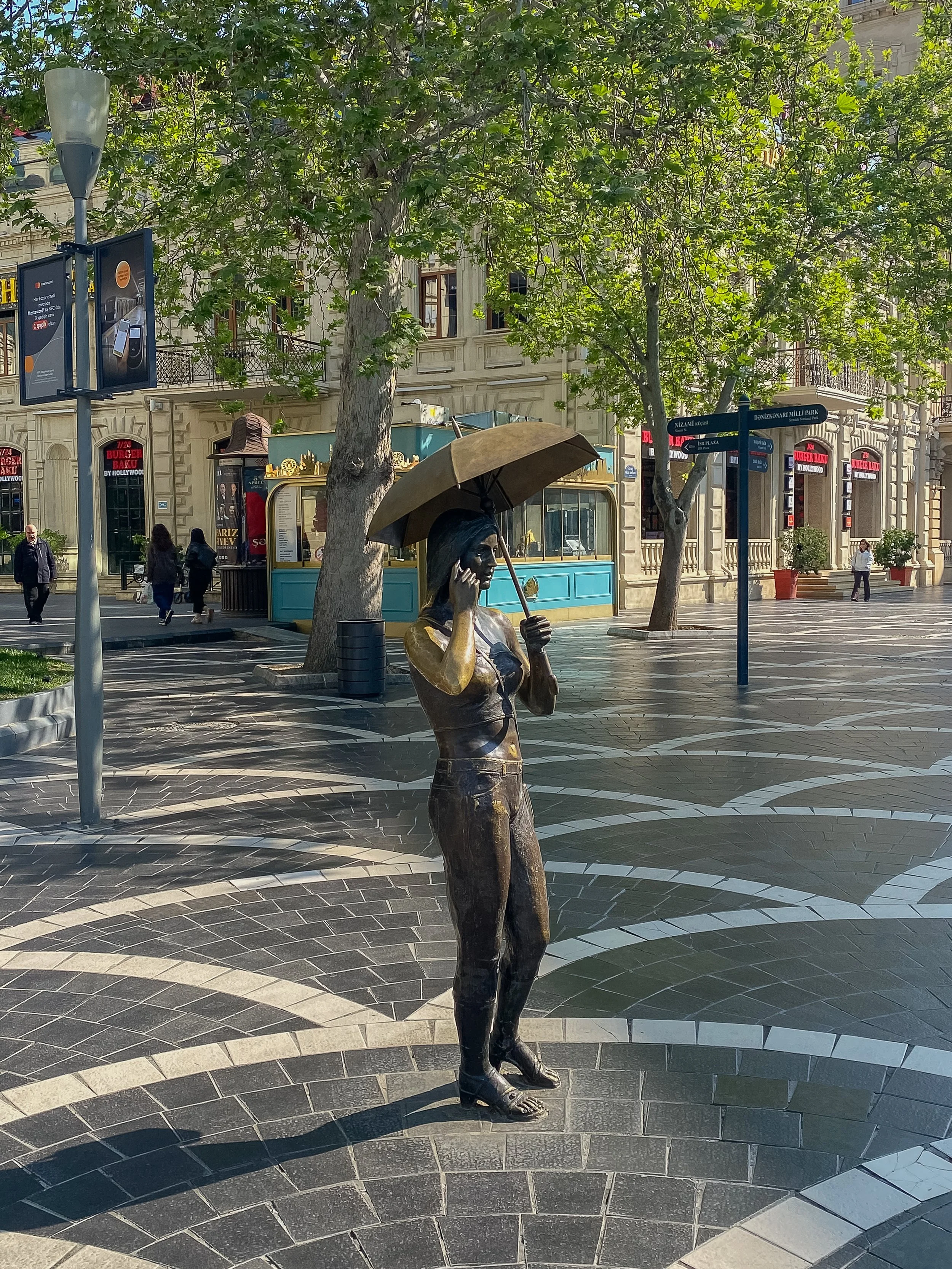
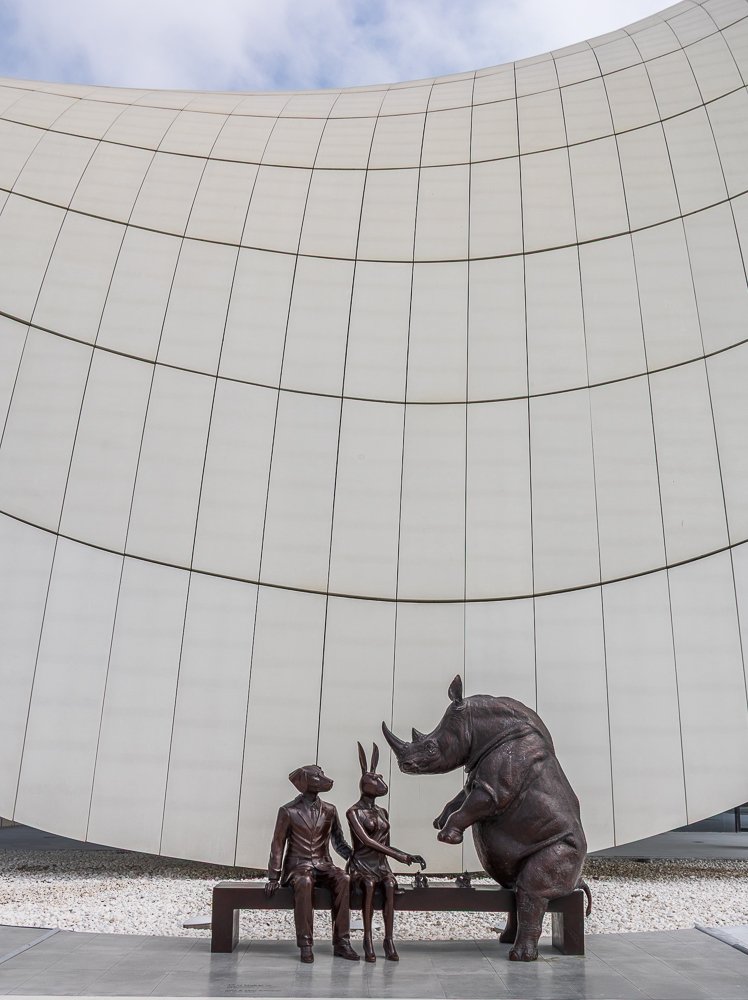
“Girl With Umbrella” one of many statues in Fountains Square known for its charming, life-sized bronze statues depicting modern everyday life.
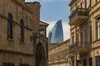
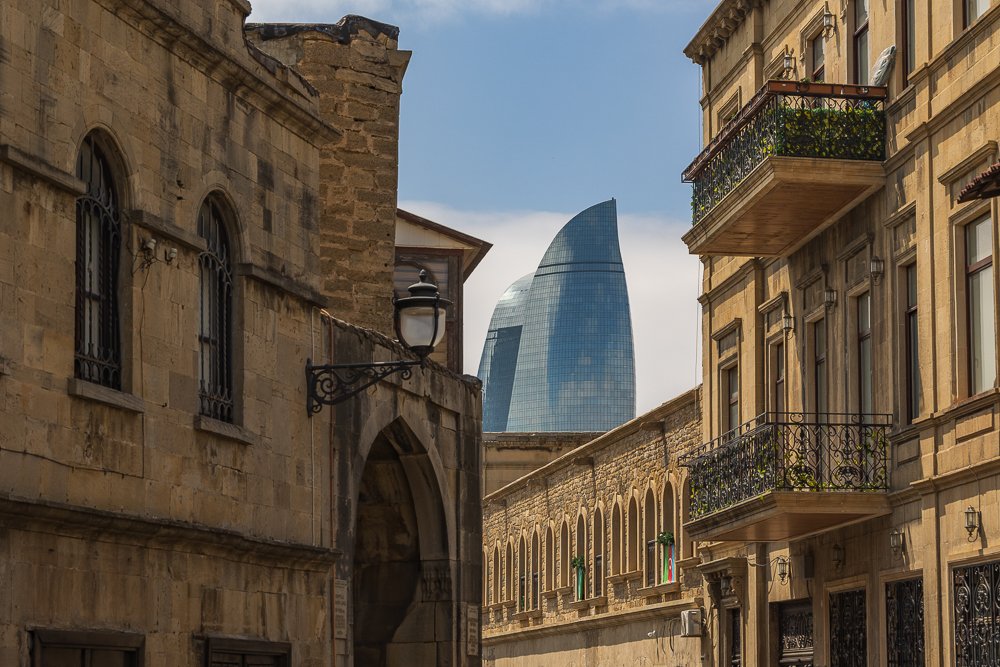
Views where the old meets the new.
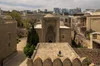
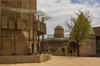
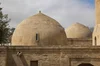
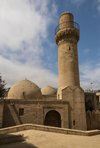
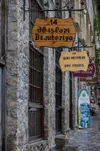
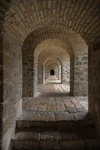
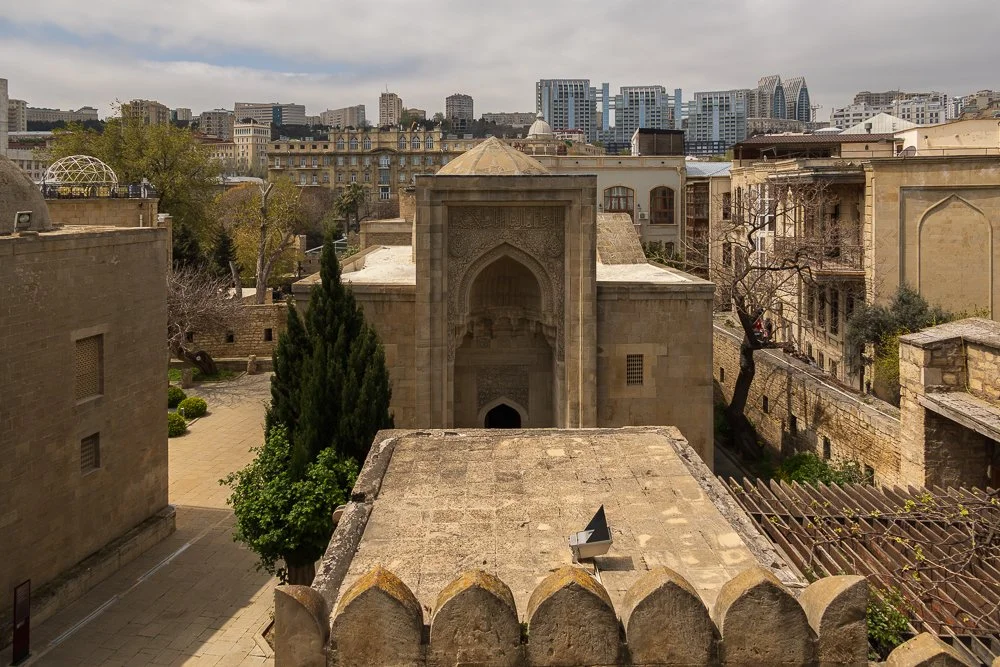
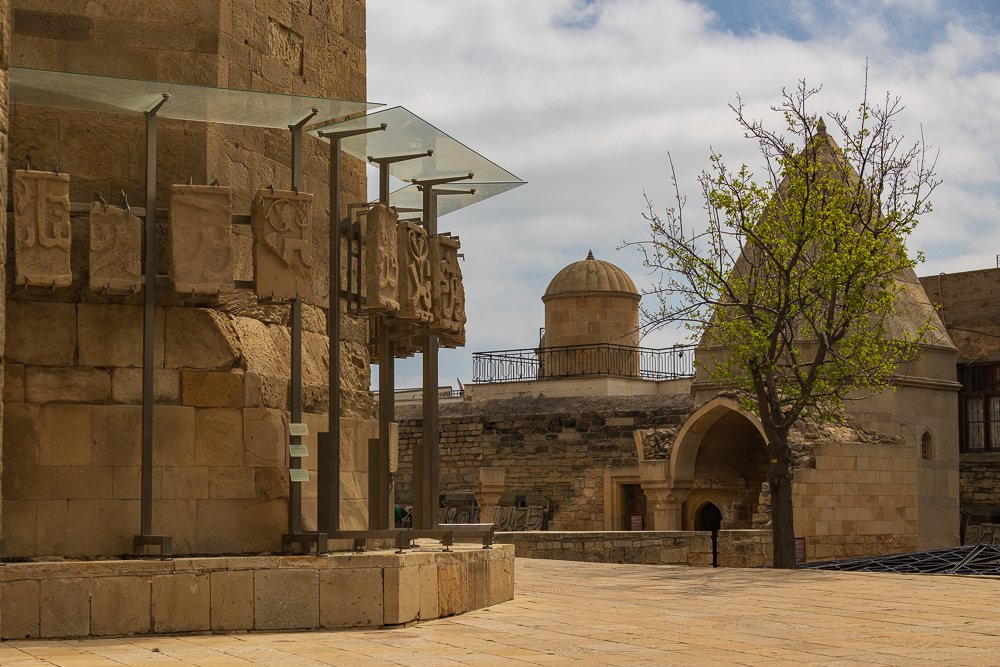
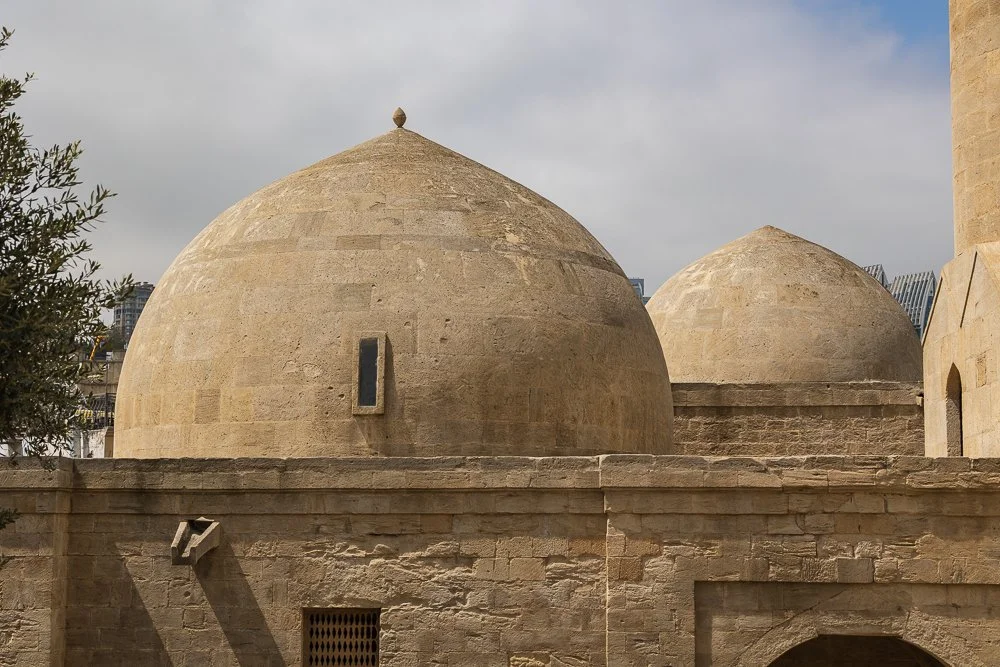
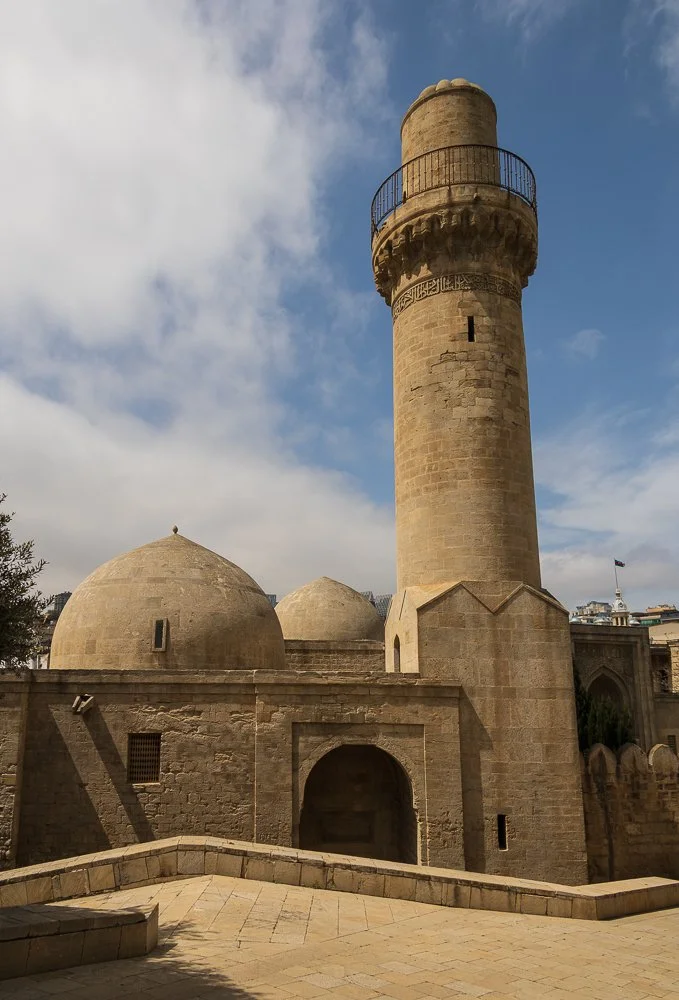
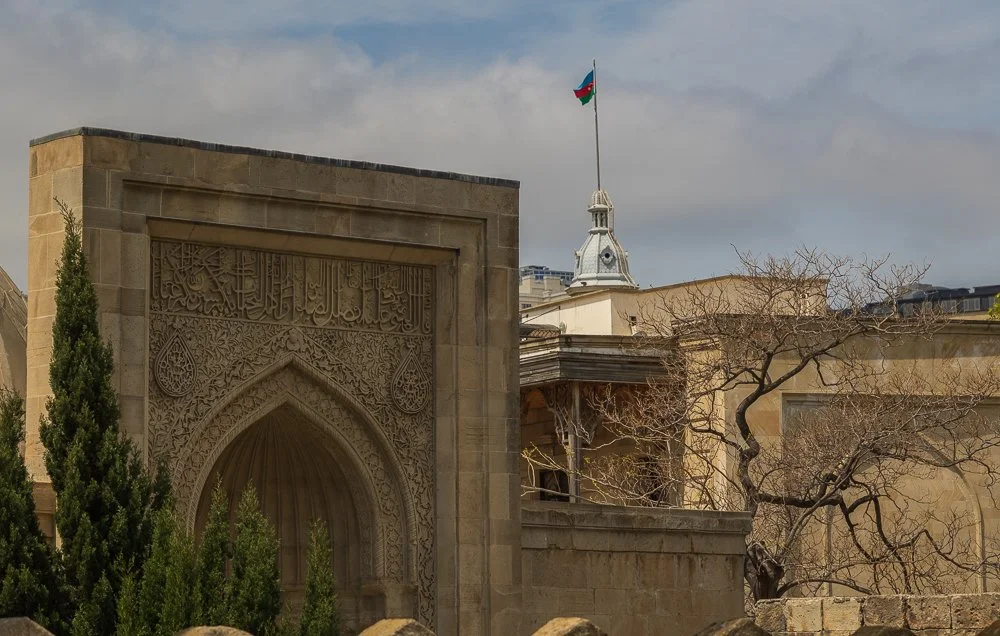
The Walled City (Icherisheher)Step through the gates and the noise drops away. Icherisheher is a labyrinth of narrow stone alleys enclosed by 12th-century walls, the historic core of Baku and a city within a city. At its heart sits the Palace of the Shirvanshahs, built in the 15th century as the royal residence of the Shirvanshah dynasty; three courtyards stepping upward in tiers, each level rising 5.6 metres above the last.
The buildings of the complex are located in three courtyards that are on different levels, 5.6 metres above one another.
The Shah Mosque is in the lower courtyard, alongside the mausoleum. The mosque is 22 metres high.
Baku: Ancient walled city pressed against a skyline of towers designed to look like flames, all of it tilting toward the Caspian Sea.
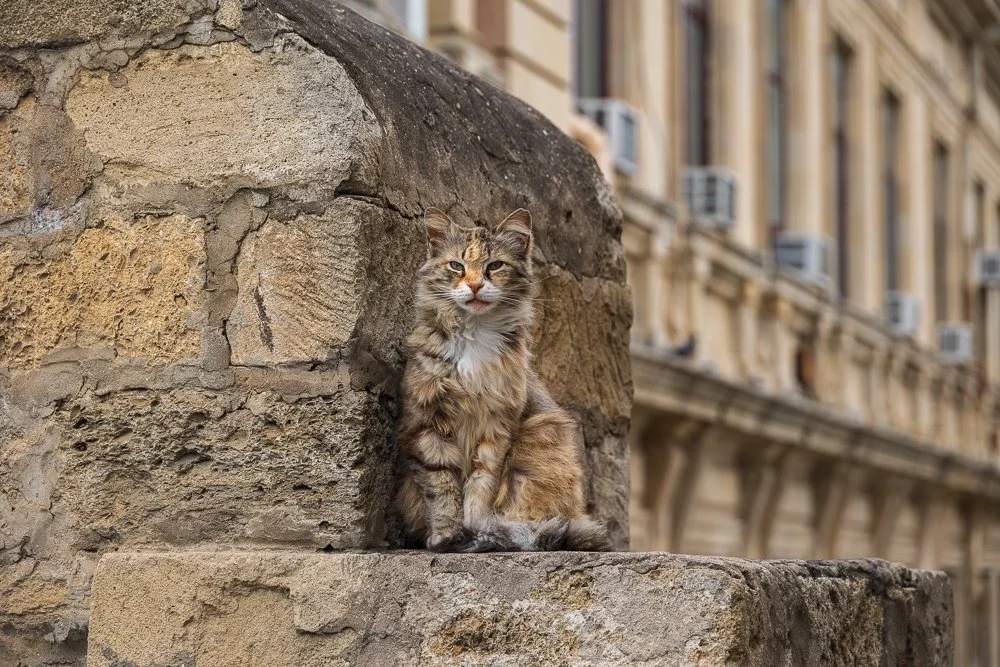
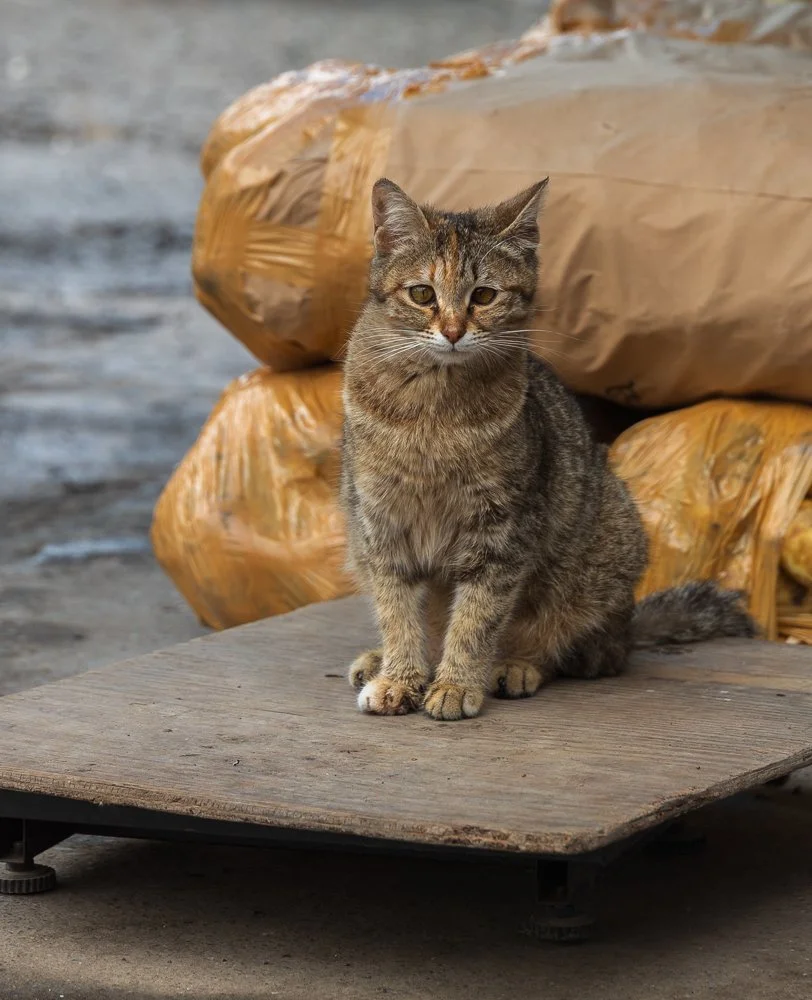
When the cats of Baku coordinate with the Old City
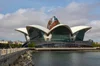
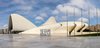
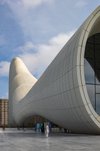
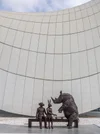
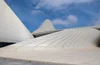
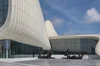
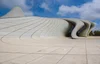
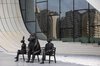
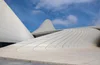
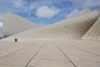
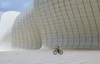
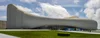
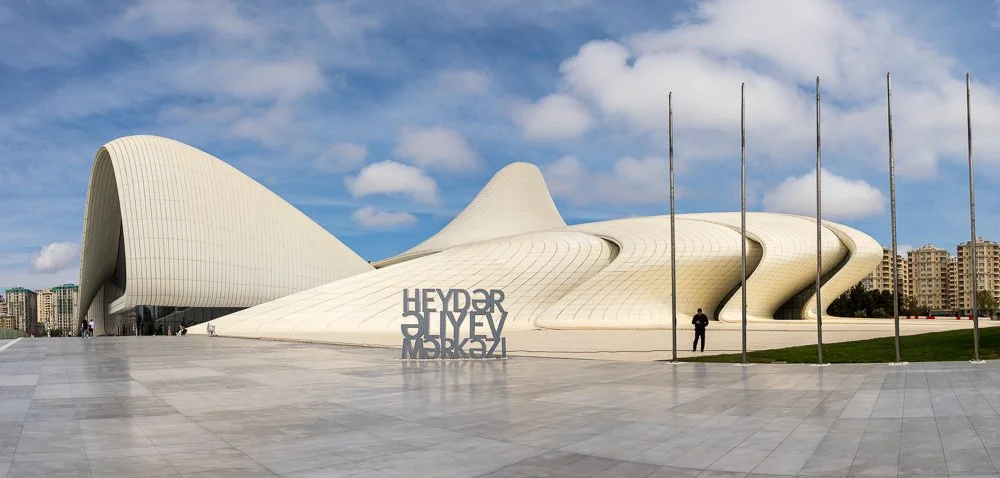
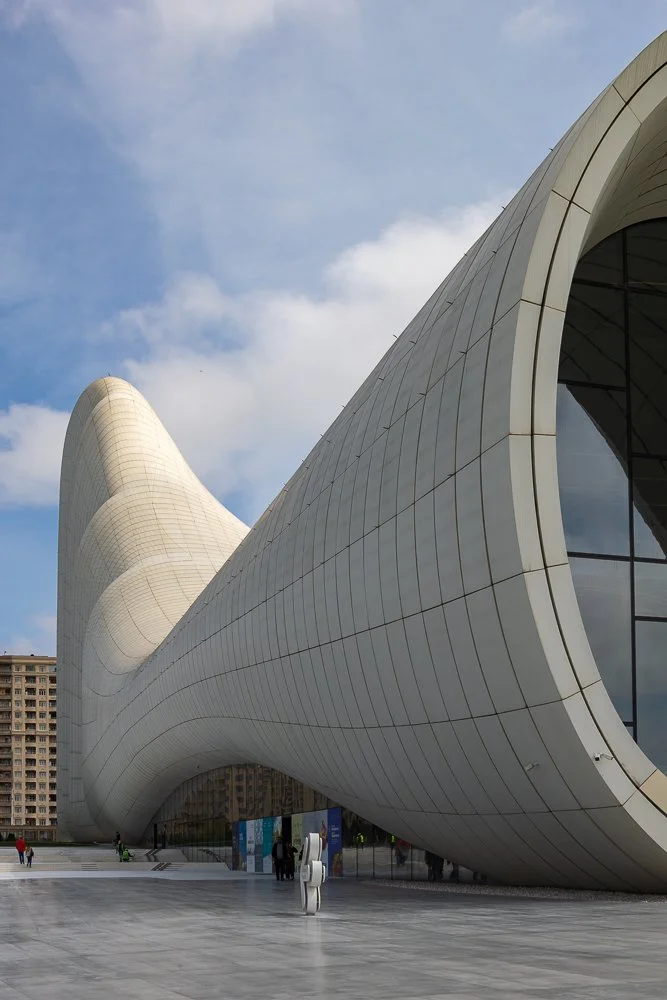
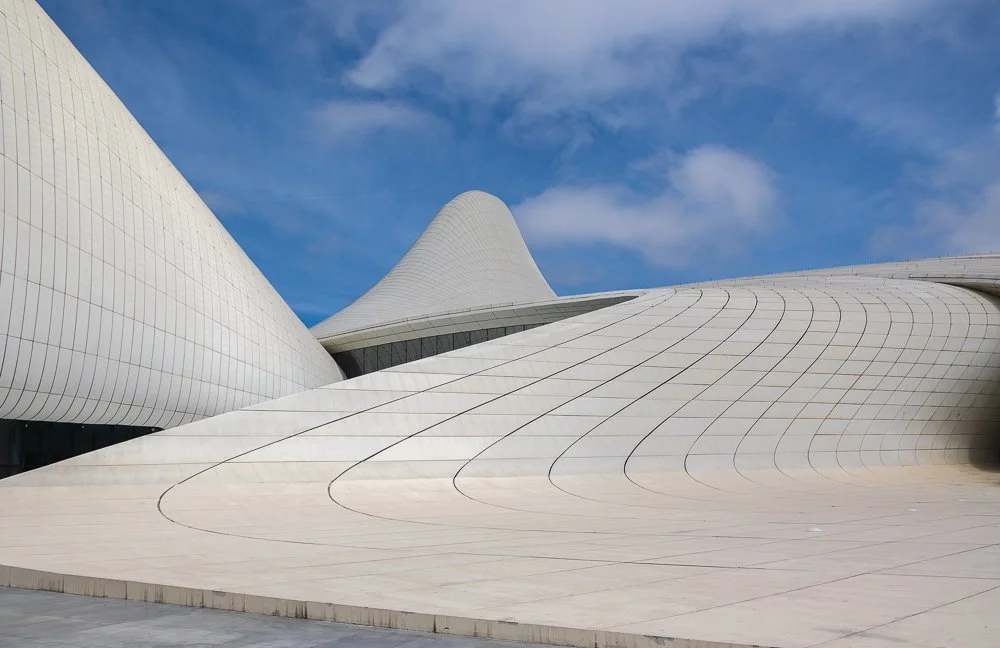
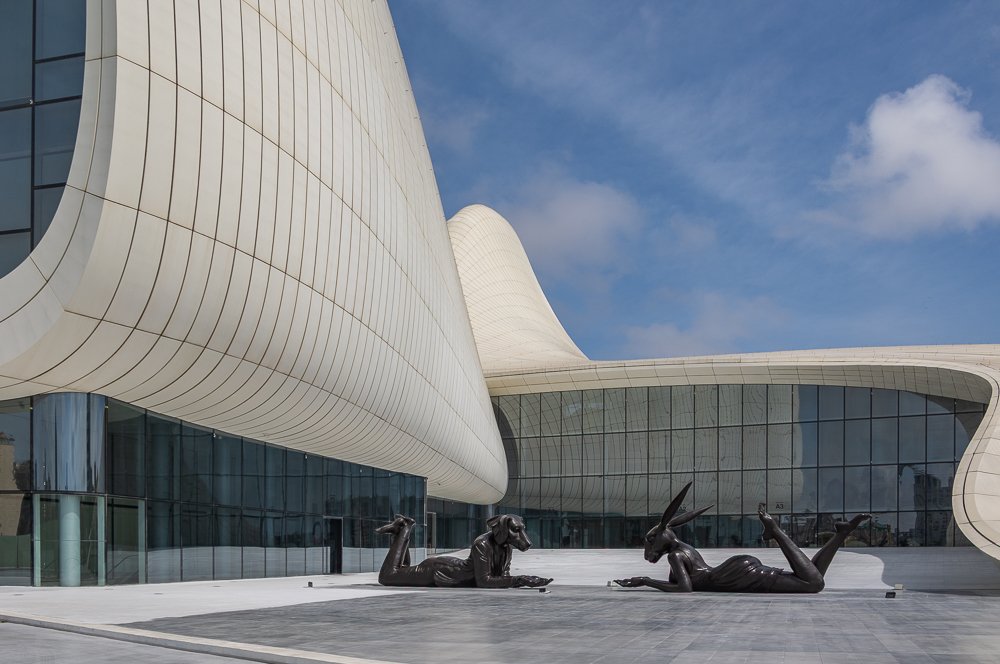
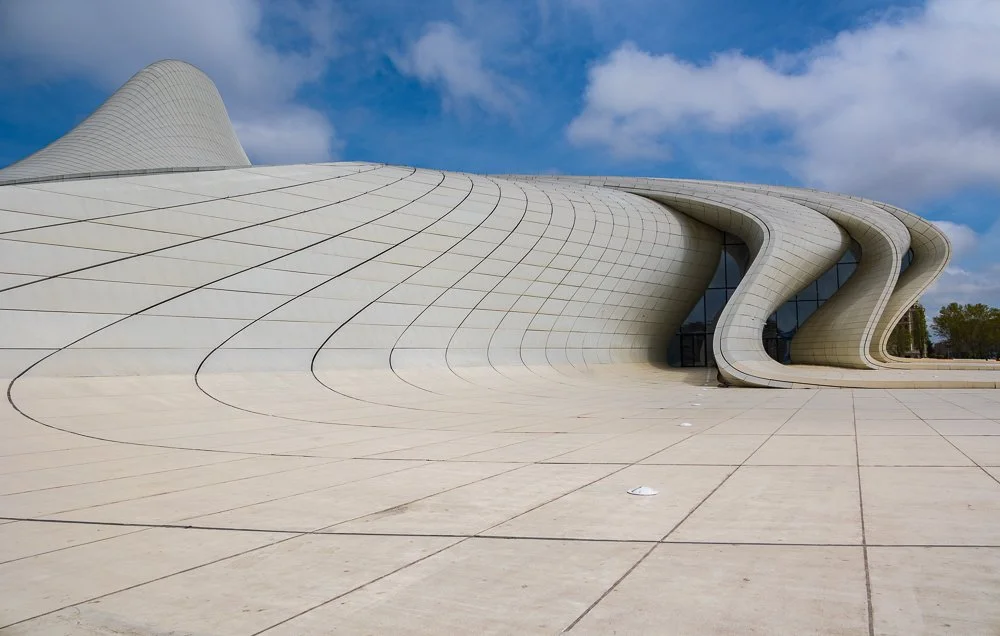
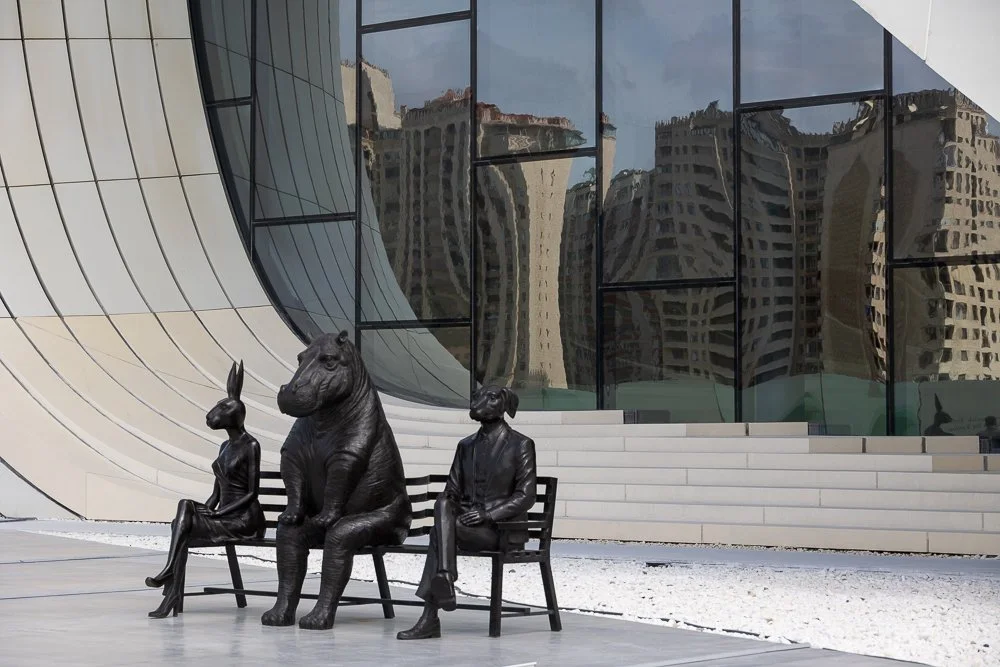
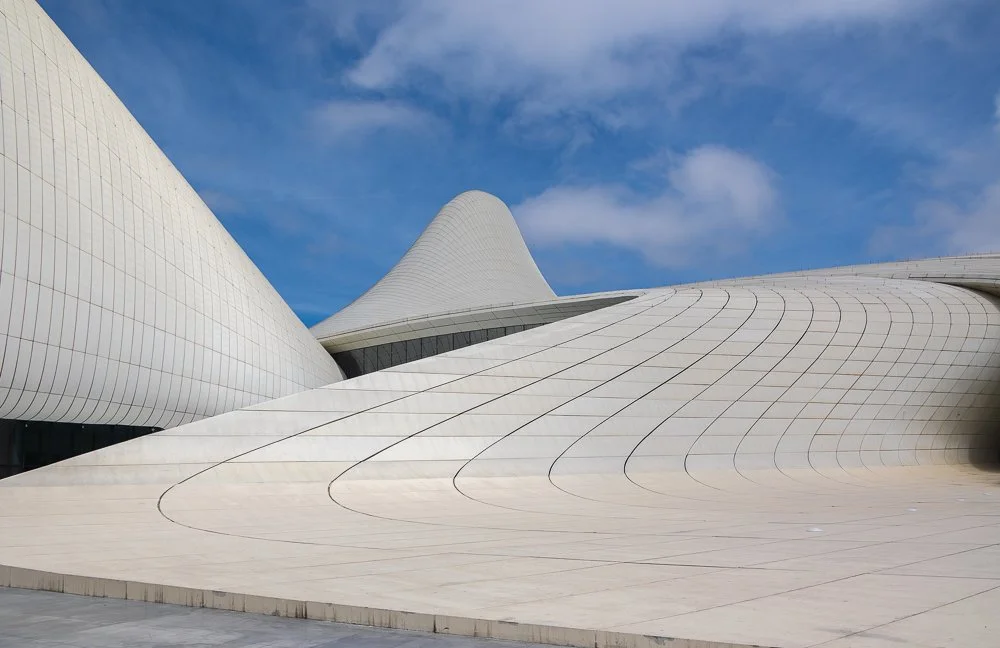
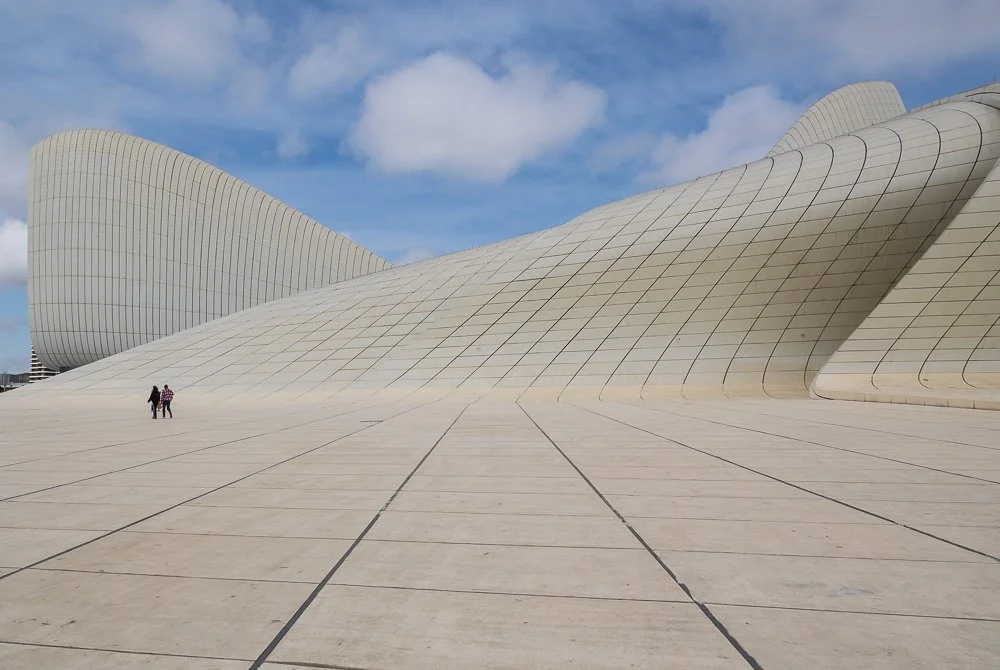
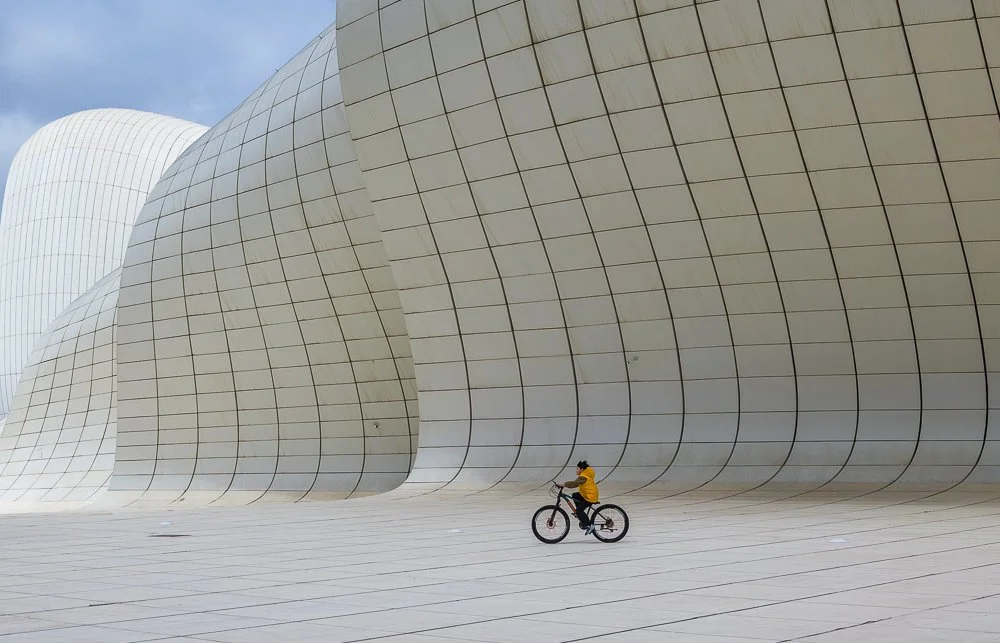
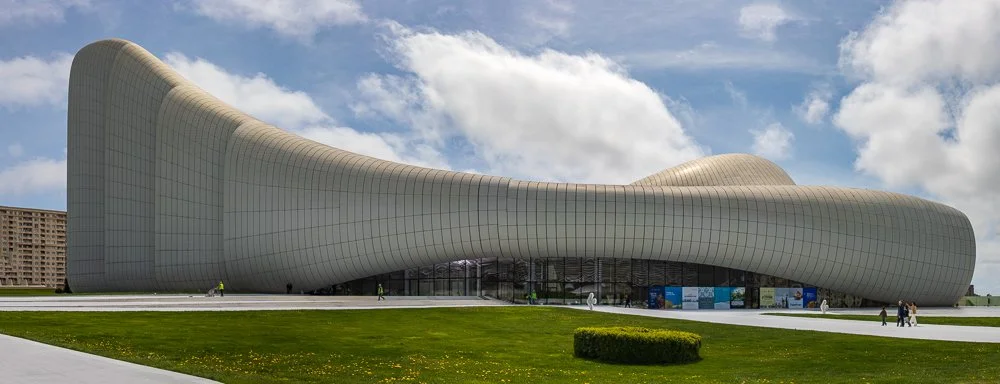
Heydar Aliyev CenterZaha Hadid didn't do straight lines, and the Heydar Aliyev Center makes no apologies for that. No sharp angles, no columns, just a flowing white form that compelled me to circle it with my camera looking for every angle.
Inside: a museum, auditoriums, and exhibition halls dedicated to Azerbaijani culture. Outside: the architecture is the event.
In 2014, the building won the prestigious London Design Museum’s "Design of the Year Award" for its stunning and innovative use of space.
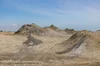
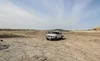
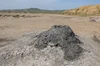
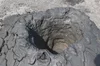
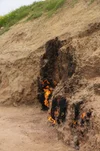
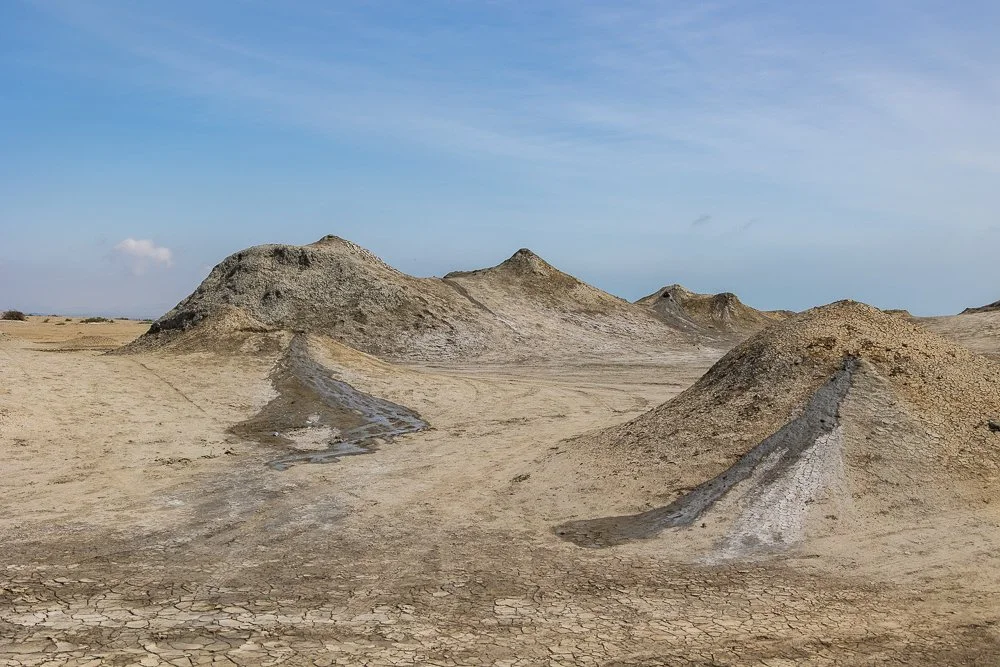
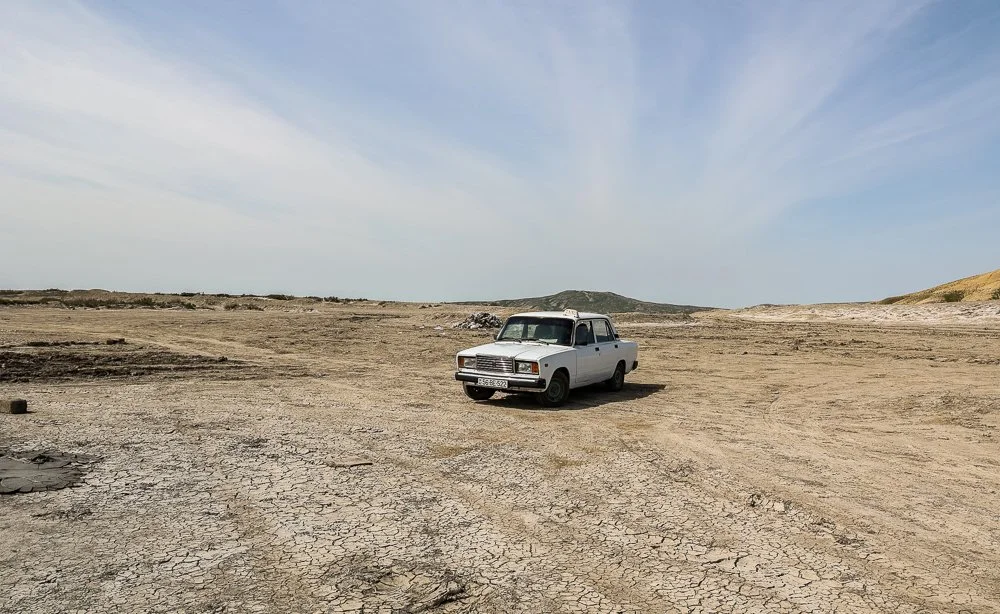
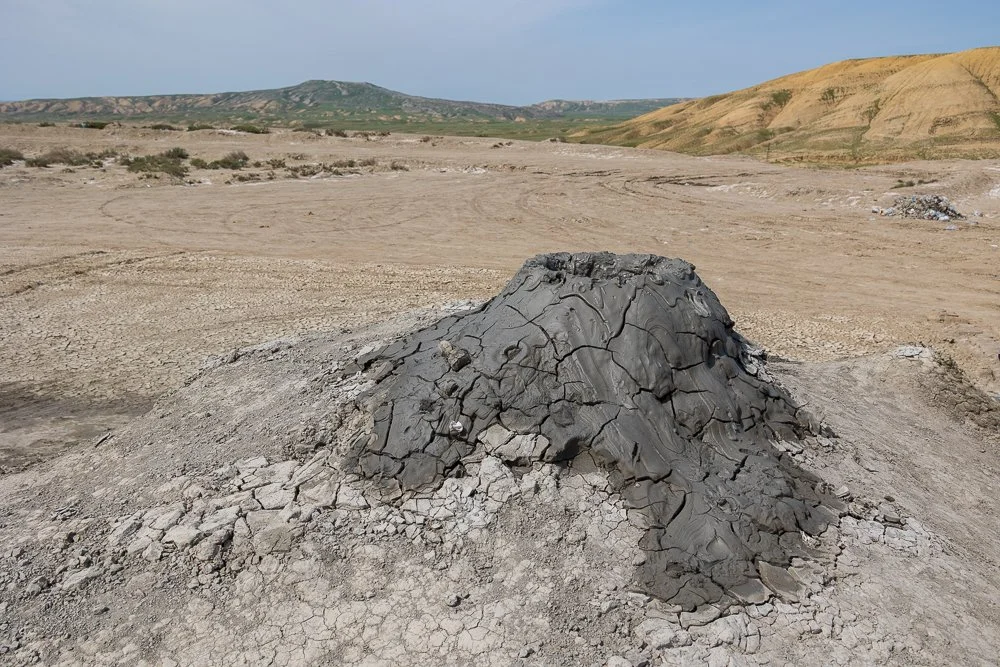
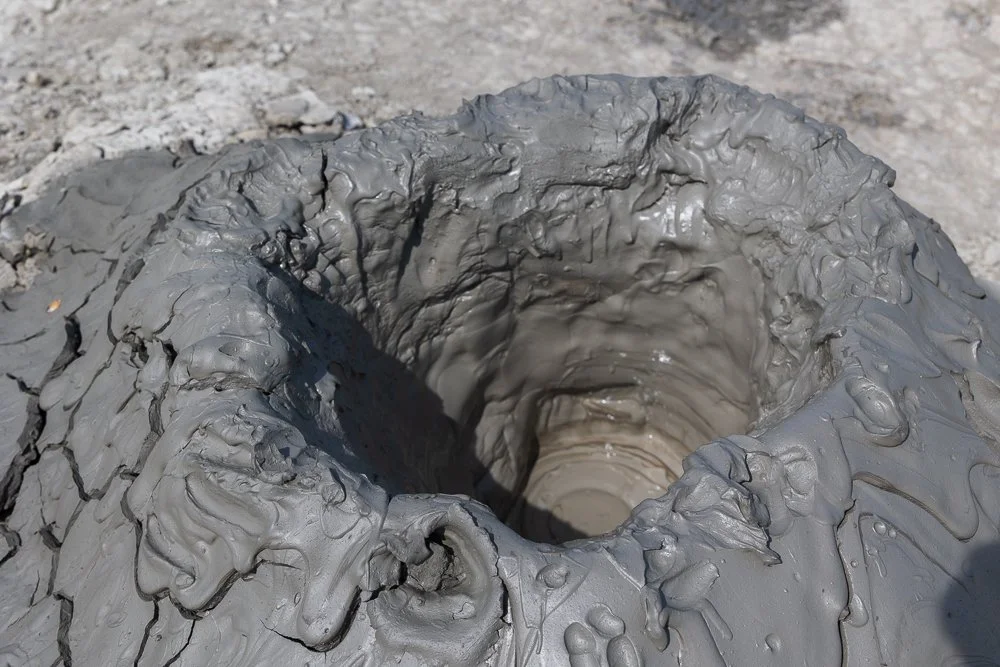
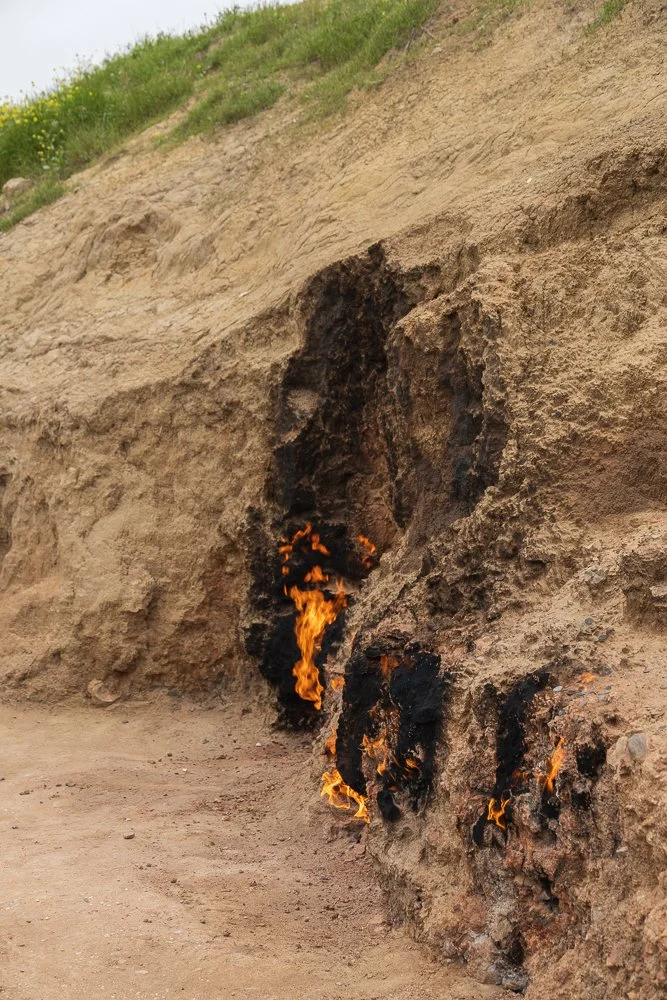
Mud Volcanoes Nearly half the world's mud volcanoes are concentrated here, about 80 km southwest of Baku. Cool mud bubbles up through pale cracked earth in slow, indifferent eruptions.
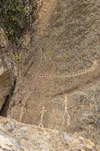
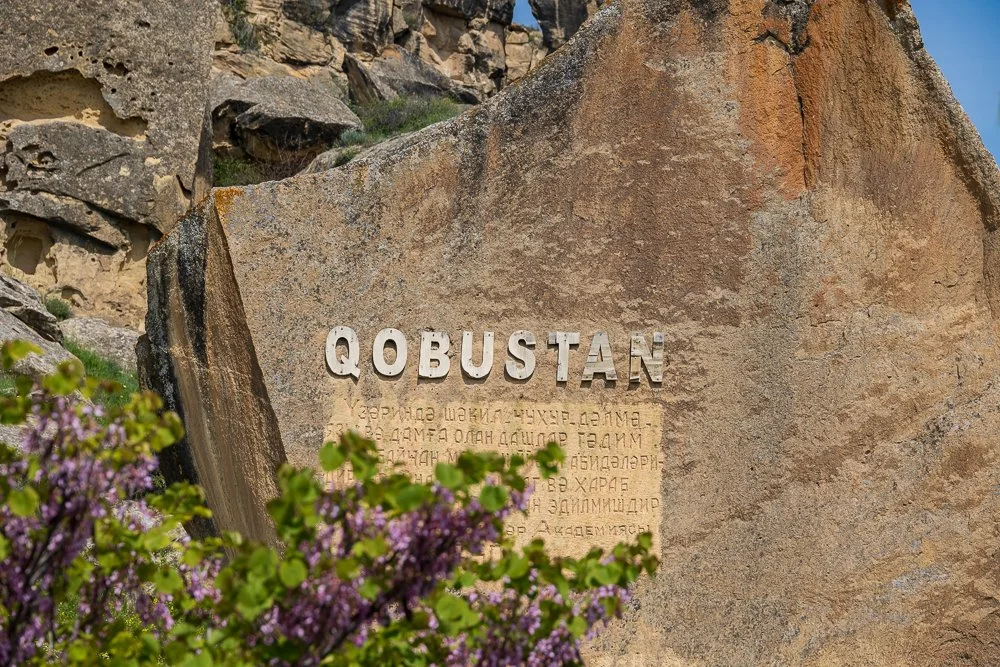
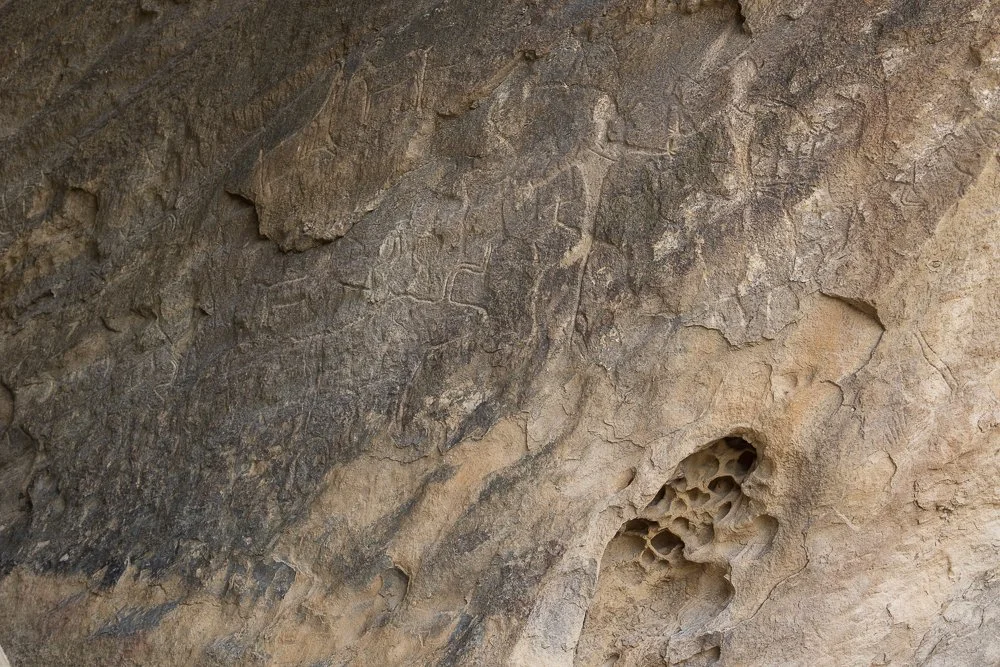
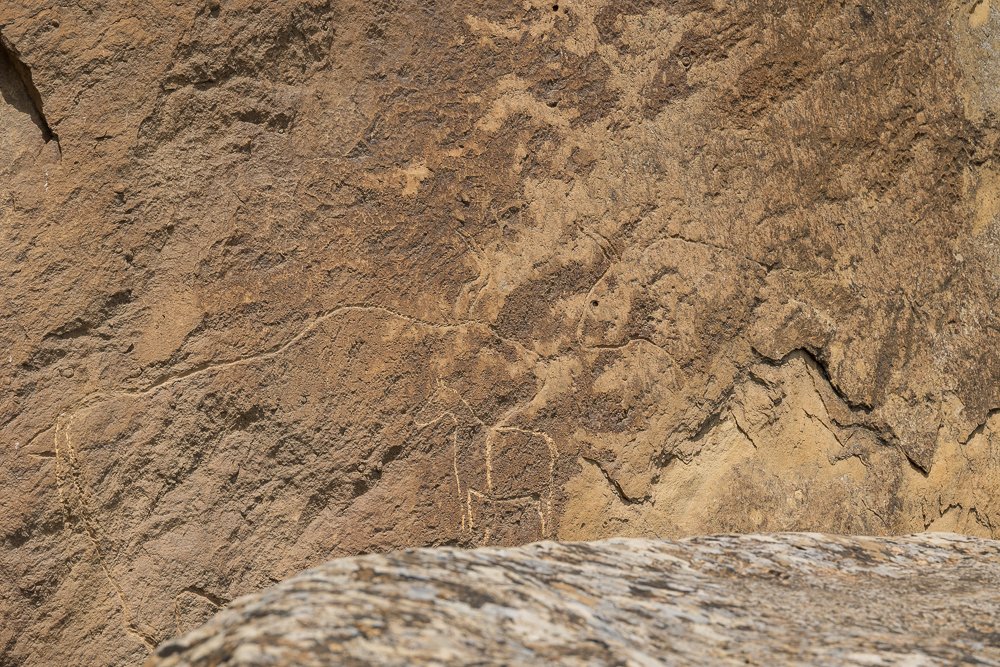
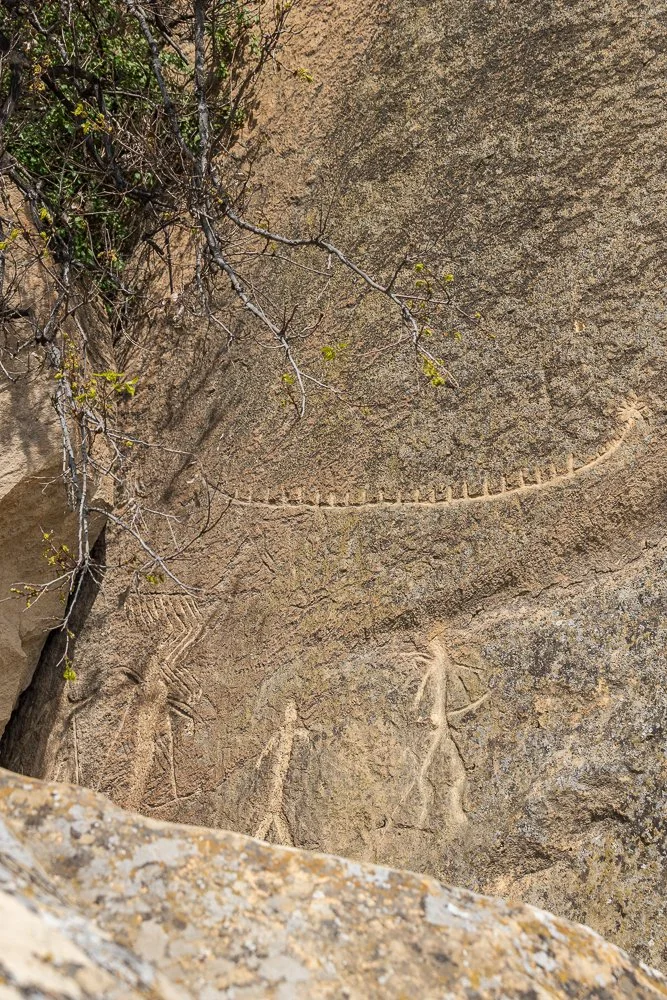
Gobustan Petroglyphs The Gobustan State Historical and Cultural Reserve holds over 6,000 rock engravings, a UNESCO World Heritage Site spanning from the Upper Paleolithic through to the Middle Ages. Thousands of years of people recording that they were here, in this landscape, at this particular moment in human history.
Upland Park (Highland Park)Highland Park sits at the highest point of central Baku, the city and the Caspian spread out below.
The Flame Towers aren't subtle, but they earn their place; Azerbaijan has called itself the Land of Fire for centuries.
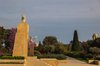
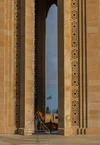
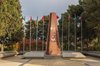
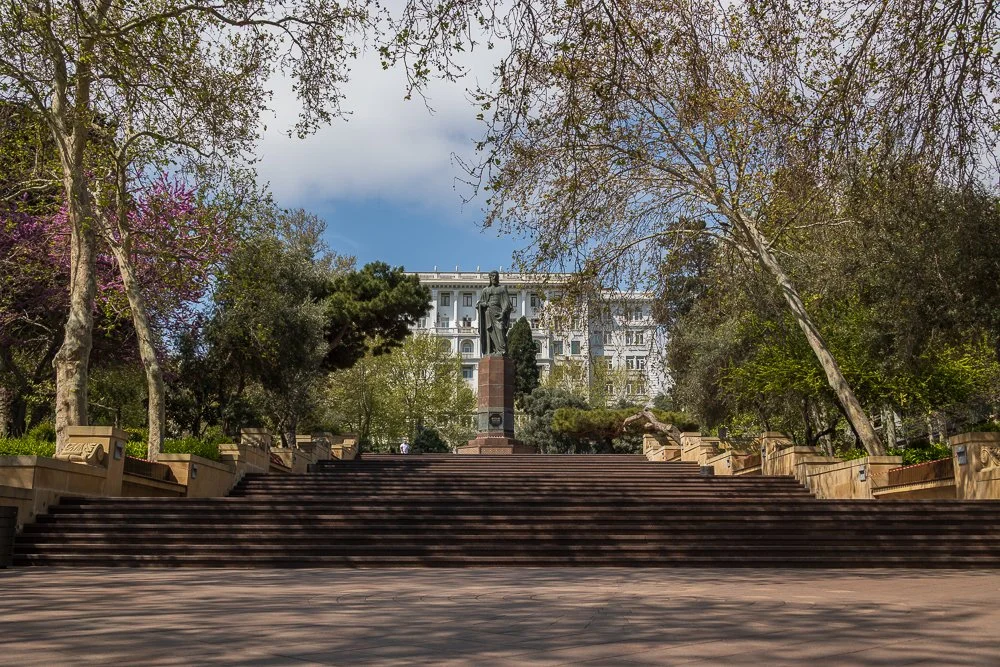
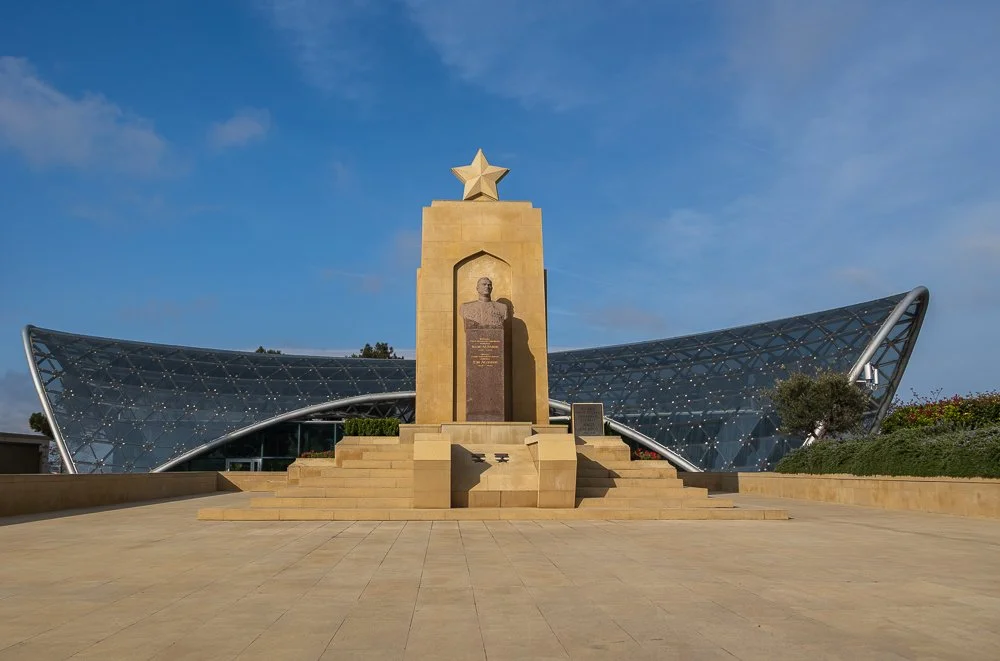
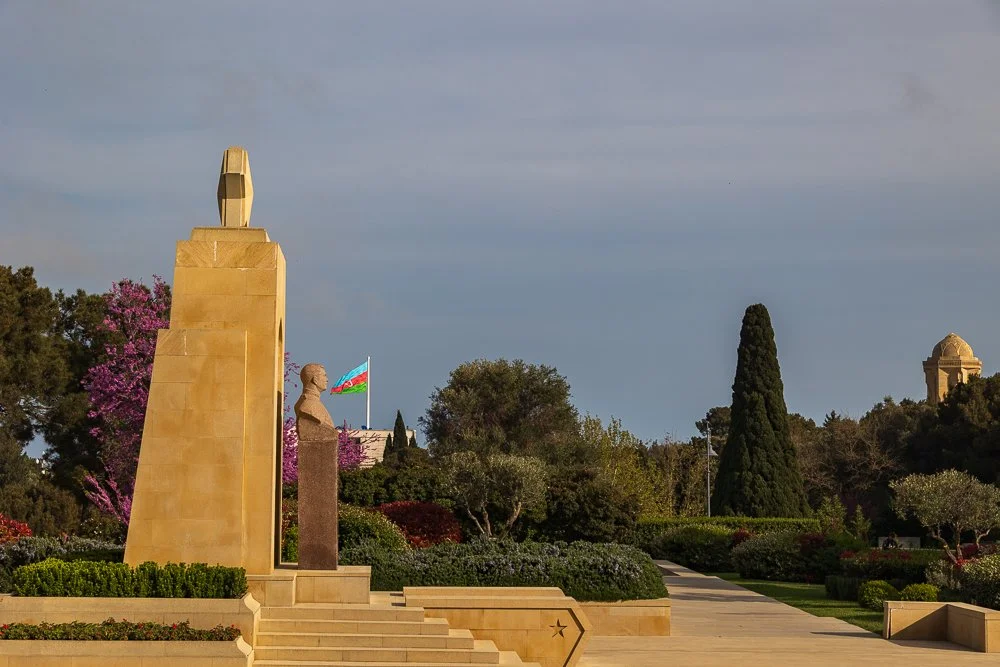
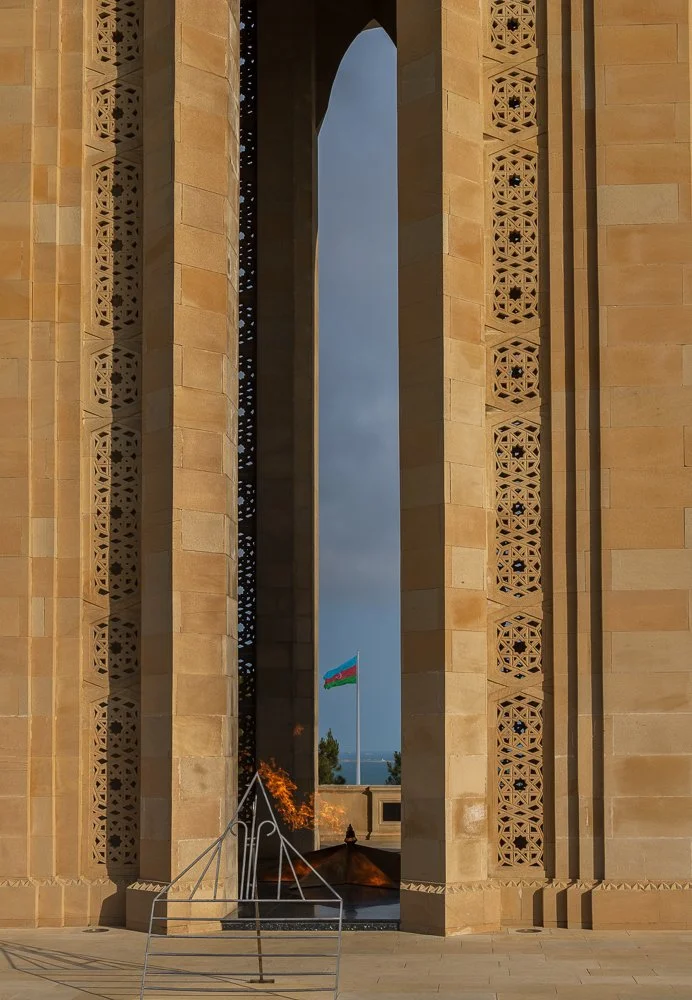
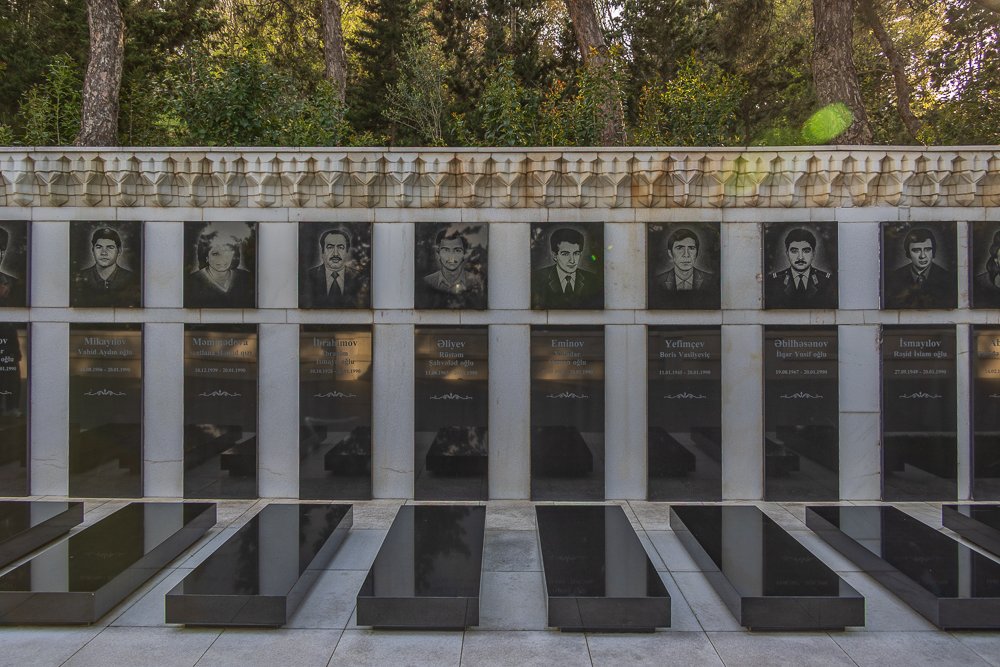
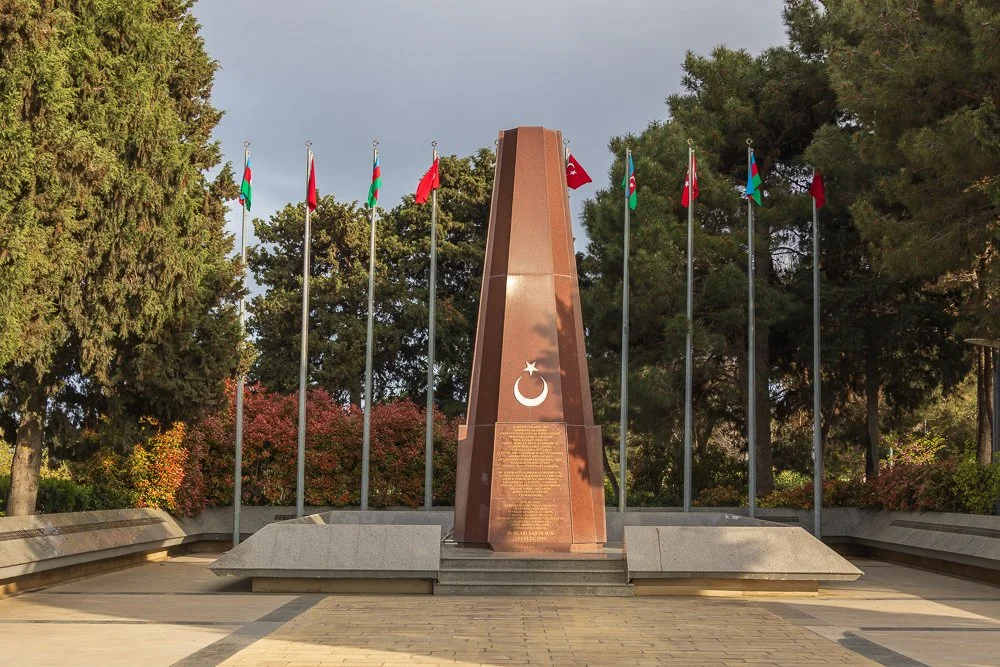
Highland Park At the highest point of central Baku, the city and the Caspian spread out below. The memorial and cemetery here honours the Azerbaijanis killed during Black January 1990 and the Karabakh war. The Eternal Flame burns at its centre.
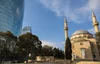
Next to the Flame Towers, the Mosque of the Martyrs was built in the 1990s with Turkish support
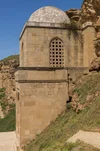
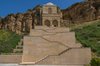
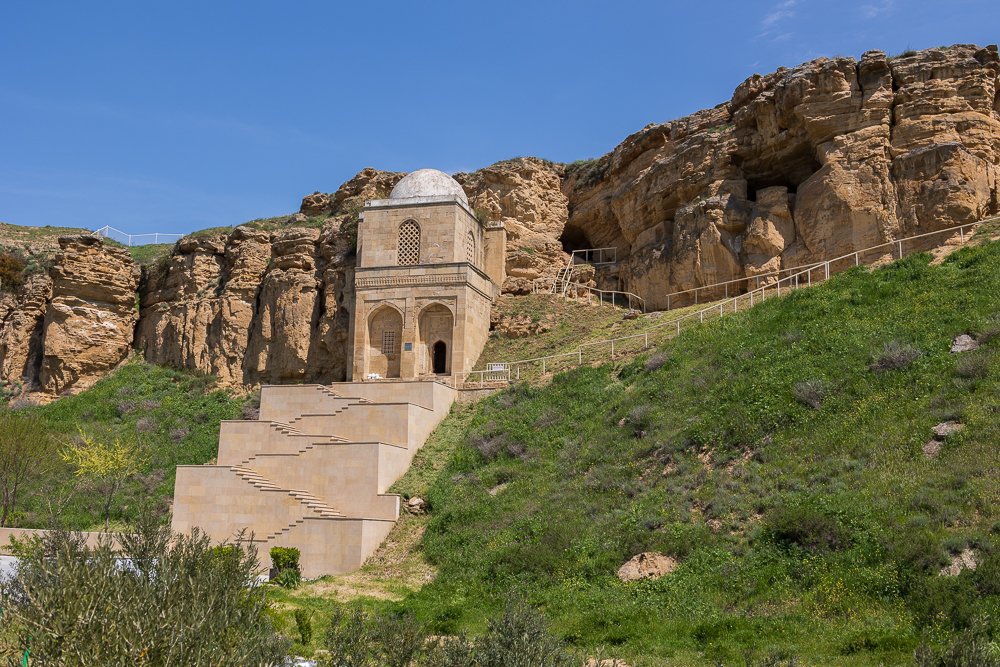
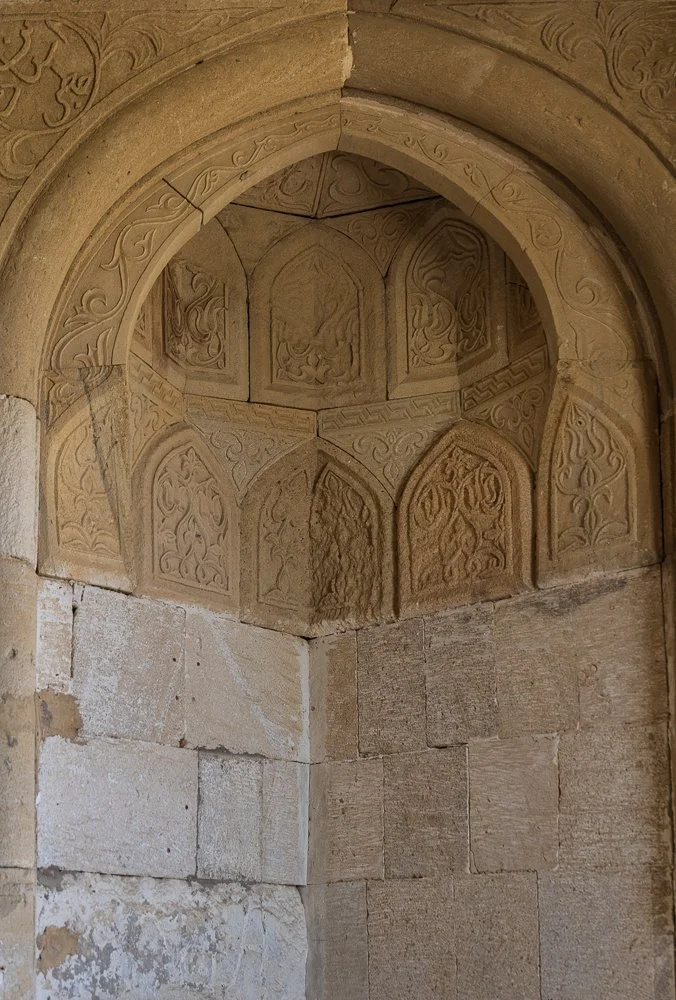
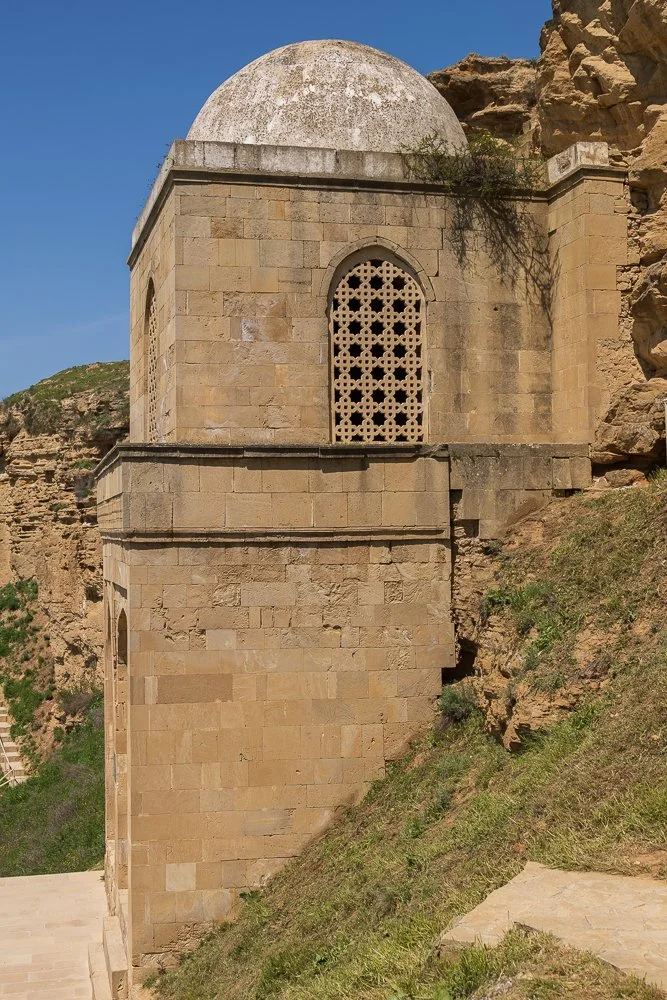
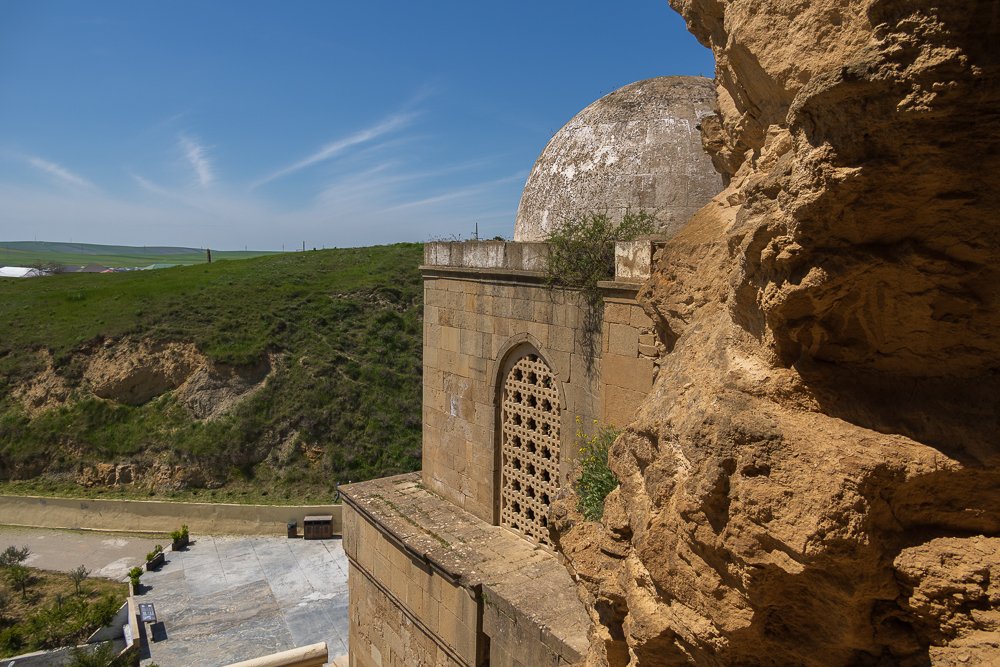
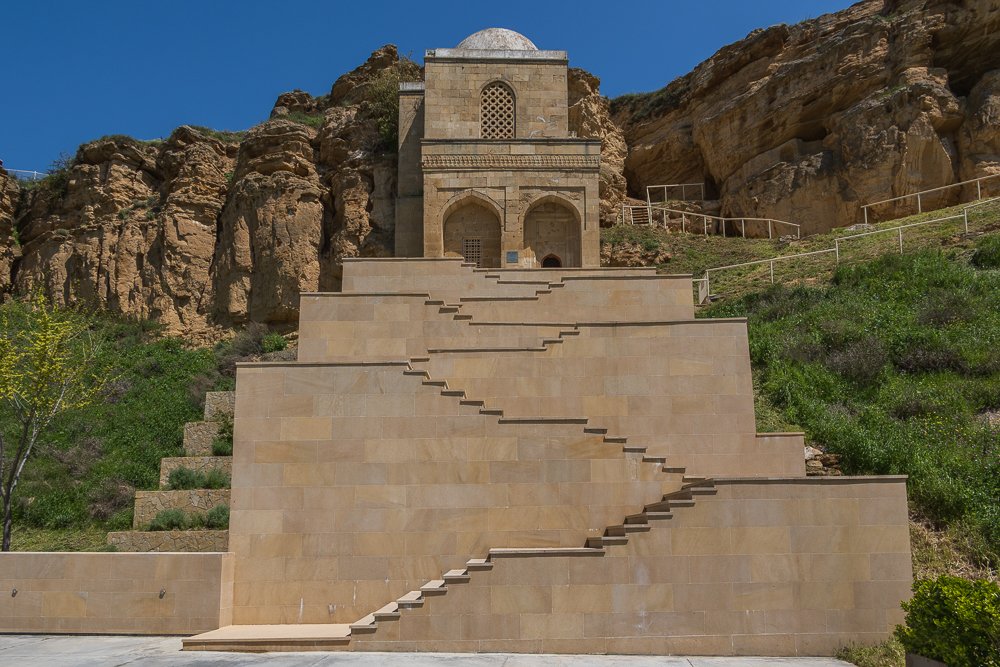
Diri Baba Mausoleum Built in 1402 by order of Shirvanshah Ibrahim. A Sufi sheikh known as Baba spent his final days here in seclusion, reciting sacred verses. When he died, his disciples believed for several days he was still in prayer. They named this place Diri Baba: Living Baba. It has been a pilgrimage site ever since.
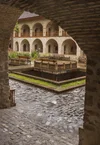
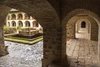
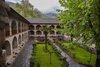
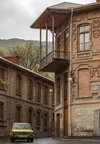
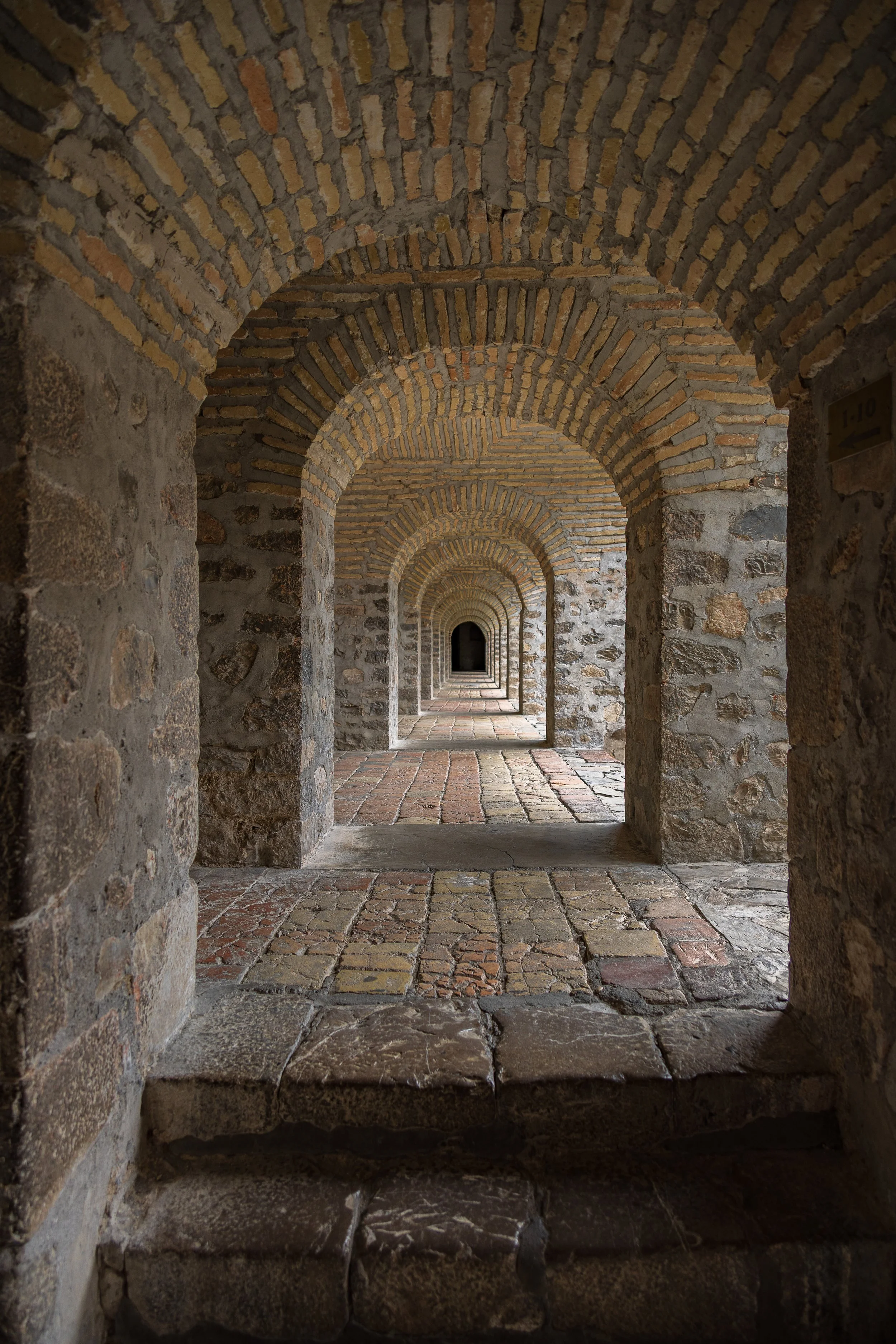
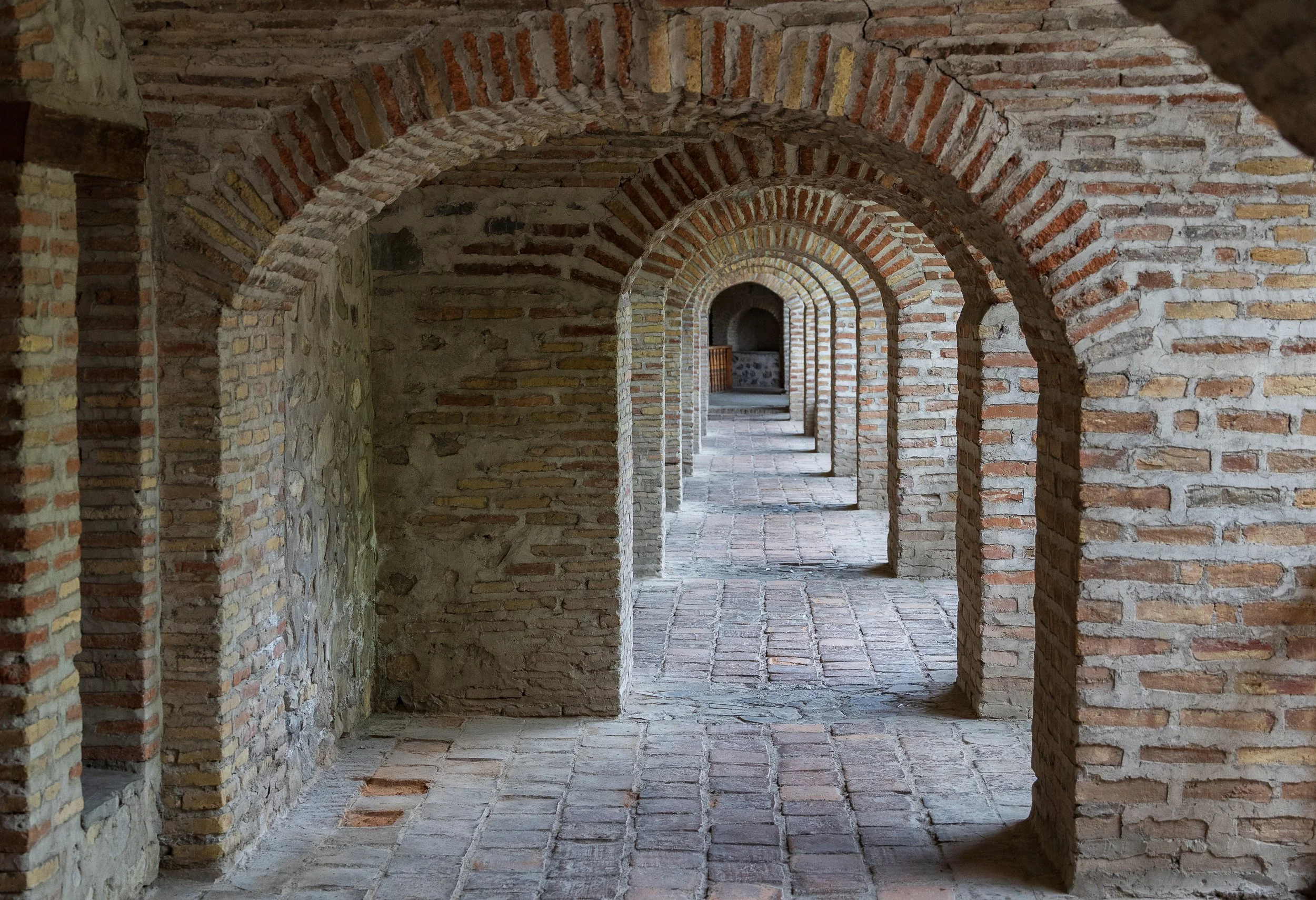
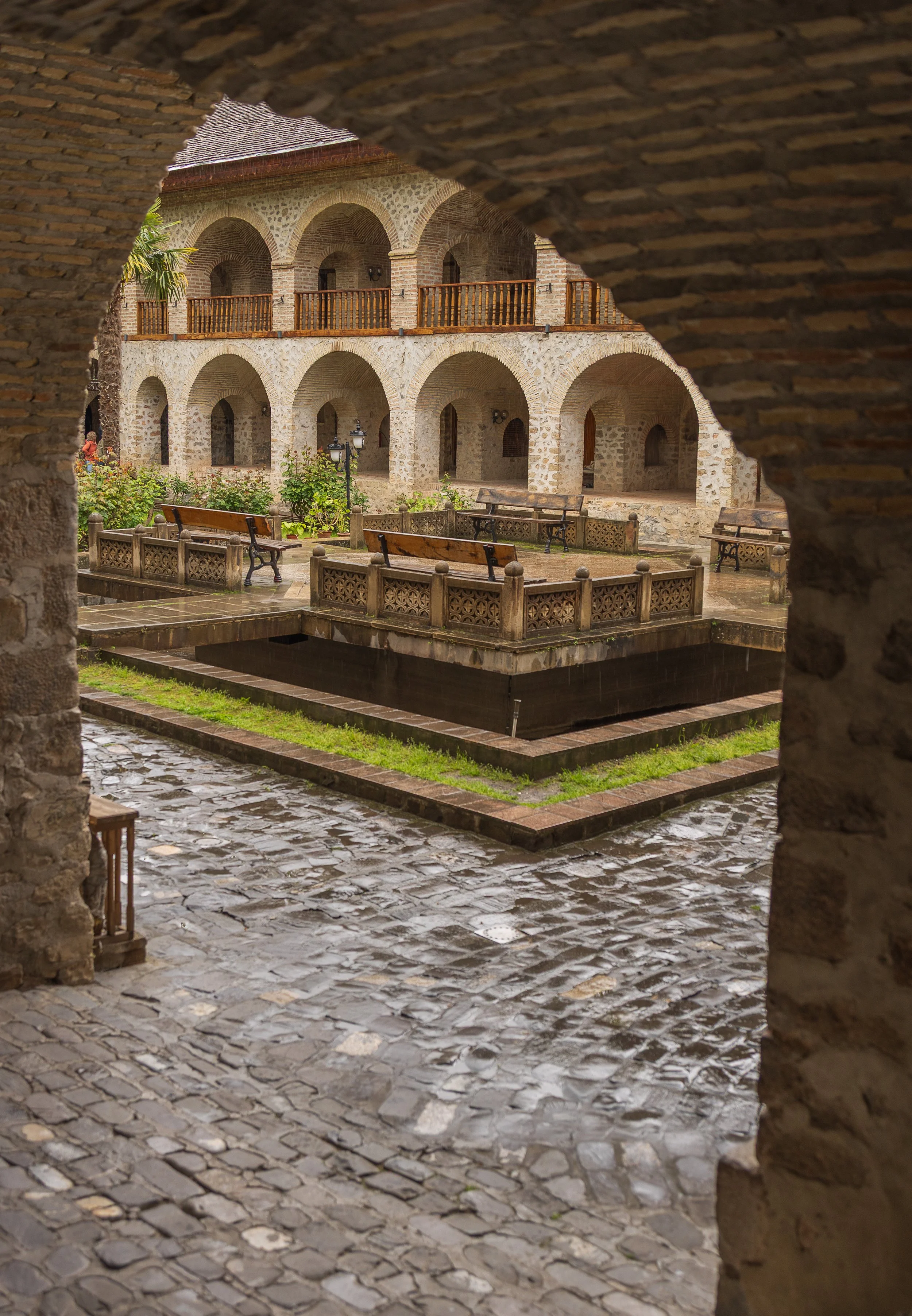
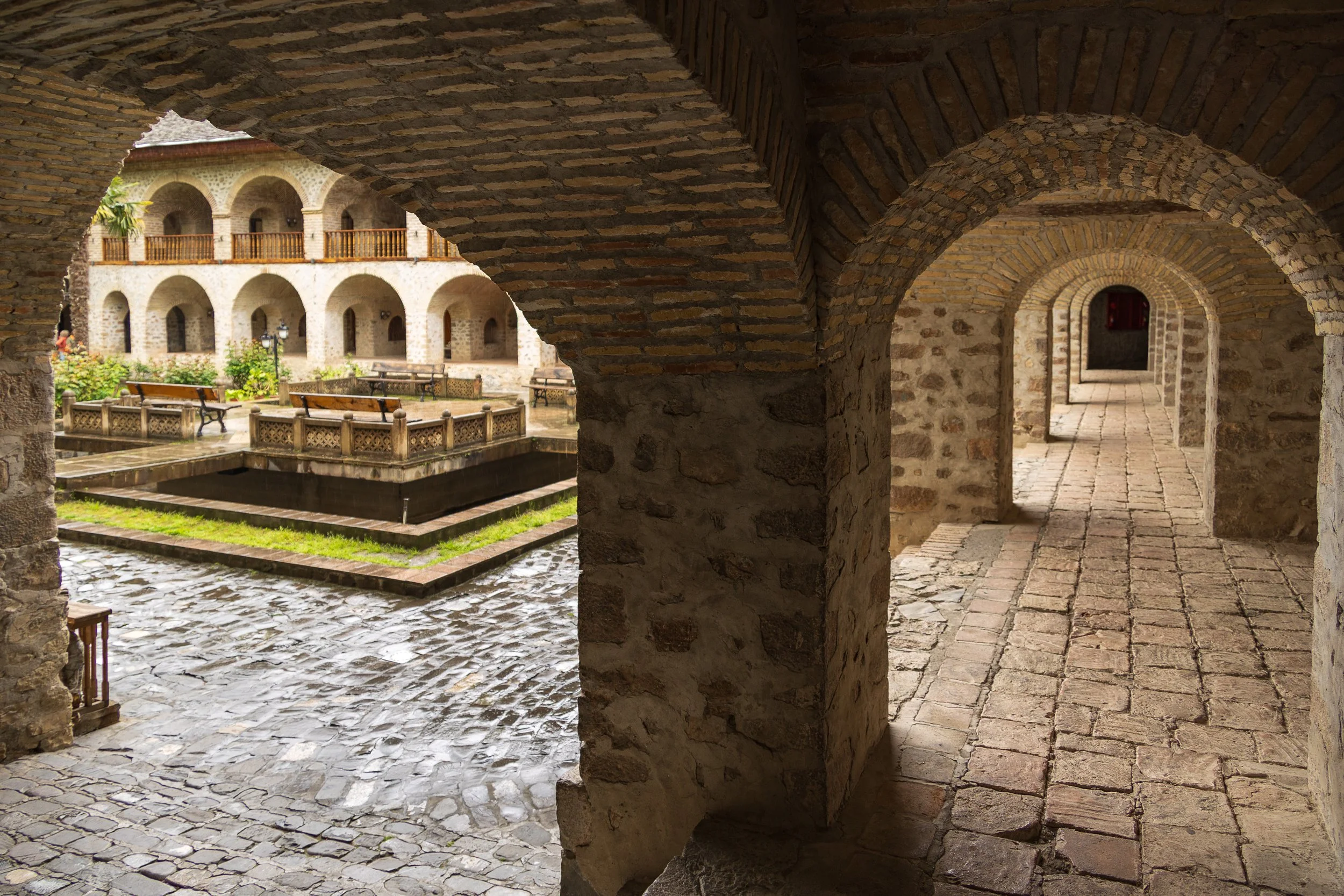
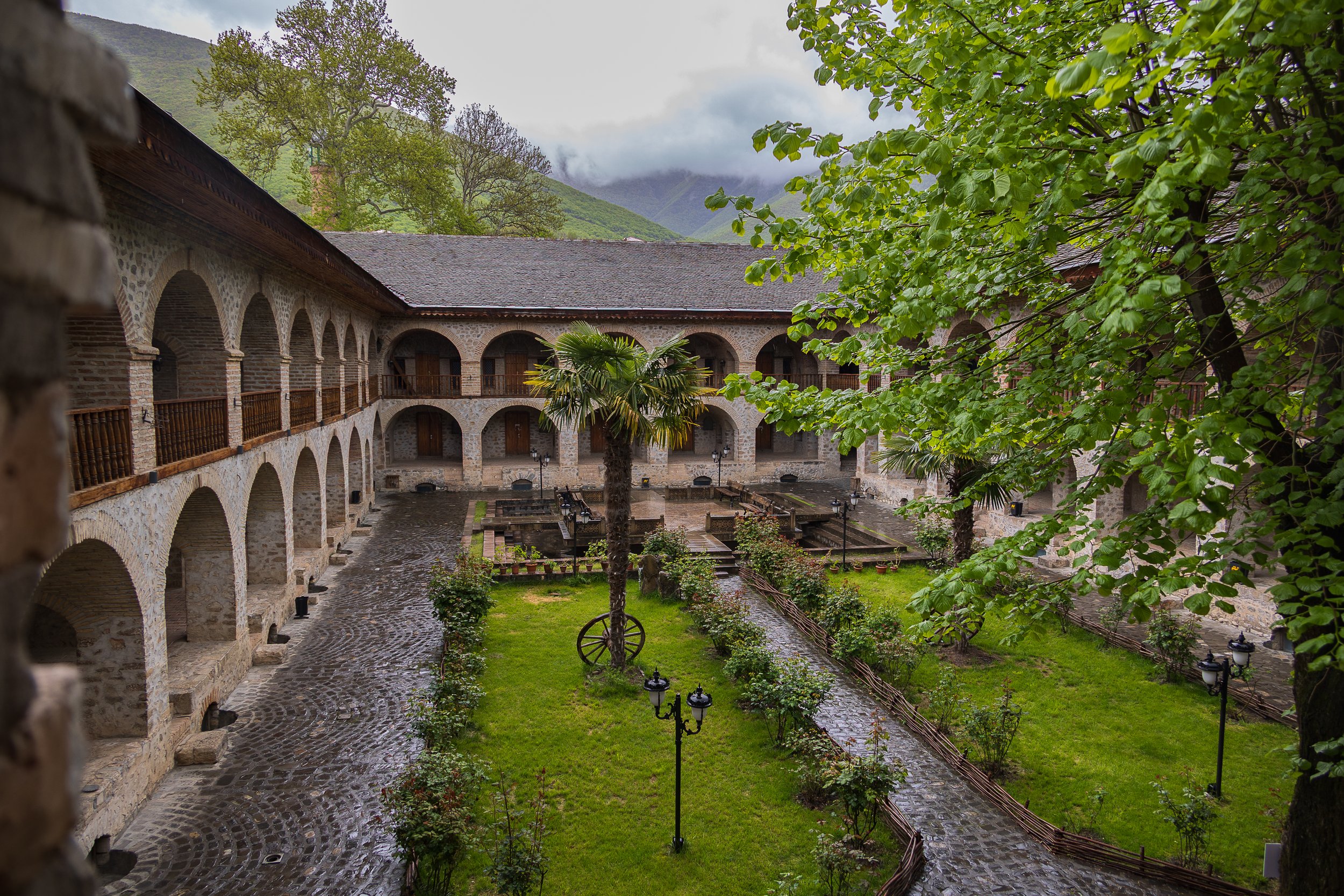
Upper Caravanserai One of two surviving caravanserais along historic Akhundzade Street, where Silk Road merchants once stayed with their goods. It operates as a hotel now. The bones of the original building make that transition surprisingly easy to imagine.
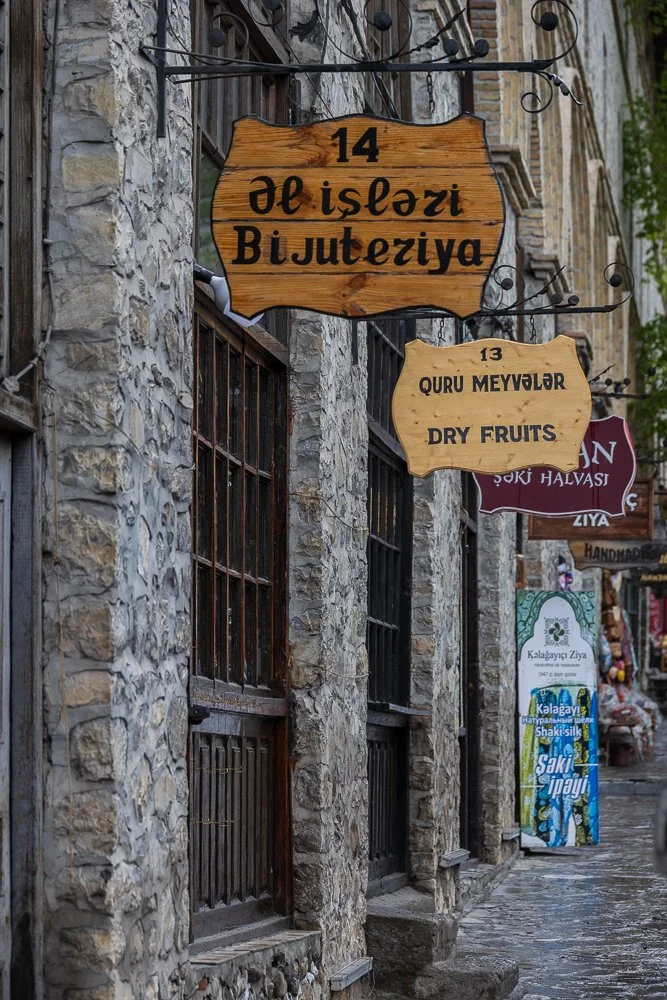
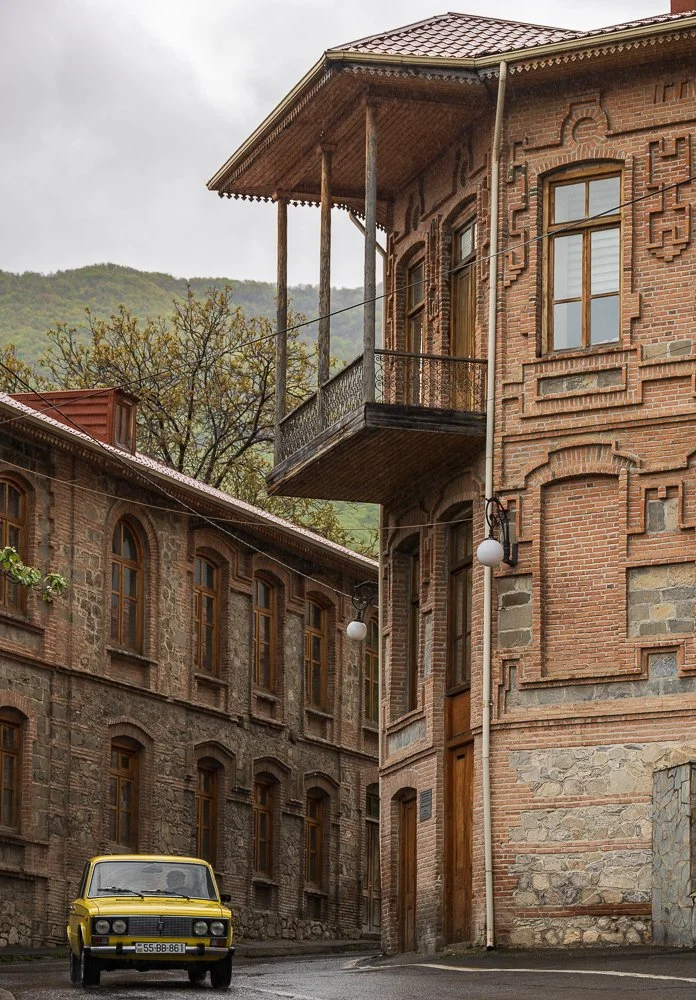
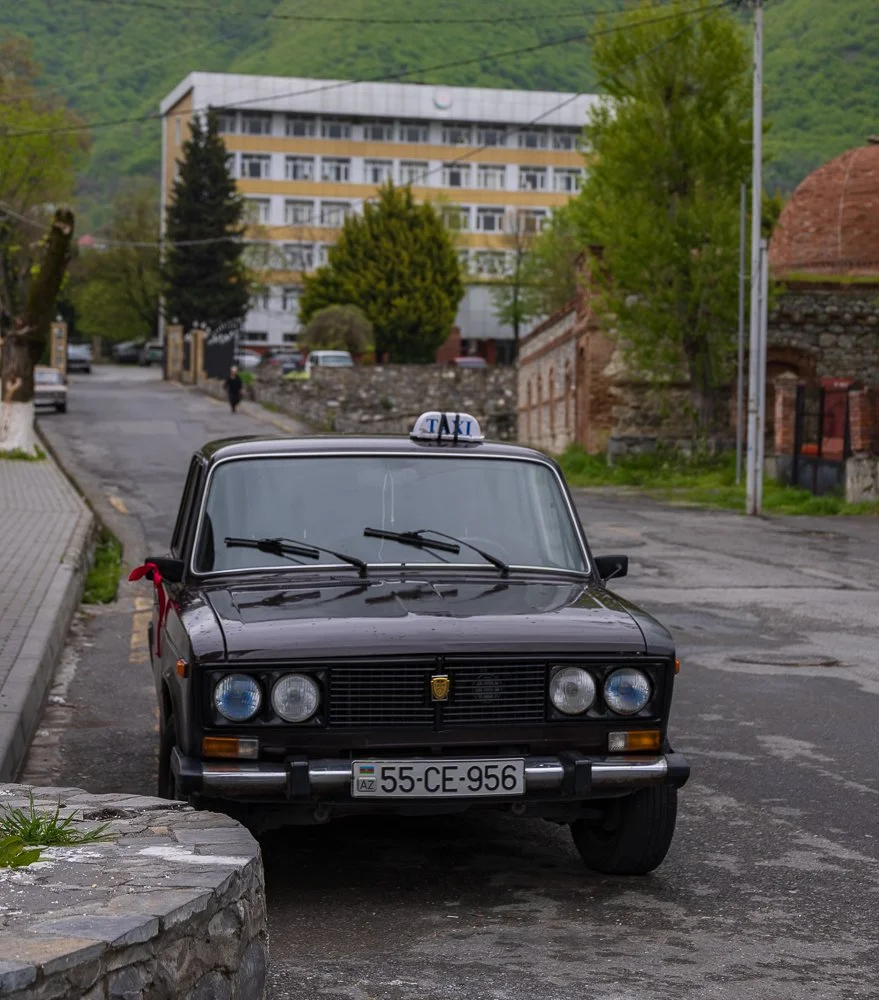
ShekiThe city is 2,700 years old, tucked into the forested foothills of the Greater Caucasus, built on a long history of Silk Road trade, silkworm breeding, and raw silk. The historic centre is a UNESCO World Heritage Site. I ate piti, the national dish, a slow-cooked lamb stew served in the clay pot it's made in, and sampled Sheki halva, which is its own category of sweet.
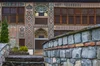
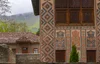
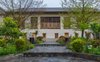
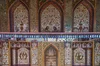
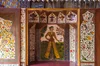
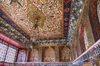
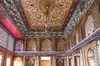
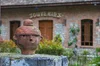
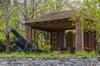
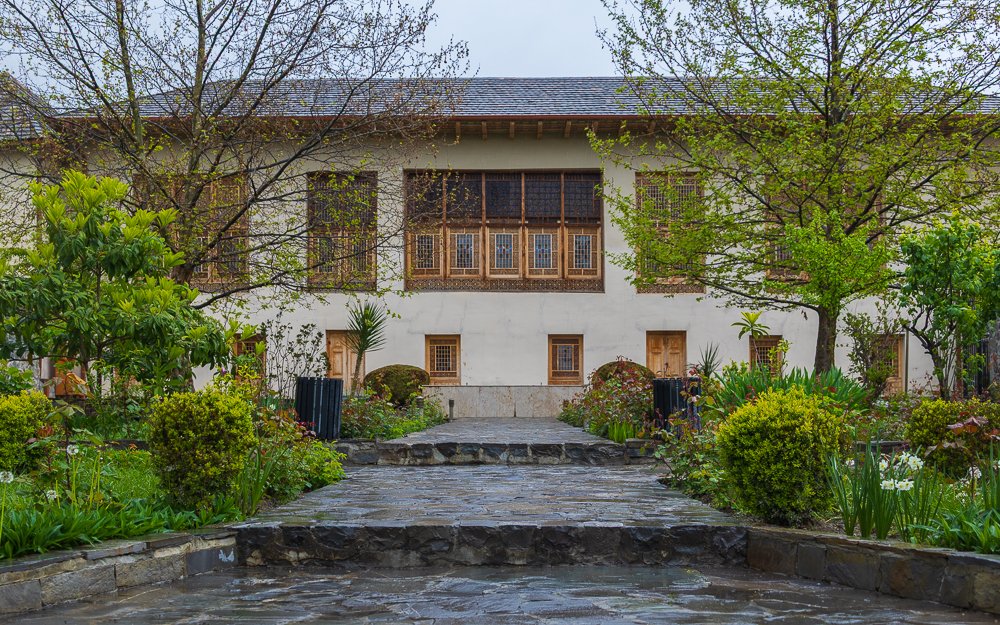
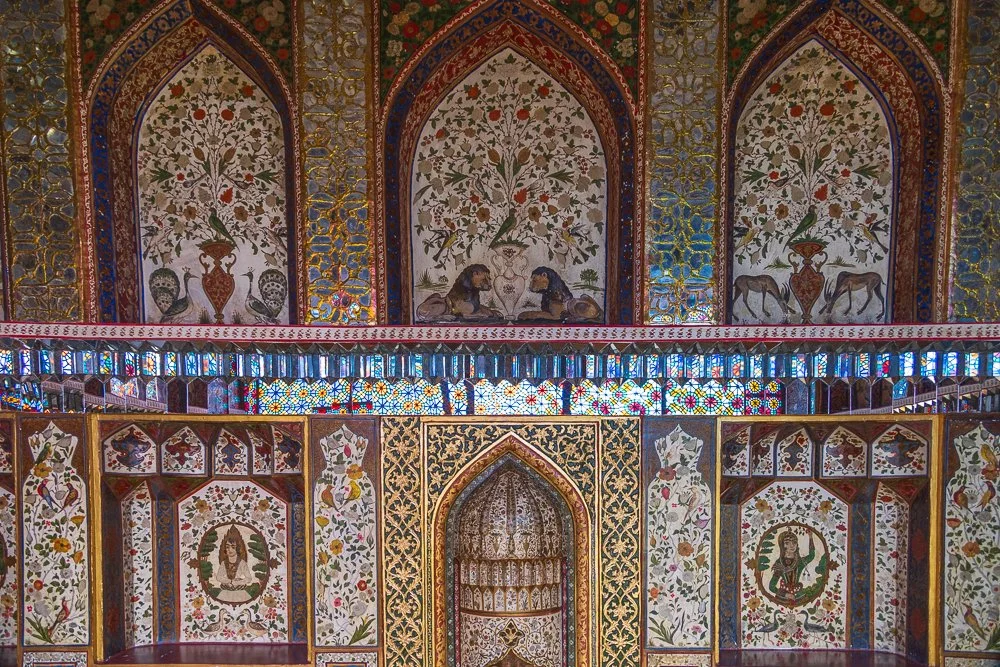
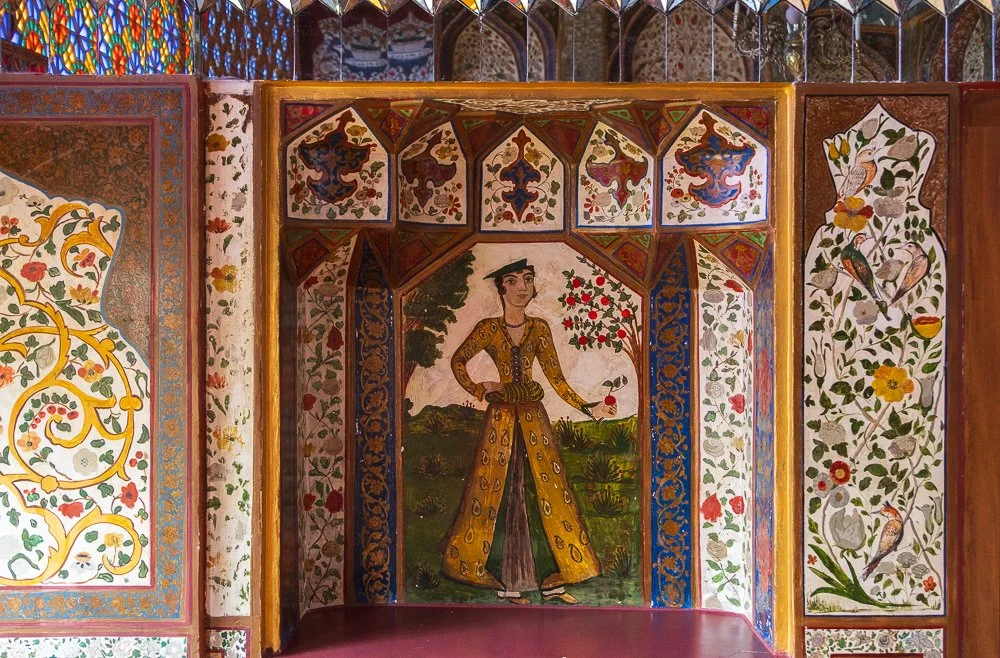
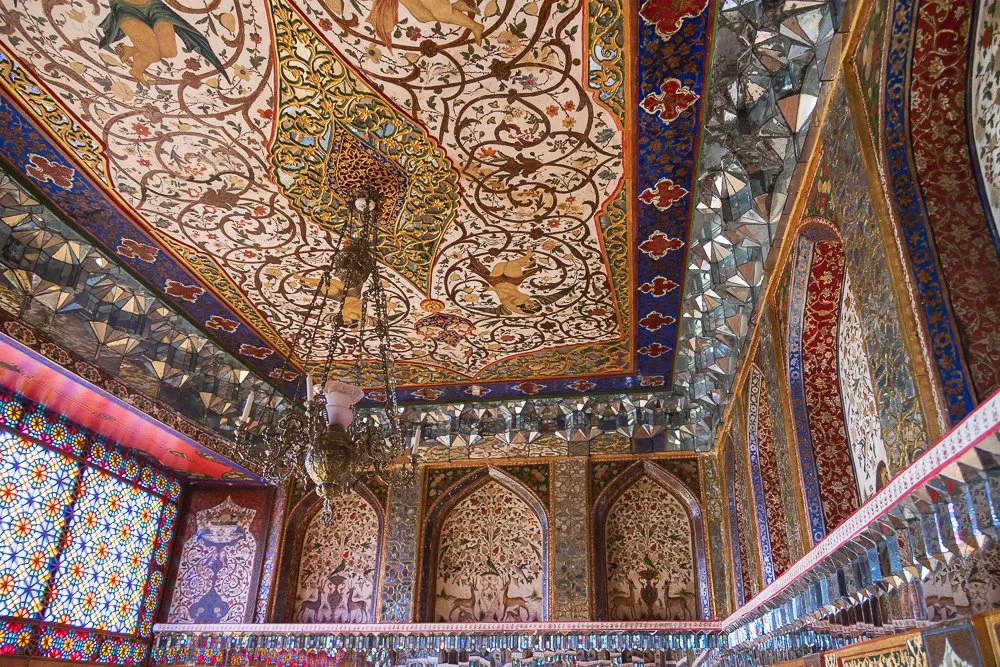
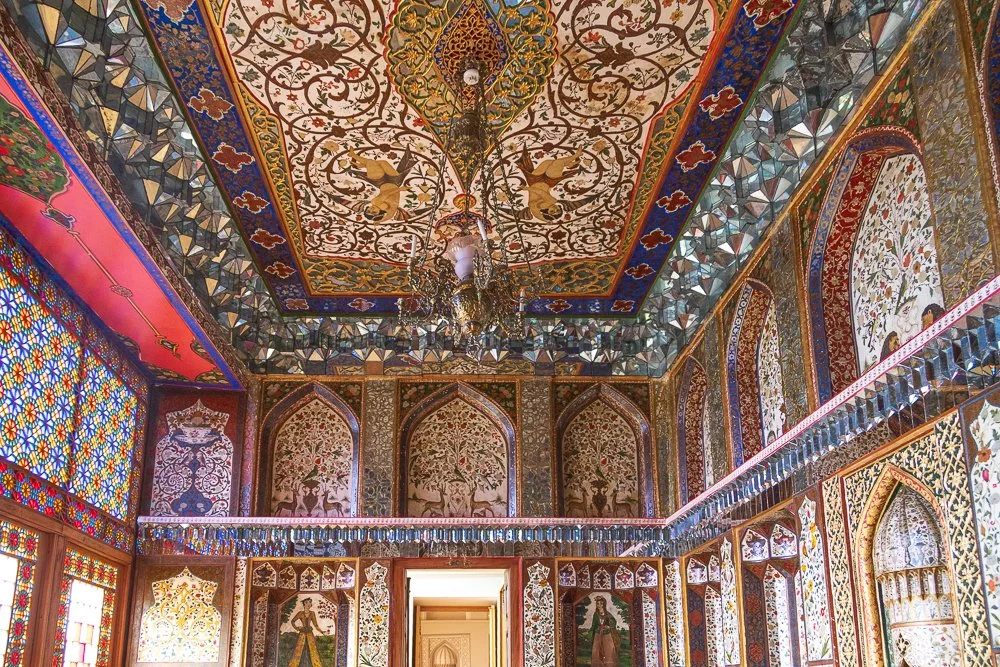
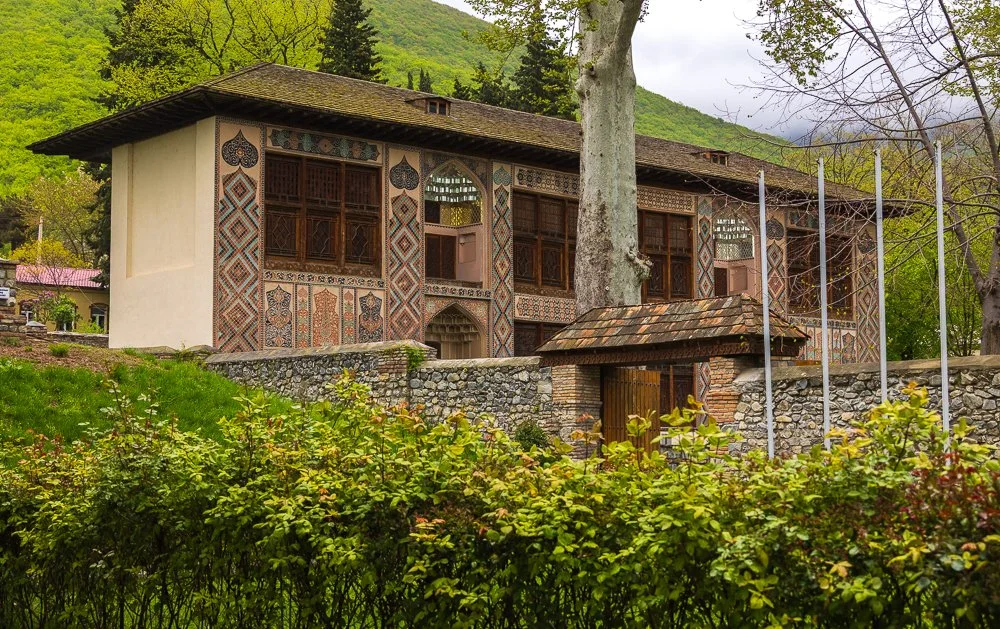
Shakikhanovs' Palace Smaller in scale than the Khan's Palace, identical in spirit. The same shebeke windows, the same painted interiors. Cameras were permitted here, which I made full use of.
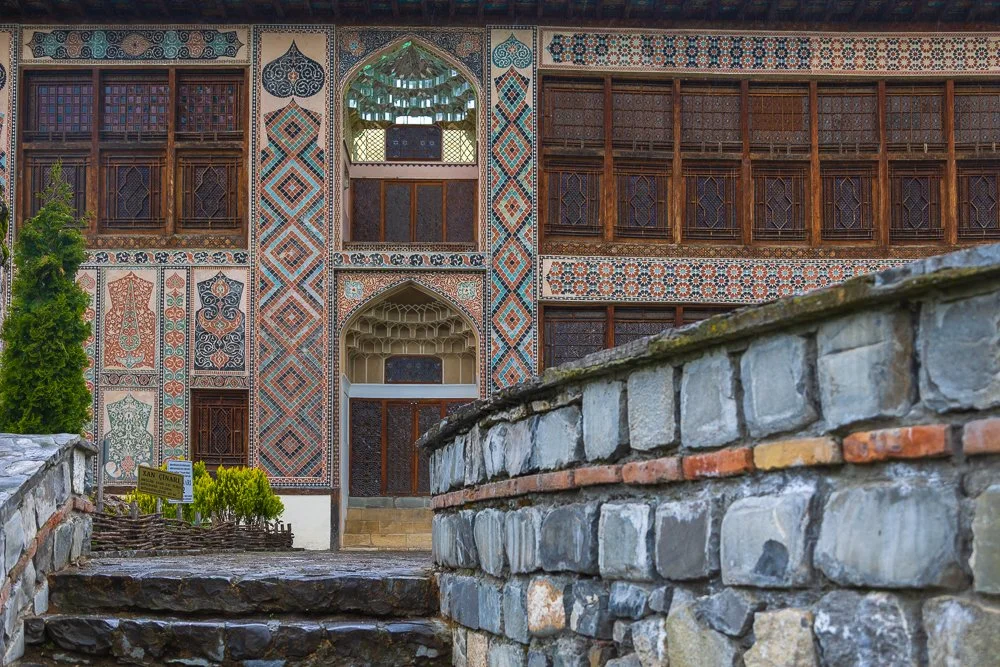
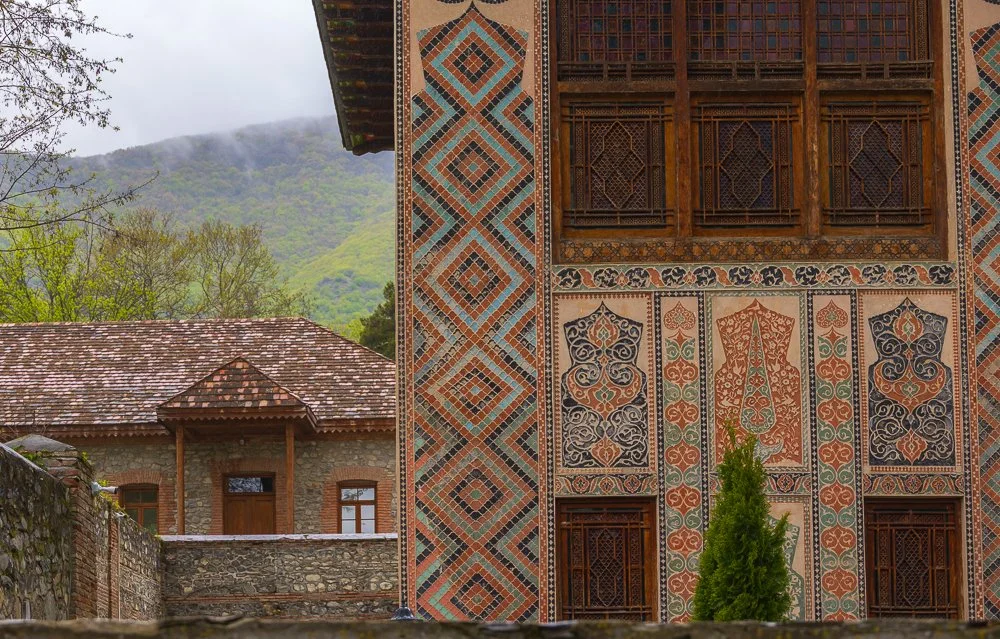
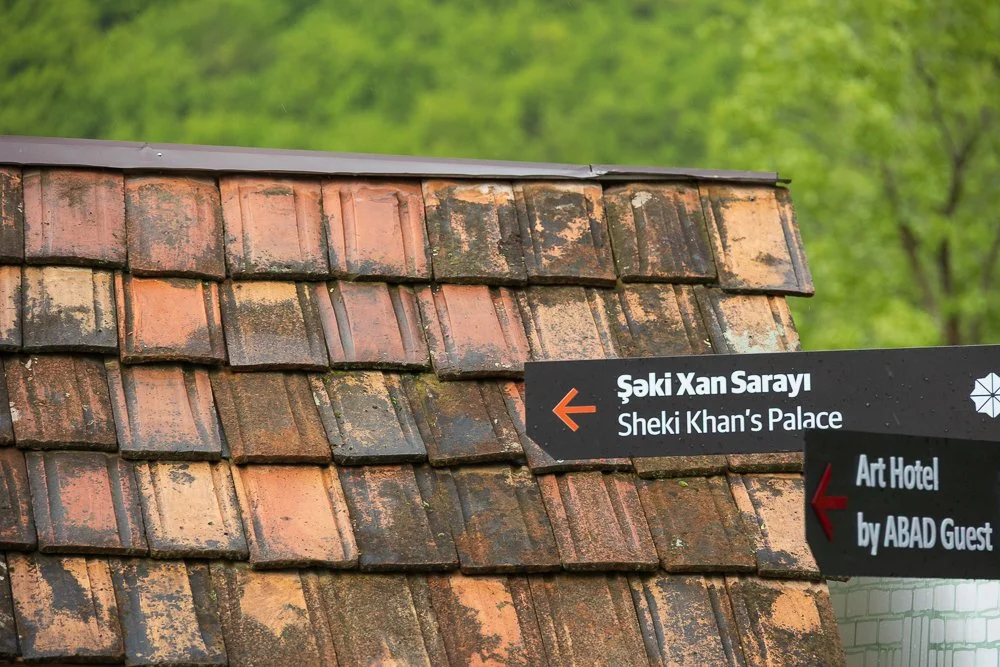
Khan's Palace The Palace of the Sheki Khans dates to the 1760s, ceremonial residence of the rulers of the Sheki Khanate. Photography is not permitted inside, which makes the shebeke windows, intricate stained-glass panels assembled without glue or nails, and the mural-covered walls something you have to simply stand in front of.
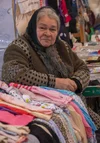
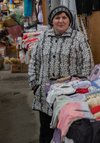
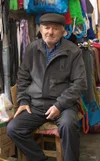
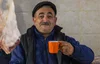
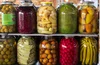
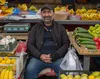
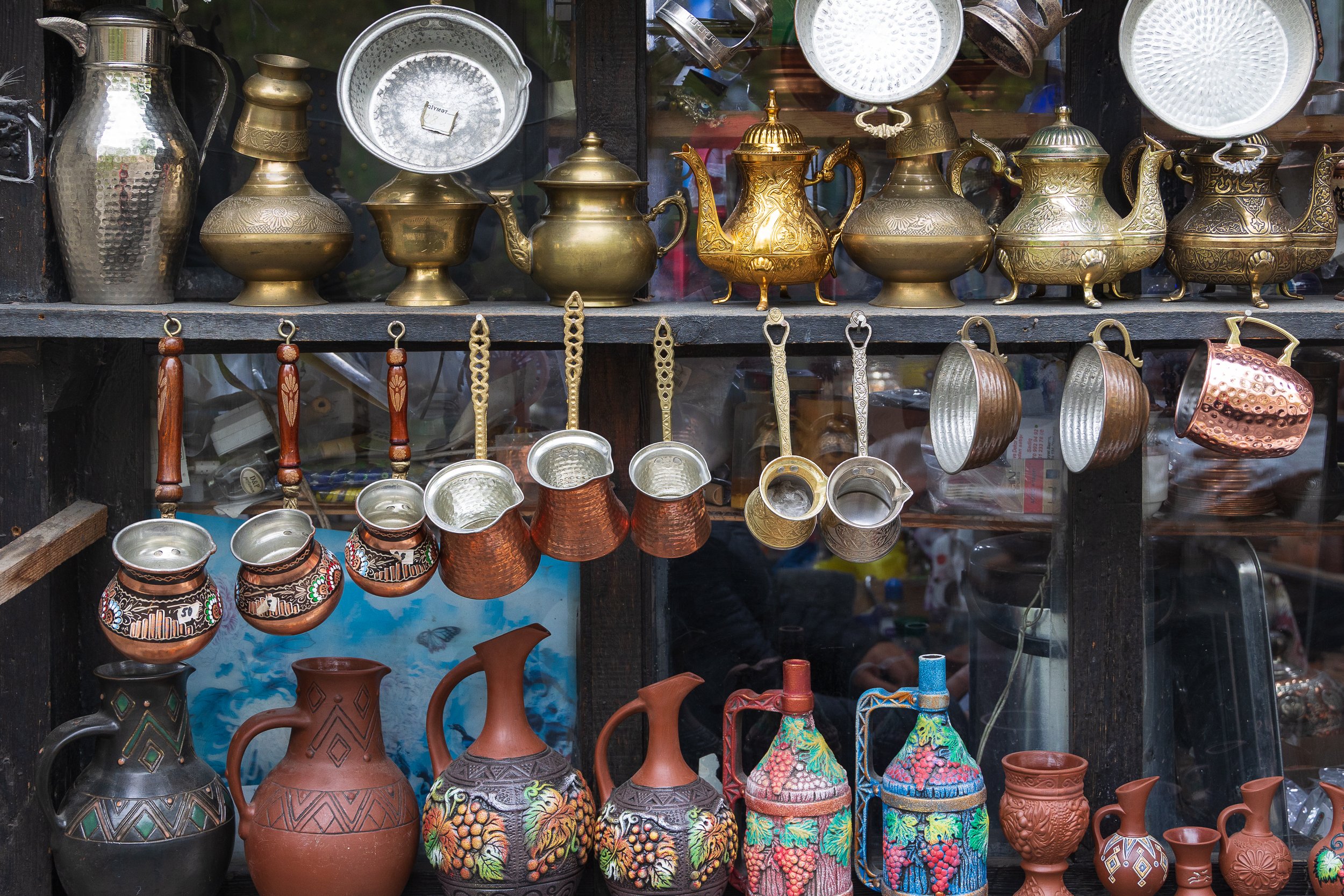
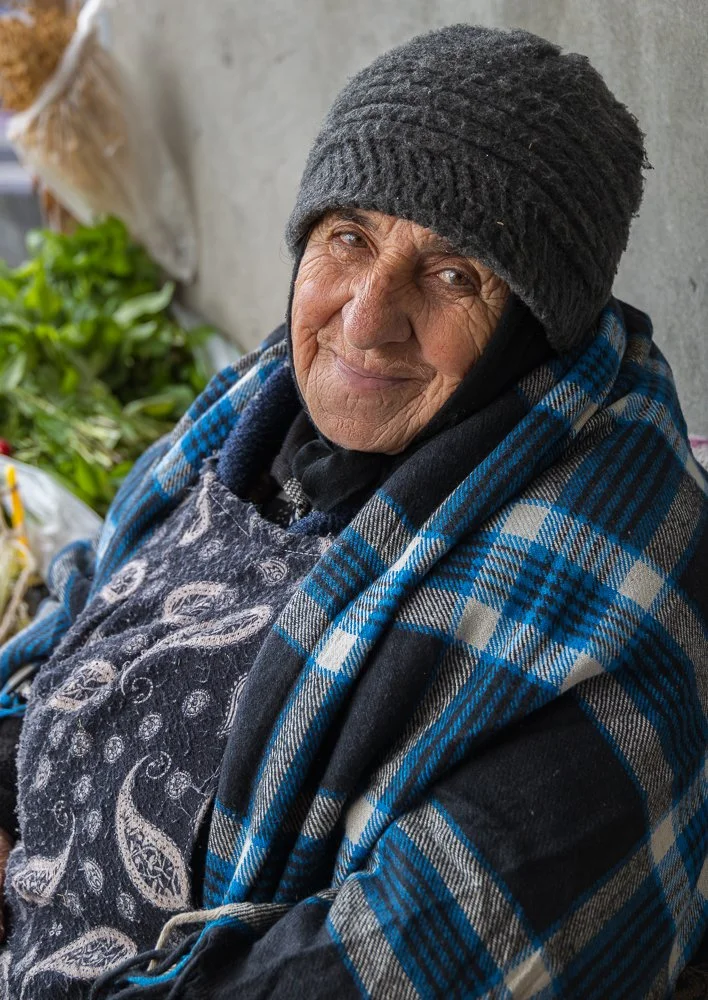
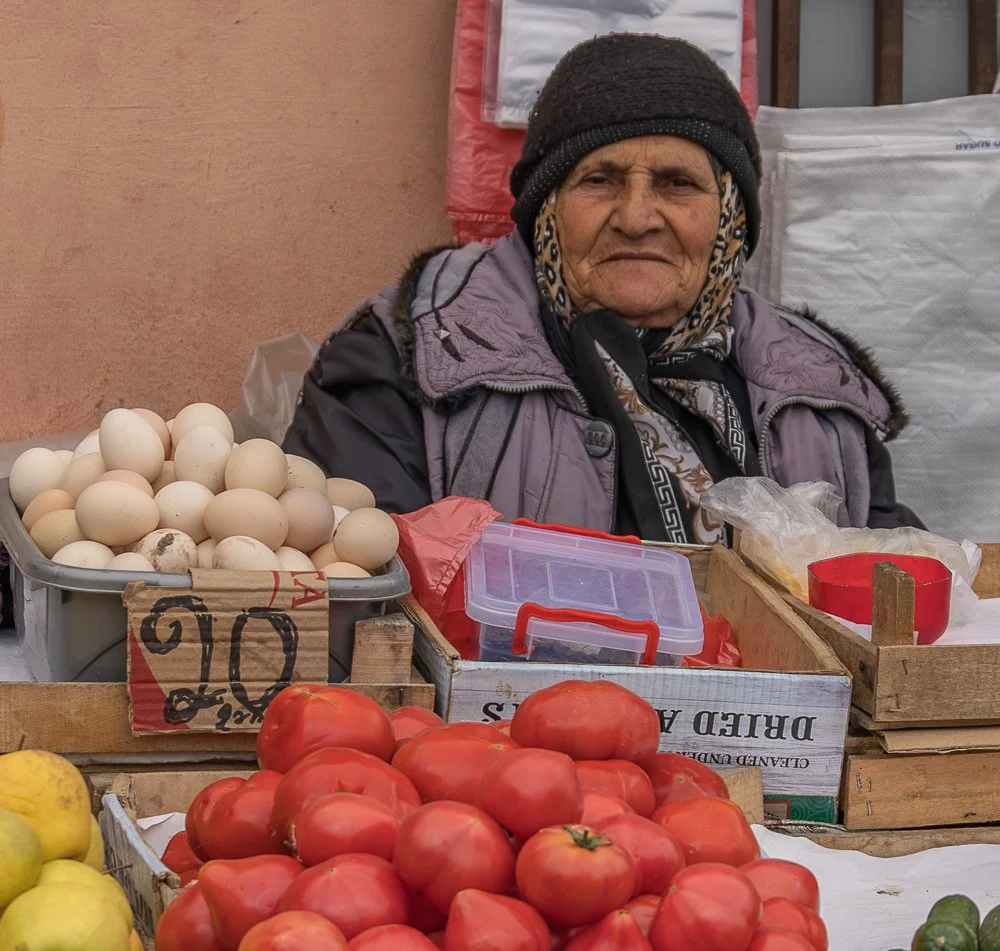
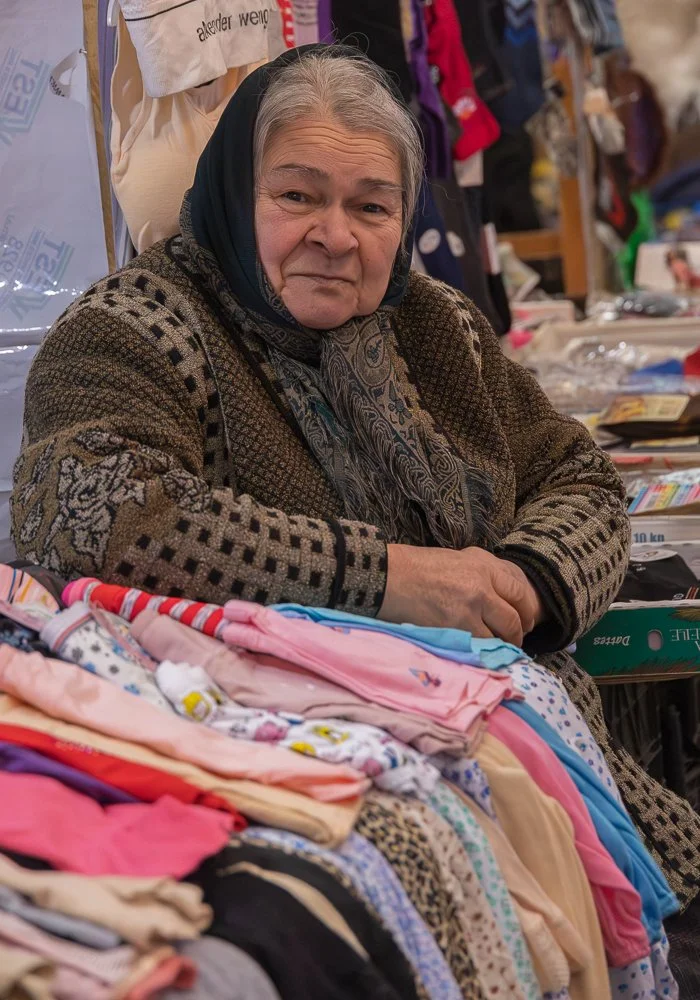
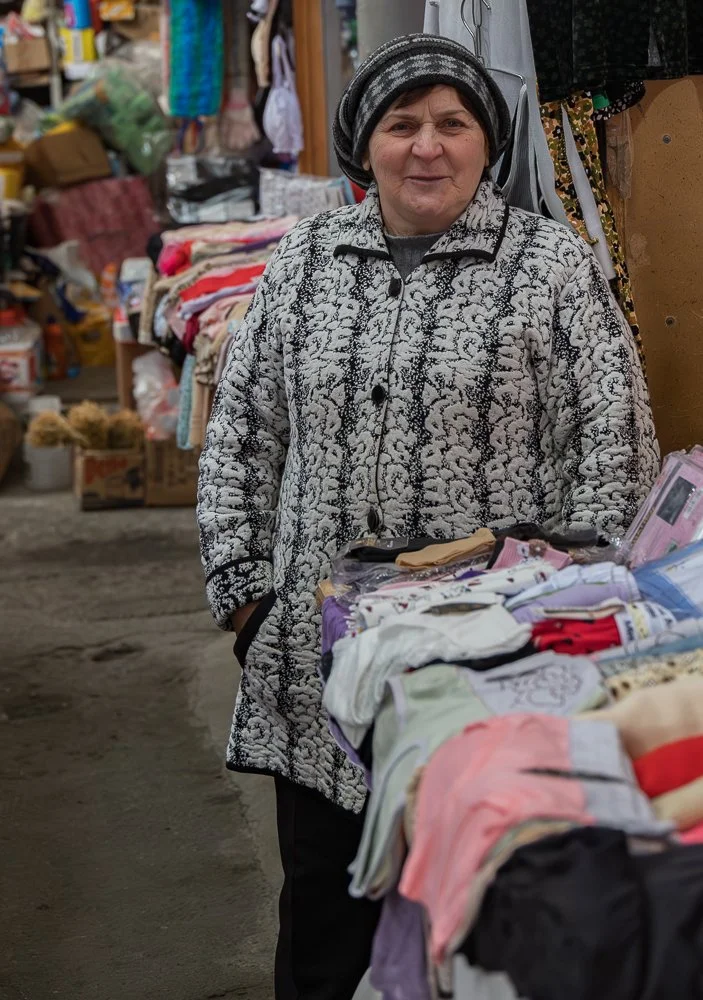
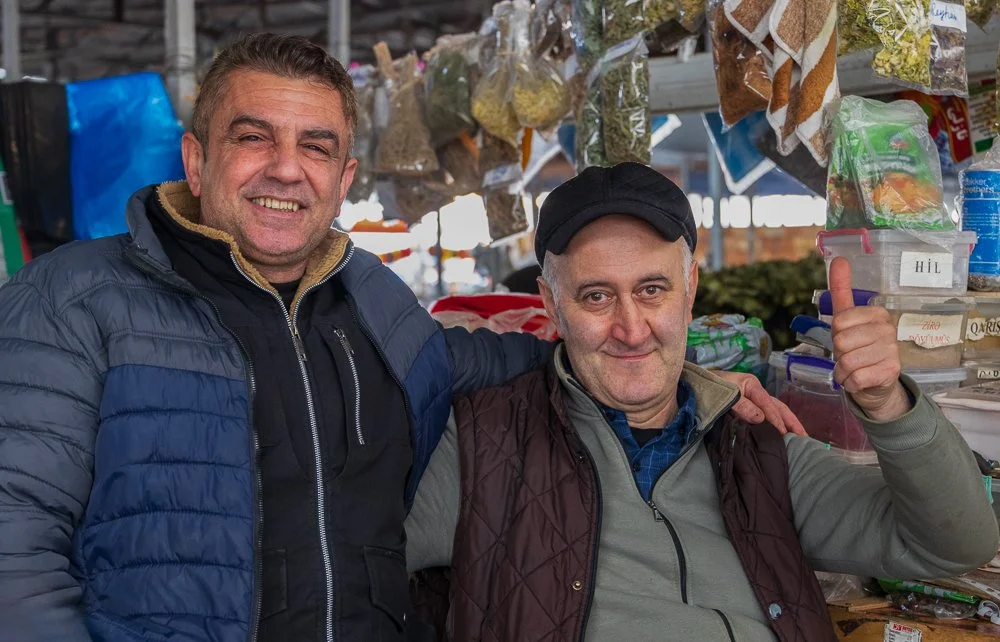
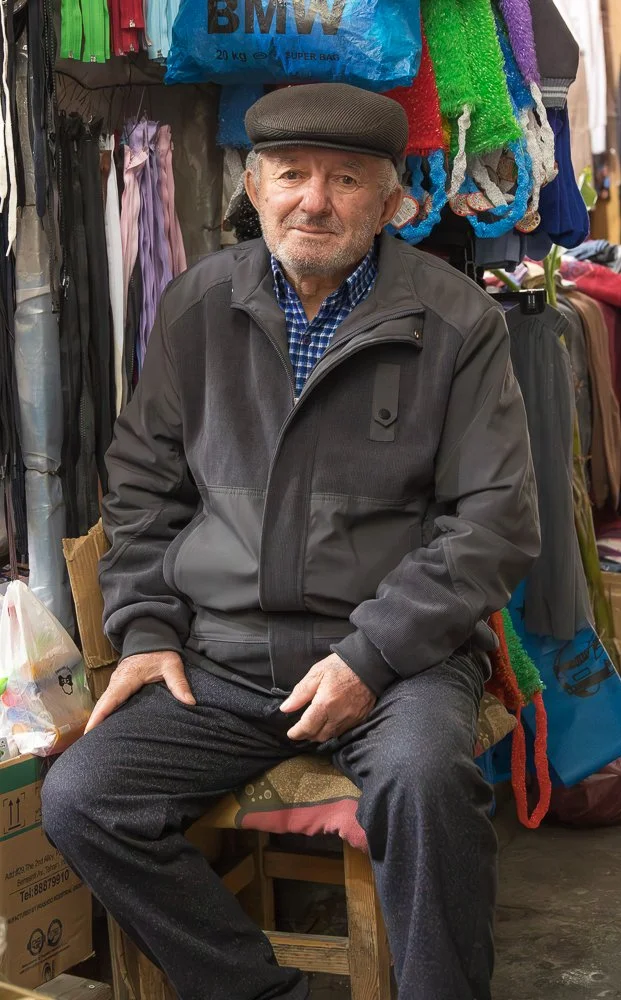
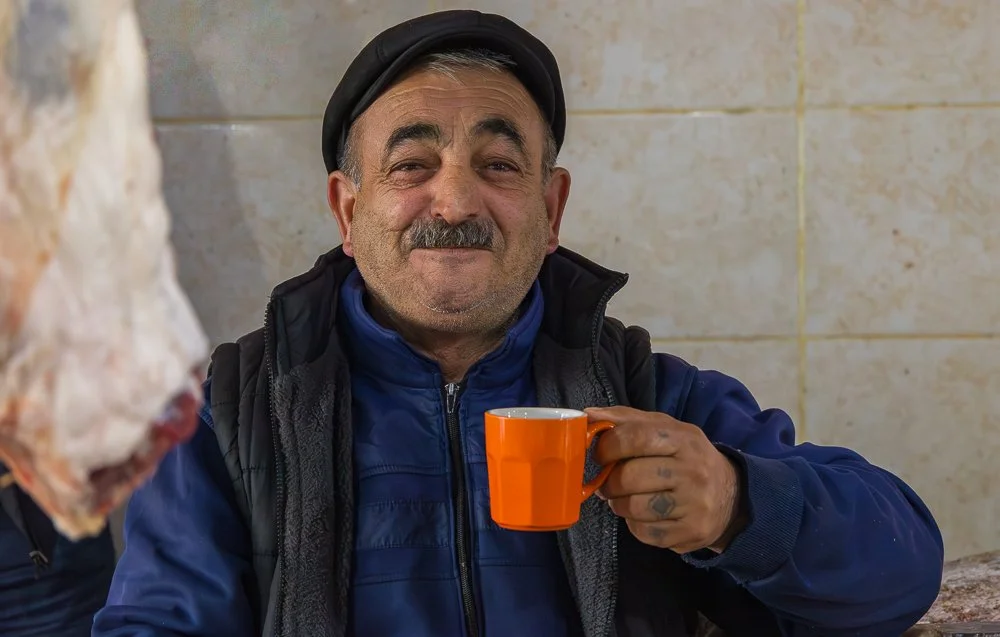
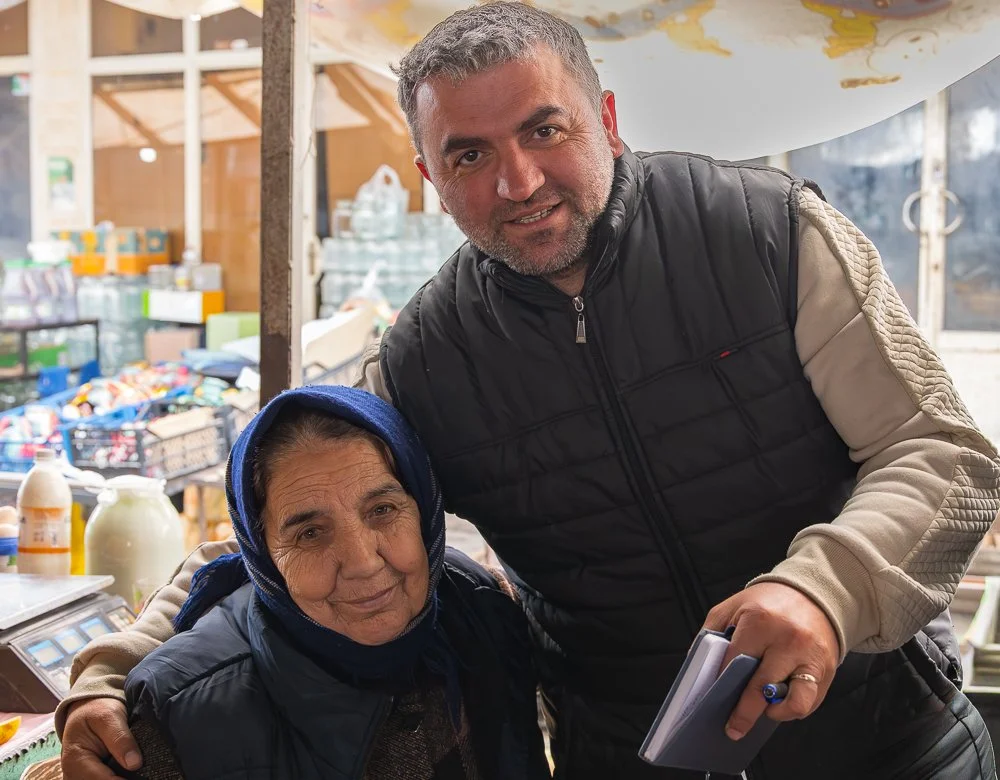
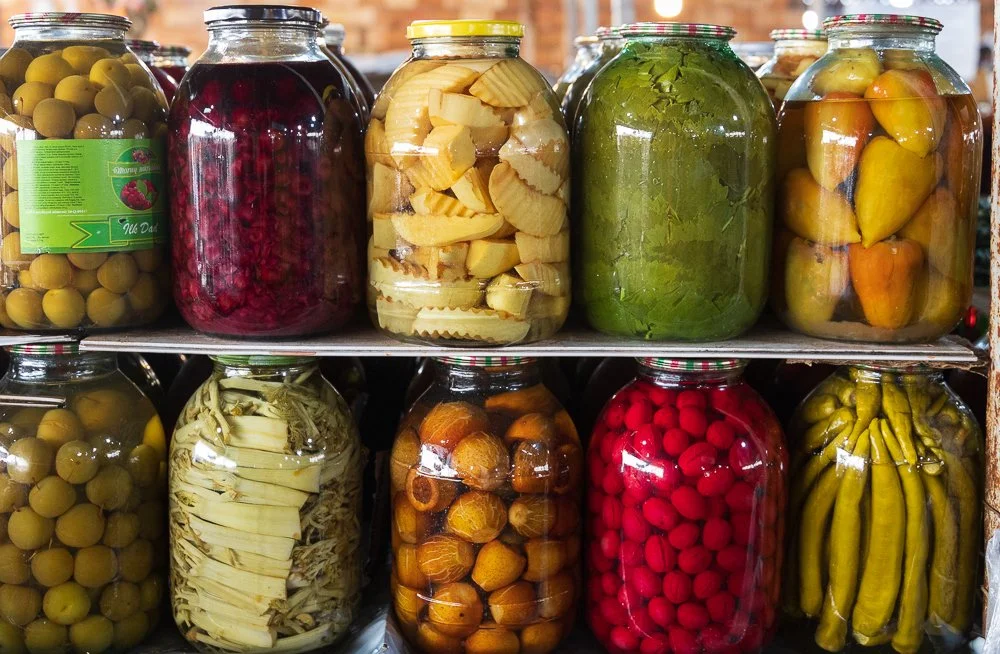
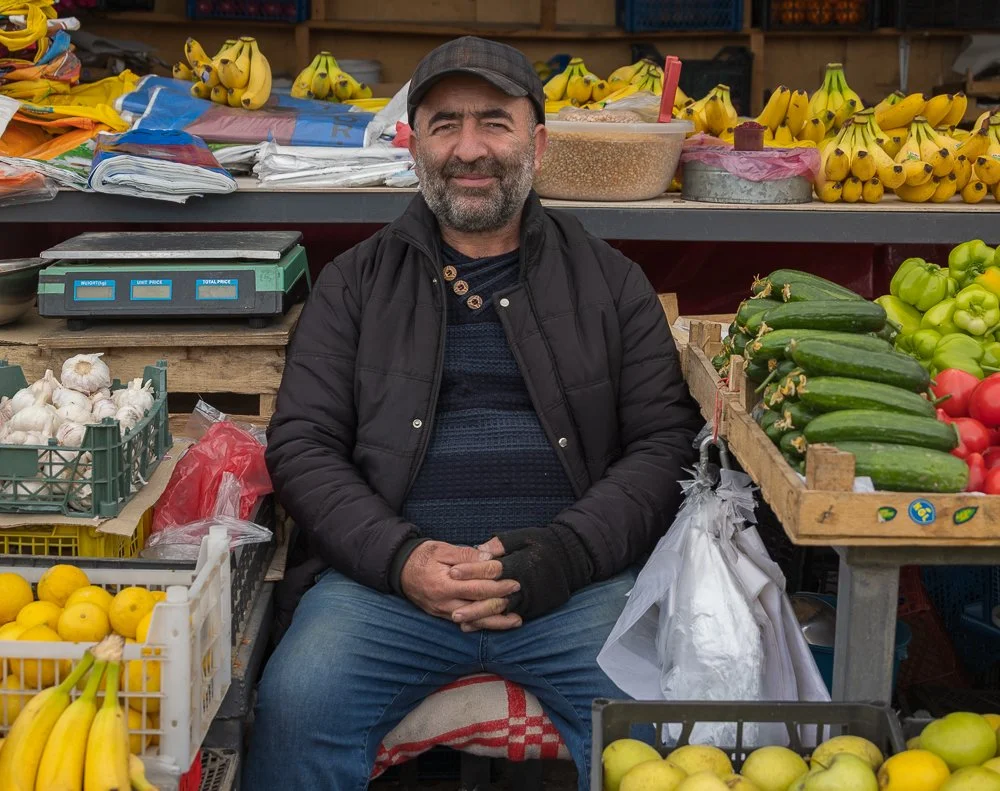
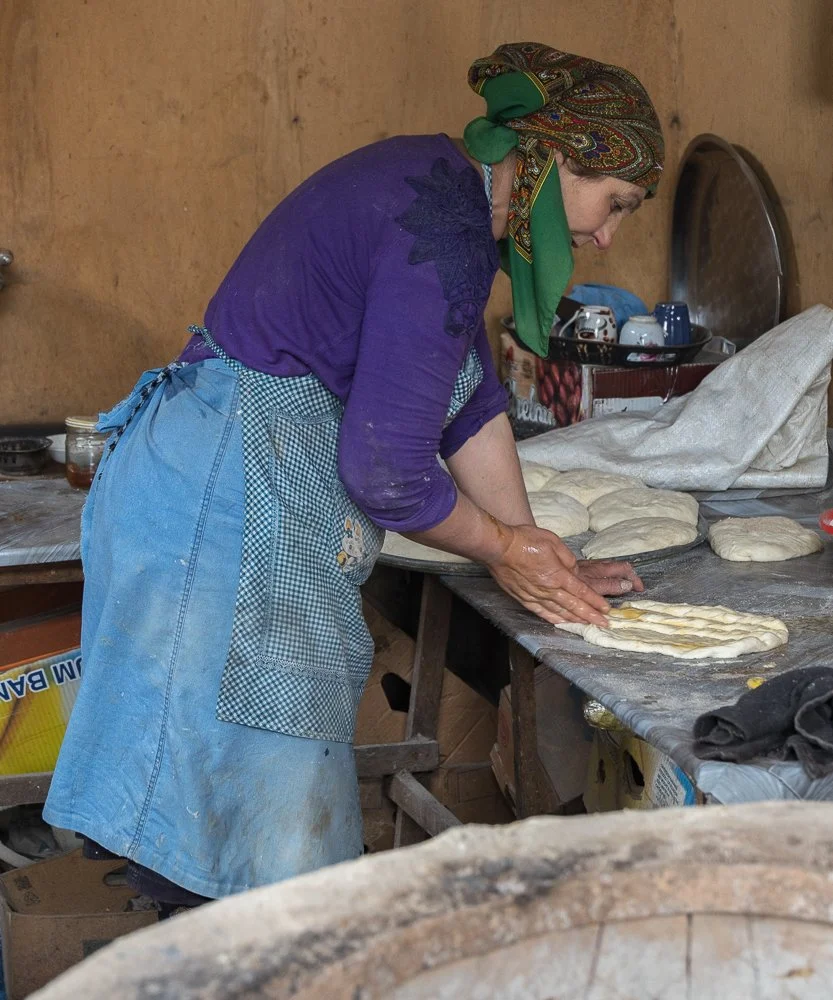
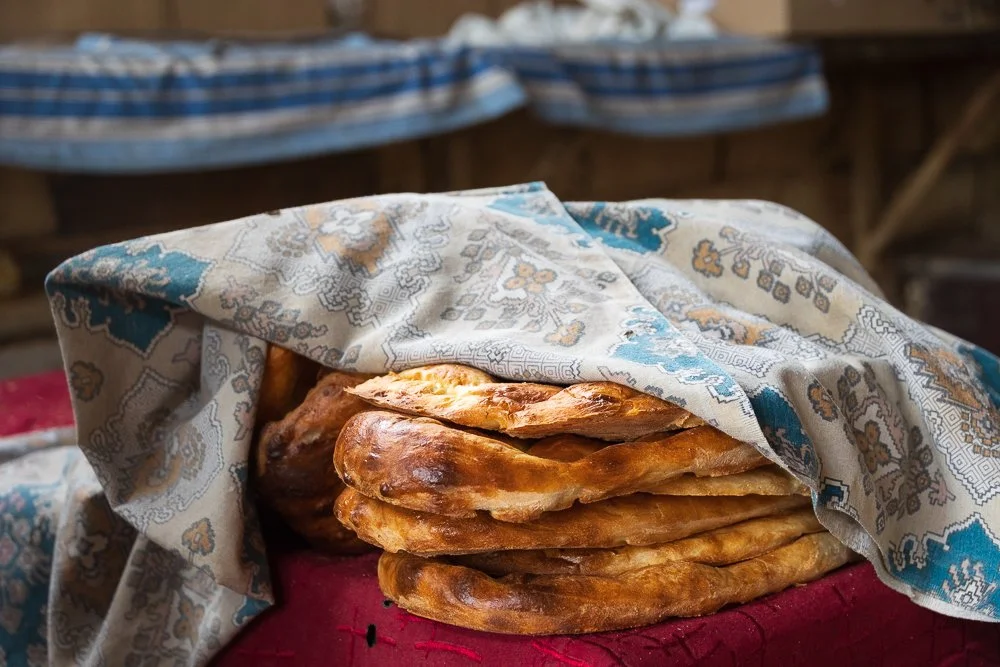
Sheki Market Taza Bazaar on a rainy Tuesday. Covered sections for spices, nuts, meat, and fish; hundreds of vegetable stalls outside; pickled vegetables in jars of every colour. I ask before photographing. The women directed me toward the men. The men asked me to take their photos.
info
/
1
2
3
4
5
6
7
8
9
10
11
12
13
14
15
16
17
18
19
20
21
22
23
24
25
26
27
28
29
30
31
32
33
34
35
36
37
38
39
40
41
42
43
44
45
46
47
48
49
50
51
52
53
54
55
56
57
58
59
60
61
62
63
64
65
66
67
68
69
70
71
72
73
74
75
76
77
78
79
80
81
82
83
84
85
86
87
88
89
90
91
·
·
·
·
·
·
·
·
·
·
·
·
·
·
·
·
·
·
·
·
·
·
·
·
·
·
·
·
·
·
·
·
·
·
·
·
·
·
·
·
·
·
·
·
·
·
·
·
·
·
·
·
·
·
·
·
·
·
·
·
·
·
·
·
·
·
·
·
·
·
·
·
·
·
·
·
·
·
·
·
·
·
·
·
·
·
·
·
·
·
·