Armenia April 2026
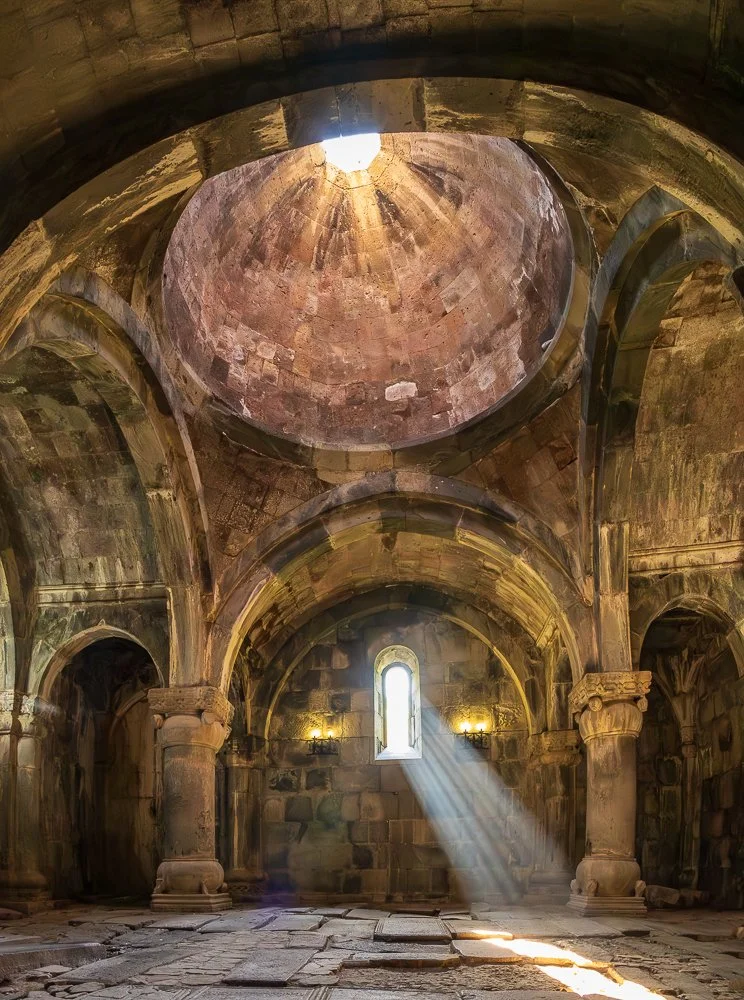
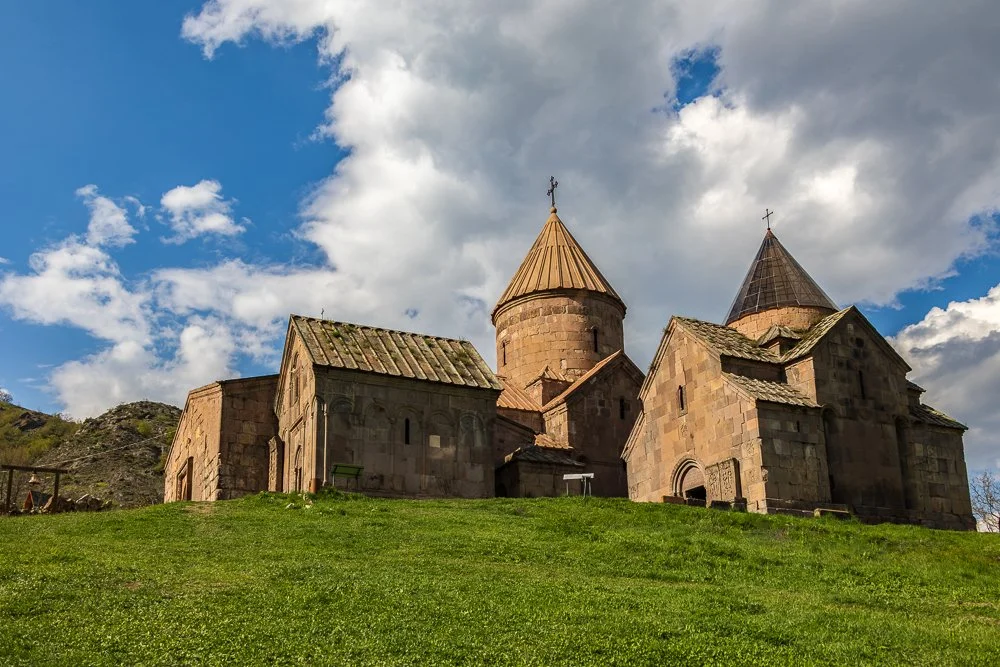
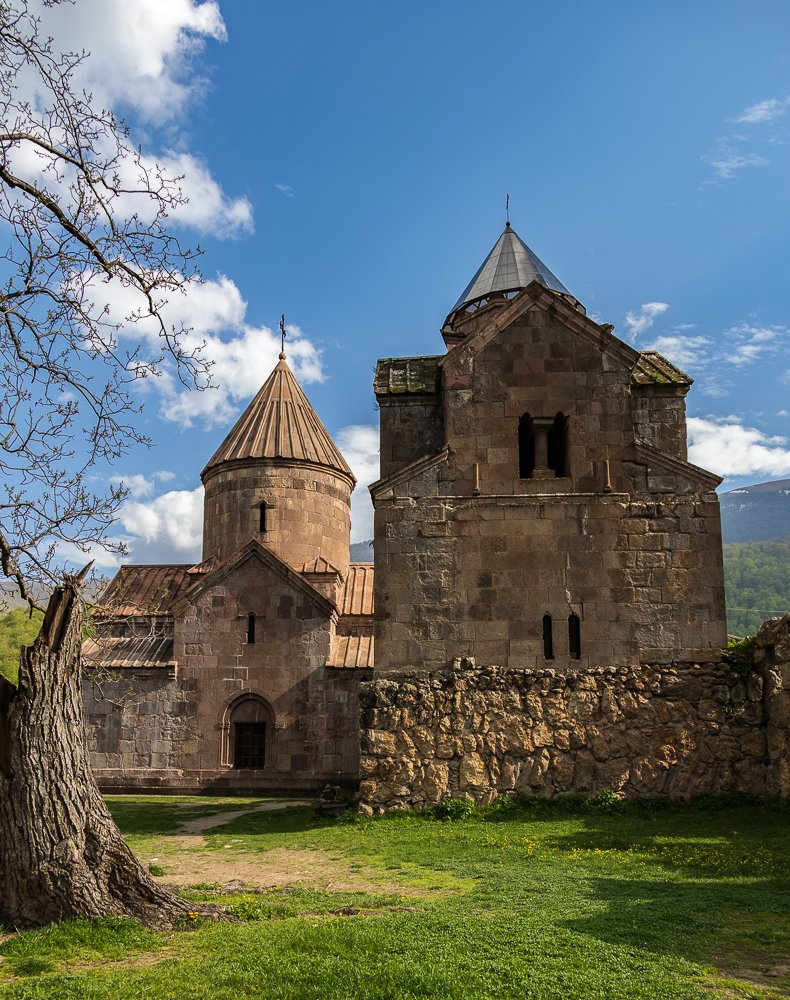
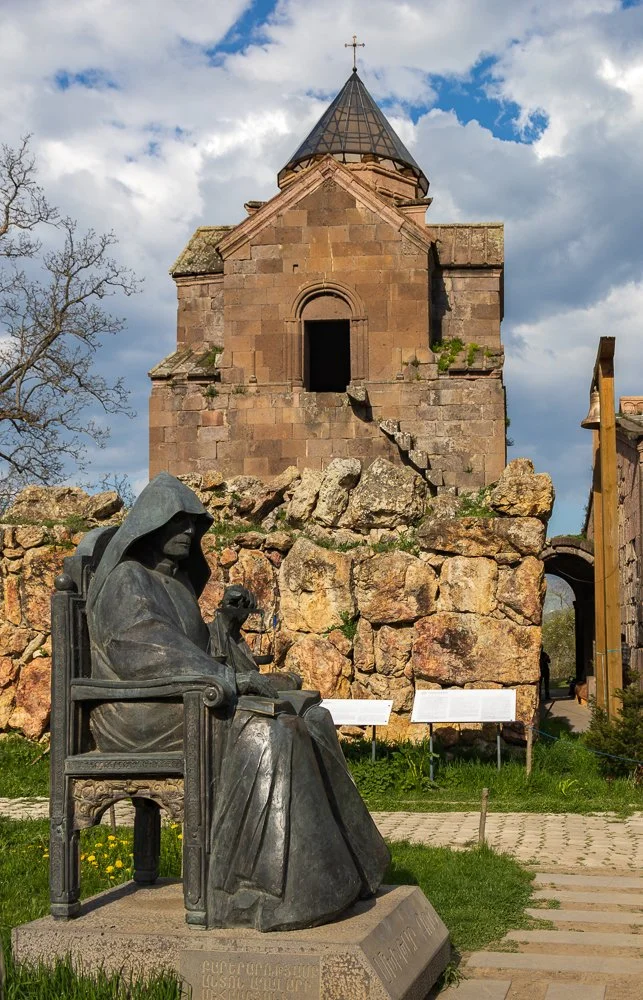
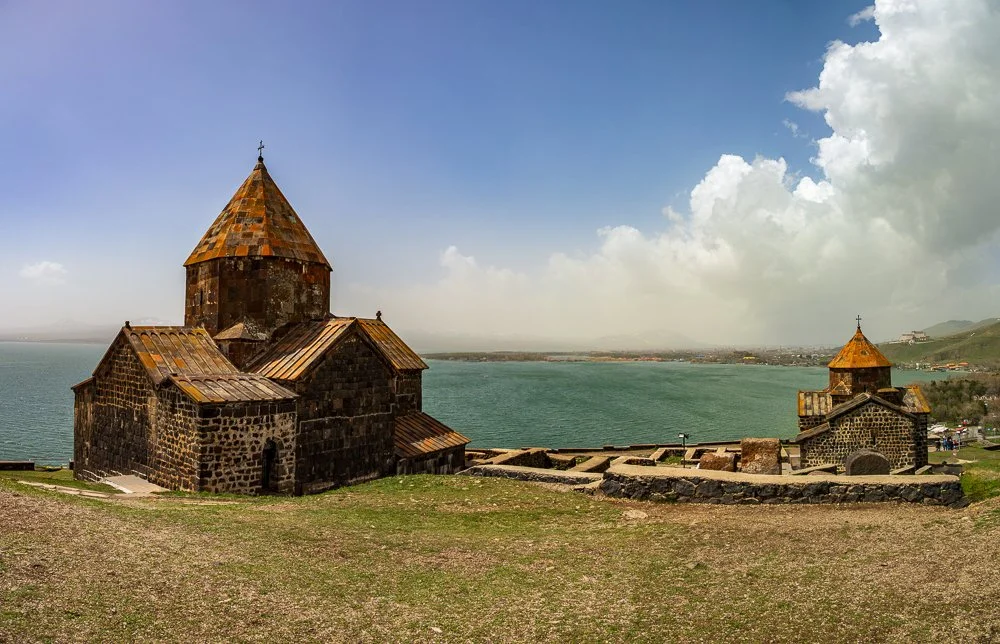
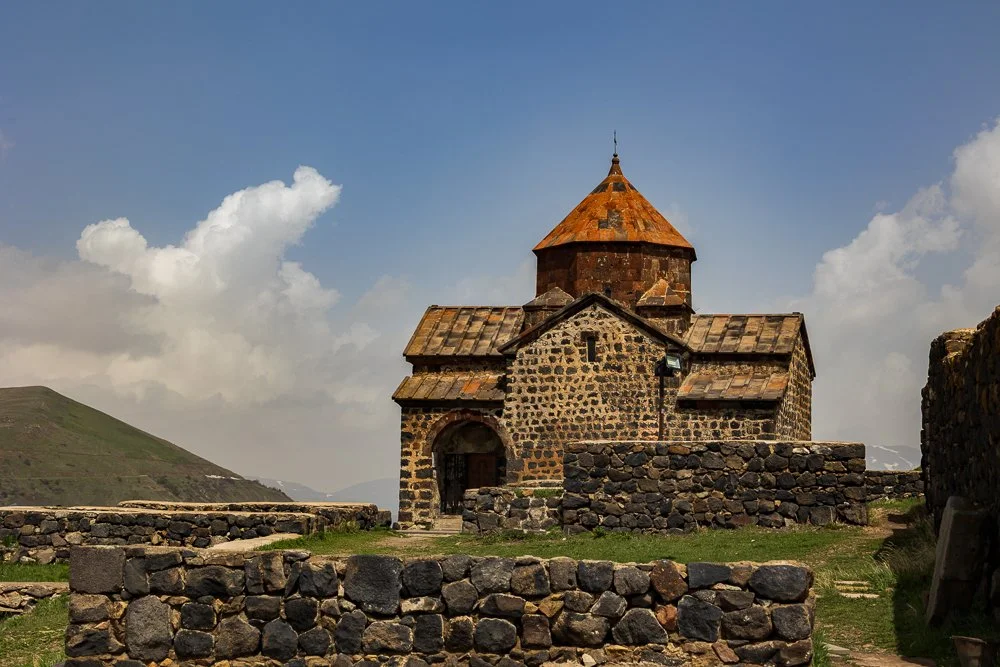
I came for the monasteries, and there were more than I had imagined. Armenia was the first country in the world to adopt Christianity as a state religion, in 301 AD, and within hours of crossing the border I understood I had underestimated what that actually means here. On forested ridges, above deep canyons, carved into cliffs, perched beside lakes. Seven monasteries in five days in the north alone, four of them UNESCO World Heritage sites, and I was just getting started.
Armenia was the first country in the world to adopt Christianity as a state religion, in 301 AD, and within hours of crossing the border I understood I had underestimated what that actually means here. Monasteries are everywhere: on forested ridges, above deep canyons, carved into cliffs. I came for them. I was not disappointed.
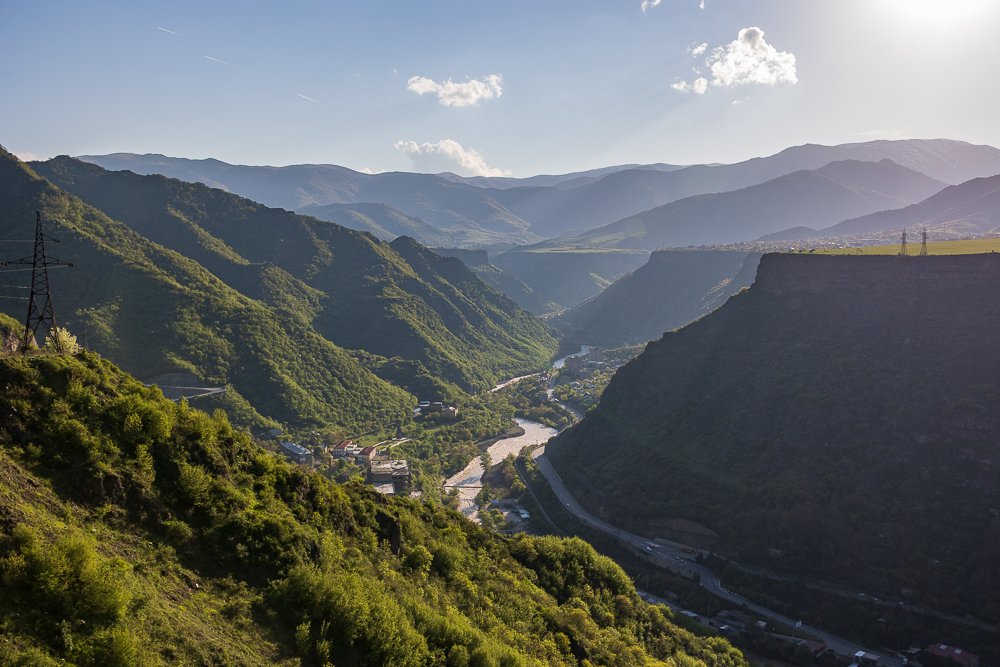
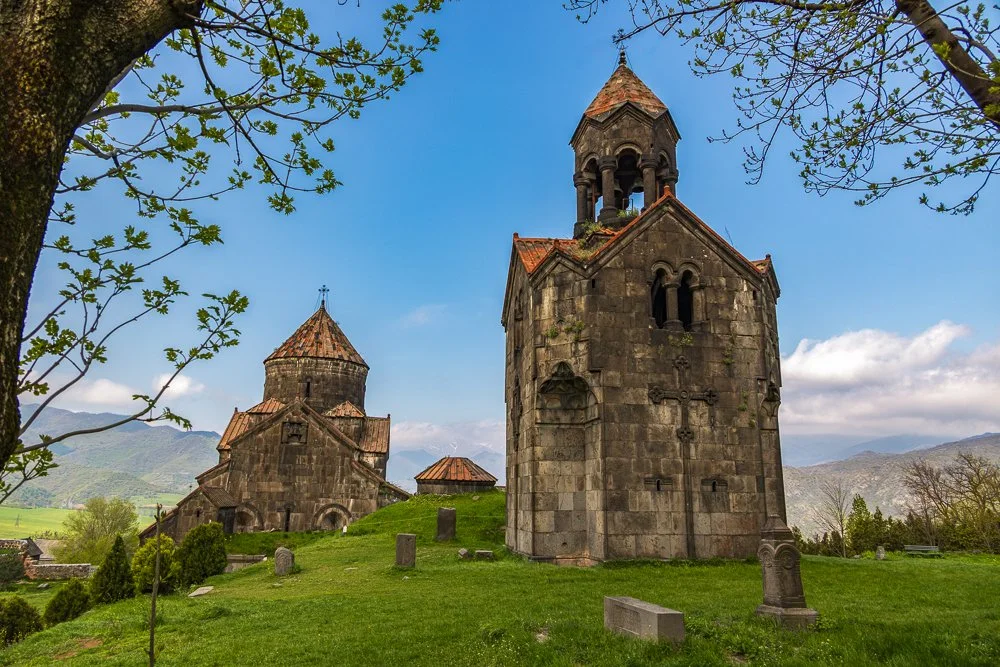
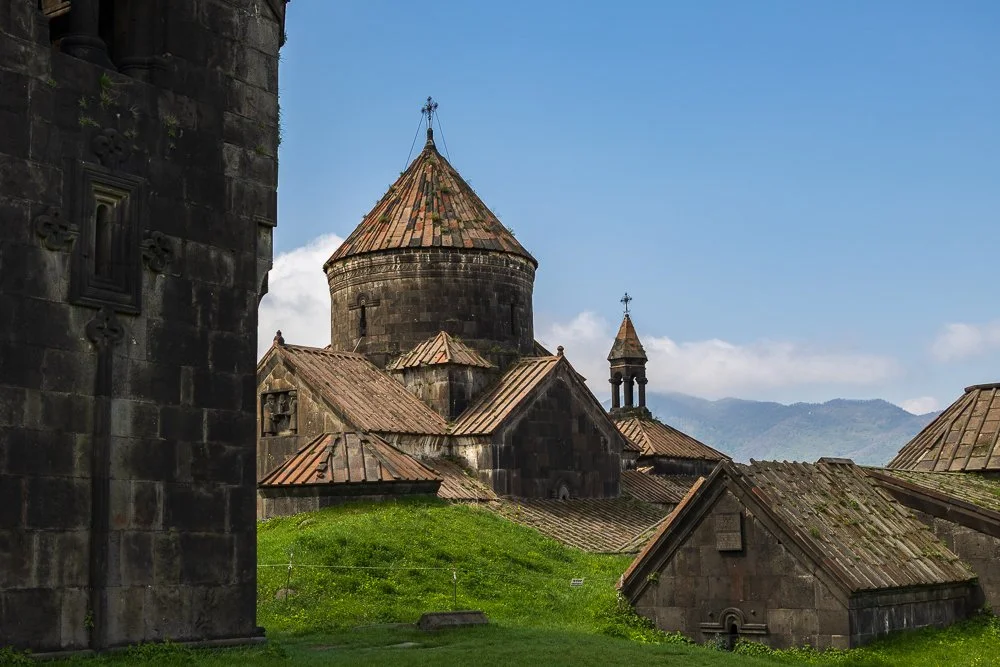
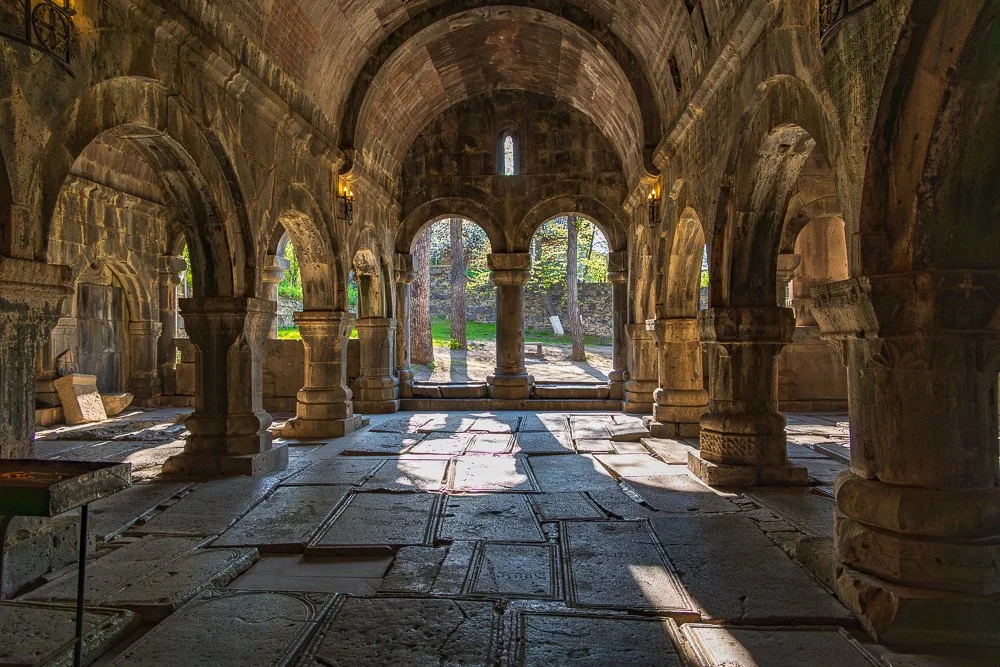
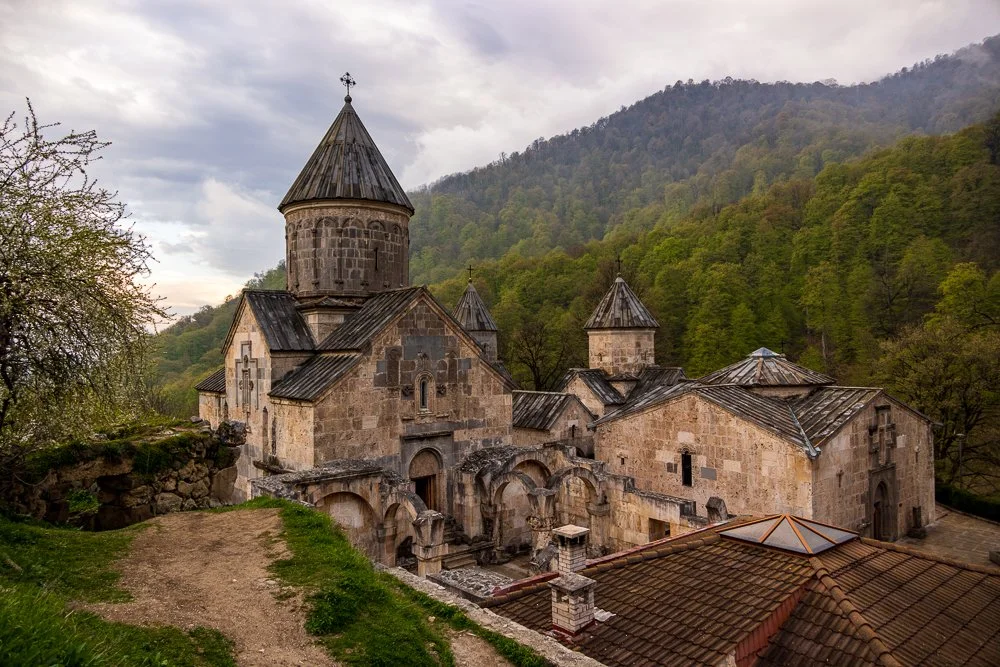
At its peak Haghpat Monastery housed over 500 monks with a famous library and schools of grammar, philosophy, theology, music, and medicine. It was the exterior I couldn't stop photographing: the defensive walls, the bell tower, the stone roofs. I wandered around and around. This was the quintessential monastery, exactly what I had come to Armenia to find.
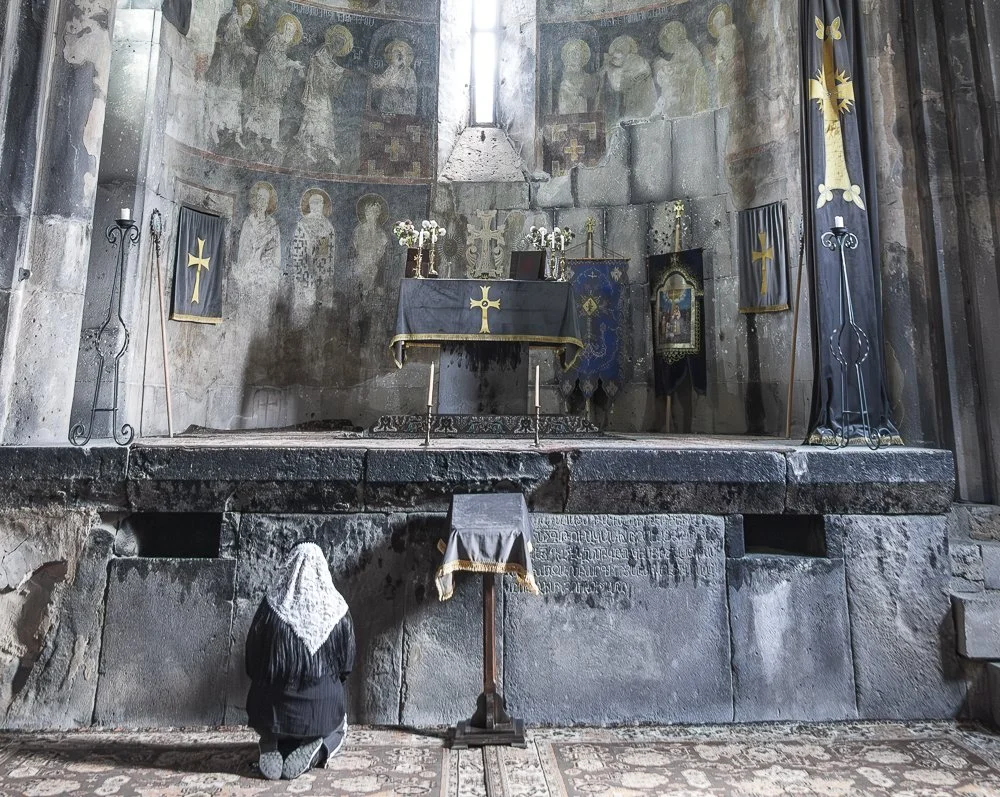
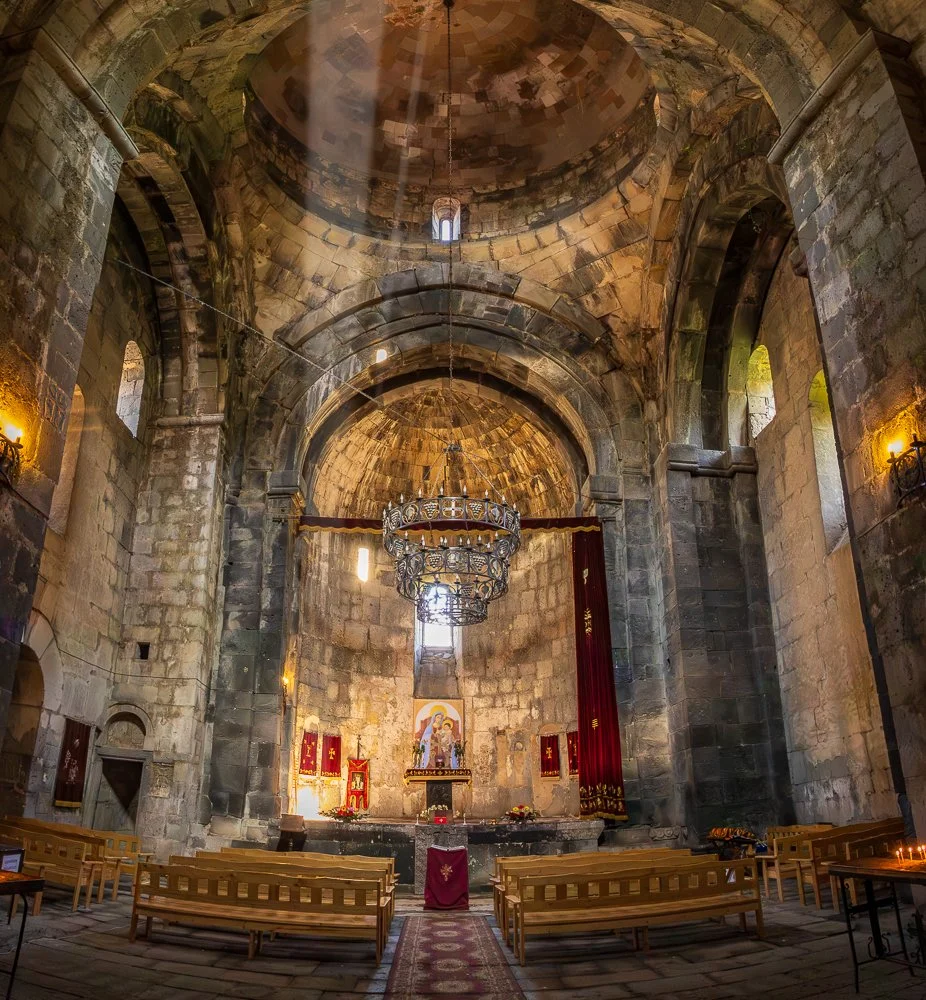
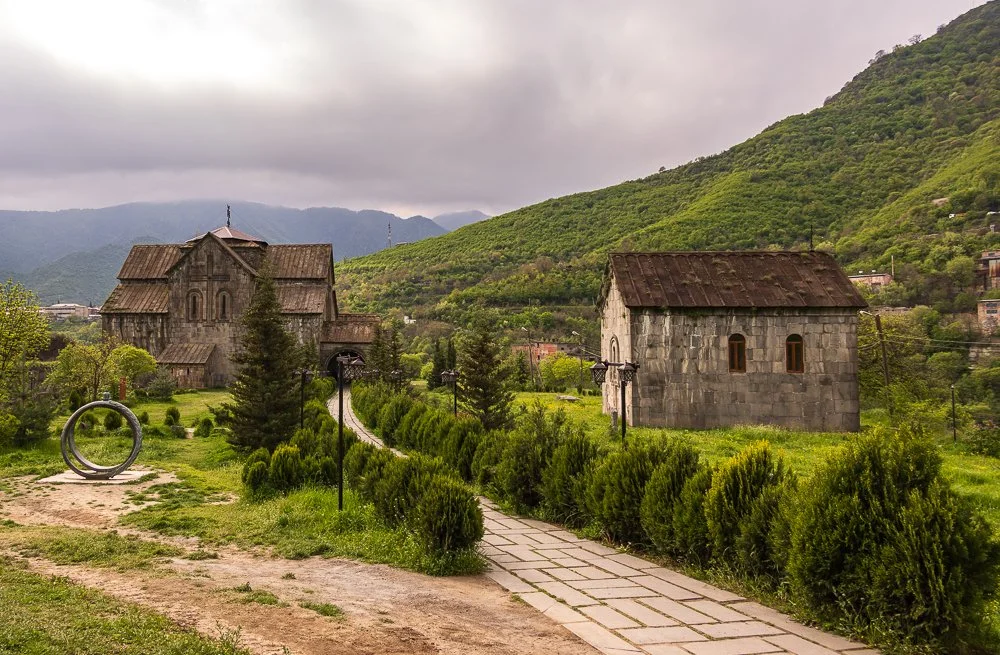
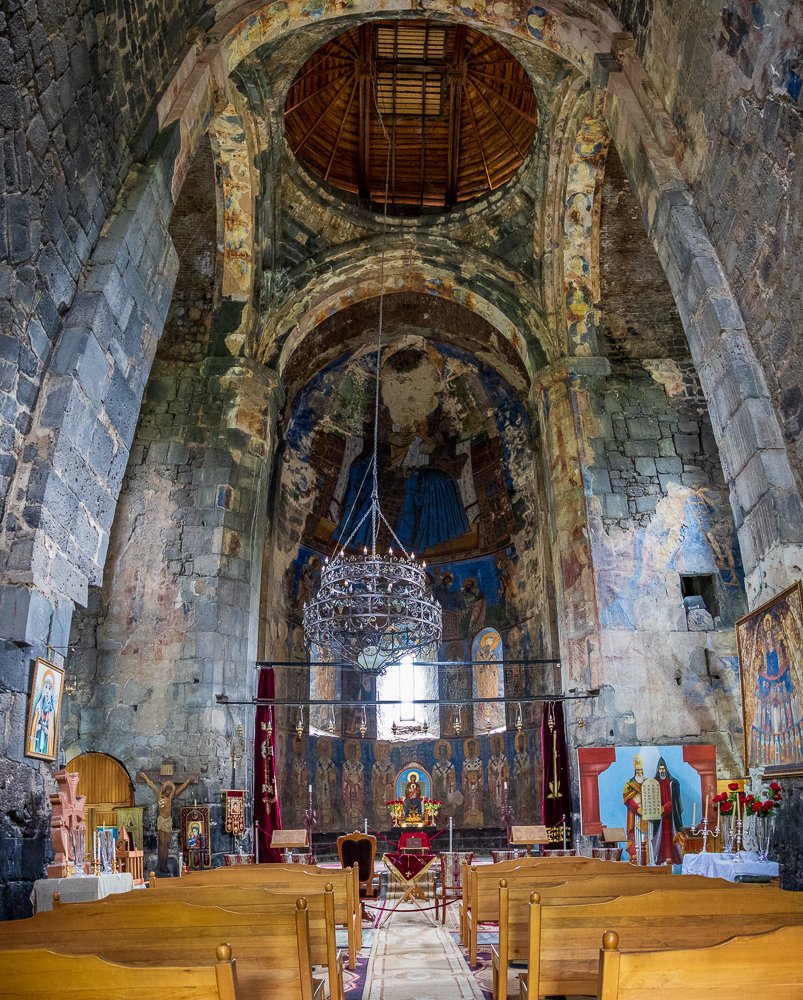
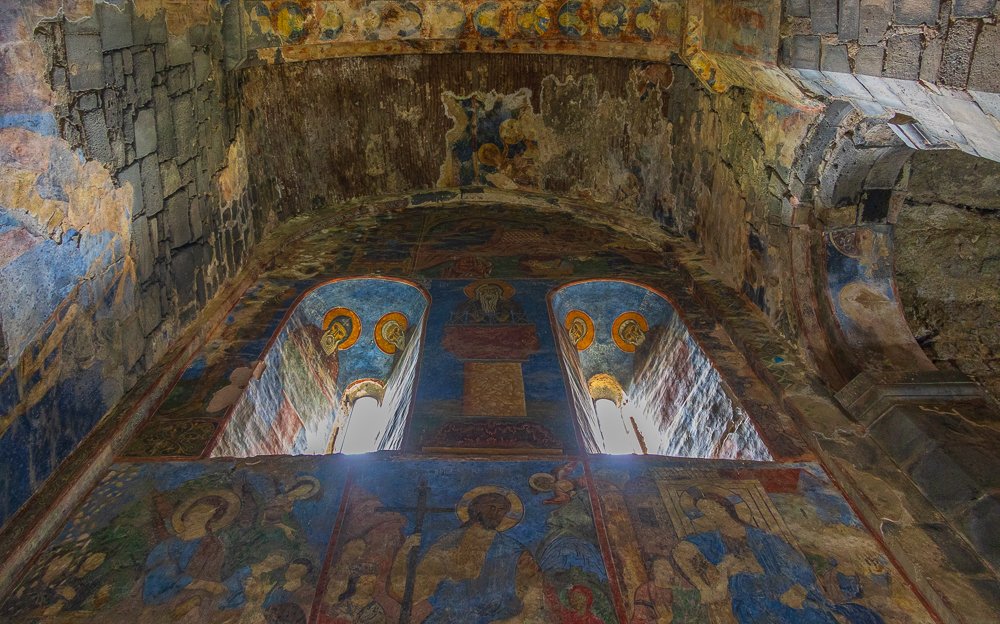
Akhtala Monastery began as a defensive fortress before becoming a religious centre, set on a plateau above a river and partially surrounded by old fortress walls. Its 13th-century frescoes cover much of the interior, something rare in Armenian churches, blending Armenian and Georgian architectural styles.
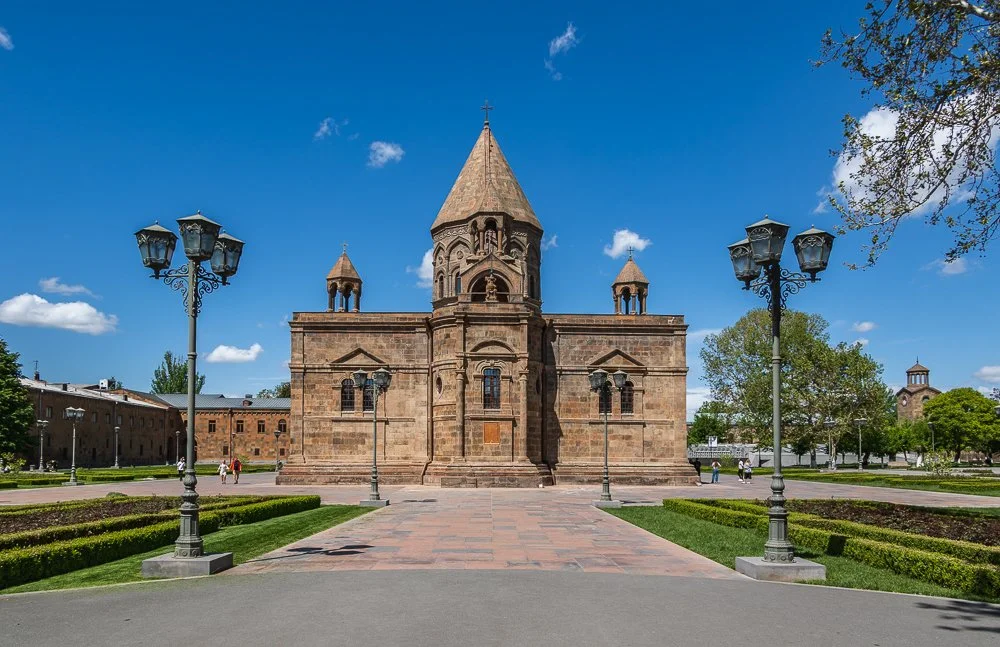
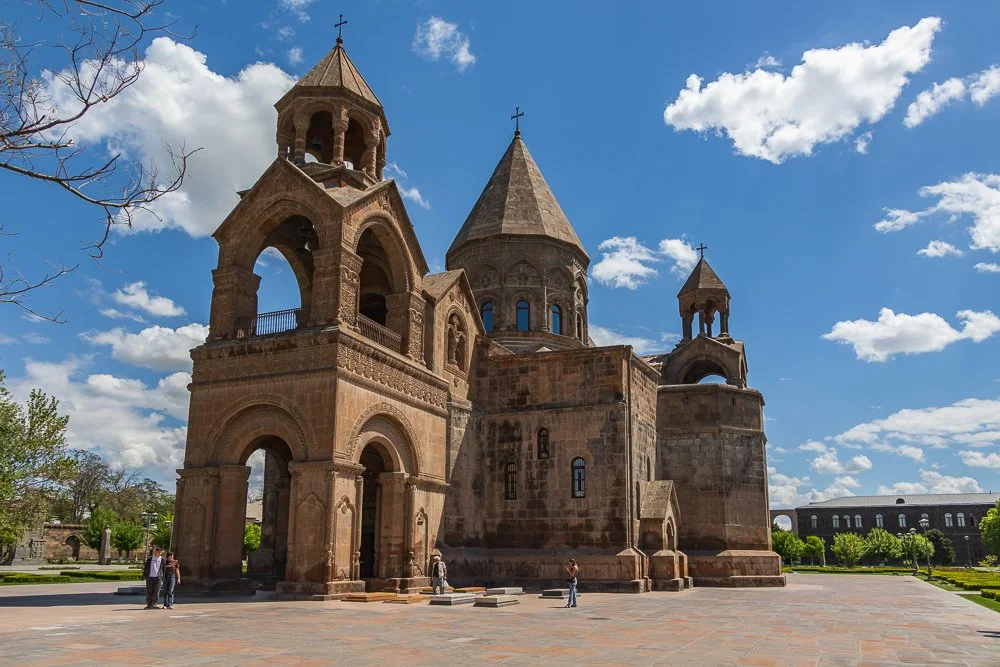
Etchmiadzin Mother Cathedral is sometimes called the Vatican of Armenia, on a considerably smaller scale but with the same weight. This is the mother church of the Armenian Apostolic Church, founded around 301–303 AD just after Armenia became the first Christian nation. The complex includes the cathedral, the Catholicos's residence, monastic buildings, a theological seminary, and several museums.
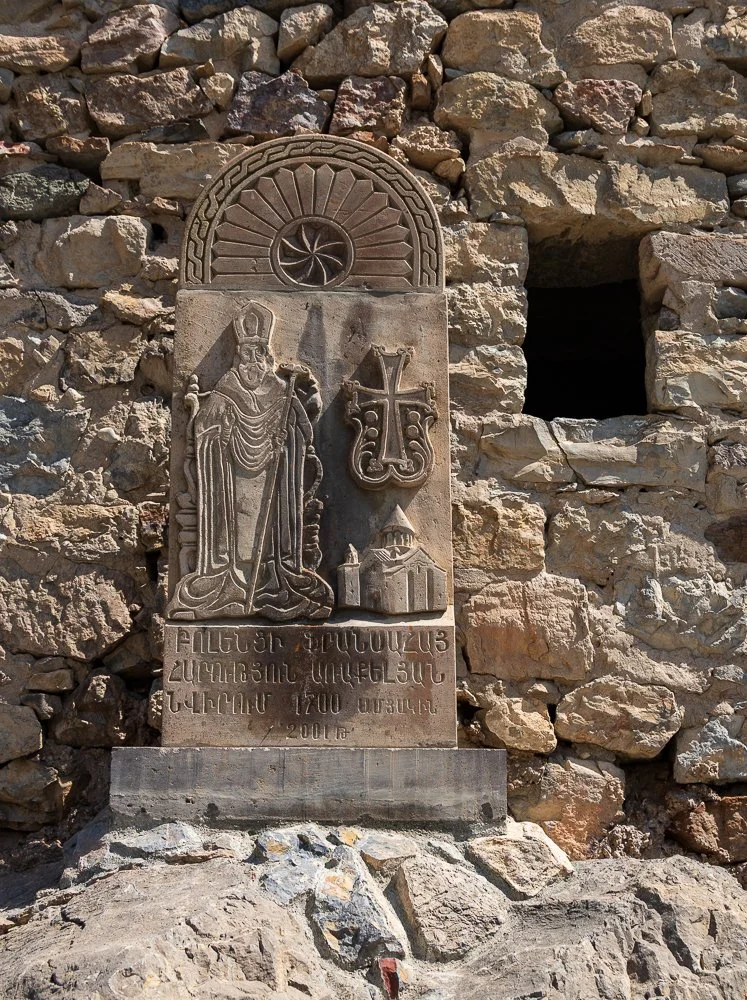
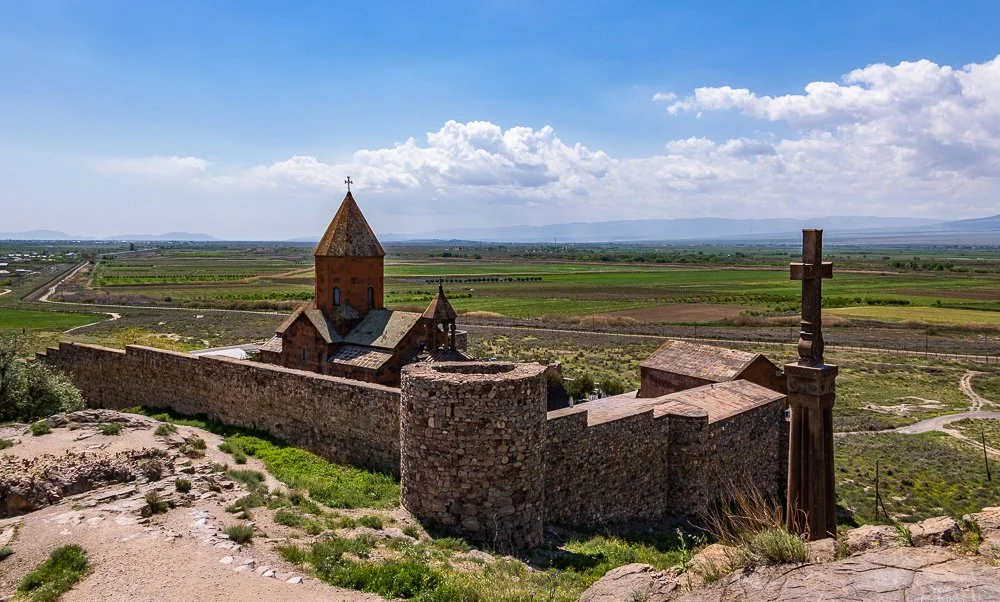
Khor Virap Monastery sits at the foot of Mount Ararat, directly against the closed Turkish border. The name means "deep dungeon." Saint Gregory the Illuminator was thrown into a pit here for refusing to renounce his faith and stayed there for thirteen years, kept alive by a Christian woman who lowered bread down to him. Eventually the king fell ill, Gregory healed him, the king converted, and Armenia became the first Christian nation on earth.
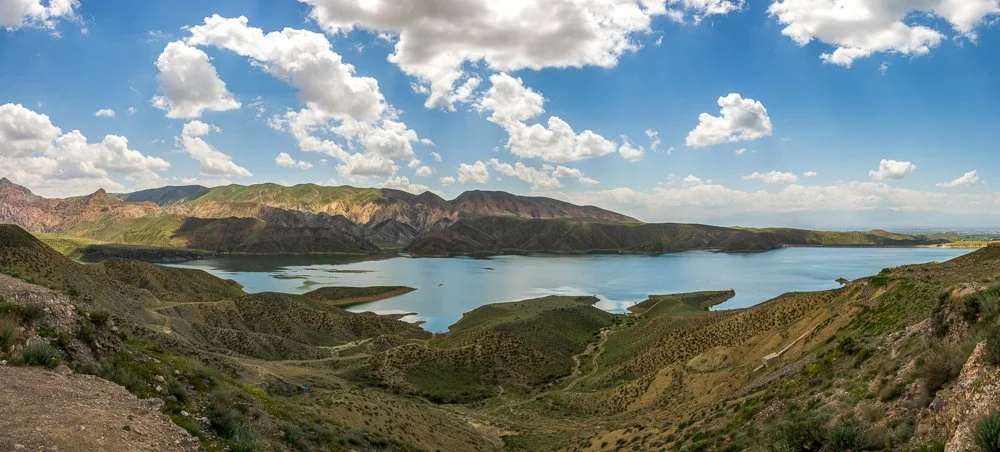
Azat Reservoir: Sitting at 1,050 metres above sea level in the basalt-walled gorge south of Yerevan. Built in 1976 to irrigate the Ararat Valley, it now serves a quieter second purpose: a place of stillness, dramatic cliffs, and water that holds the colour of the sky. Covering 2.85 square kilometres and holding 70 million cubic metres of water.
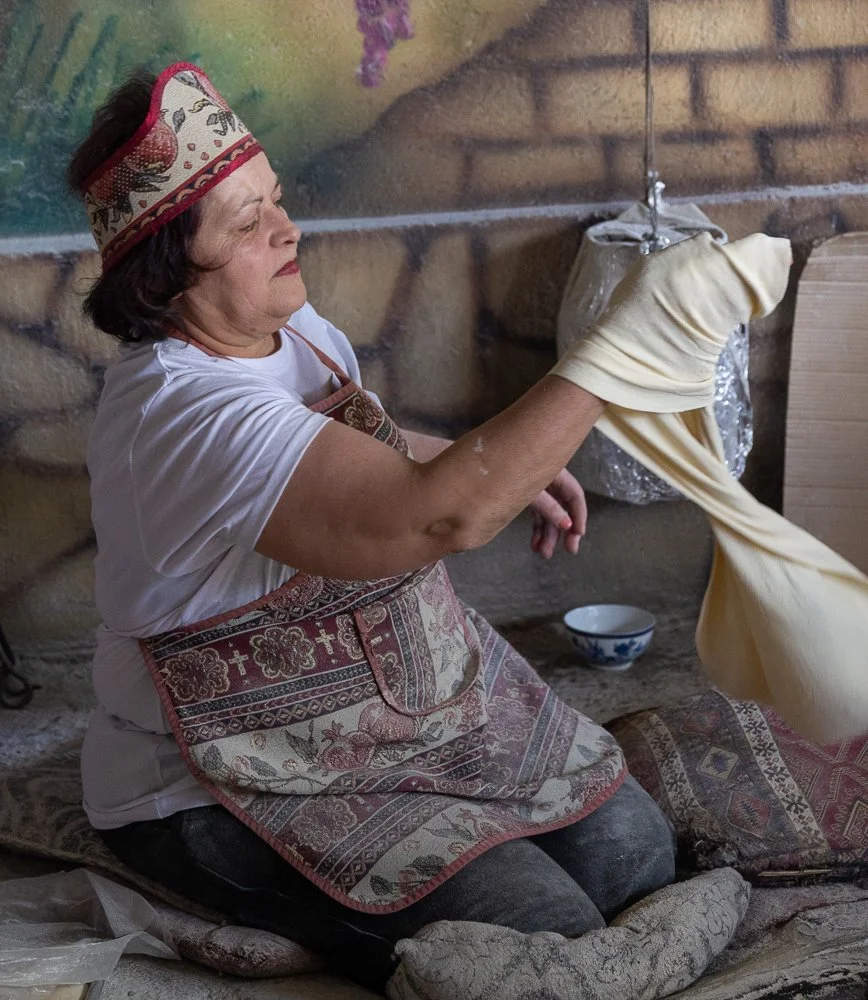
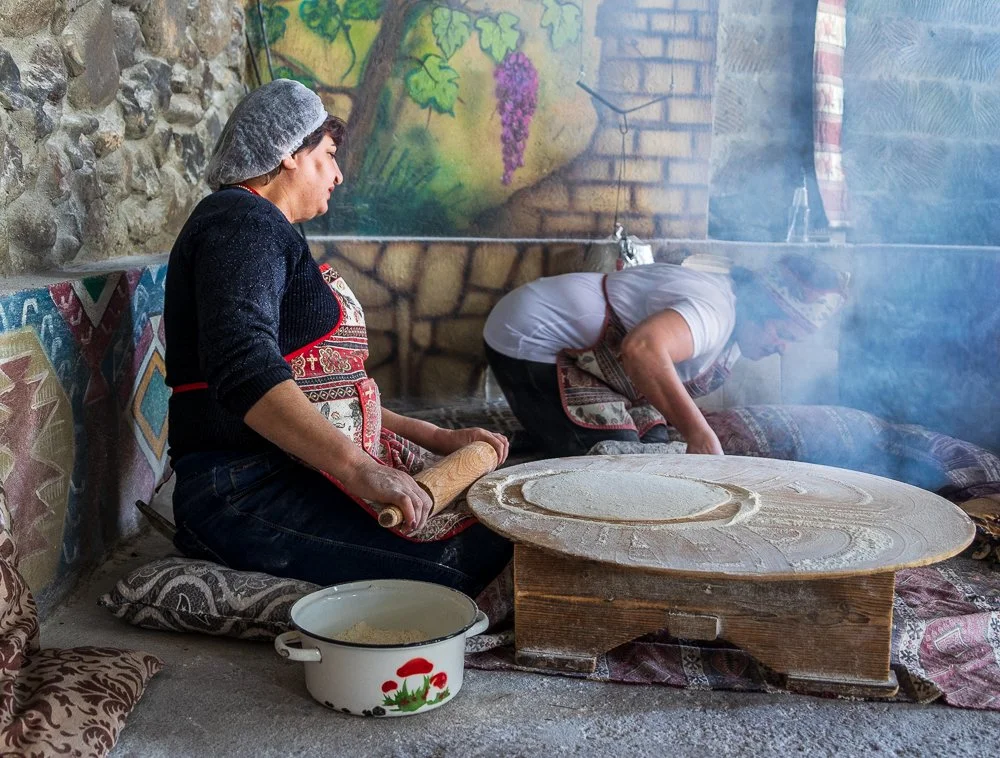
Lavash is Armenia's bread. Thin, soft, blistered, baked against the inside wall of a tonir, the traditional clay oven sunk into the ground. It's been made here for thousands of years, traditionally by women working together, three generations sometimes, mixing, rolling, slapping the dough onto the hot clay, peeling it off seconds later.
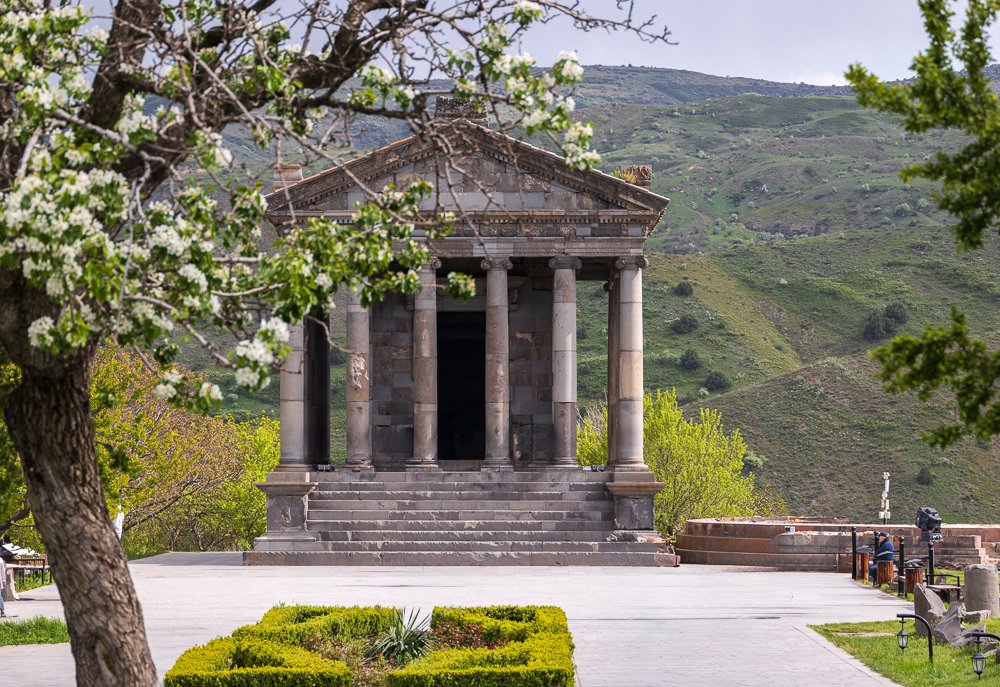
Garni Temple is the only standing Greco-Roman temple in the entire former Soviet Union. Built in the 1st century AD by King Tiridates I, perched on a cliff above the Azat River gorge, dedicated to the Armenian sun god. The same king who imprisoned Gregory the Illuminator was the great-great-grandson of the king who built Garni (Tiridates I).