Azerbaijan: April 2026
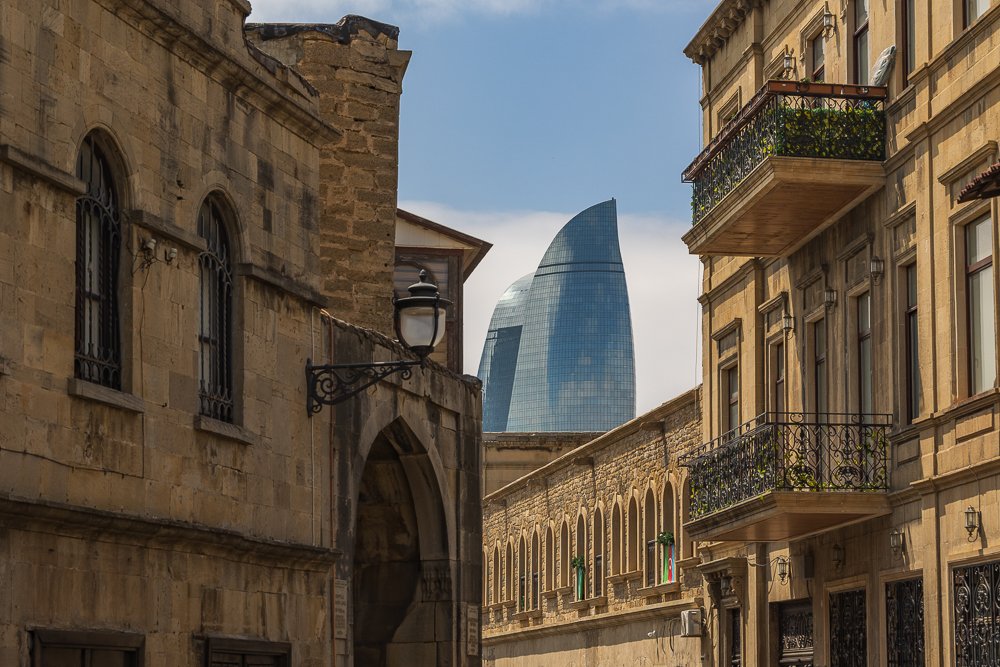
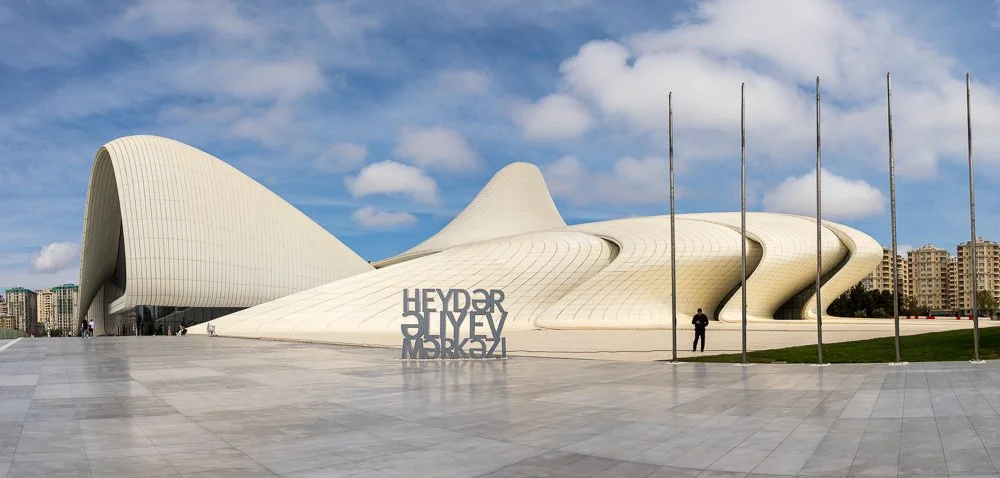
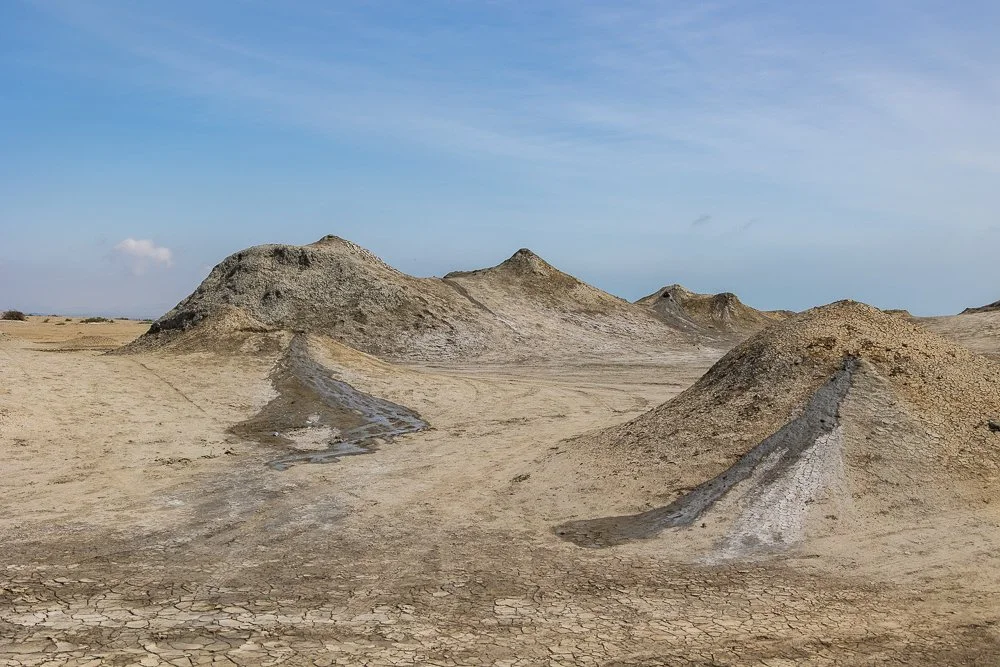
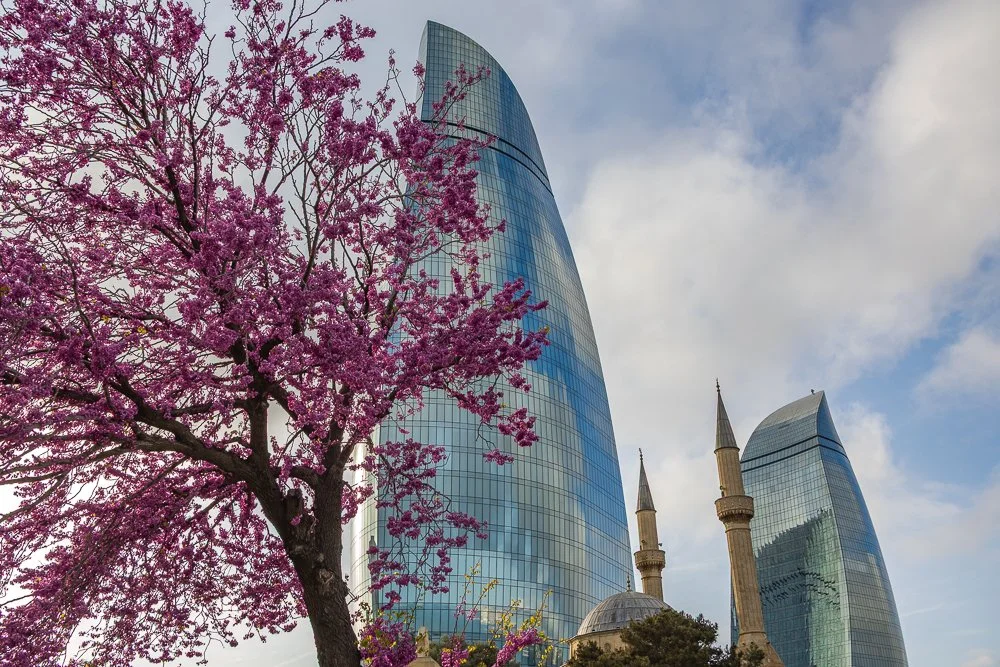
Baku alone was worth the trip; the Old City, European architecture, a waterfront promenade and the Heydar Aliyev Center. A day trip to Gobustan: mud volcanoes, prehistoric petroglyphs, a hillside that has been burning for thousands of years. Then the long drive north to Sheki through road closures, washed-out mountain roads, and apocalyptic hail. Getting back on route was rewarded with qutab in a family courtyard in a small village while the mother cooked over a stove and her father turned kebabs. Then Sheki: the Khan's Palace, the caravanserai, the market on a rainy Tuesday. I bought a hat and had a meal at a local guesthouse, where I had the national dish, piti. A country that surprised me completely.
The Walled City (Icherisheher)
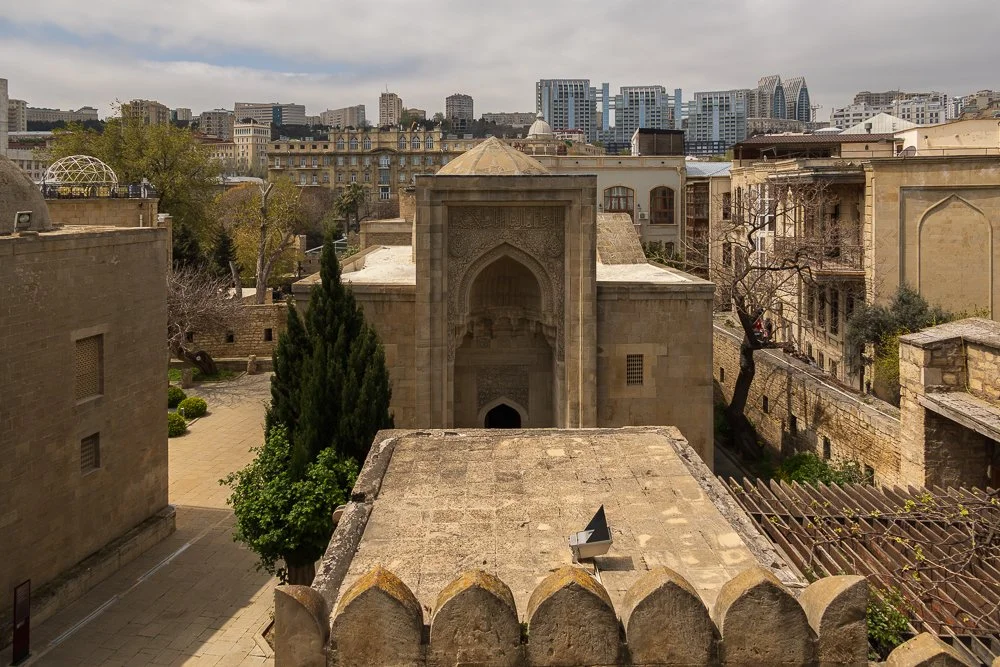
Step through the gates and the noise drops away. Icherisheher is a labyrinth of narrow stone alleys enclosed by 12th-century walls, the historic core of Baku and a city within a city. At its heart sits the Palace of the Shirvanshahs, built in the 15th century as the royal residence of the Shirvanshah dynasty; three courtyards stepping upward in tiers, each level rising 5.6 metres above the last.
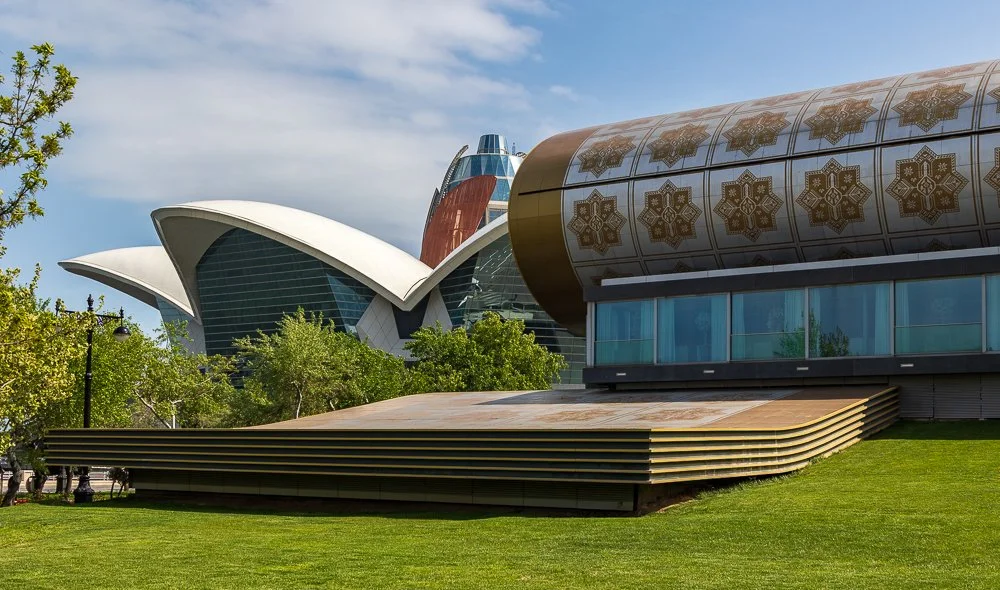
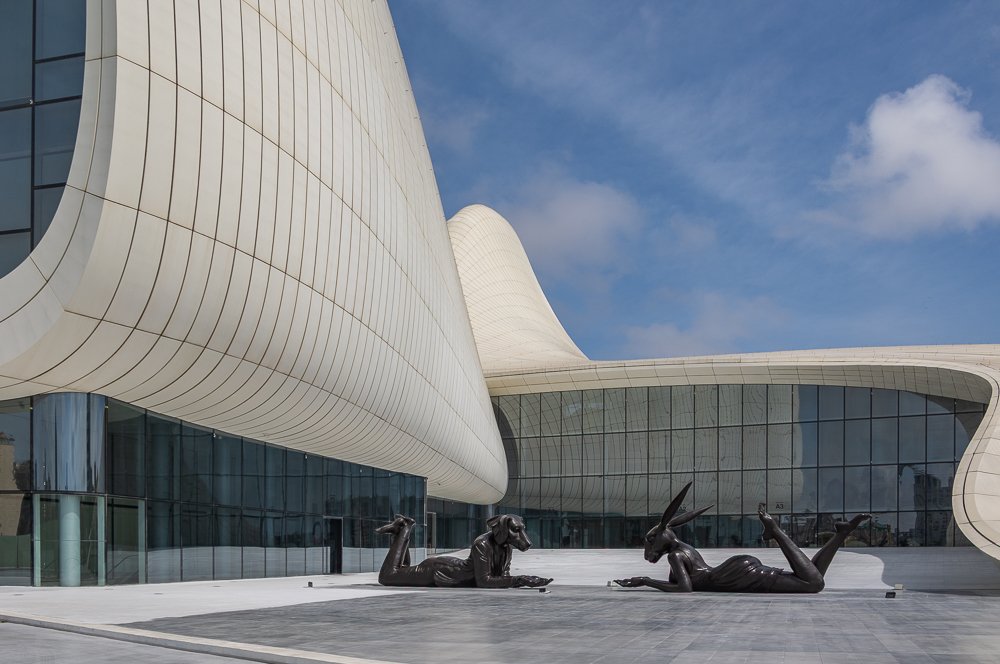
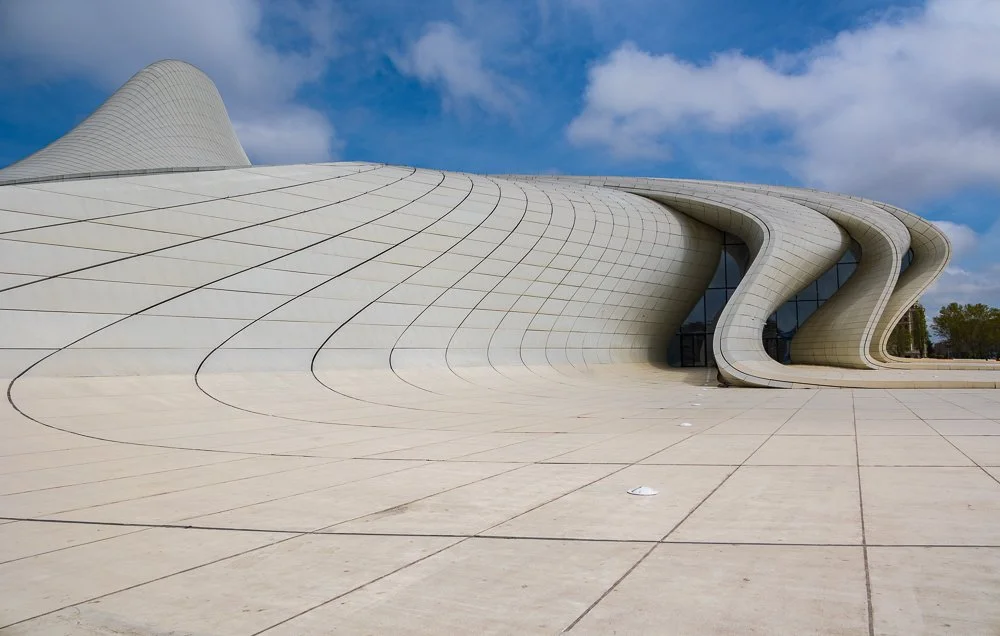
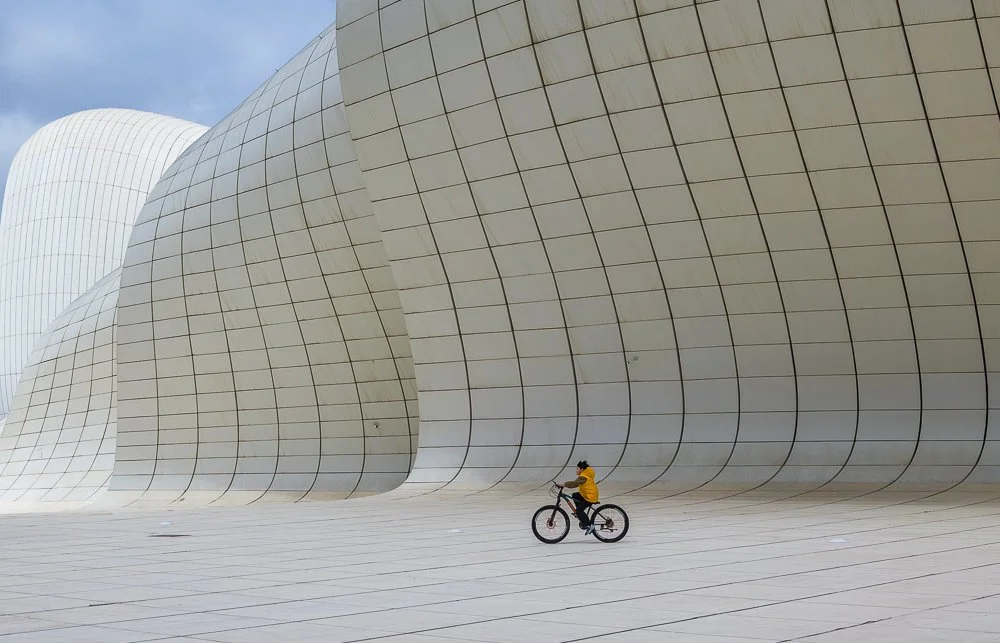
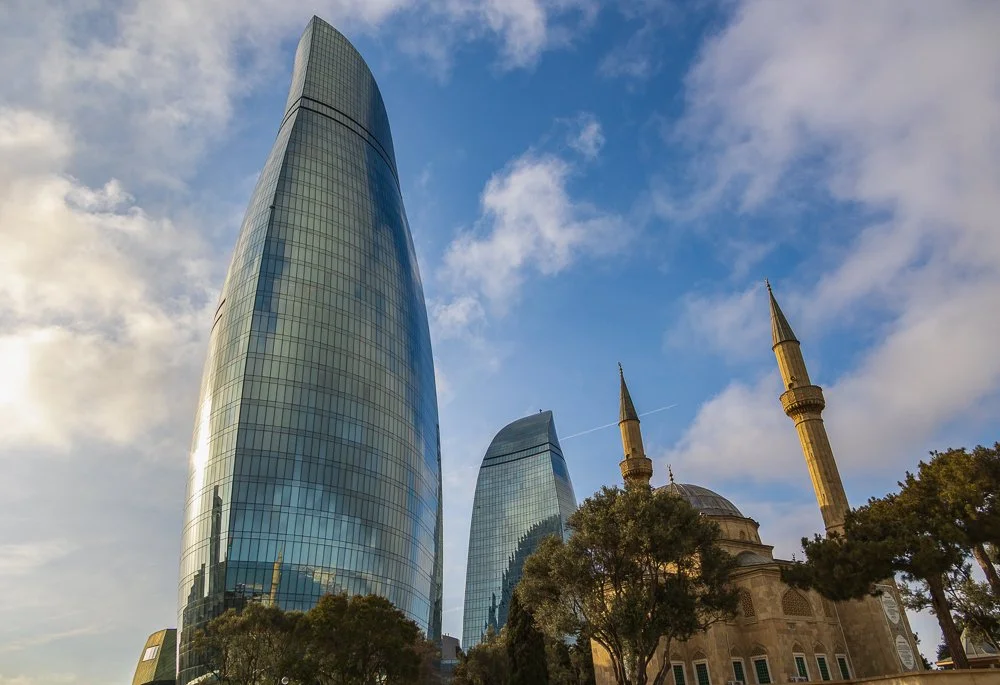
In 2014, the building won the prestigious London Design Museum’s "Design of the Year Award" for its stunning and innovative use of space.
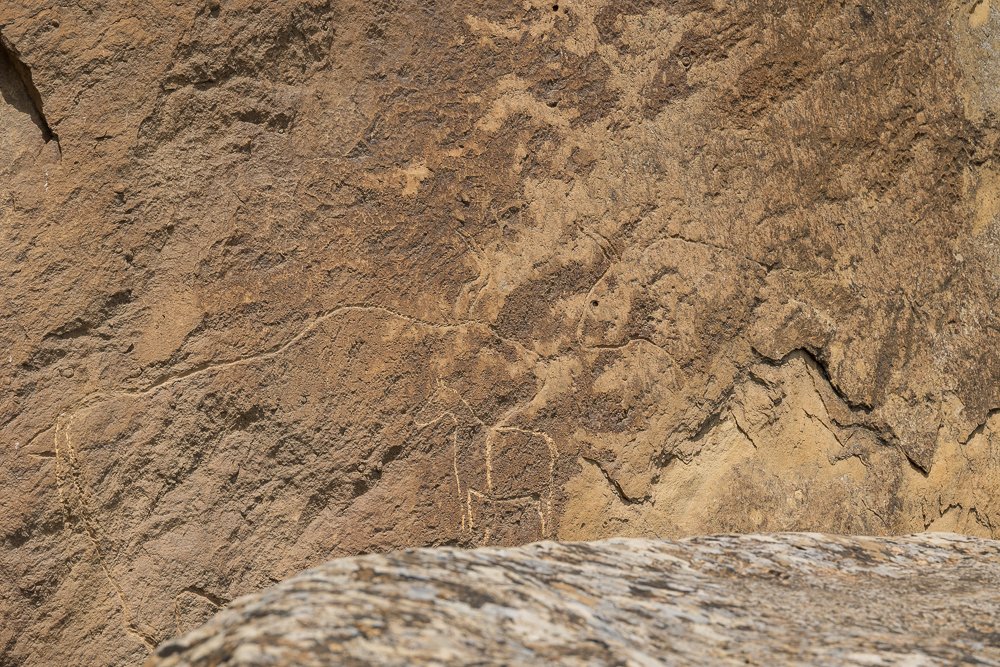
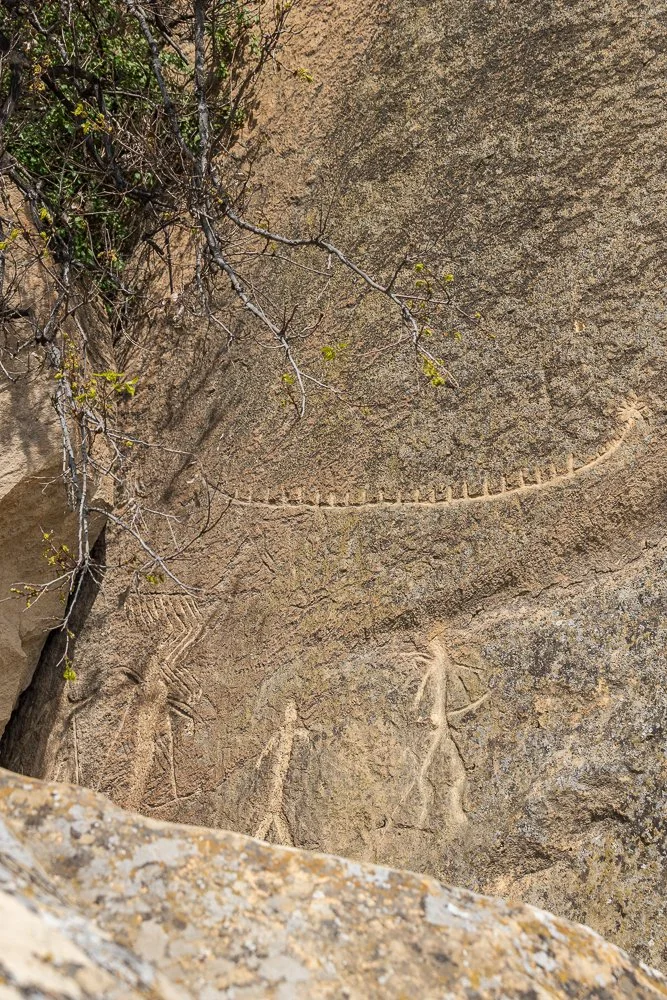
Gobustan Petroglyphs The Gobustan State Historical and Cultural Reserve holds over 6,000 rock engravings, a UNESCO World Heritage Site spanning from the Upper Paleolithic through to the Middle Ages. Thousands of years of people recording that they were here, in this landscape, at this particular moment in human history.
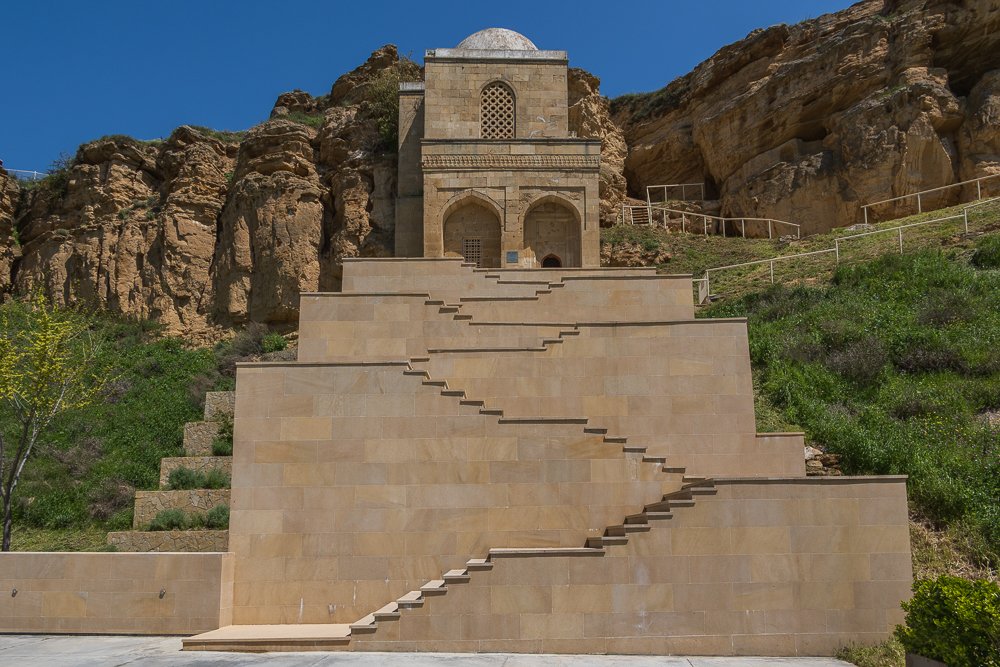
Diri Baba Mausoleum Built in 1402 by order of Shirvanshah Ibrahim. A Sufi sheikh known as Baba spent his final days here in seclusion, reciting sacred verses. When he died, his disciples believed for several days he was still in prayer. They named this place Diri Baba: Living Baba. It has been a pilgrimage site ever since.
Sheki
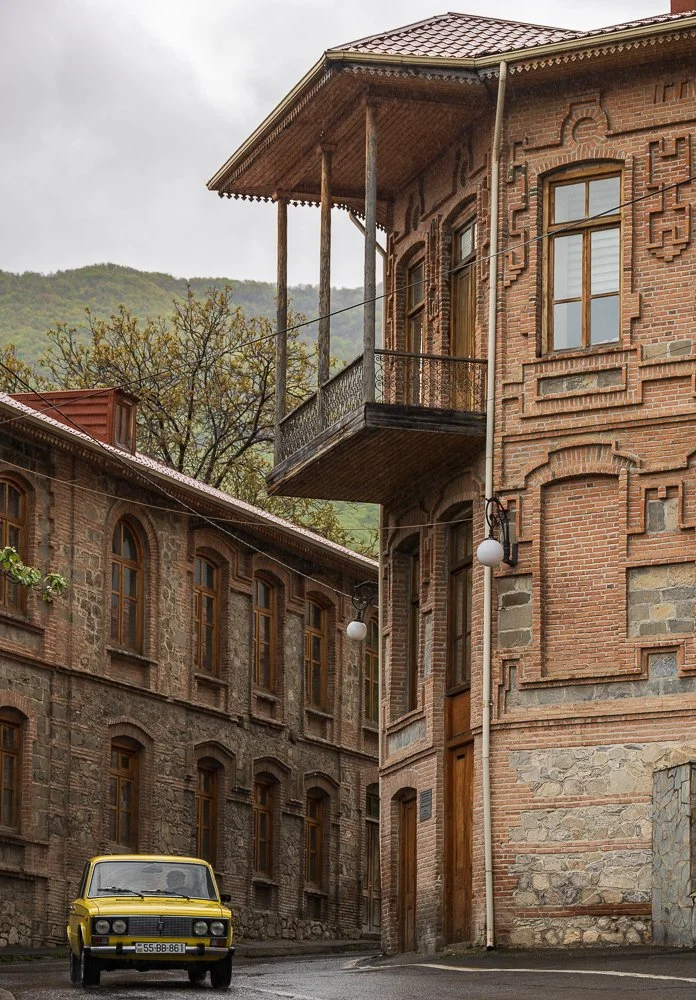
The city is 2,700 years old, tucked into the forested foothills of the Greater Caucasus, built on a long history of Silk Road trade, silkworm breeding, and raw silk. The historic centre is a UNESCO World Heritage Site. I ate piti, the national dish, a slow-cooked lamb stew served in the clay pot it's made in, and sampled Sheki halva, which is its own category of sweet.
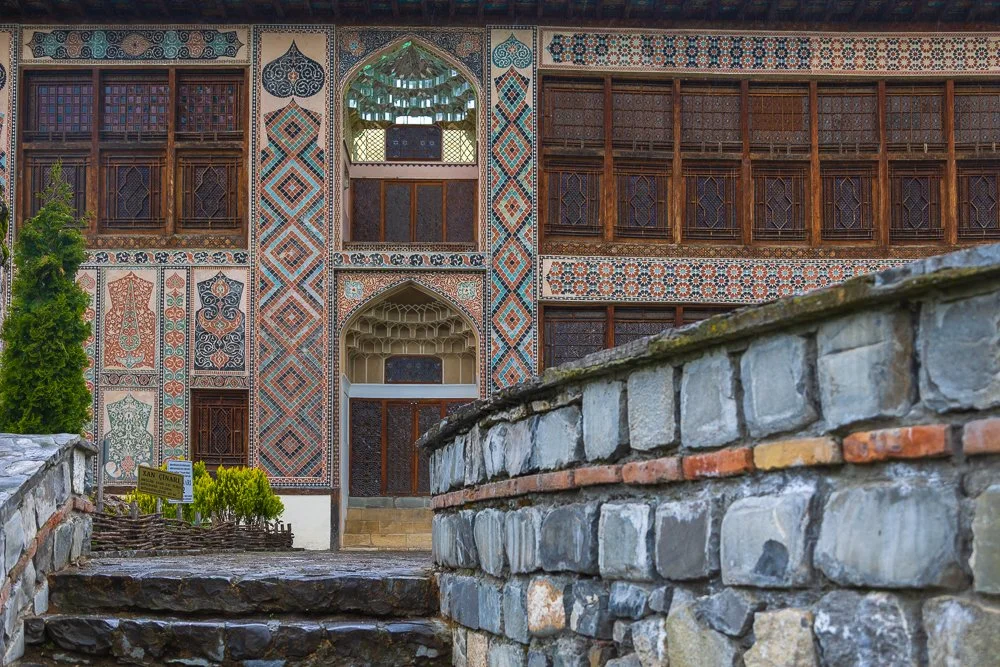
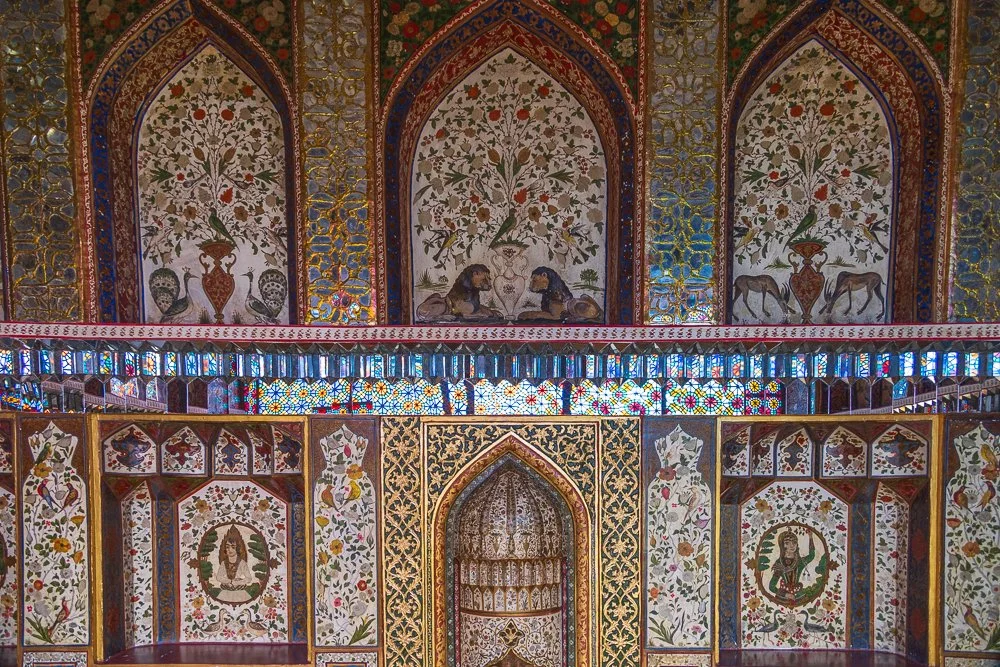
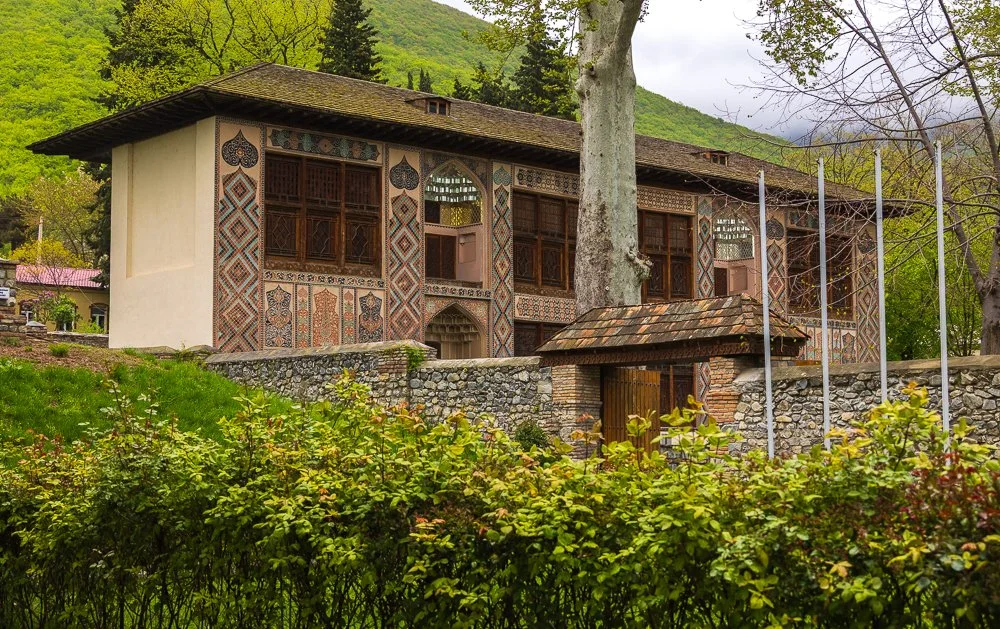
Khan's Palace The Palace of the Sheki Khans dates to the 1760s, ceremonial residence of the rulers of the Sheki Khanate. Photography is not permitted inside, which makes the shebeke windows, intricate stained-glass panels assembled without glue or nails, and the mural-covered walls something you have to simply stand in front of.