Georgia: May 2026
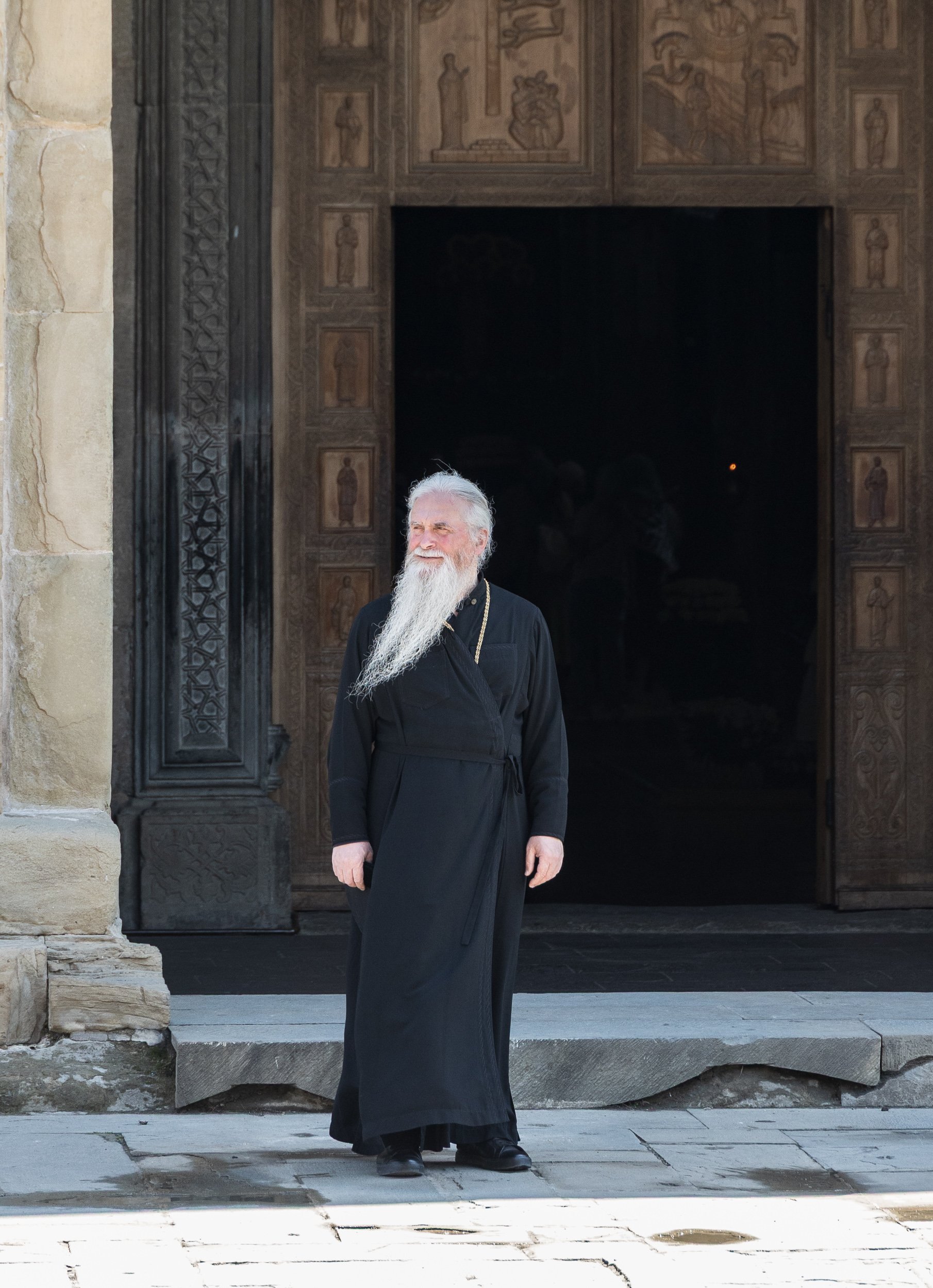
I entered from the south, crossing from Armenia at 2,150 metres with snow still on the mountains, and Georgia kept surprising me from there. Cave monasteries carved into cliff faces, a Soviet spa town stripped to its bones, an ancient cave city that once held 20,000 people, and a capital that took five days to understand and a lifetime of cobblestone streets to wander. Wine made the same way for 8,000 years, buried in clay. Priests who bless you without asking. The most layered of the three countries.
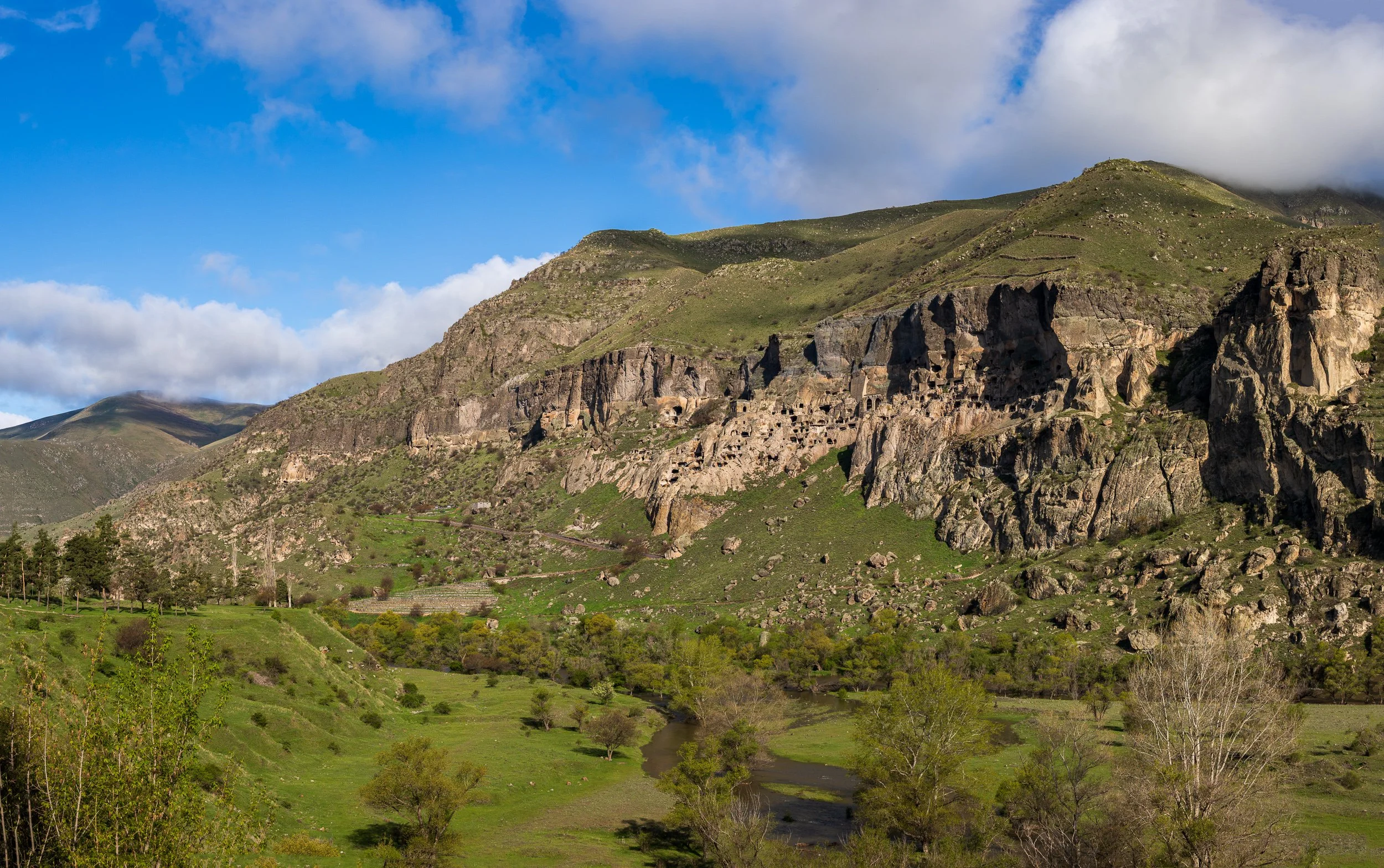
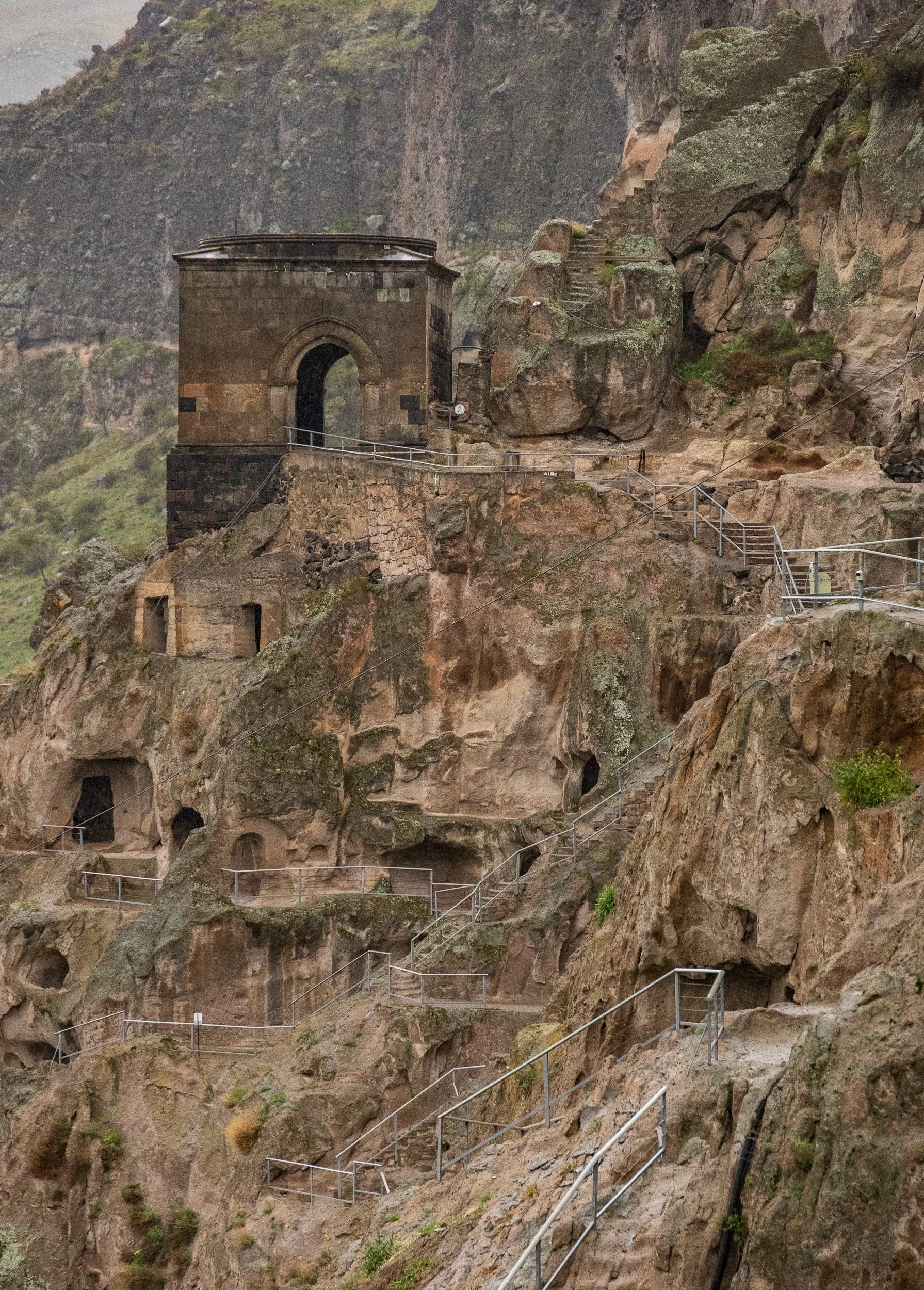
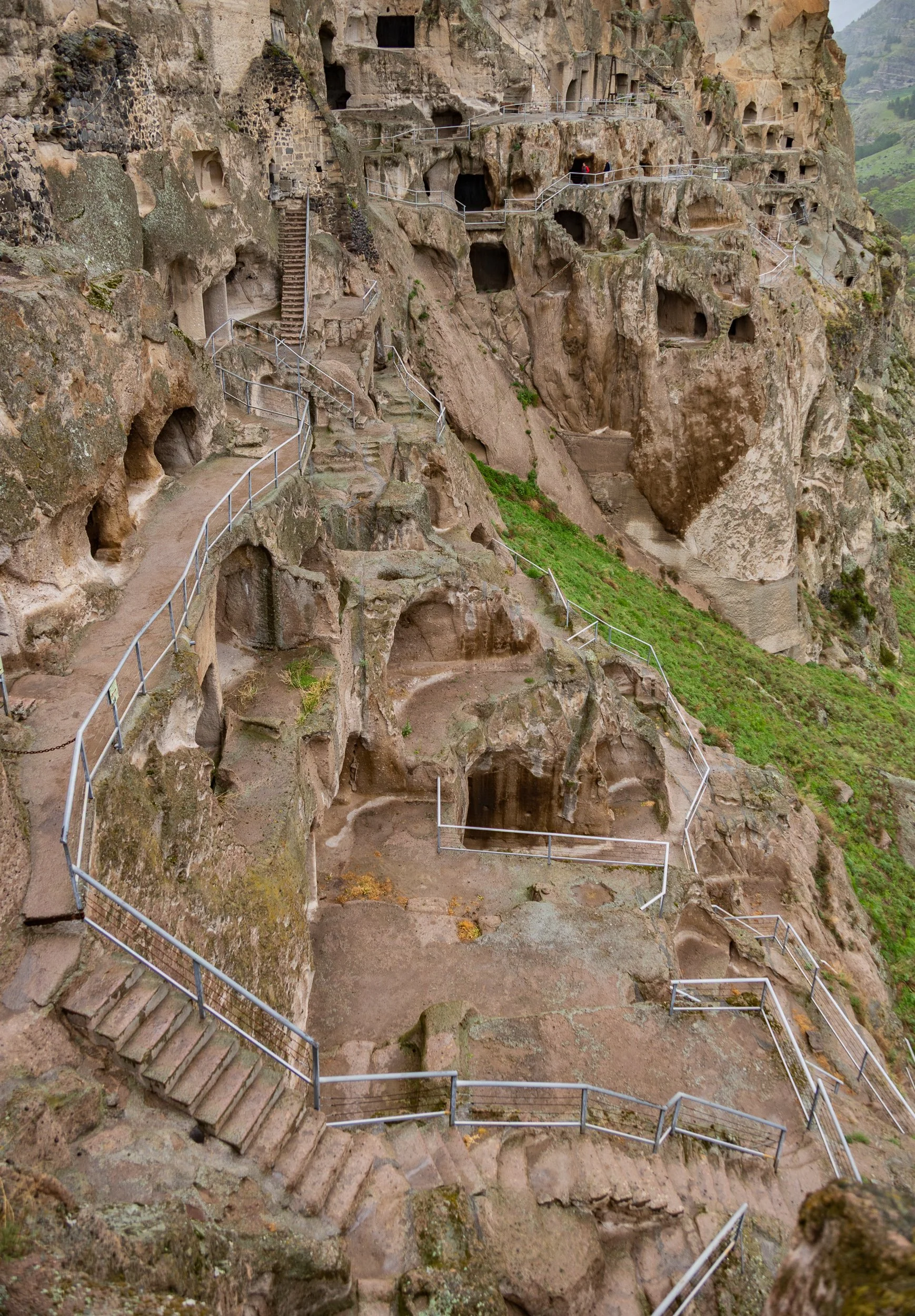
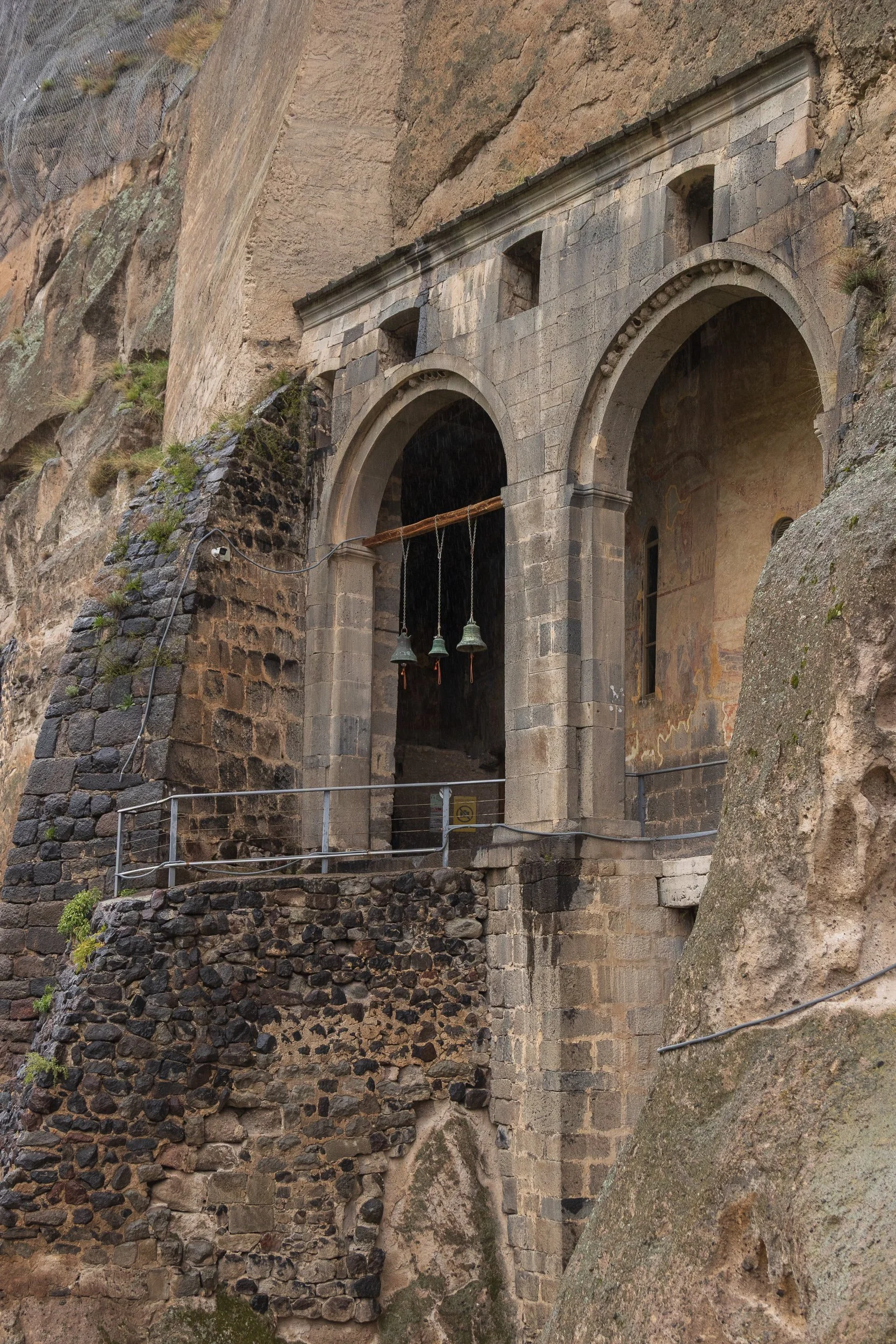
A cave monastery carved into a cliff face in southern Georgia. Around 641 chambers across 13 levels, stretching 500 metres along the cliff face, connected by tunnels, staircases, and terraces. Wine cellars, meeting rooms, a small church still in use.
At its peak the complex housed some 2,000 monks across 19 levels. An earthquake in 1283 sheared away half the cliff. Ottoman invasions burned the manuscripts. Shepherds moved in after that, which is why many of the chambers are still blackened inside. Abandoned entirely in the 16th century, untouched until Soviet-era excavations, then the monks returned in 1988 and remain on the upper floors today.
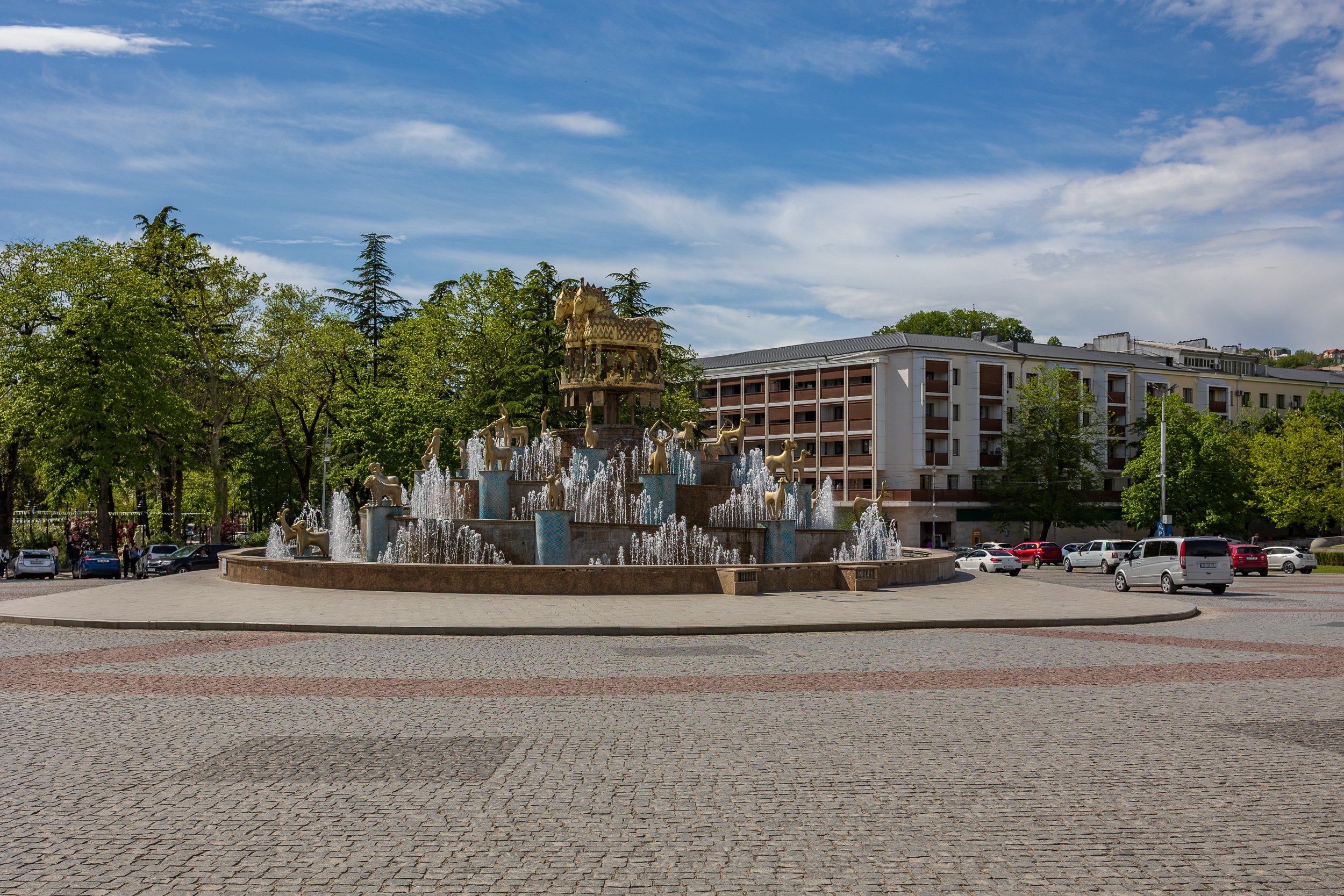
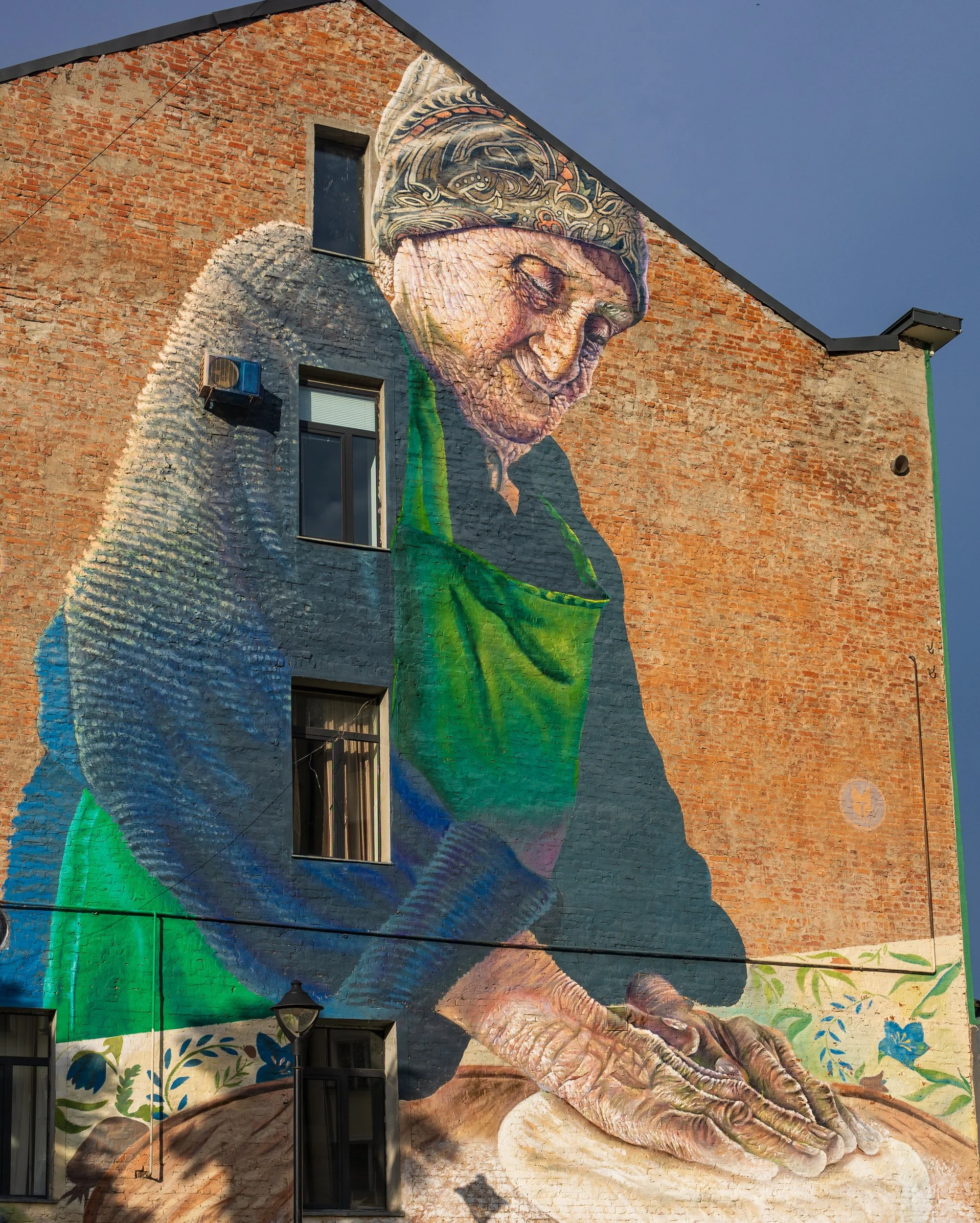
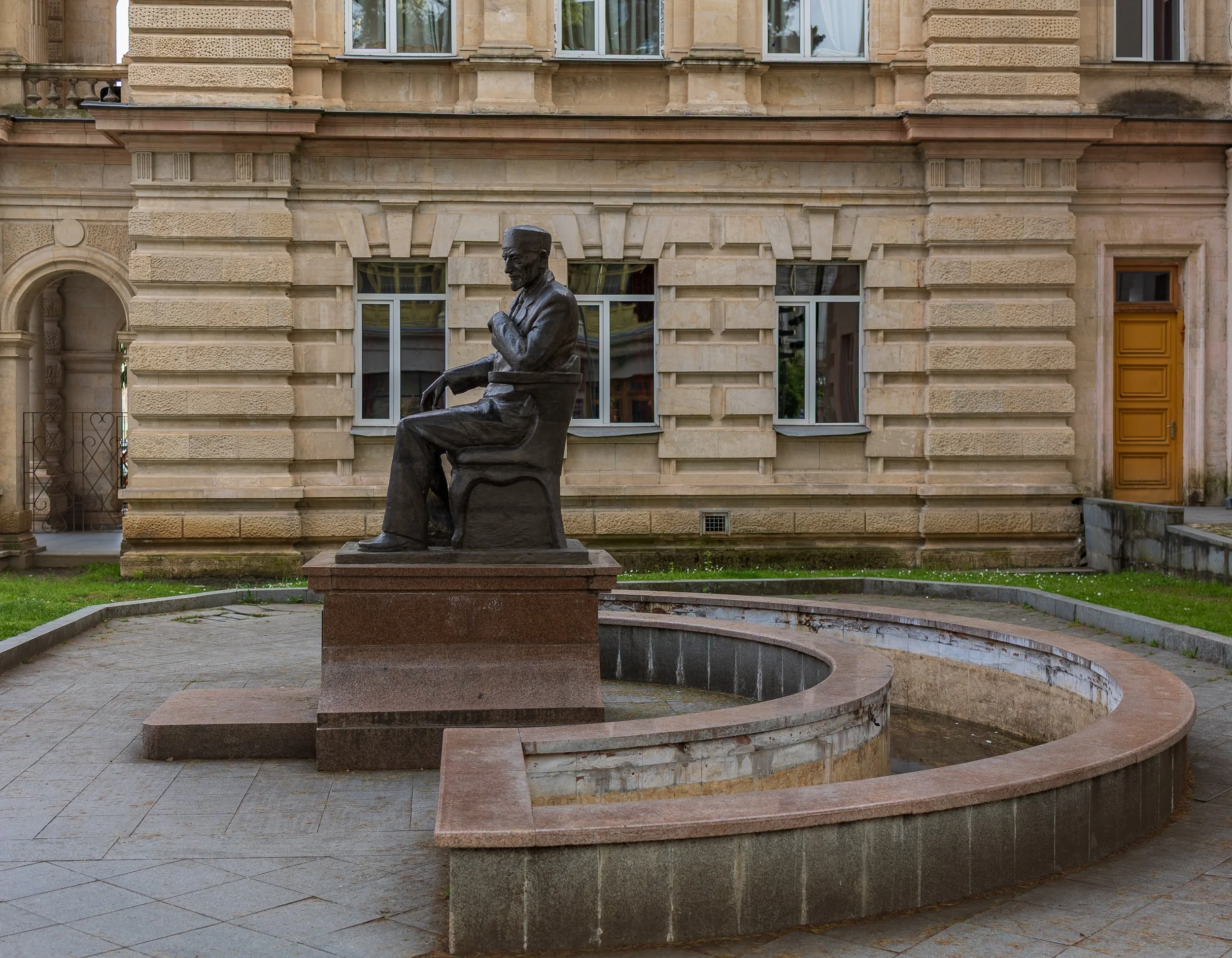
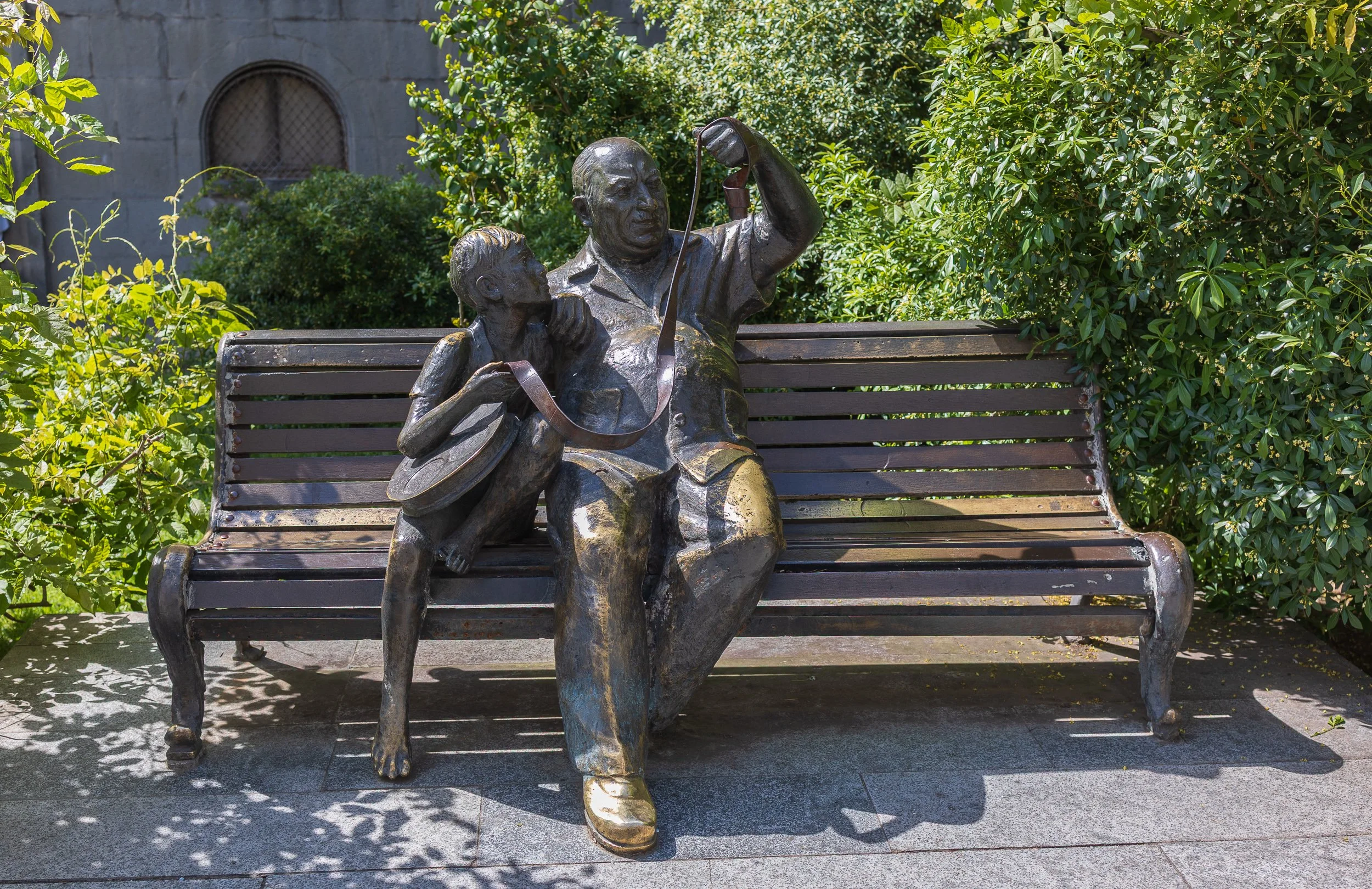
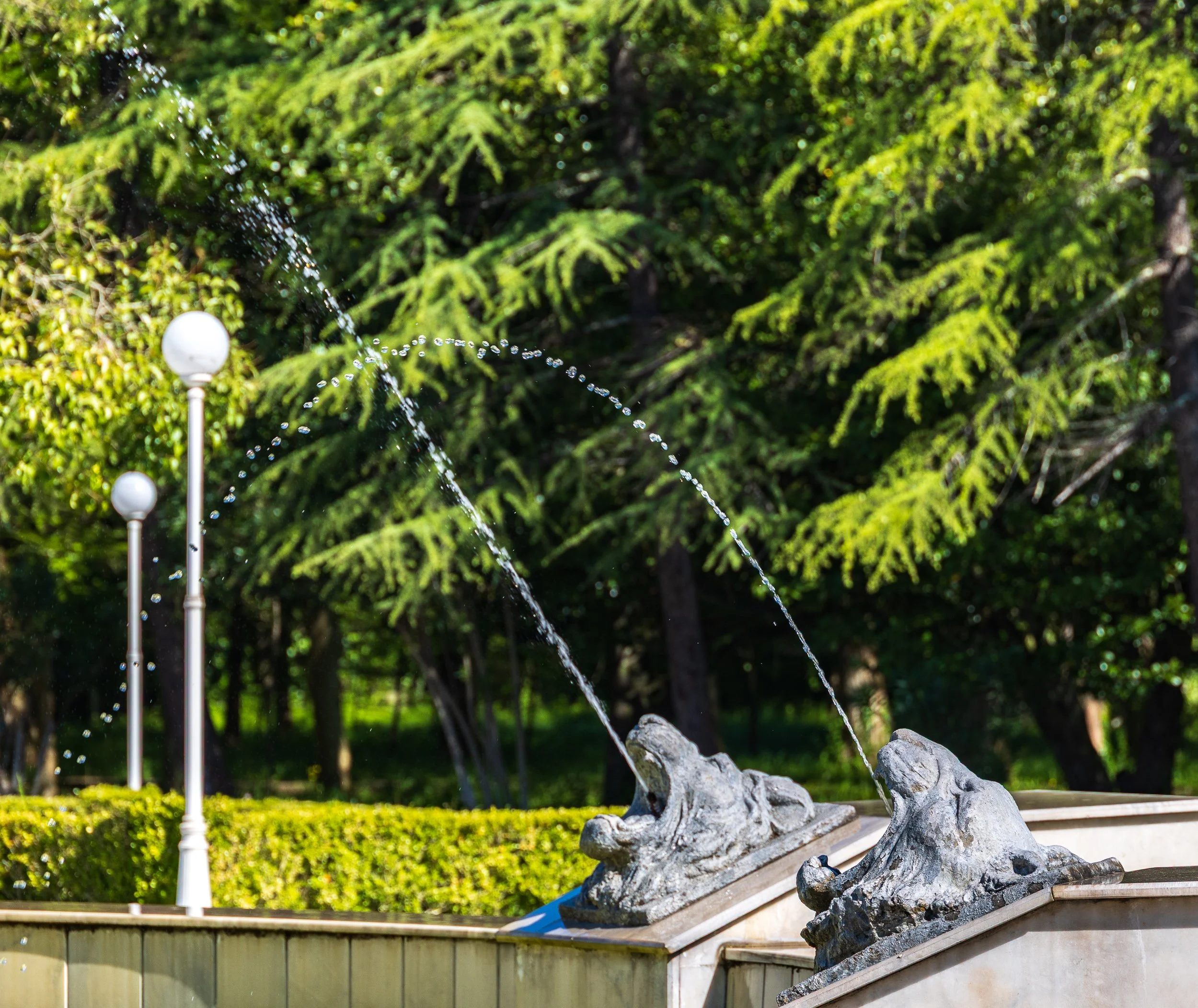
Georgia's third-largest city and one of the oldest settlements in Europe, home of the Golden Fleece mythology. Compact, walkable, genuinely charming. Murals, statues, art installations, green spaces, roundabouts with fountains. Within a few hours you feel like you know your way around.
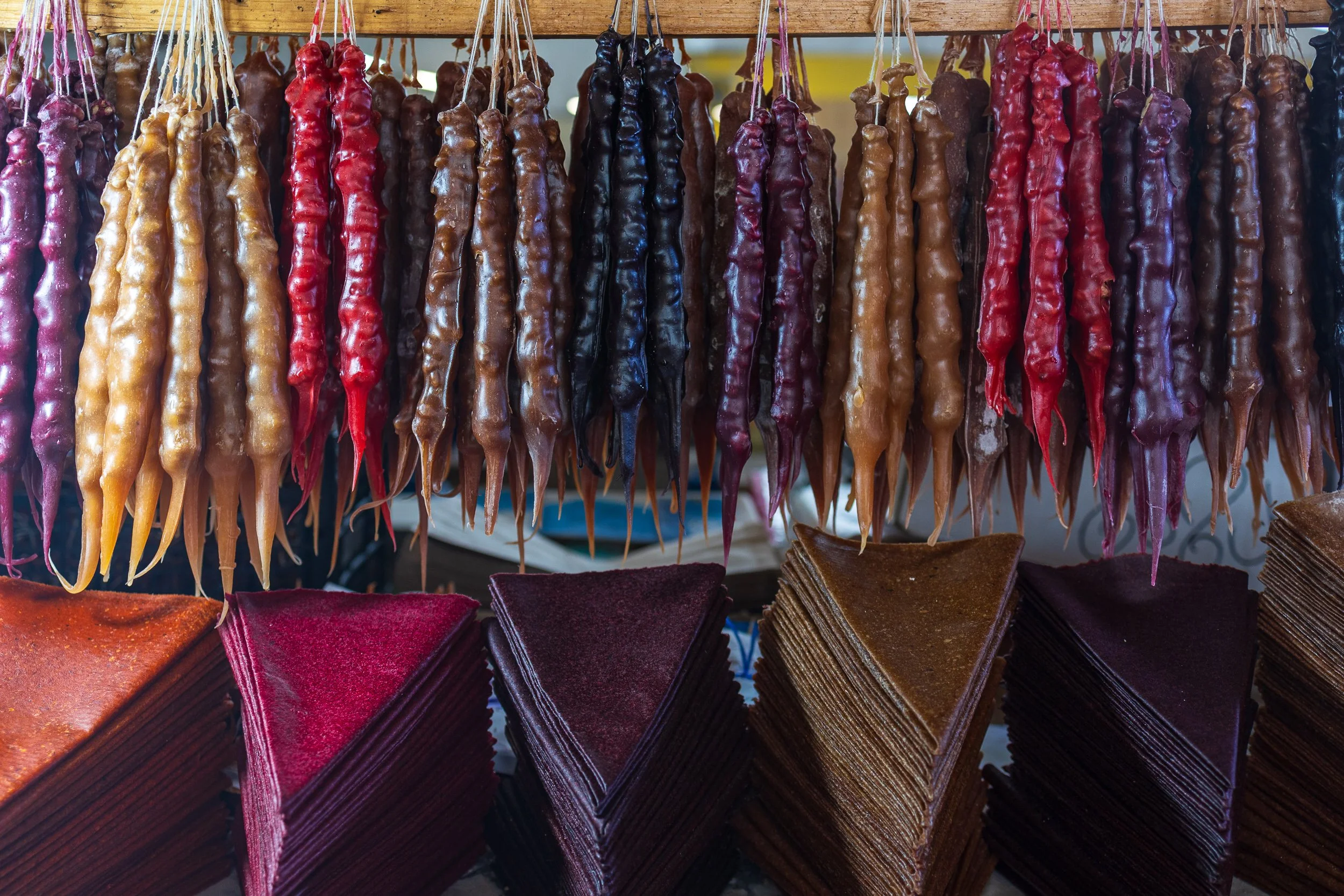
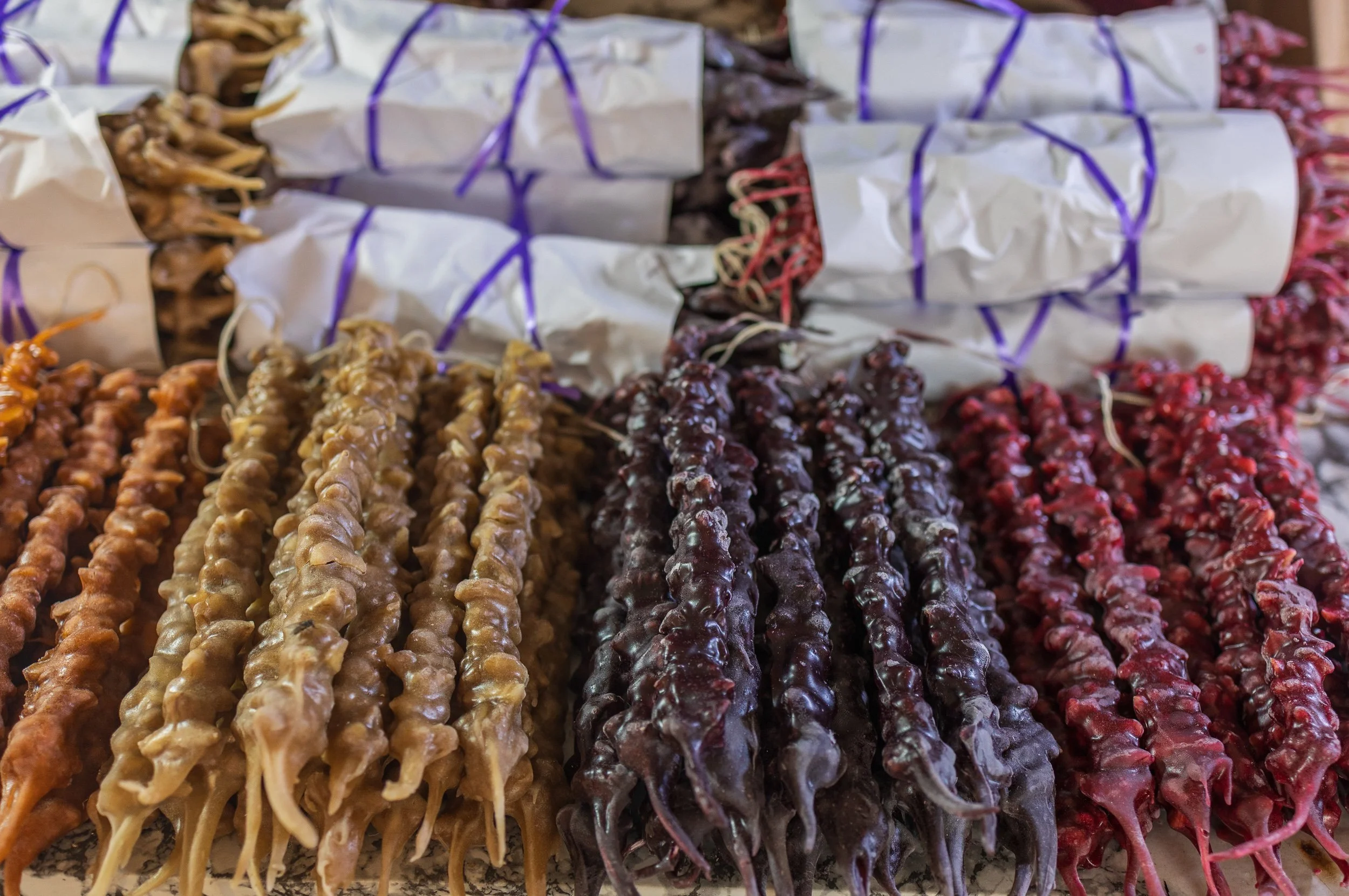
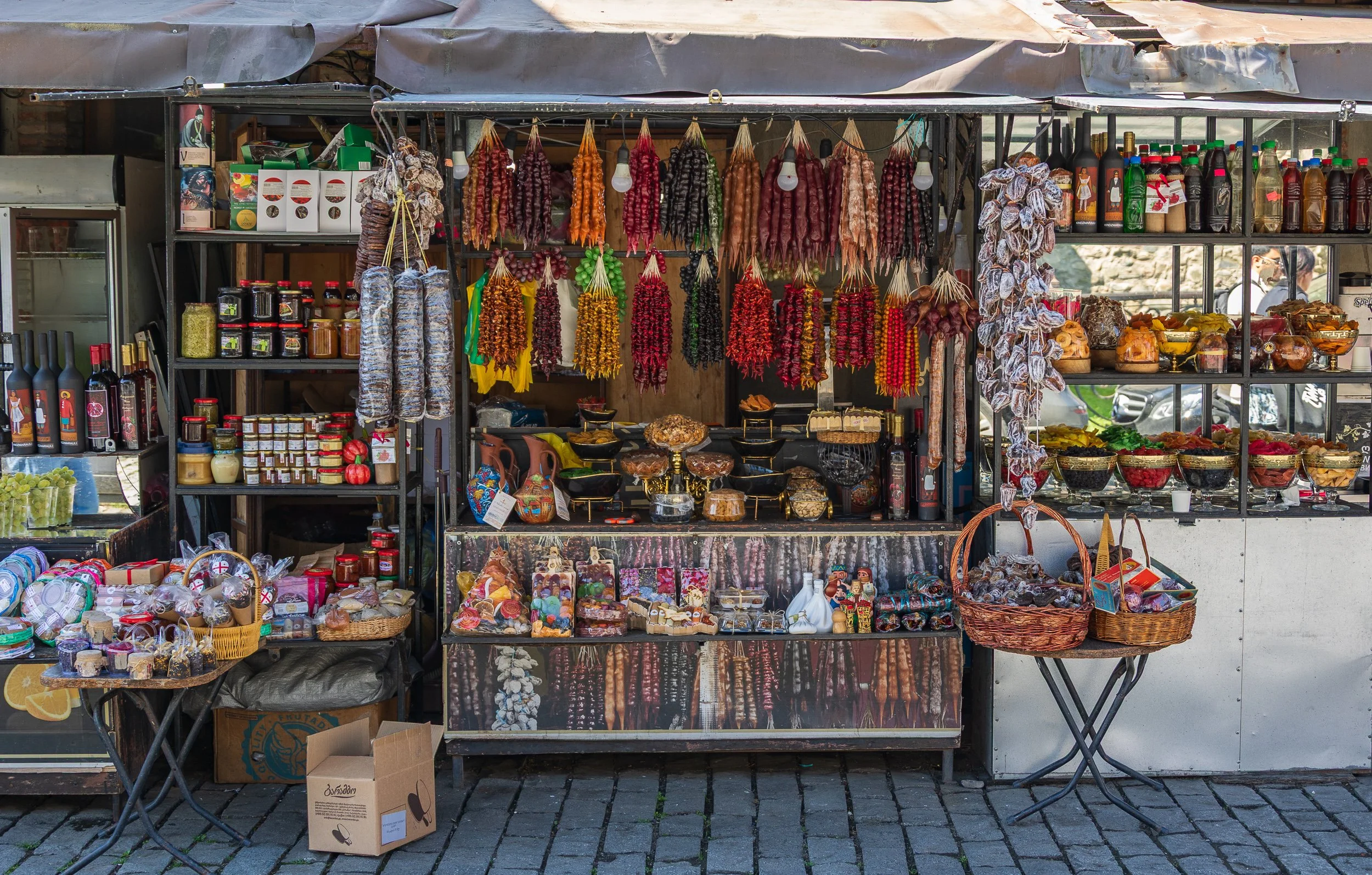
The snack sold outside every market and tourist site, looking like badly formed candles or ugly sausages. Nuts strung on a thread, dipped repeatedly in condensed grape juice thickened with flour, dried in the sun. Think a thicker, softer fruit roll-up wrapped around nuts. Delicious. The only downside: they're sticky.
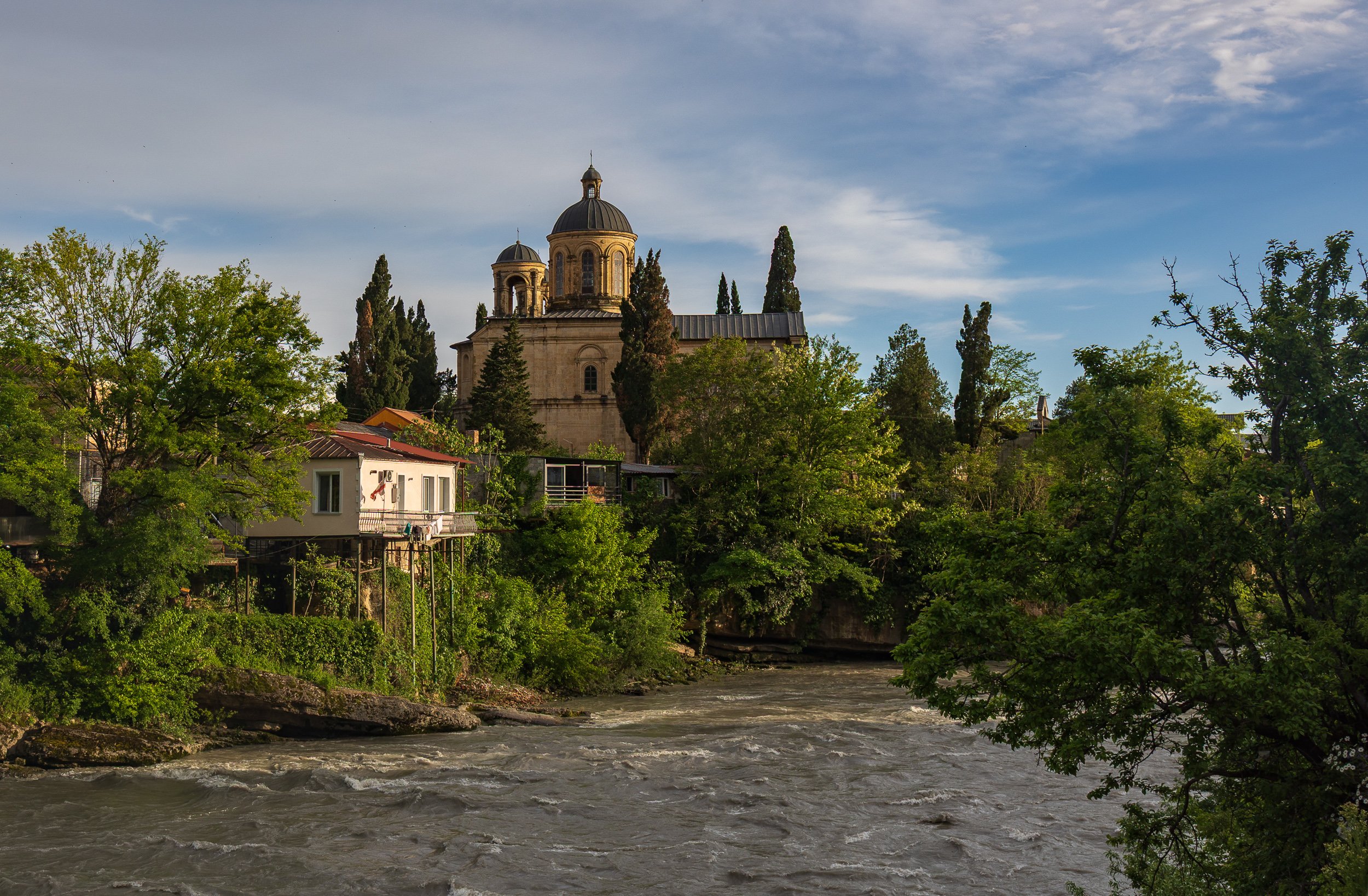
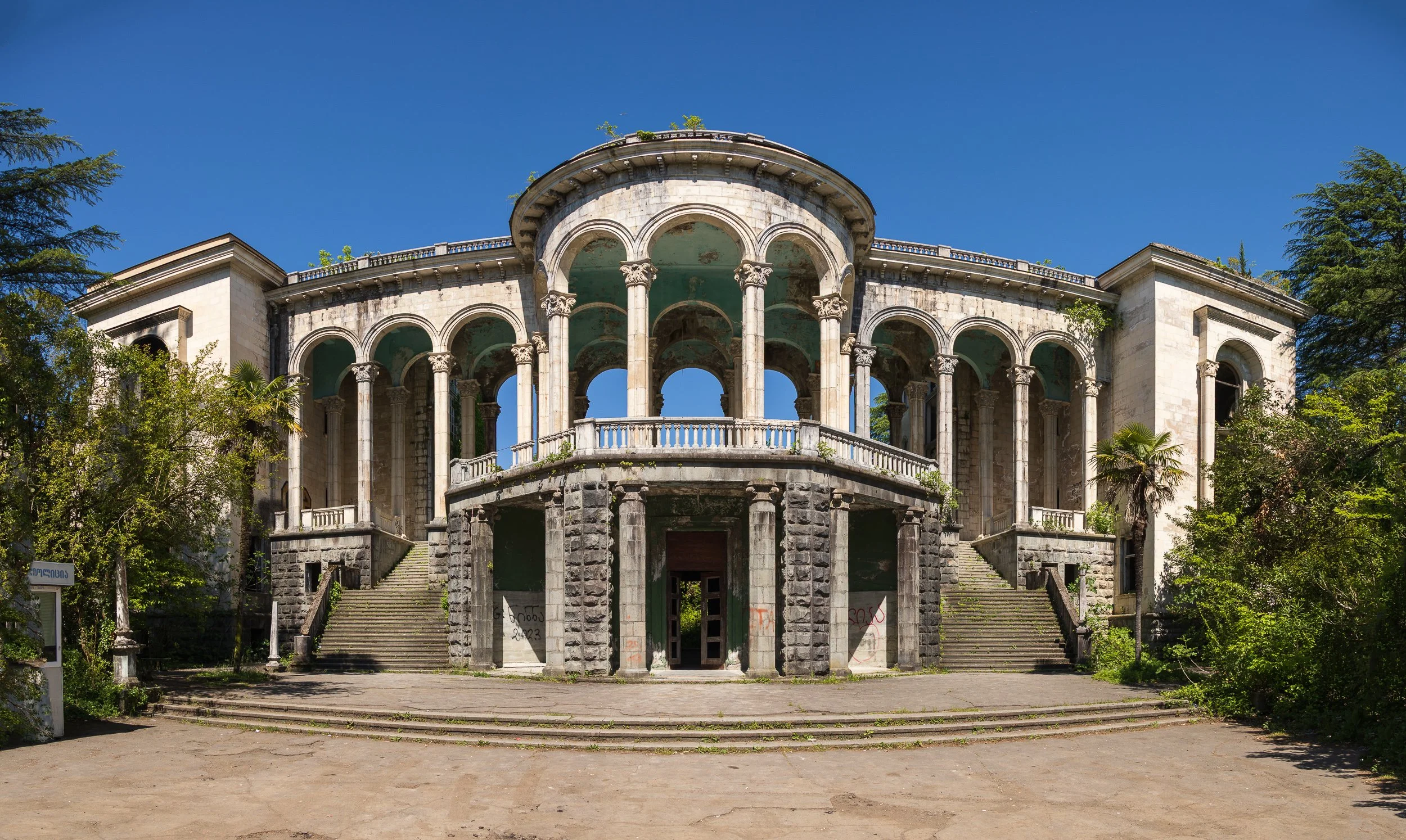
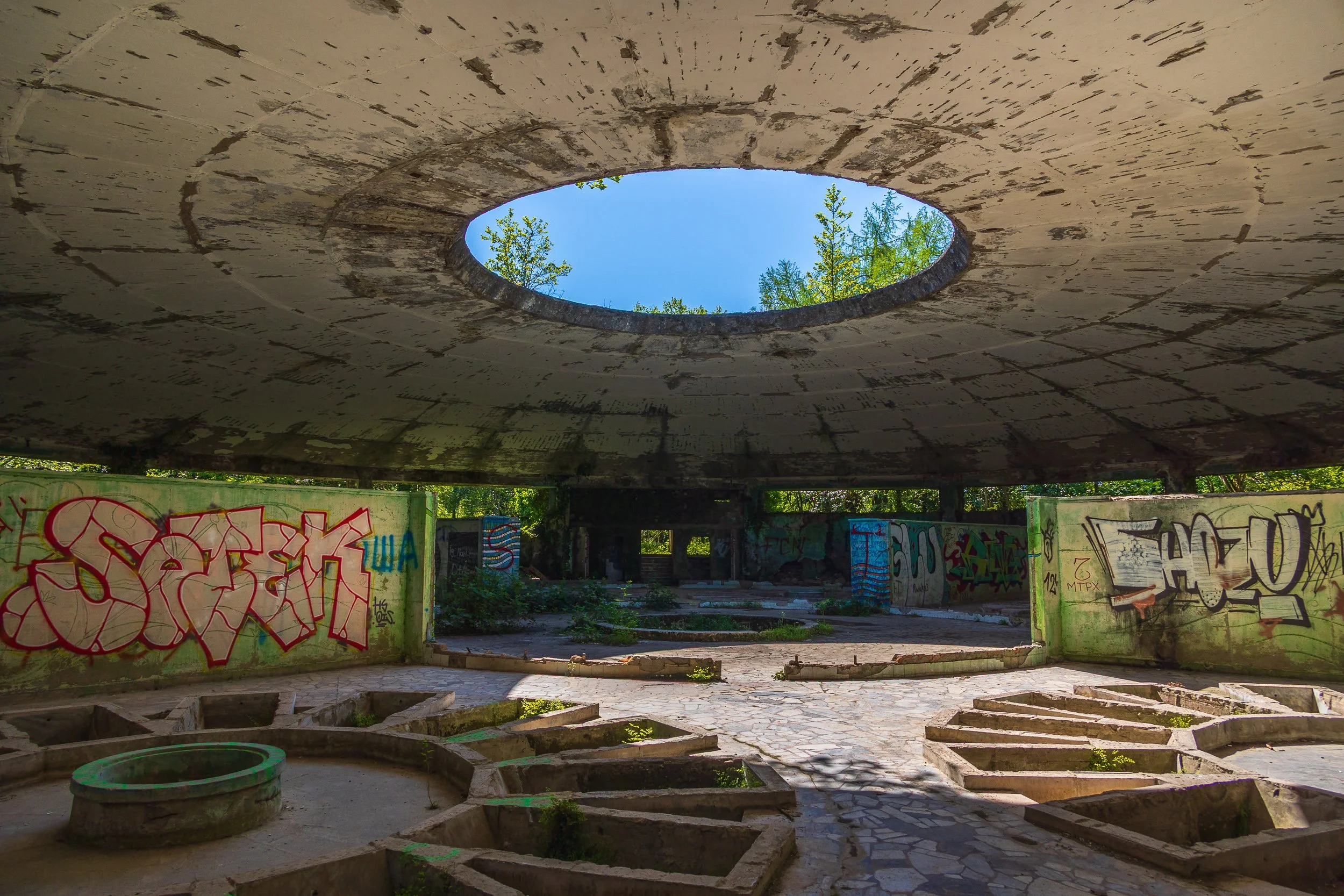
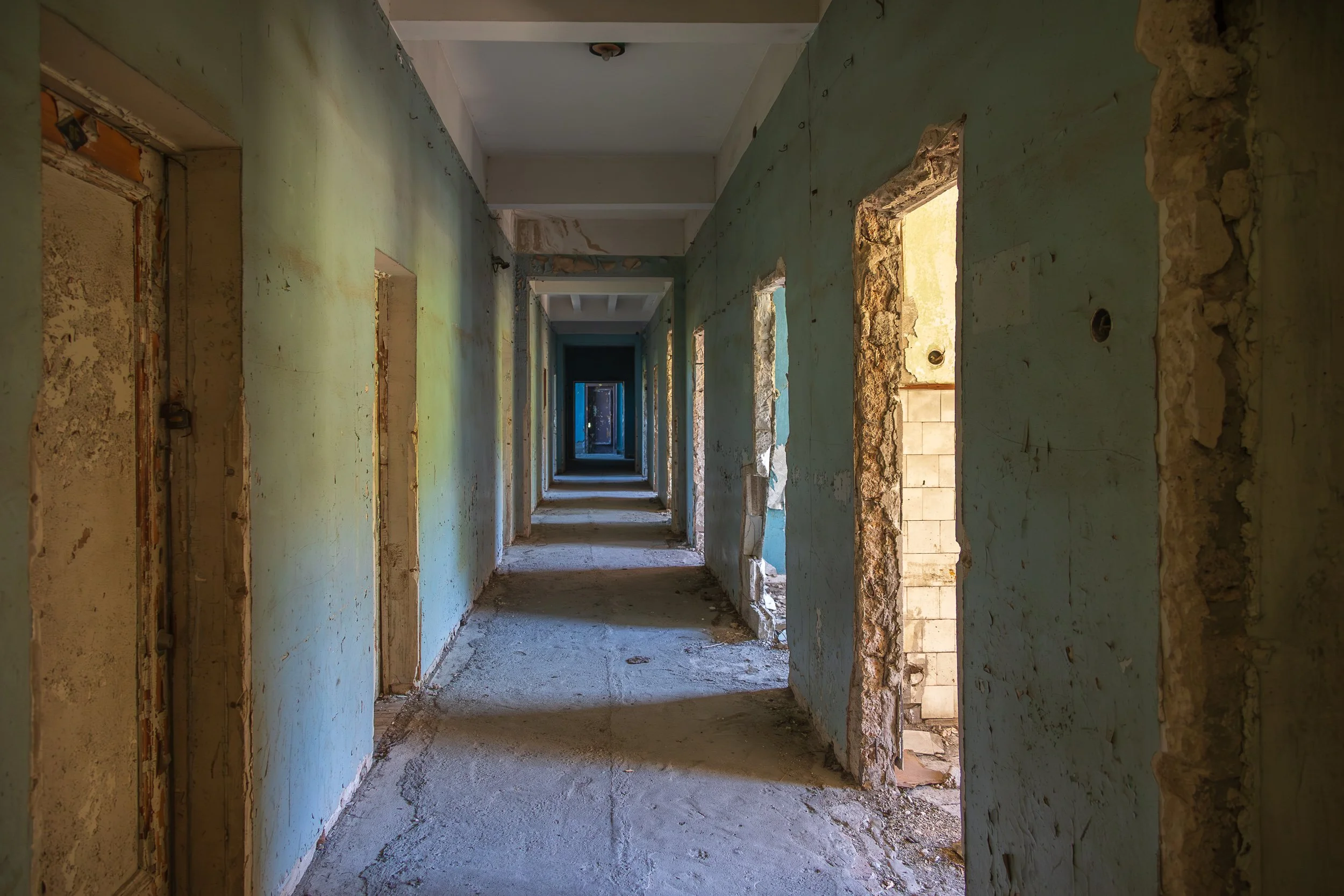
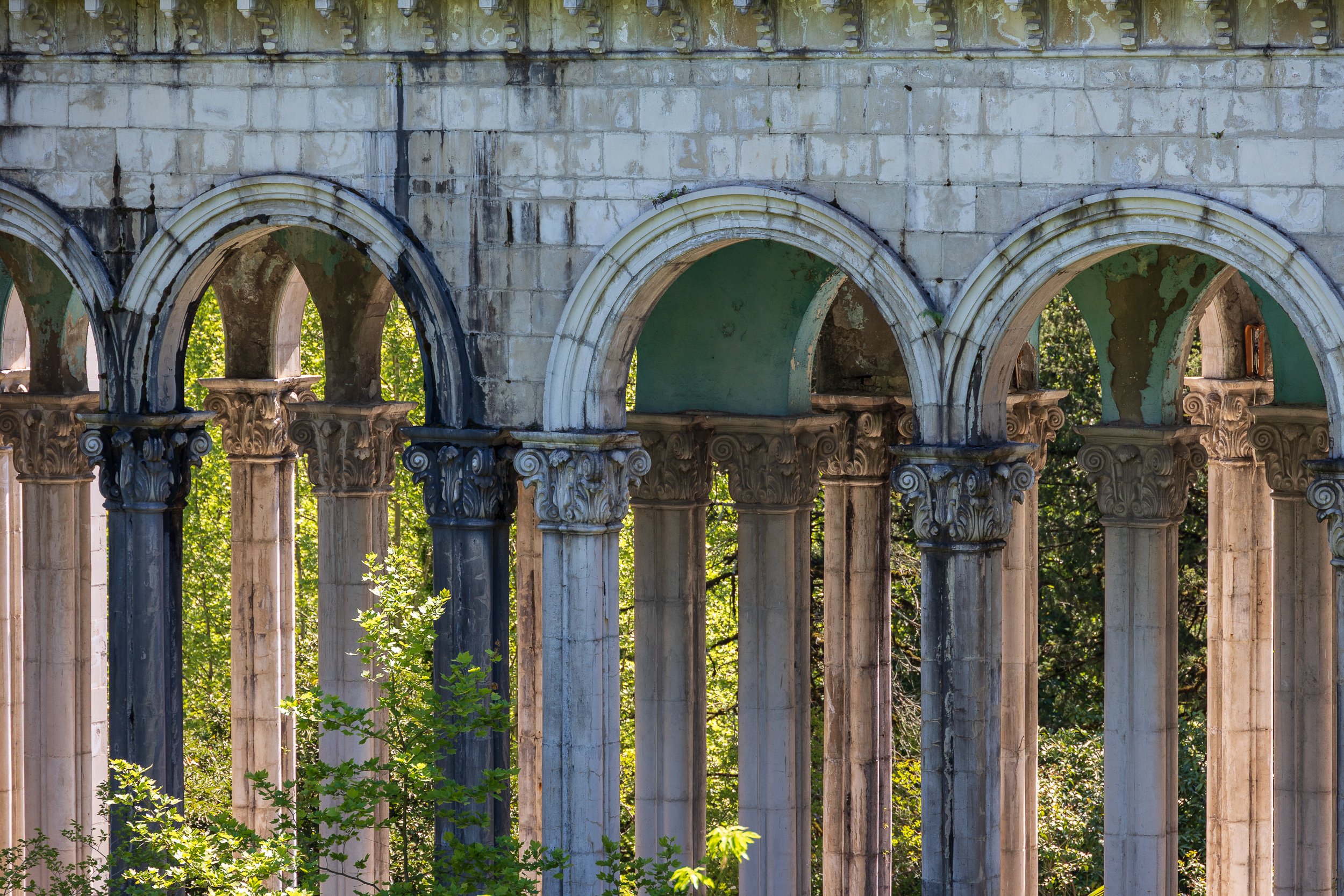
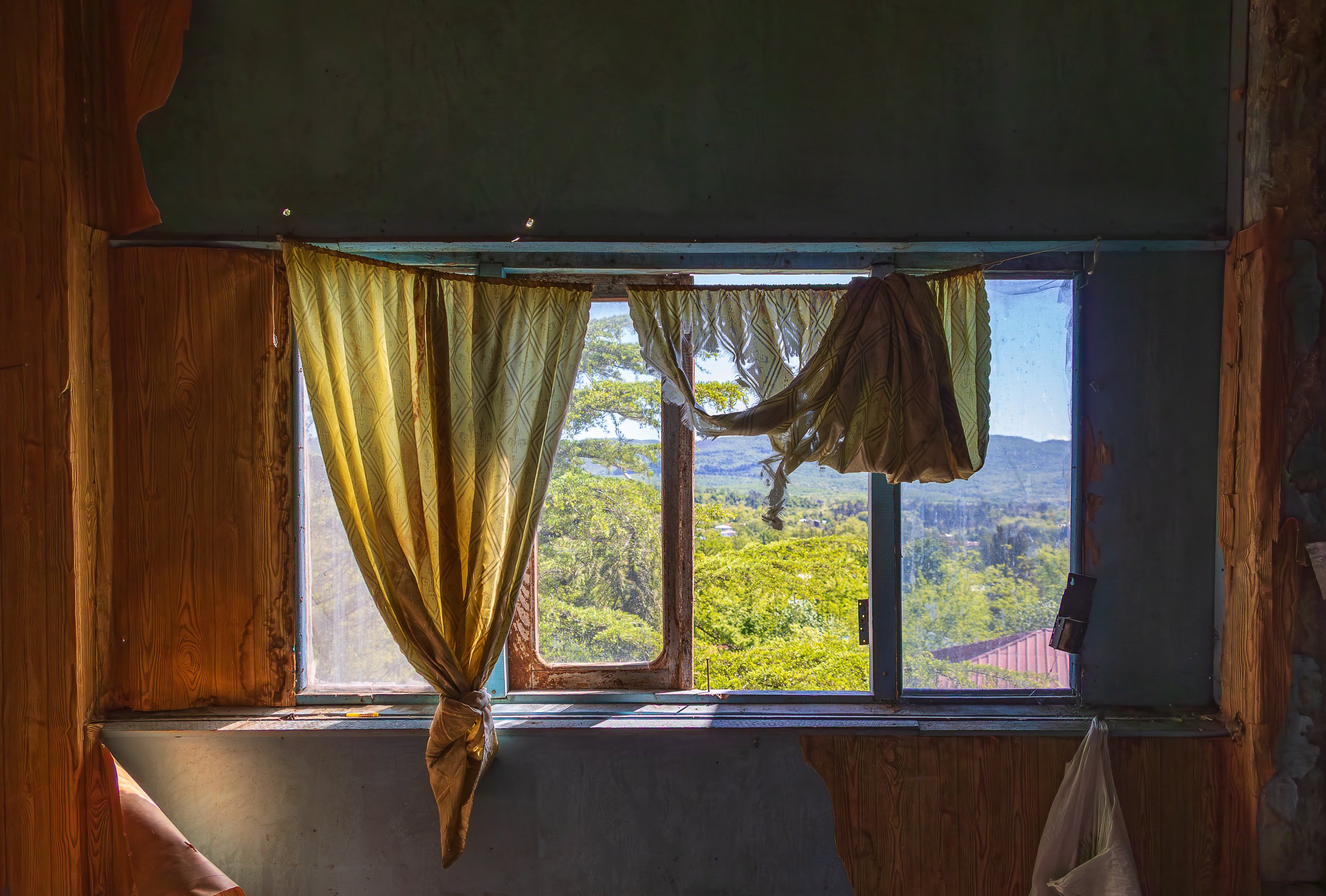
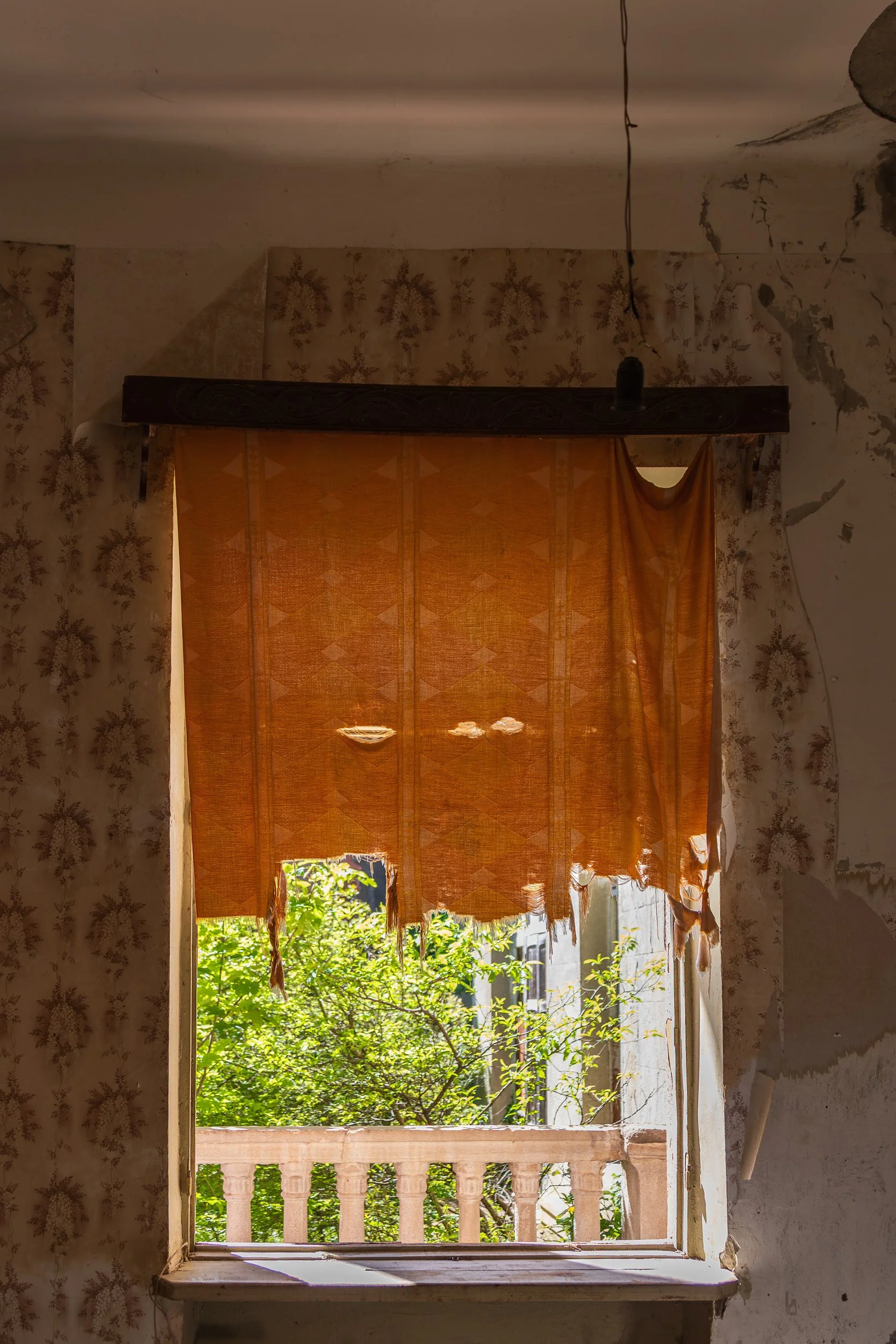
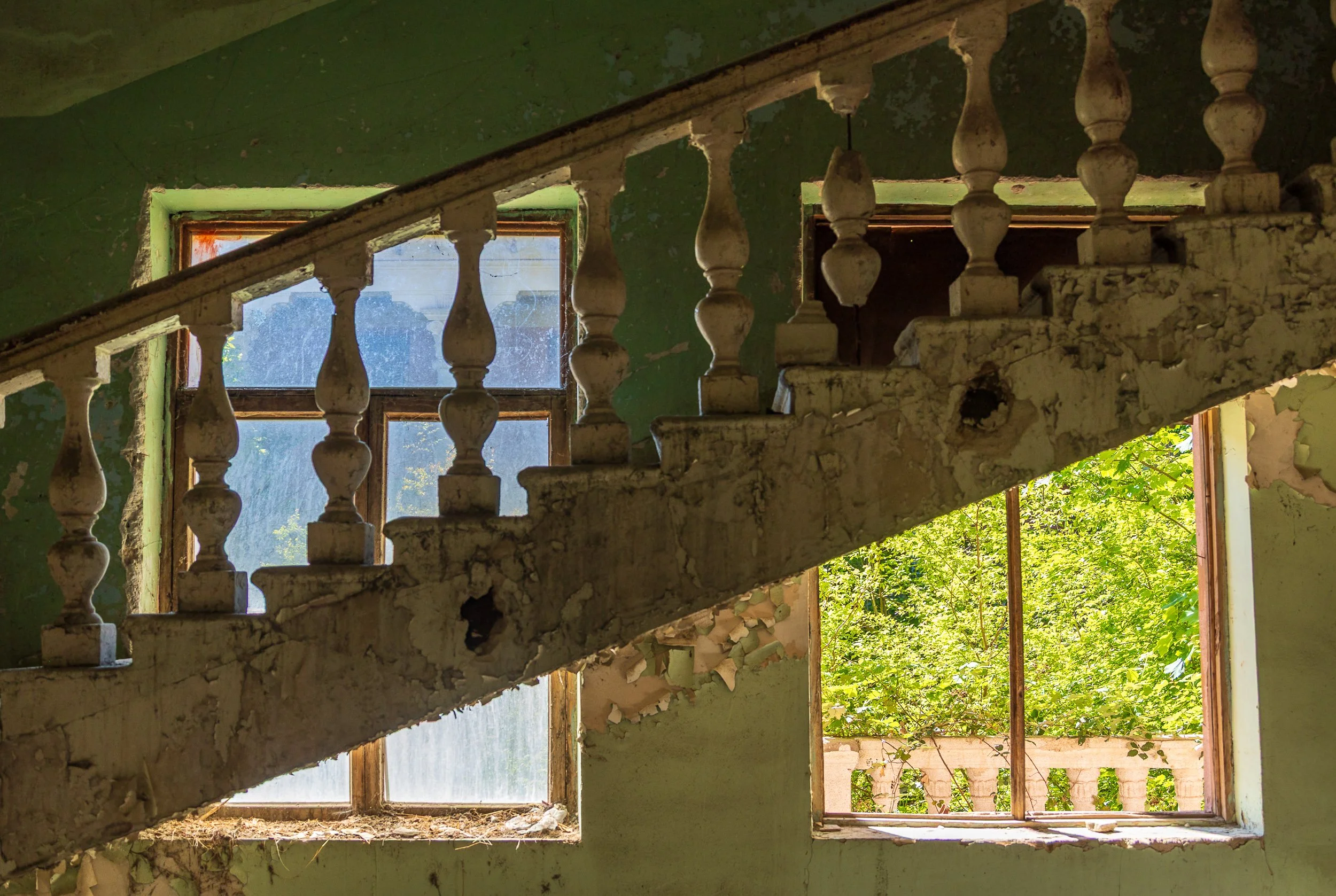
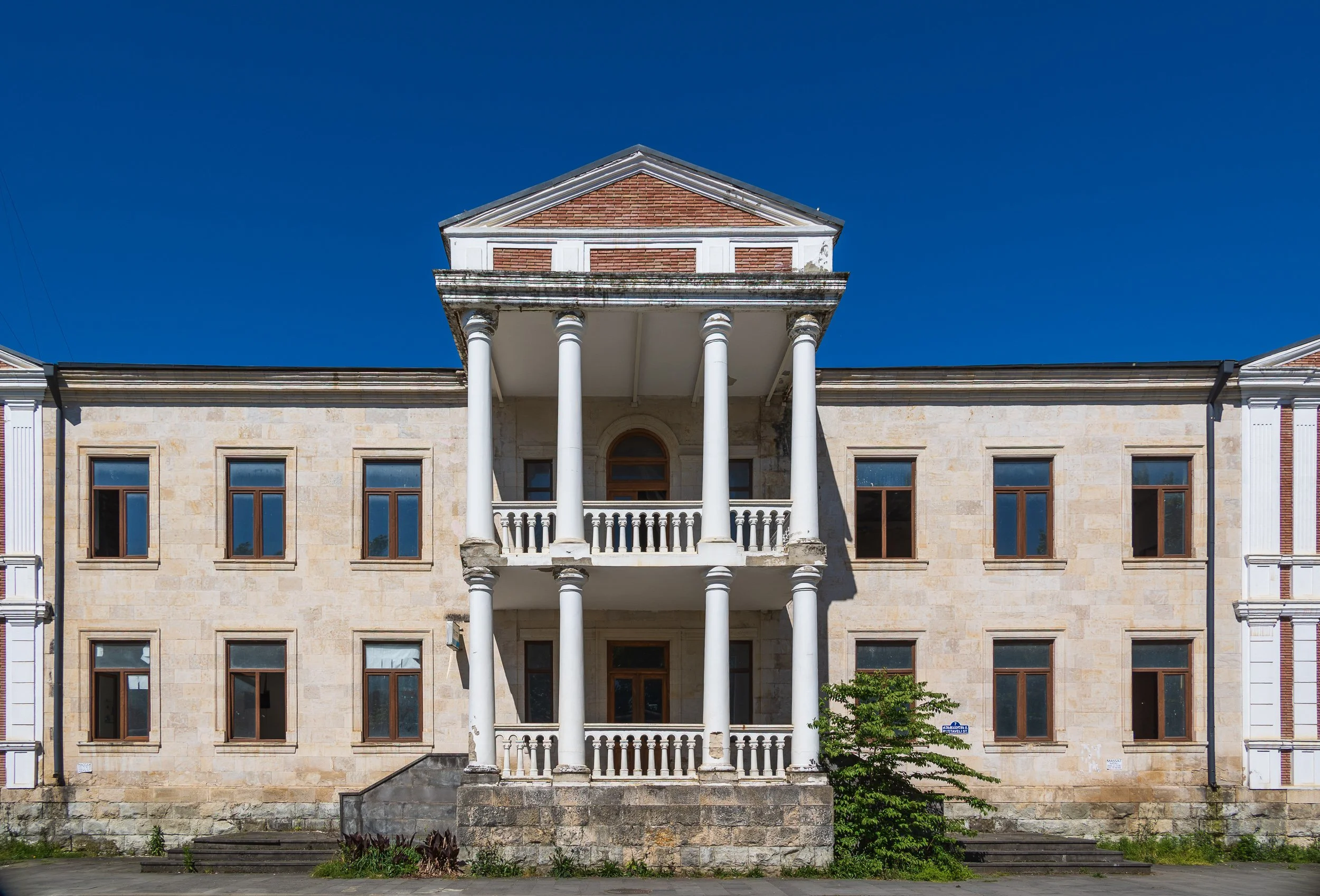
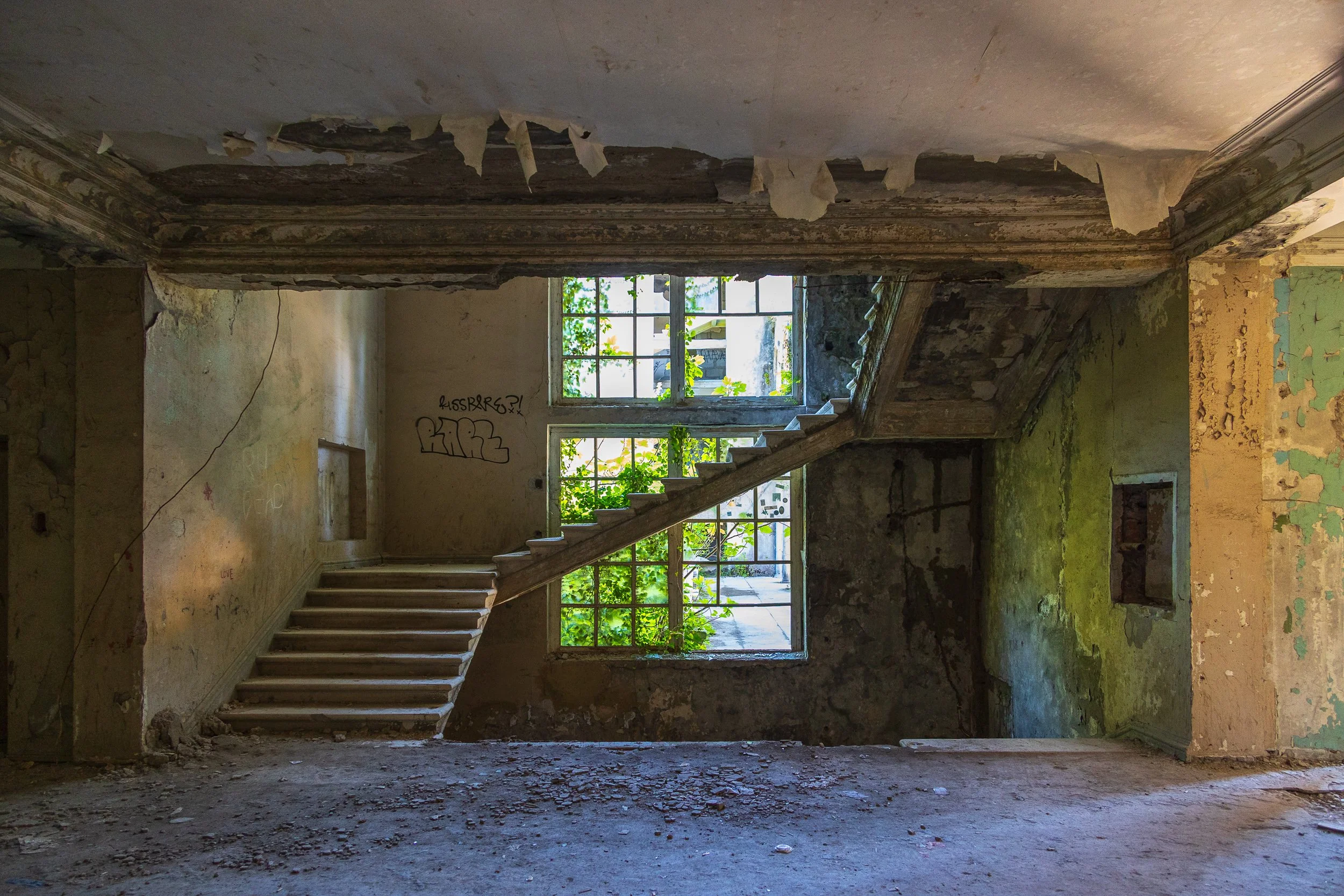
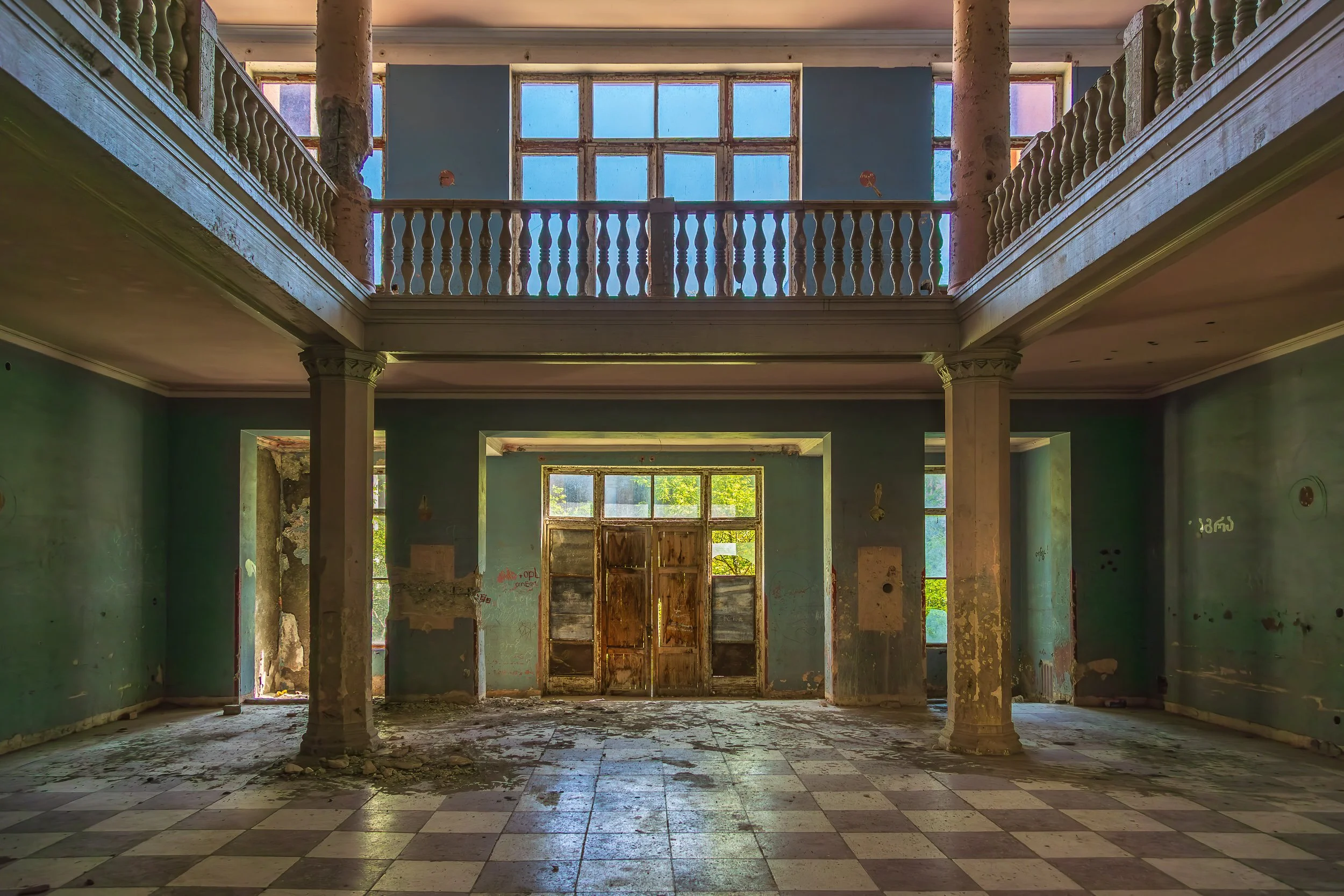
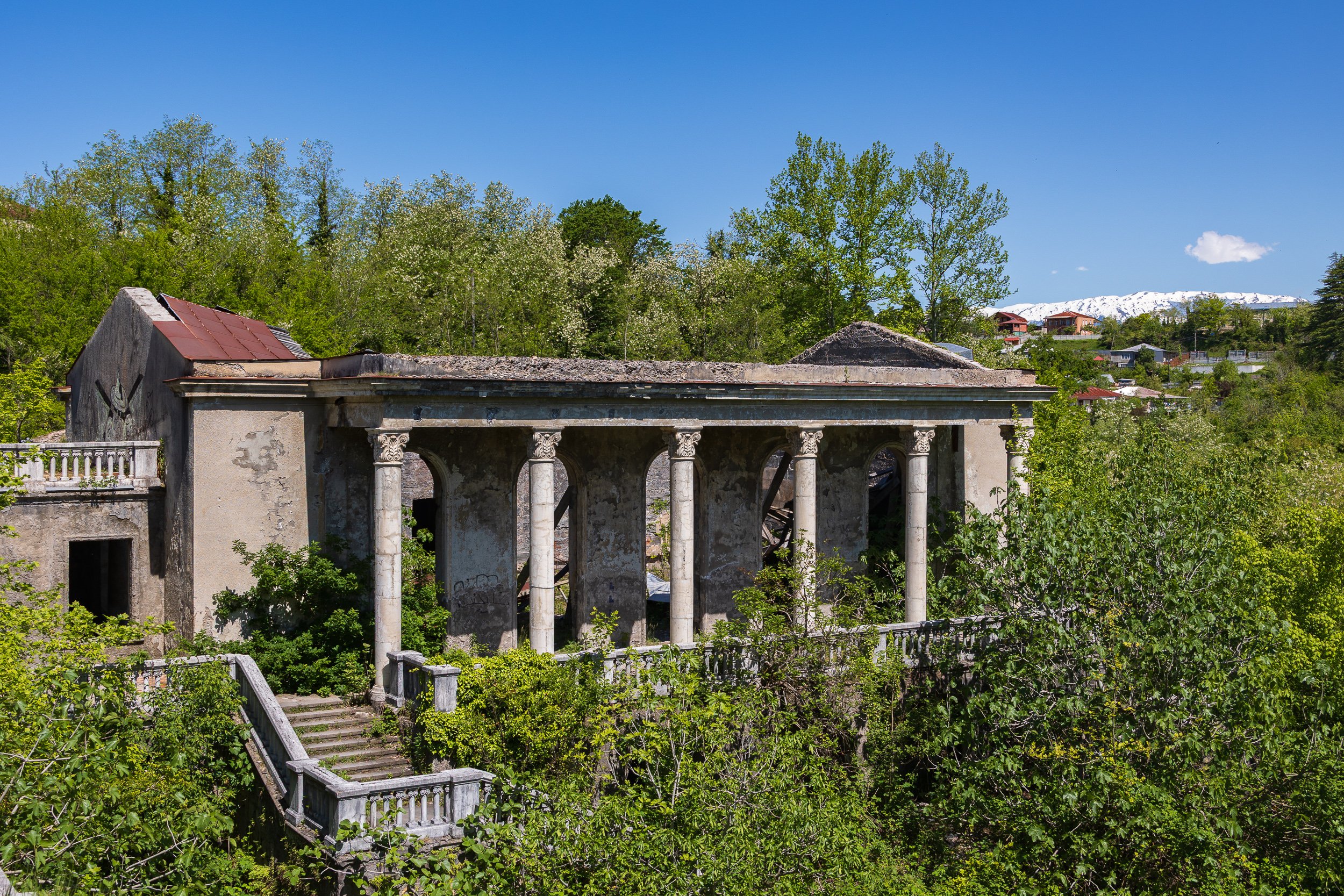
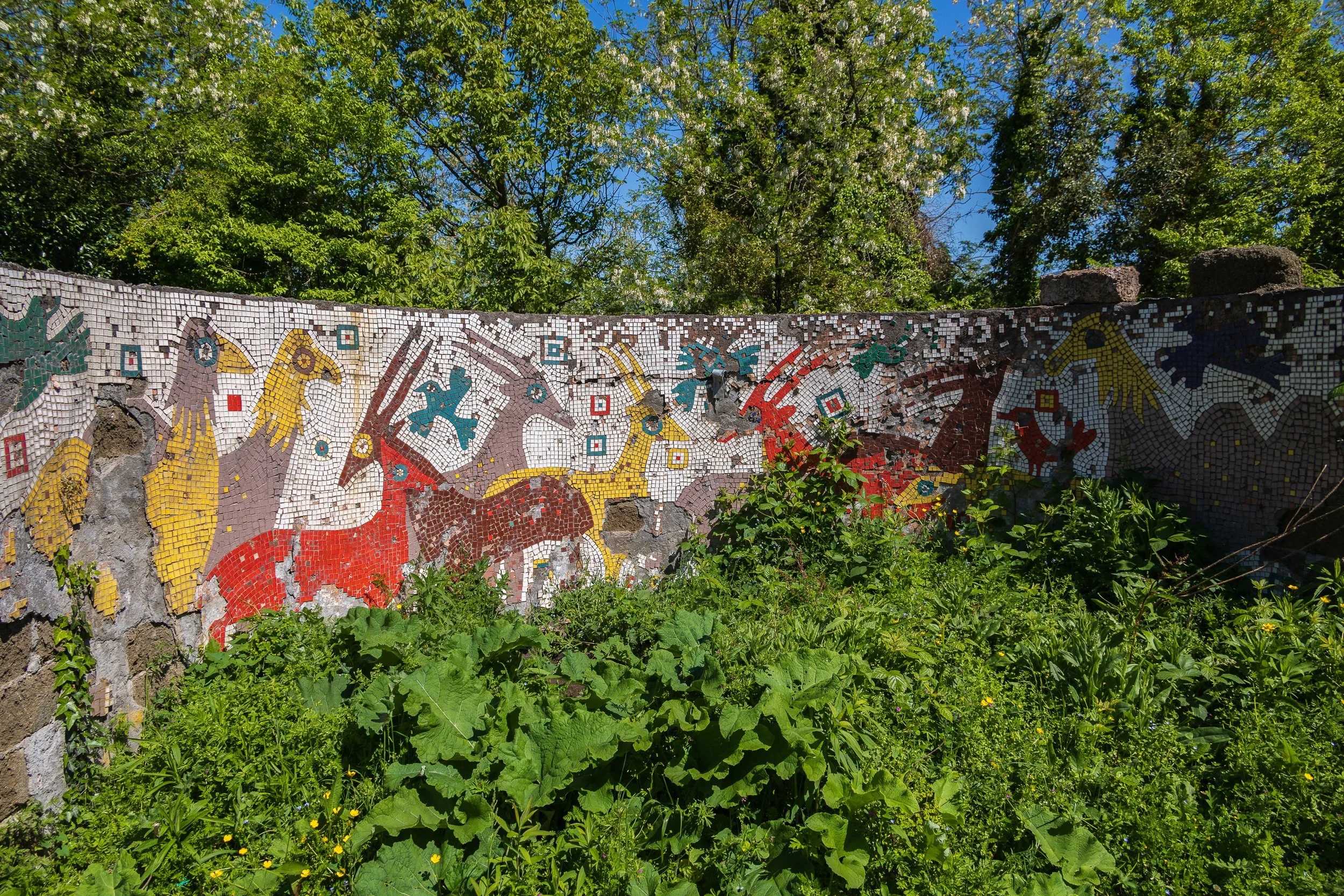
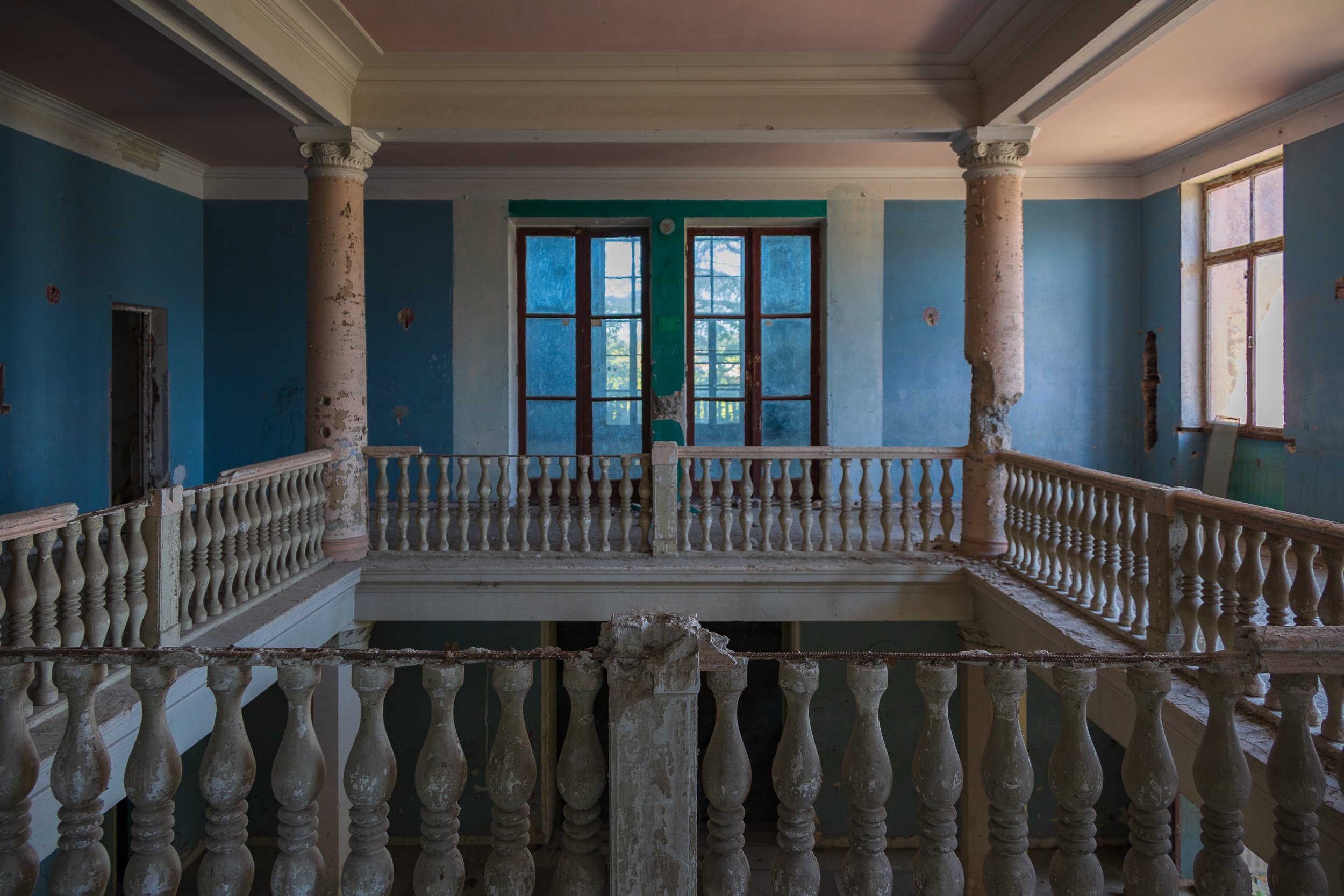
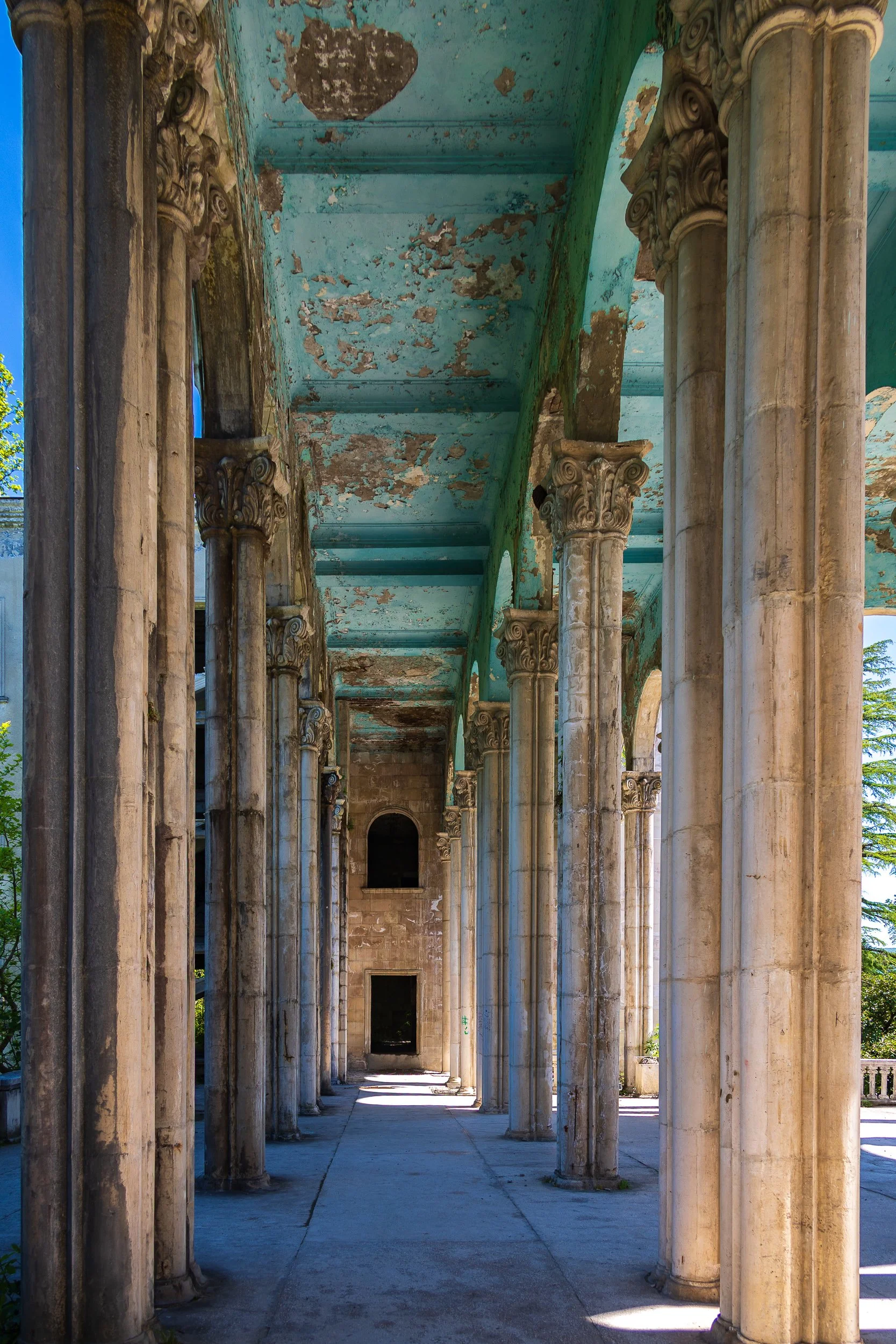
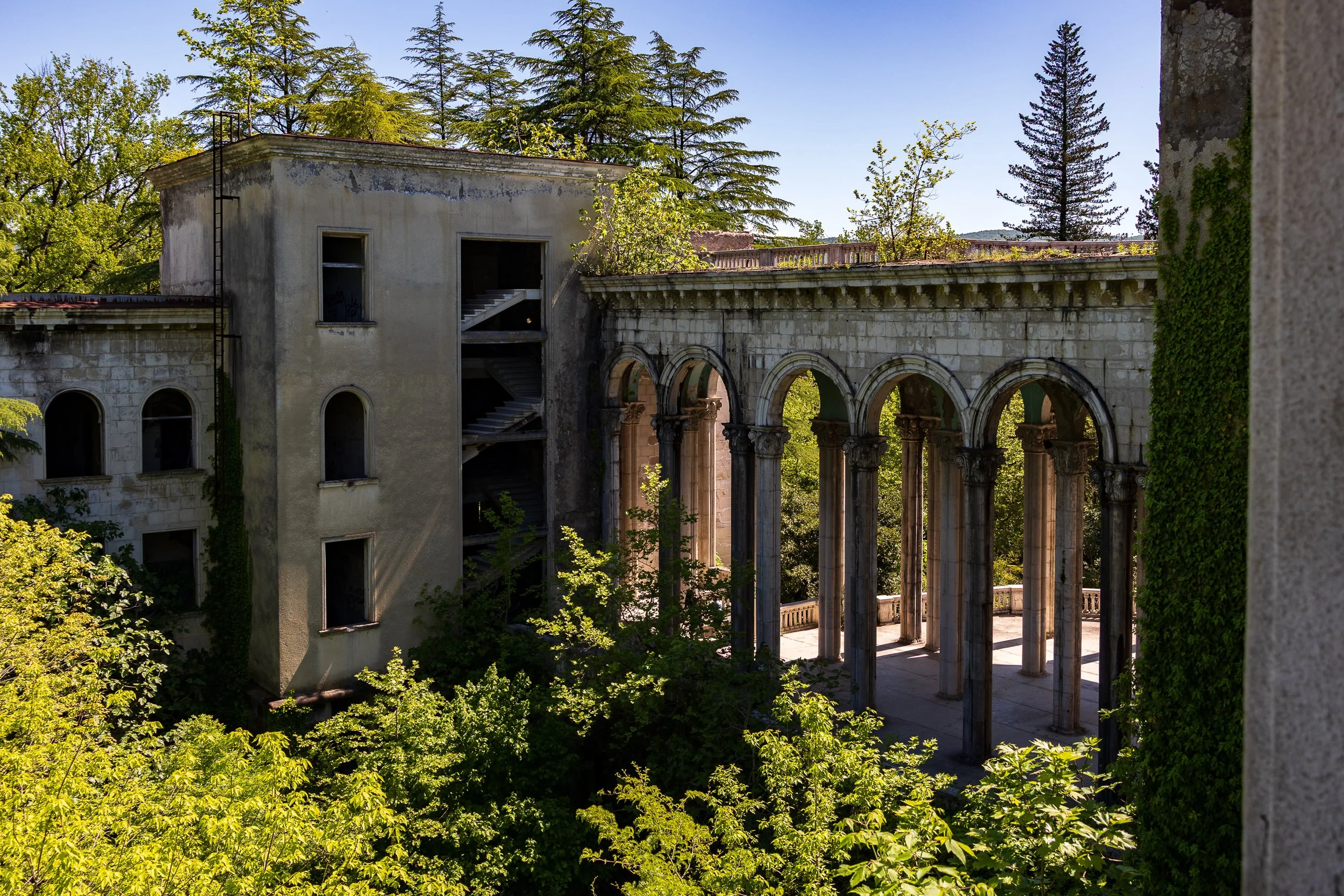
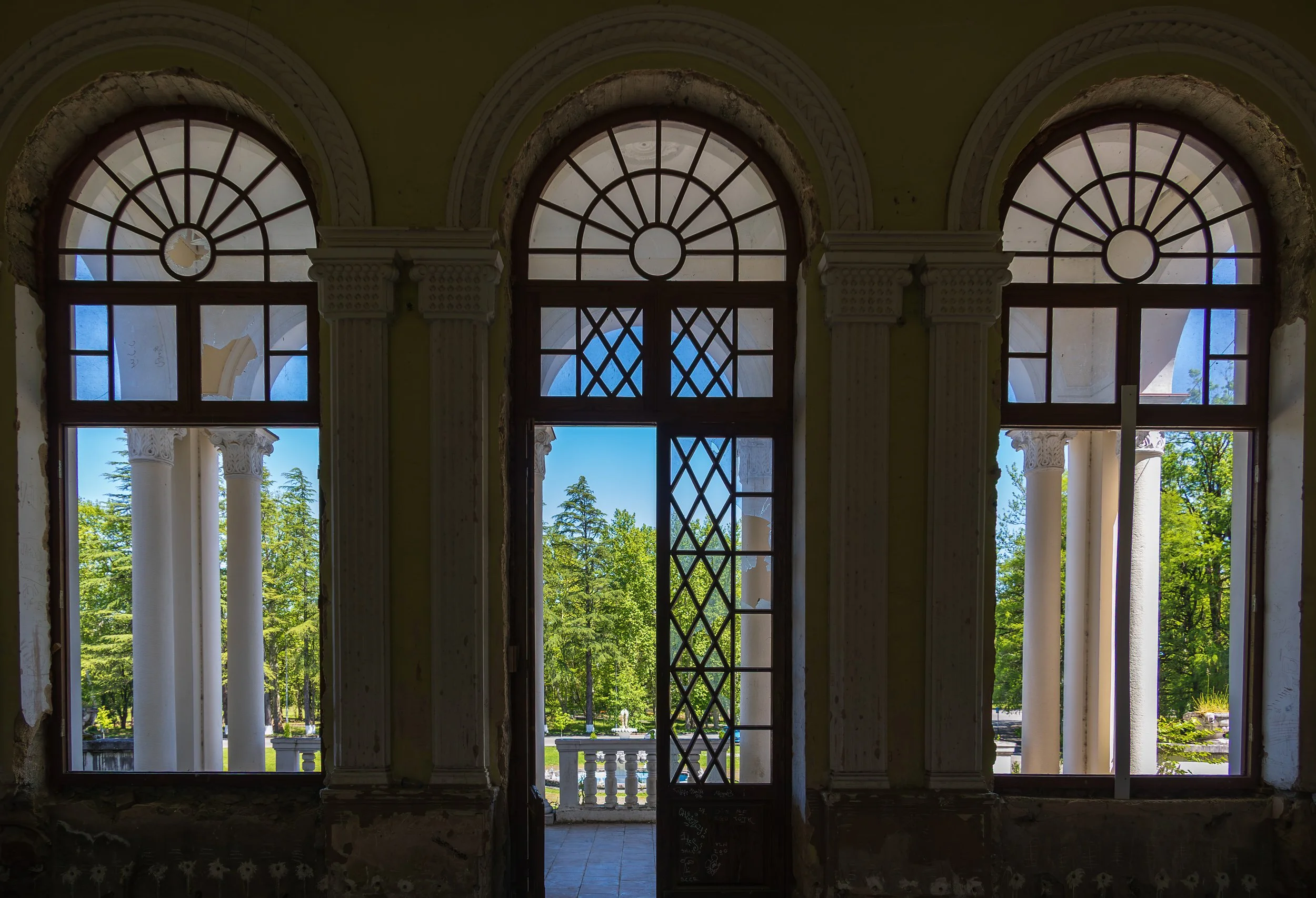
Tskaltubo, once the most popular spa destination in the Soviet Union. Up to 125,000 people a year arrived from across the USSR for state-mandated rest and recuperation, prescribed to bathe 20 to 30 minutes daily in radon-carbonate mineral springs that run naturally at 33 to 35 degrees.
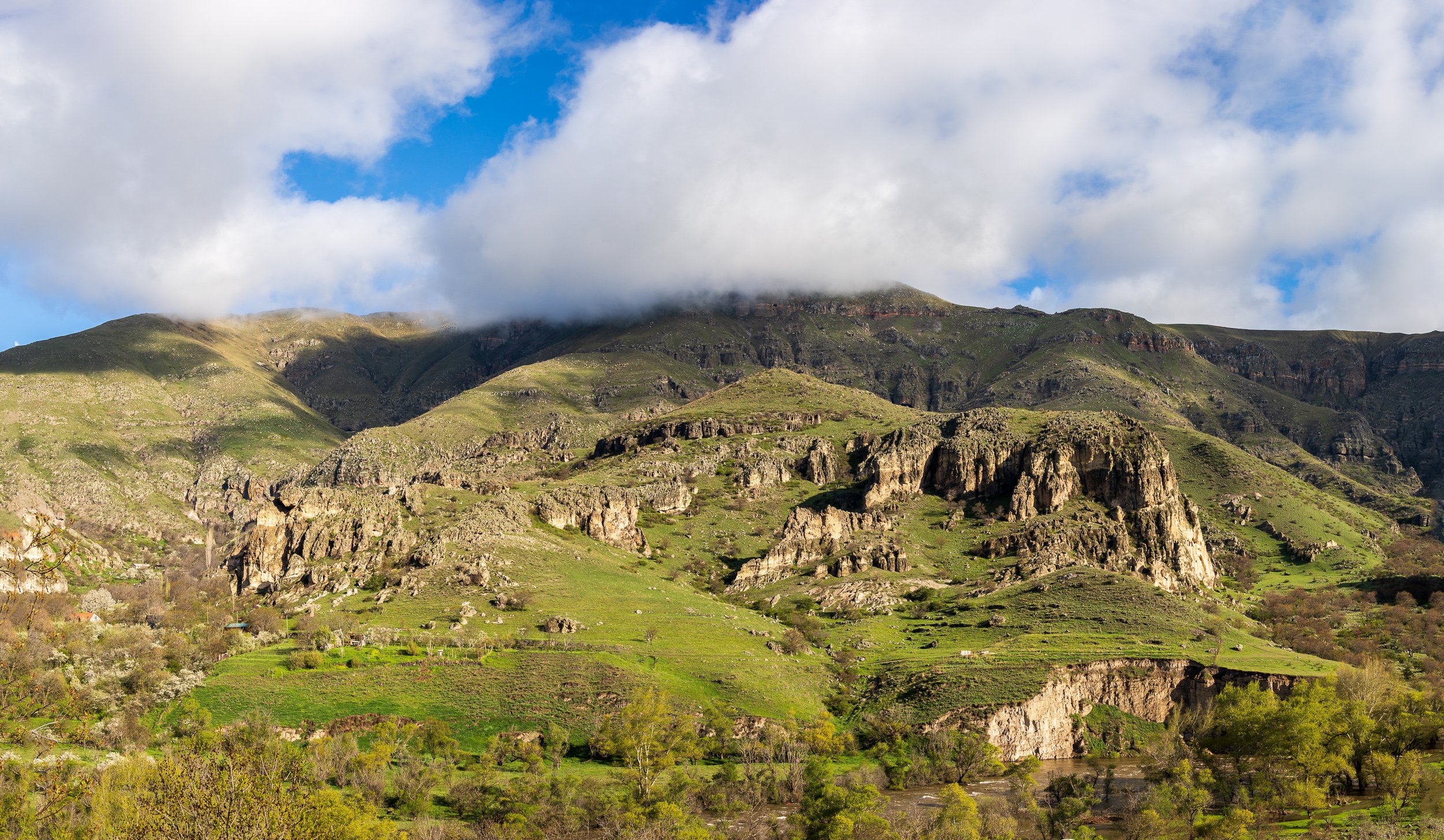
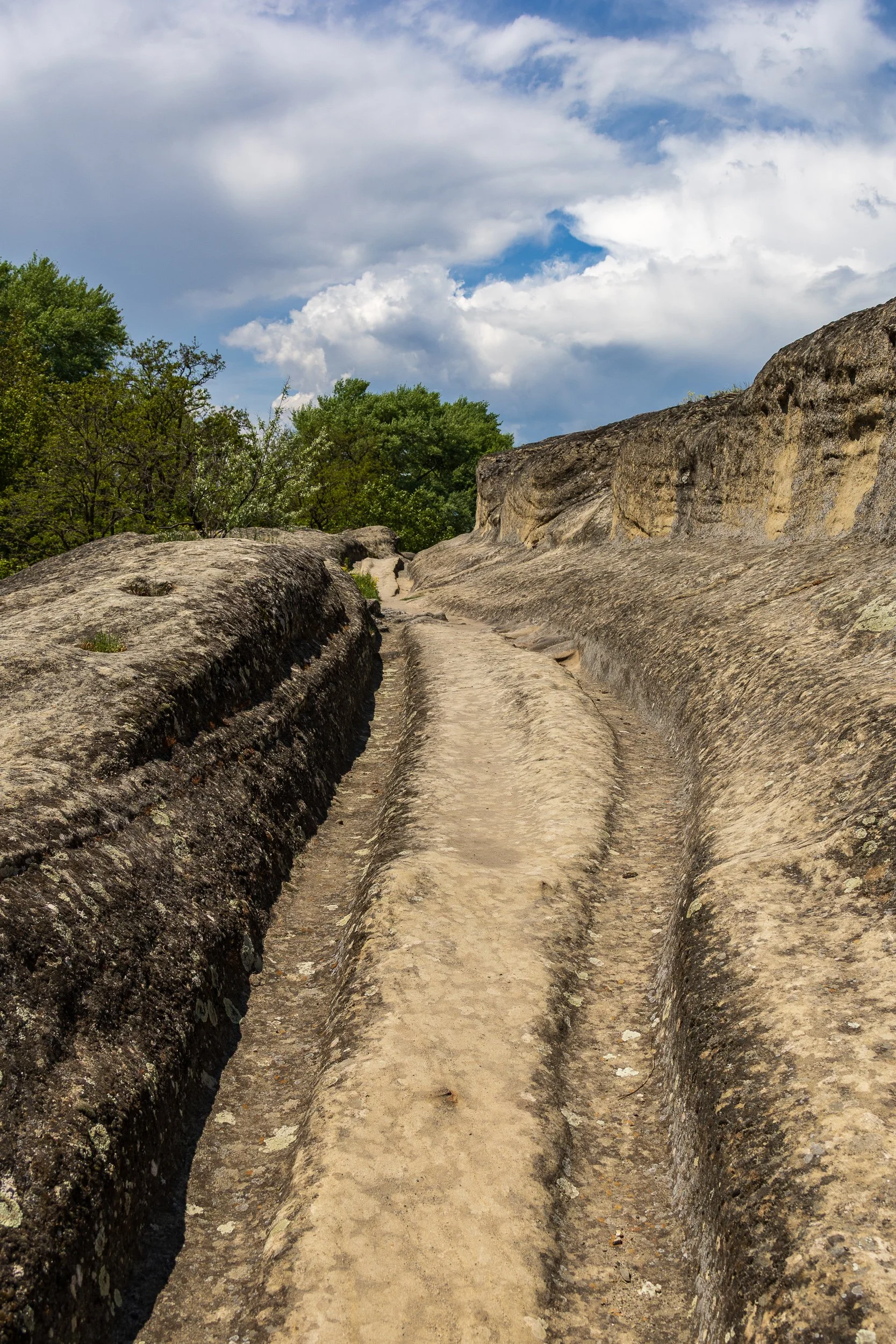
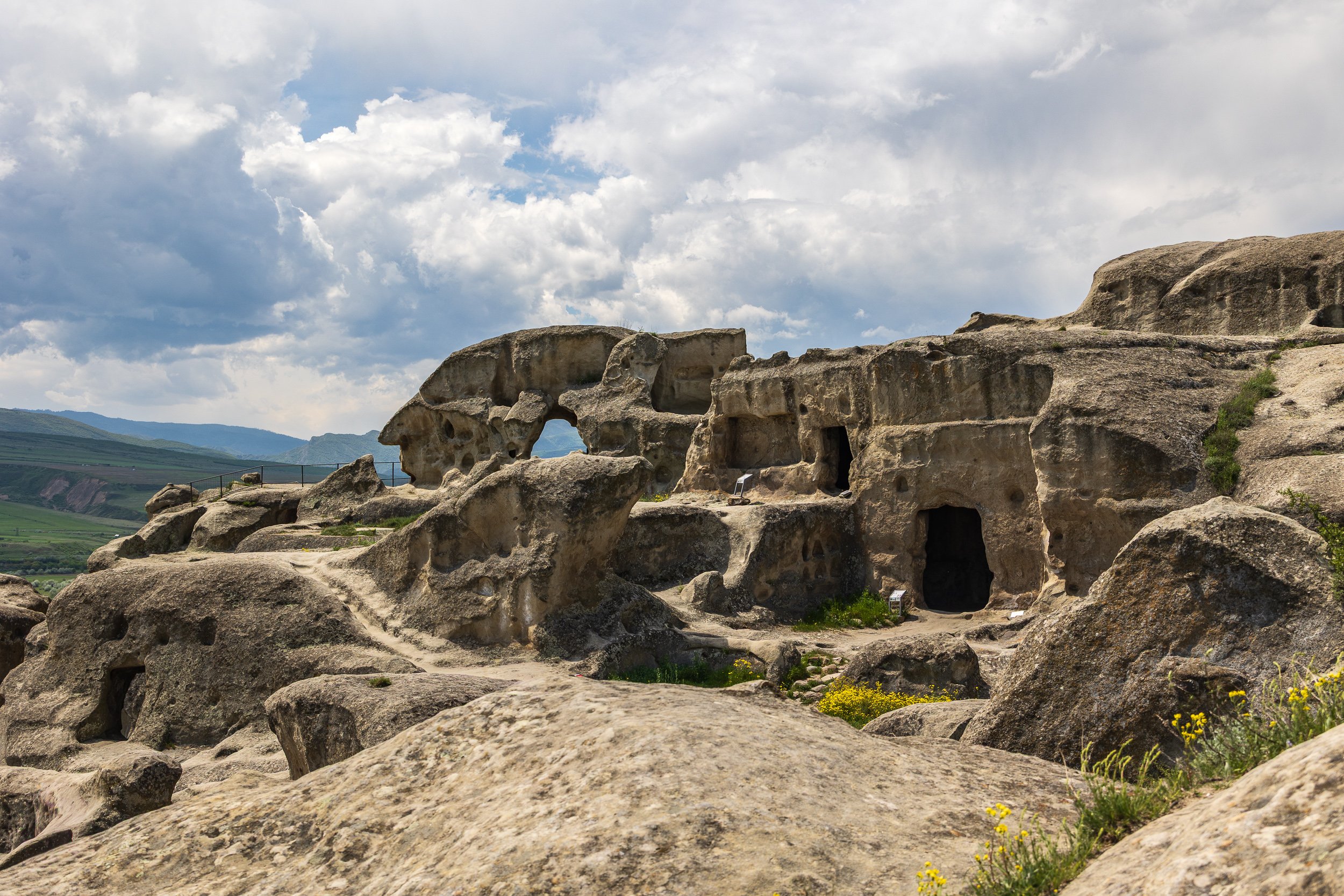
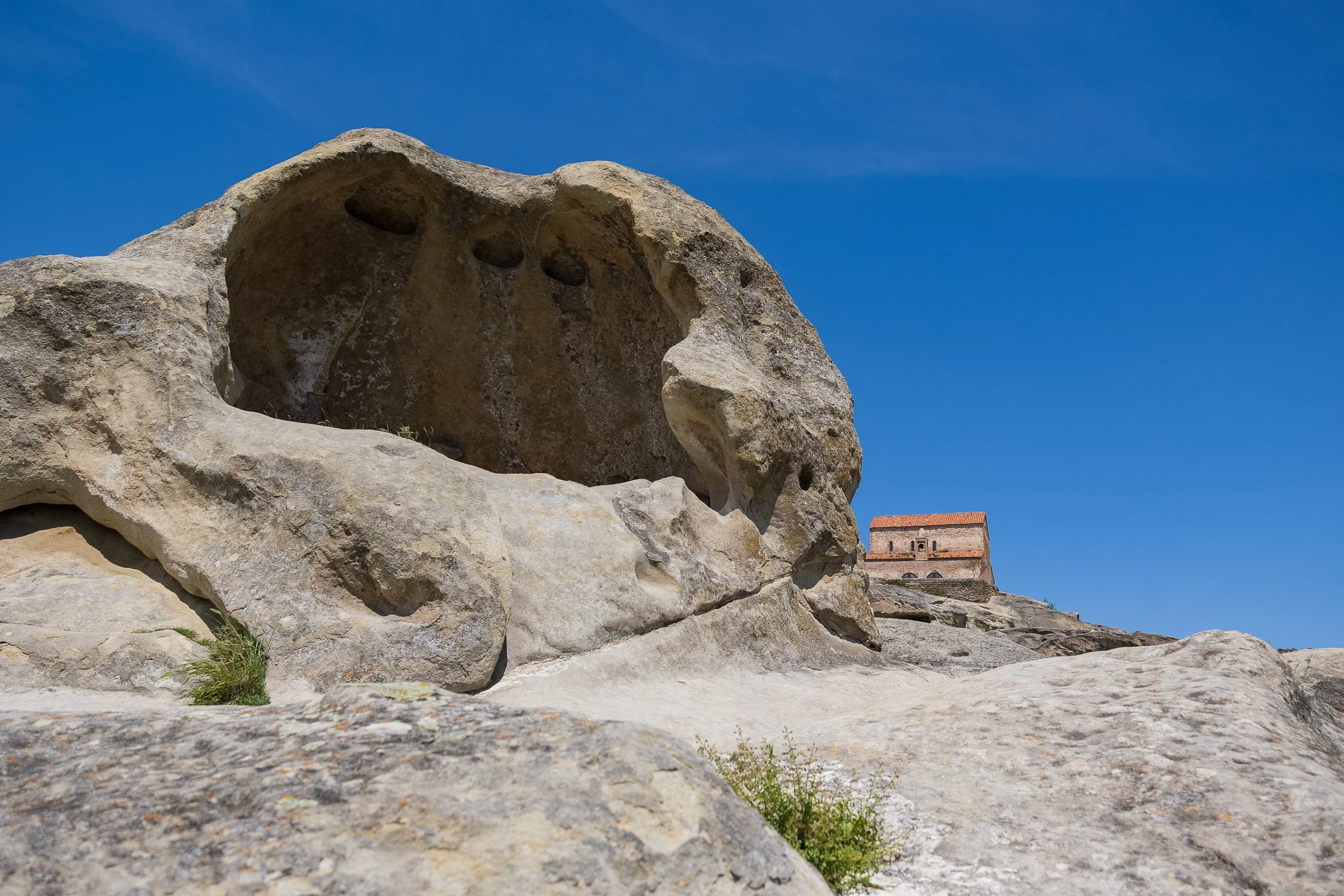
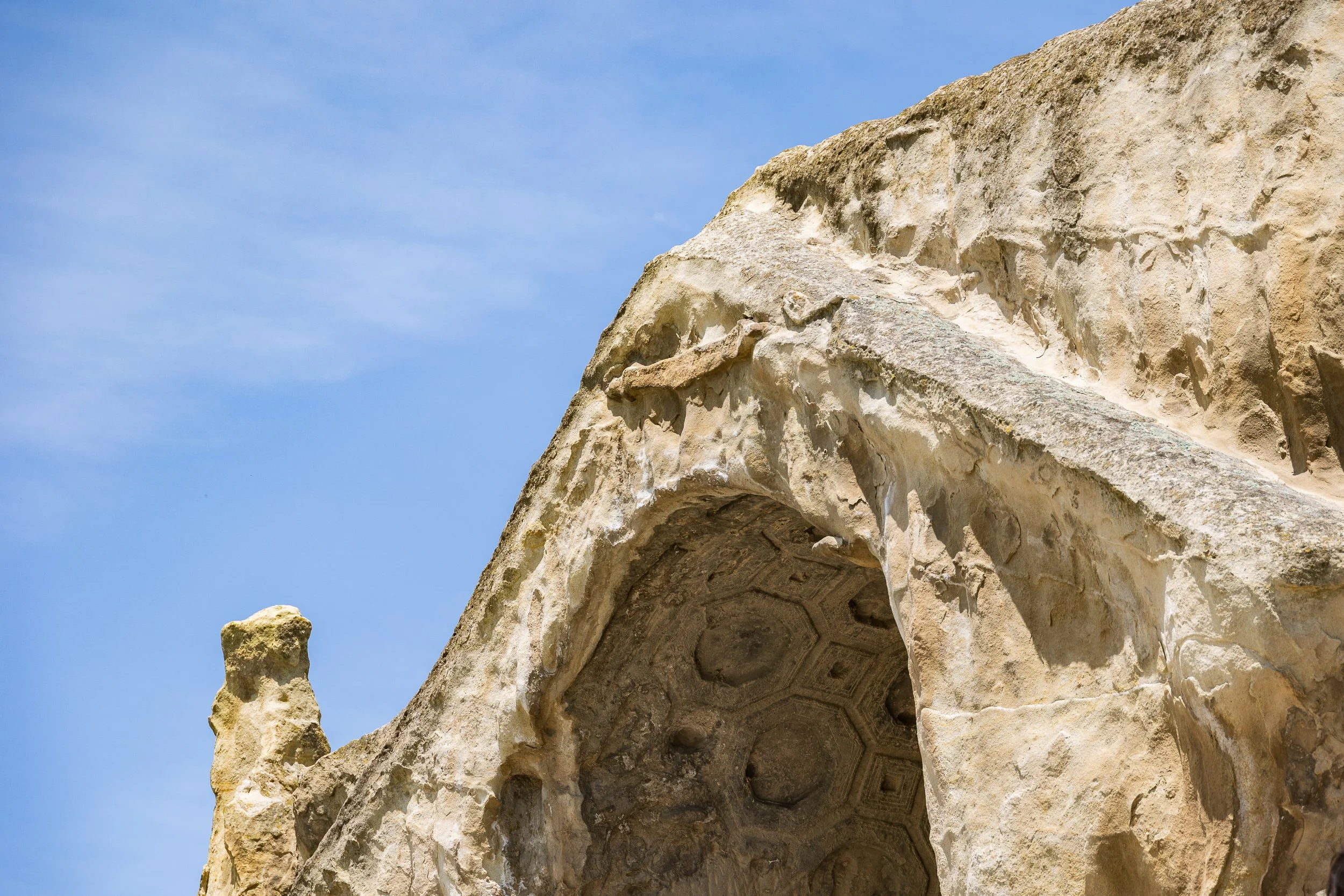
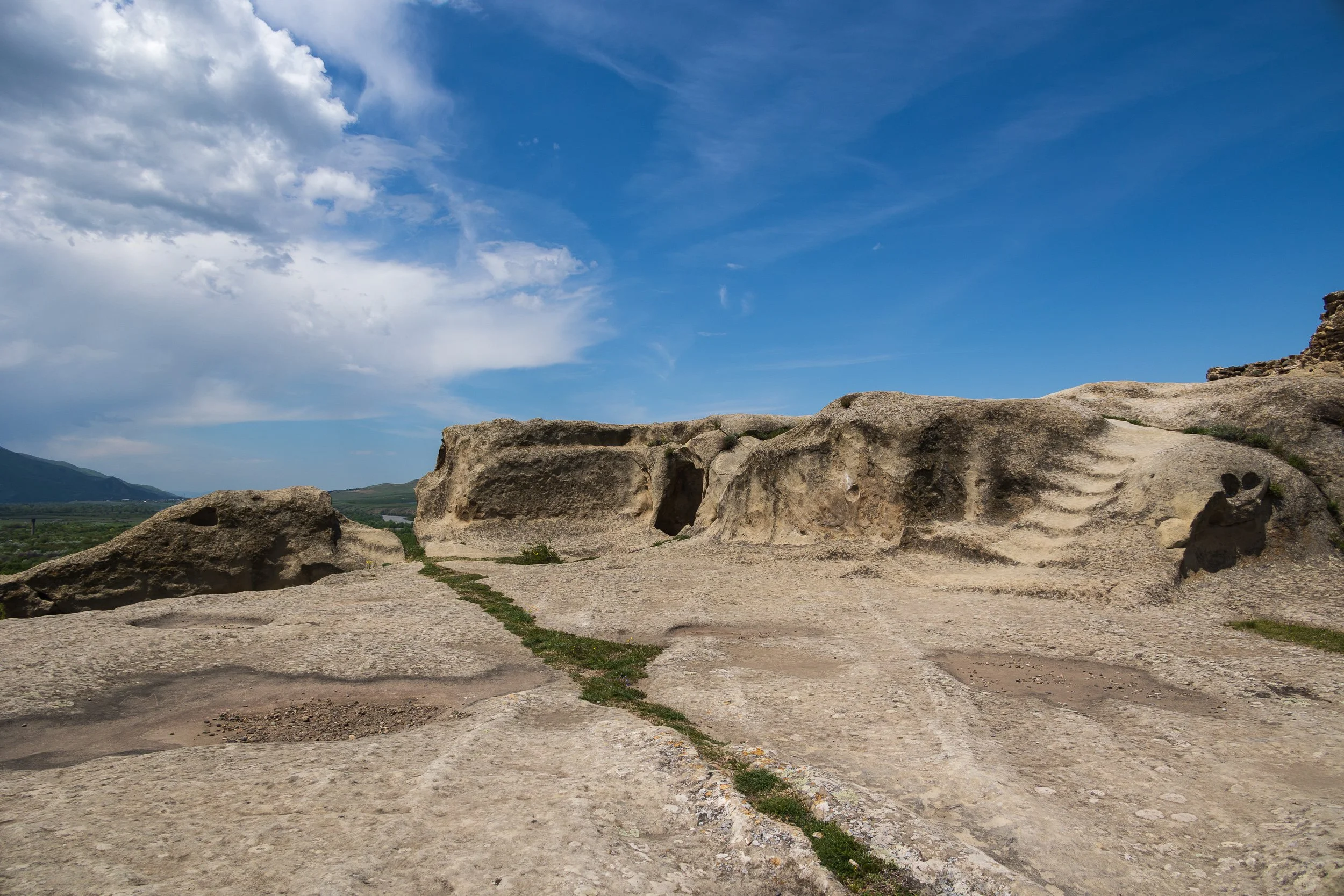
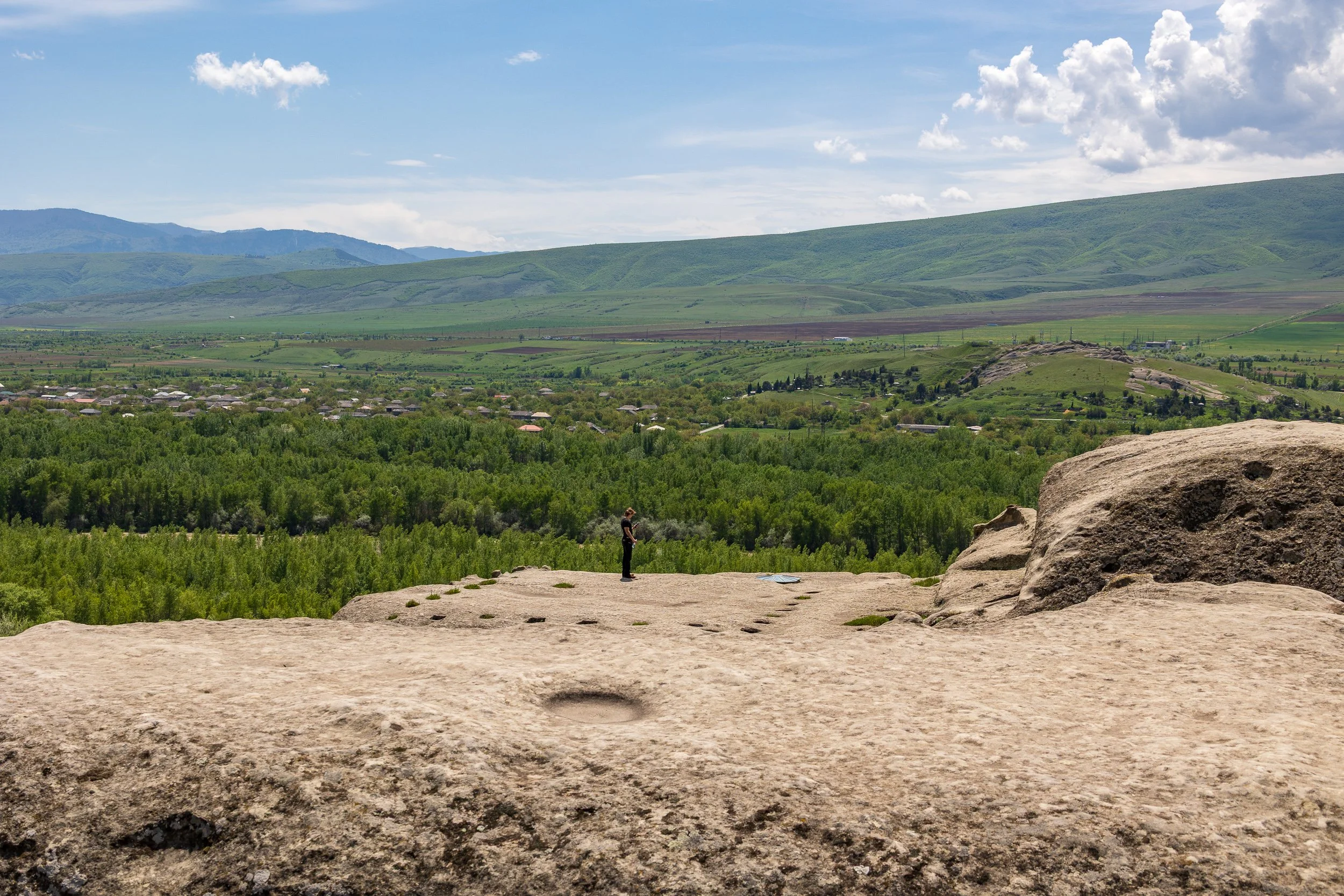
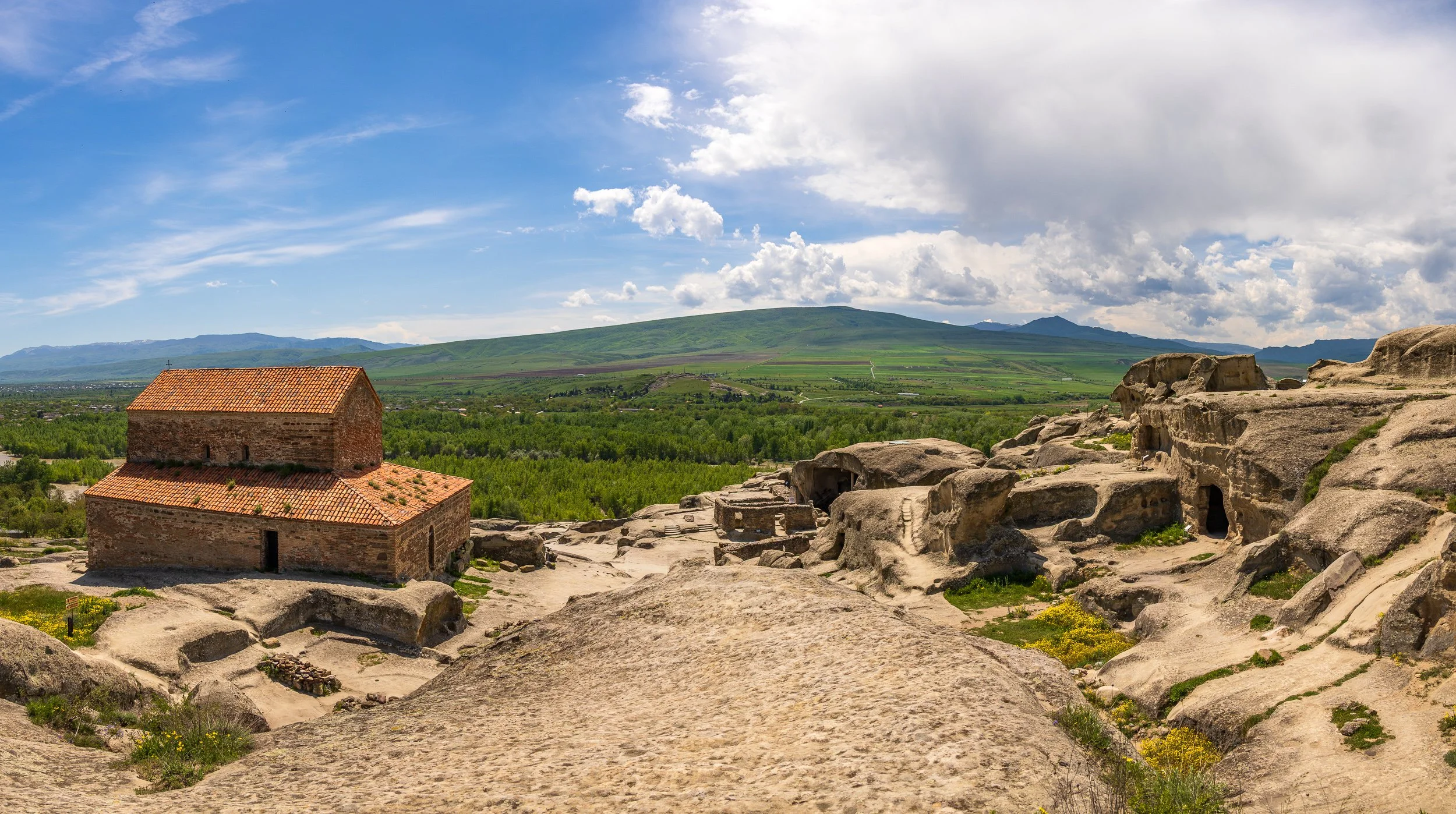
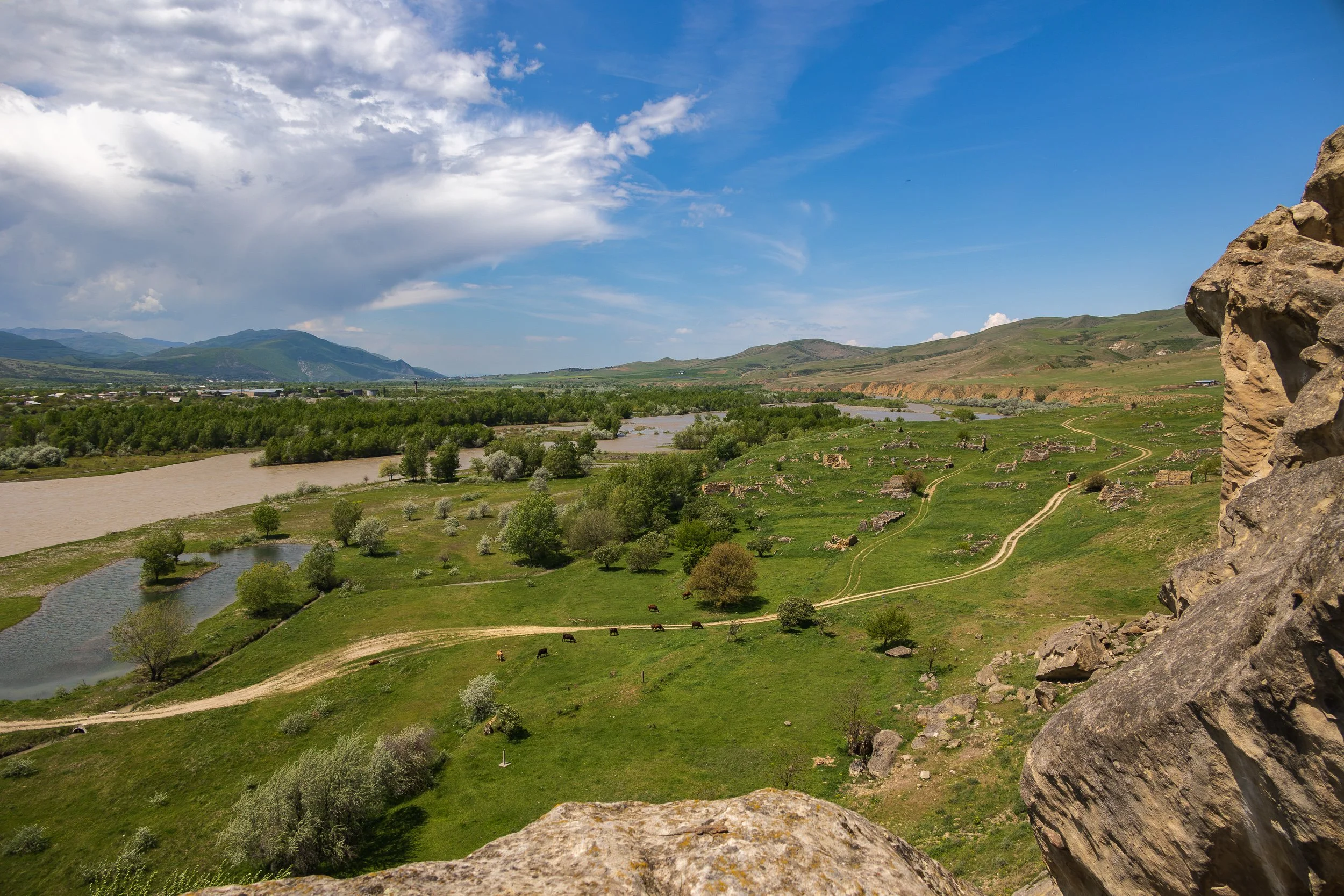
The old roads and water channels part of Uplistsikhe - a town carved into the cliffside that used to be an important spiritual center.
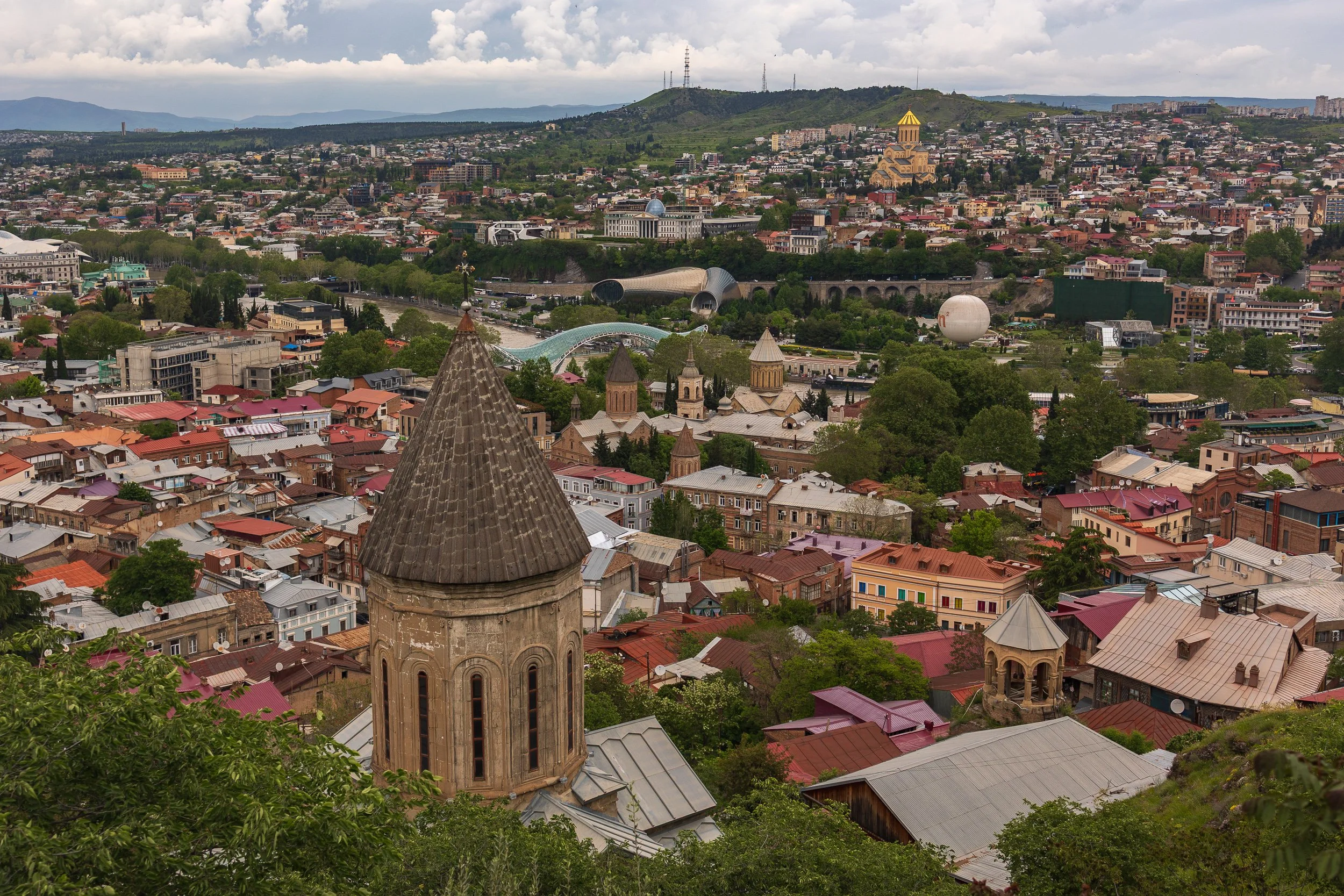
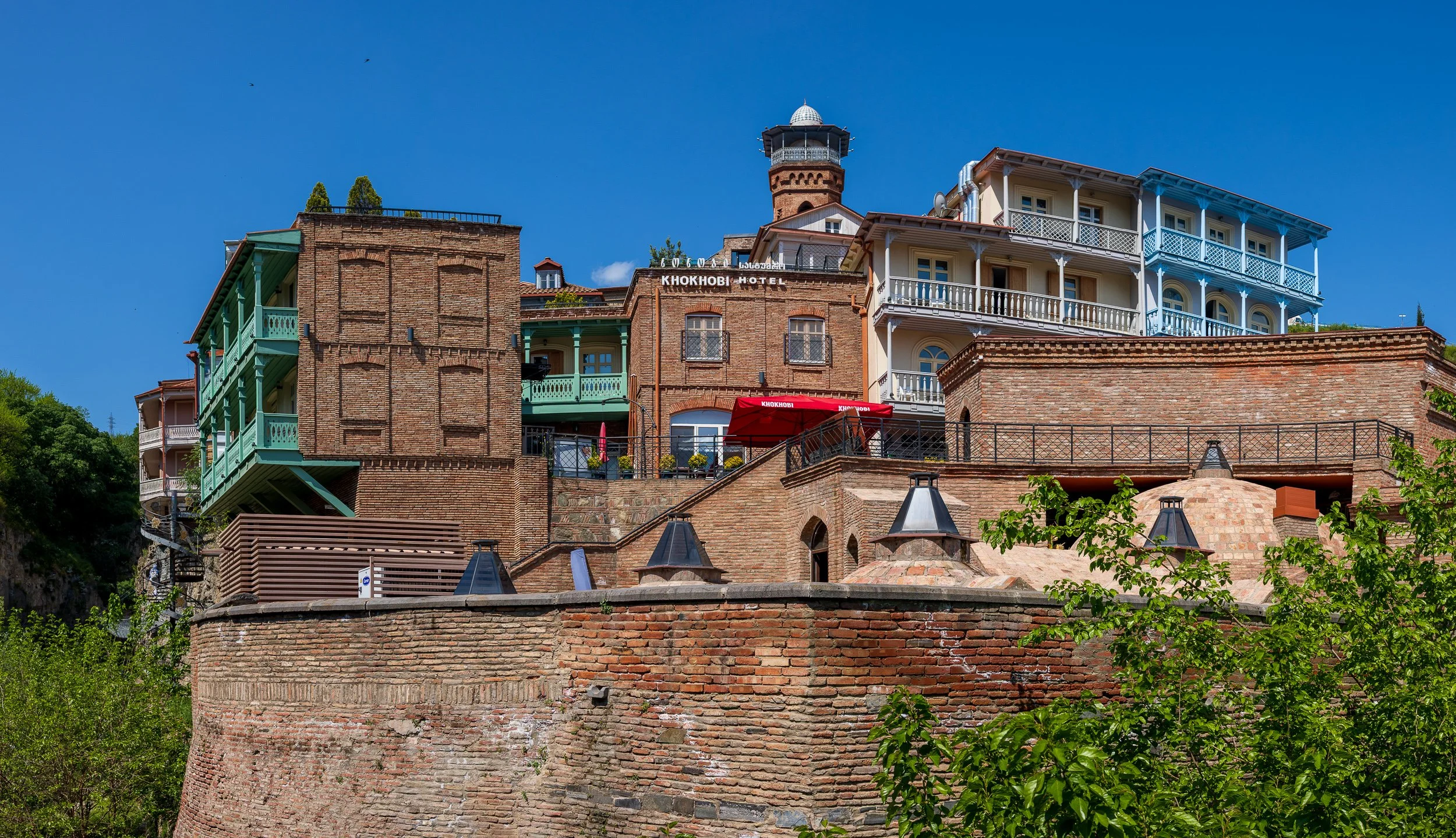
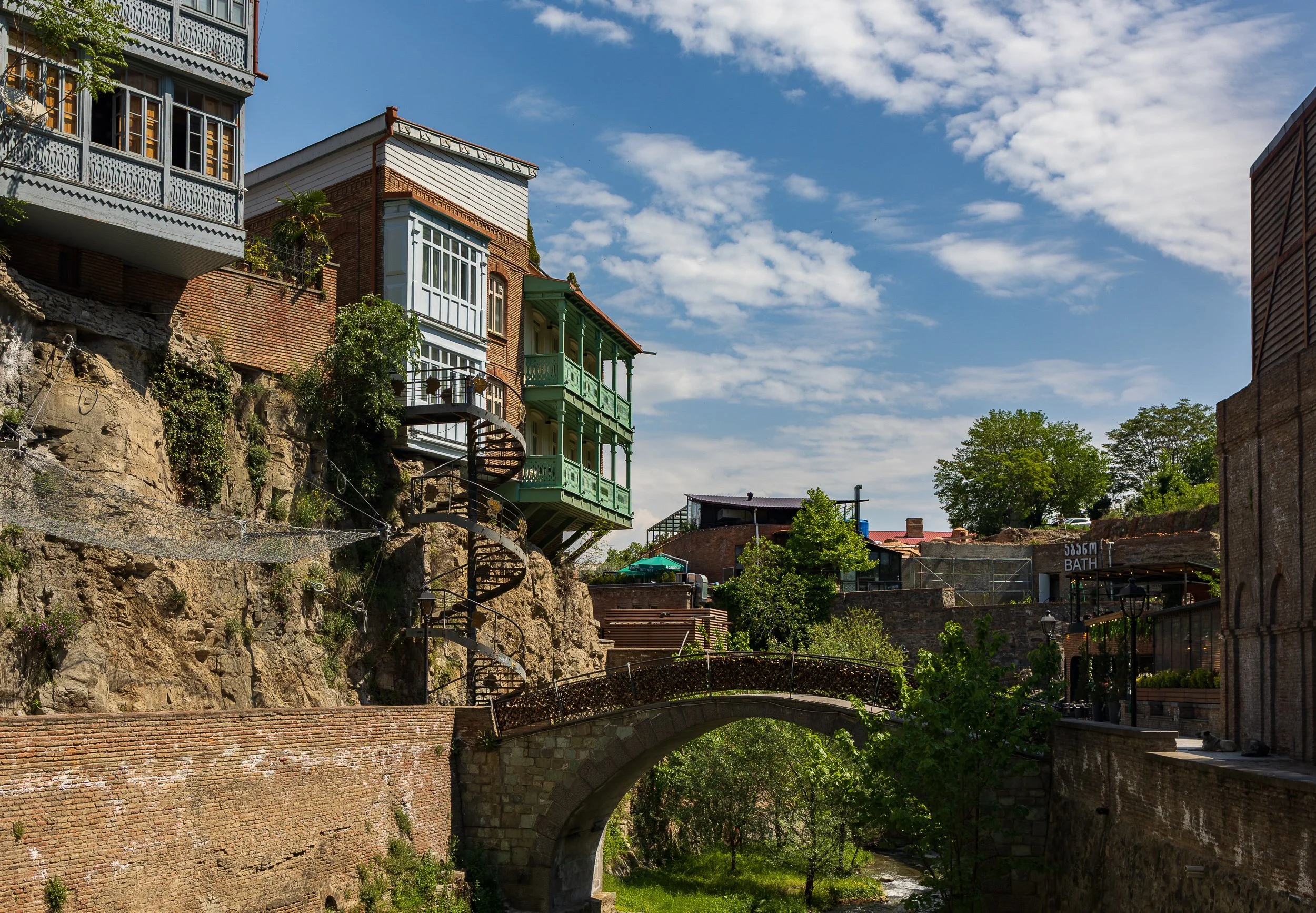
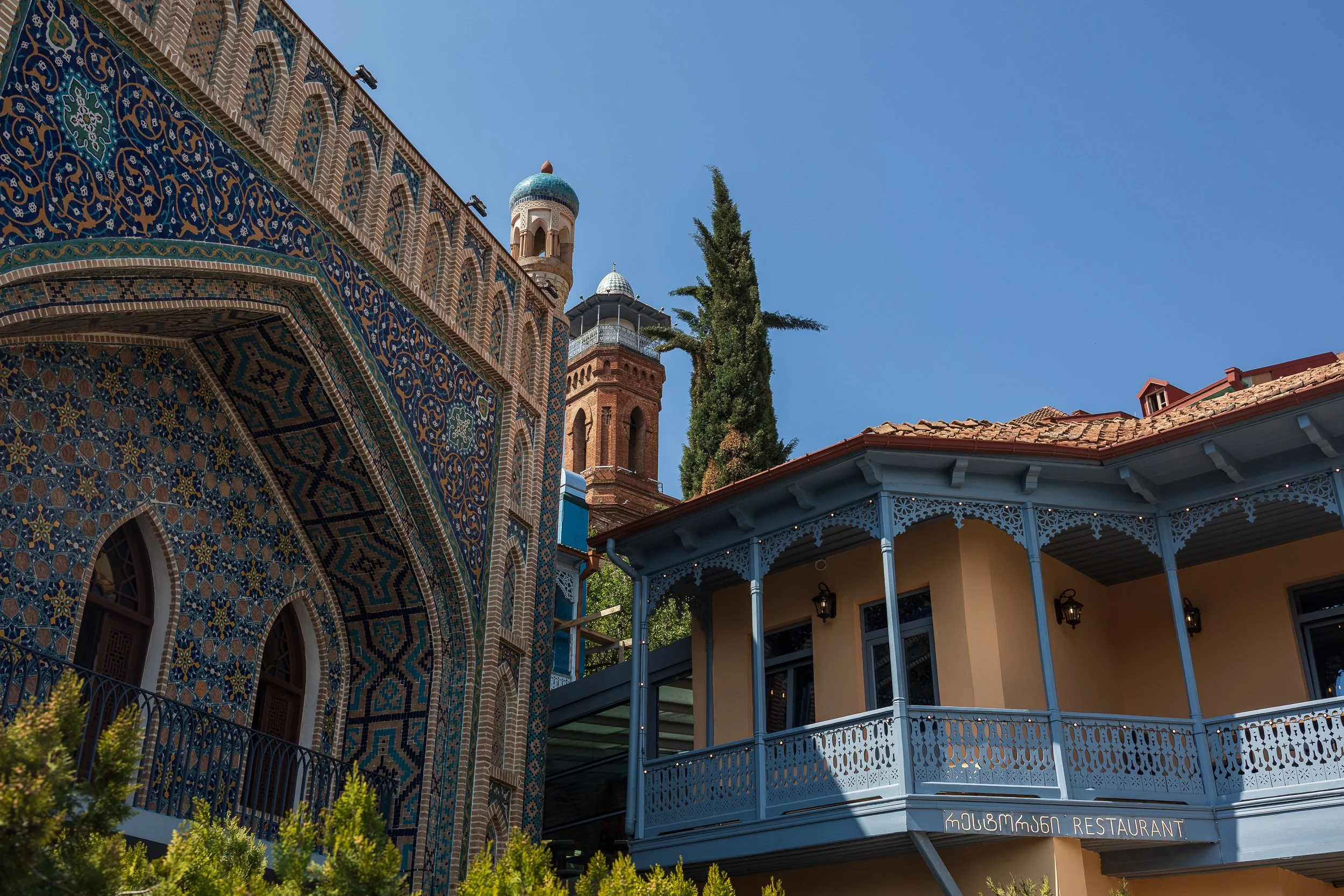
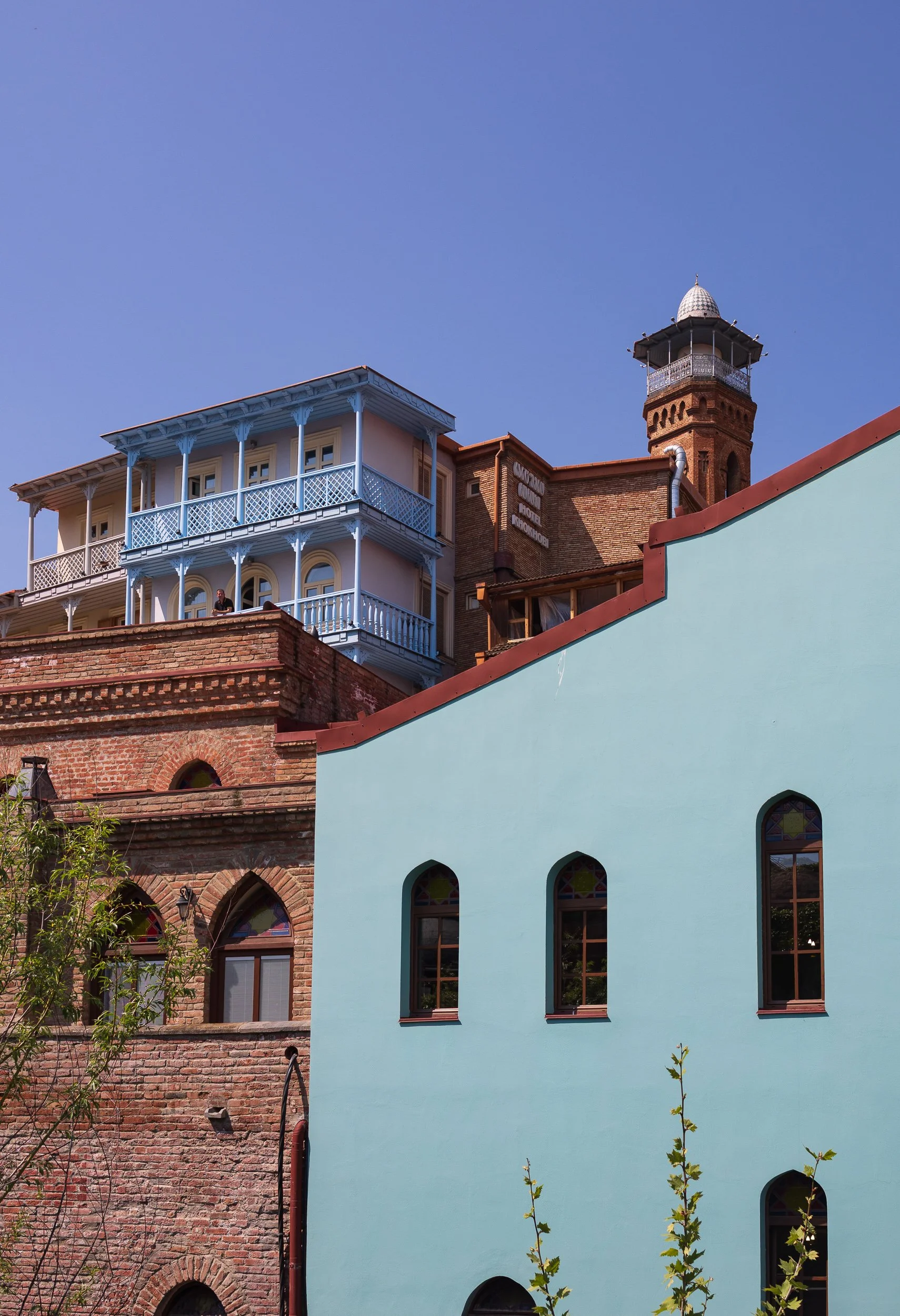
Tbilisi took me a few days to find my bearings: old town, new town, the river, the hills, neighbourhoods folding into neighbourhoods. I started at the top of the city next to the Mother of Georgia statue to get the lay of the land as the sun went down.
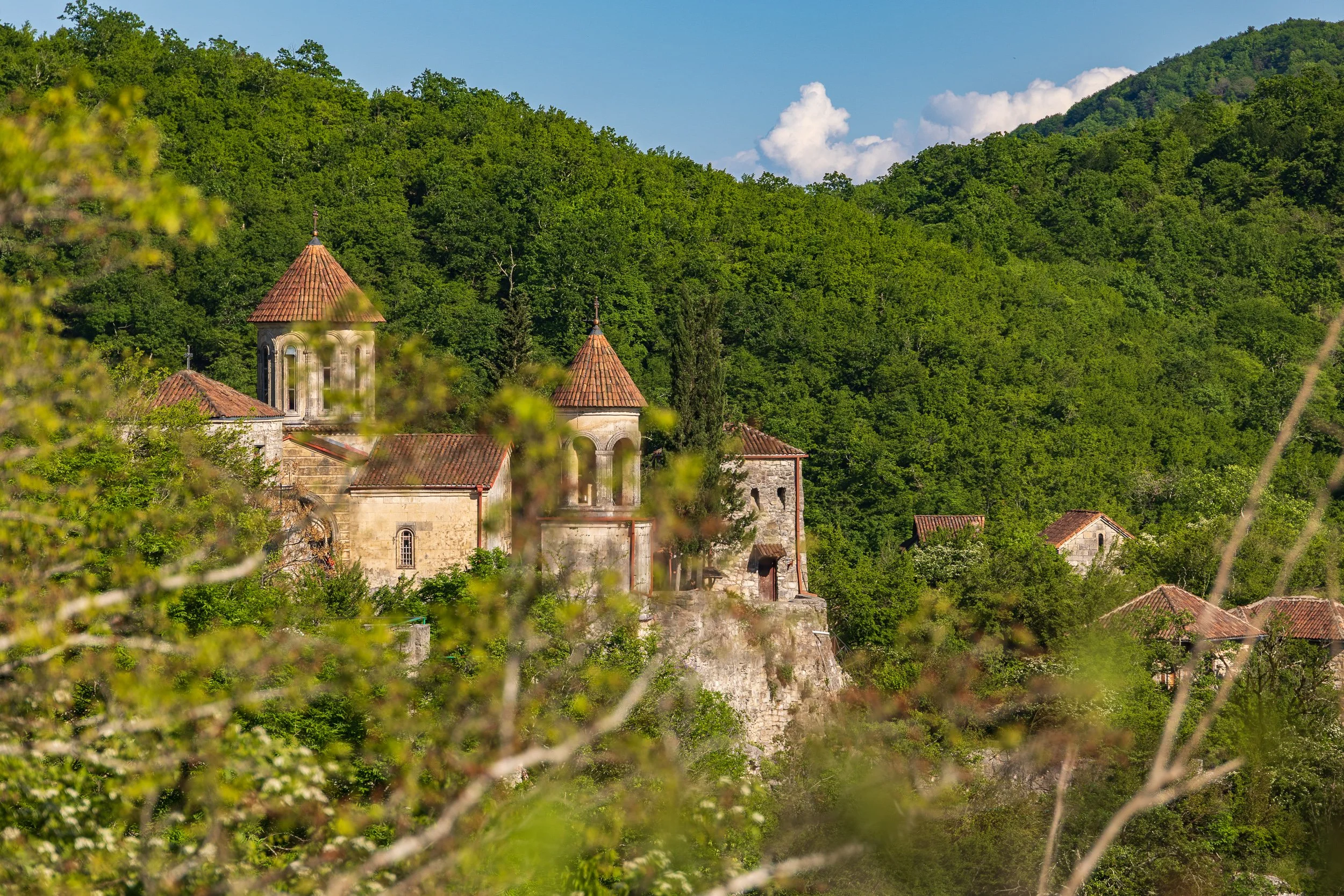
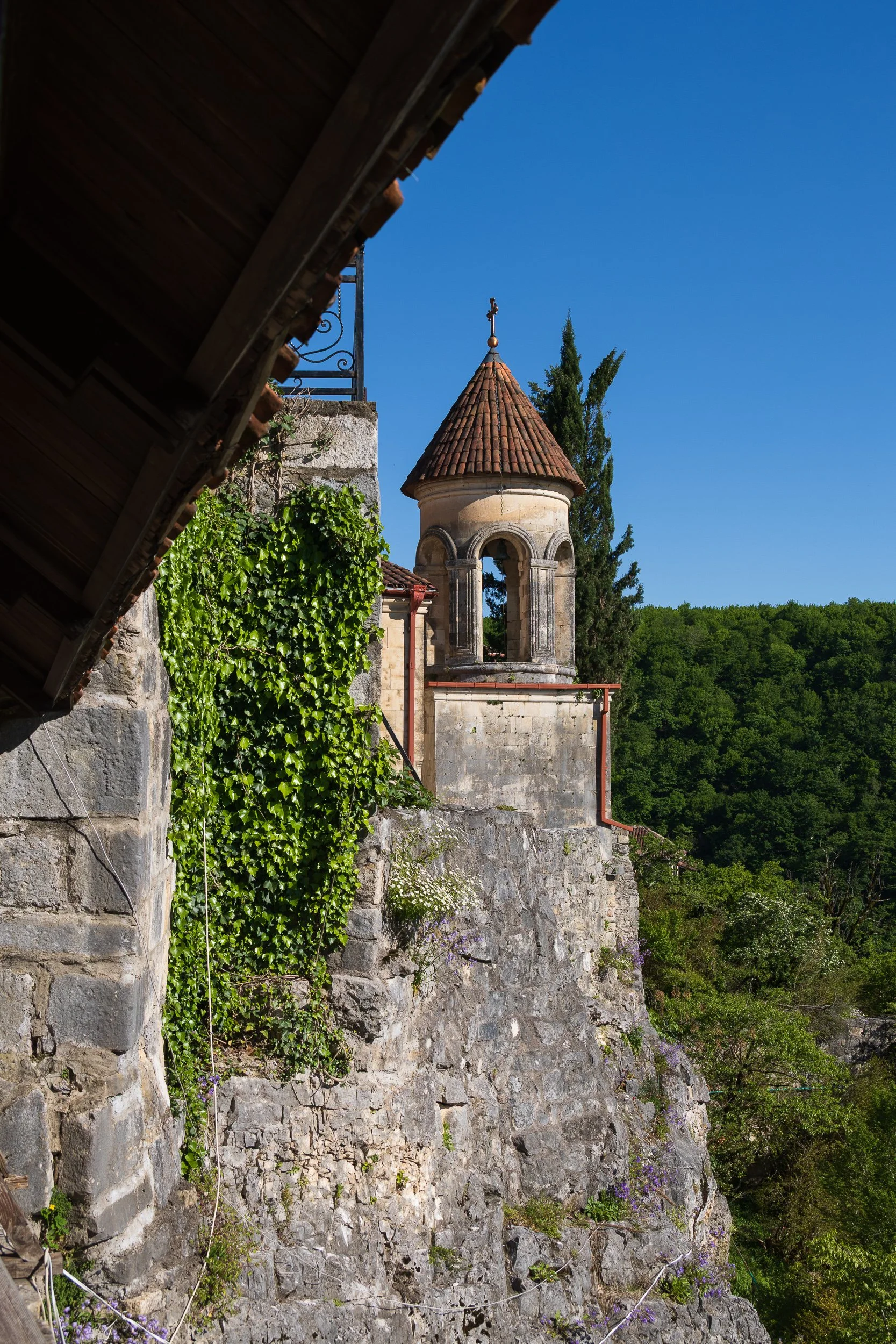
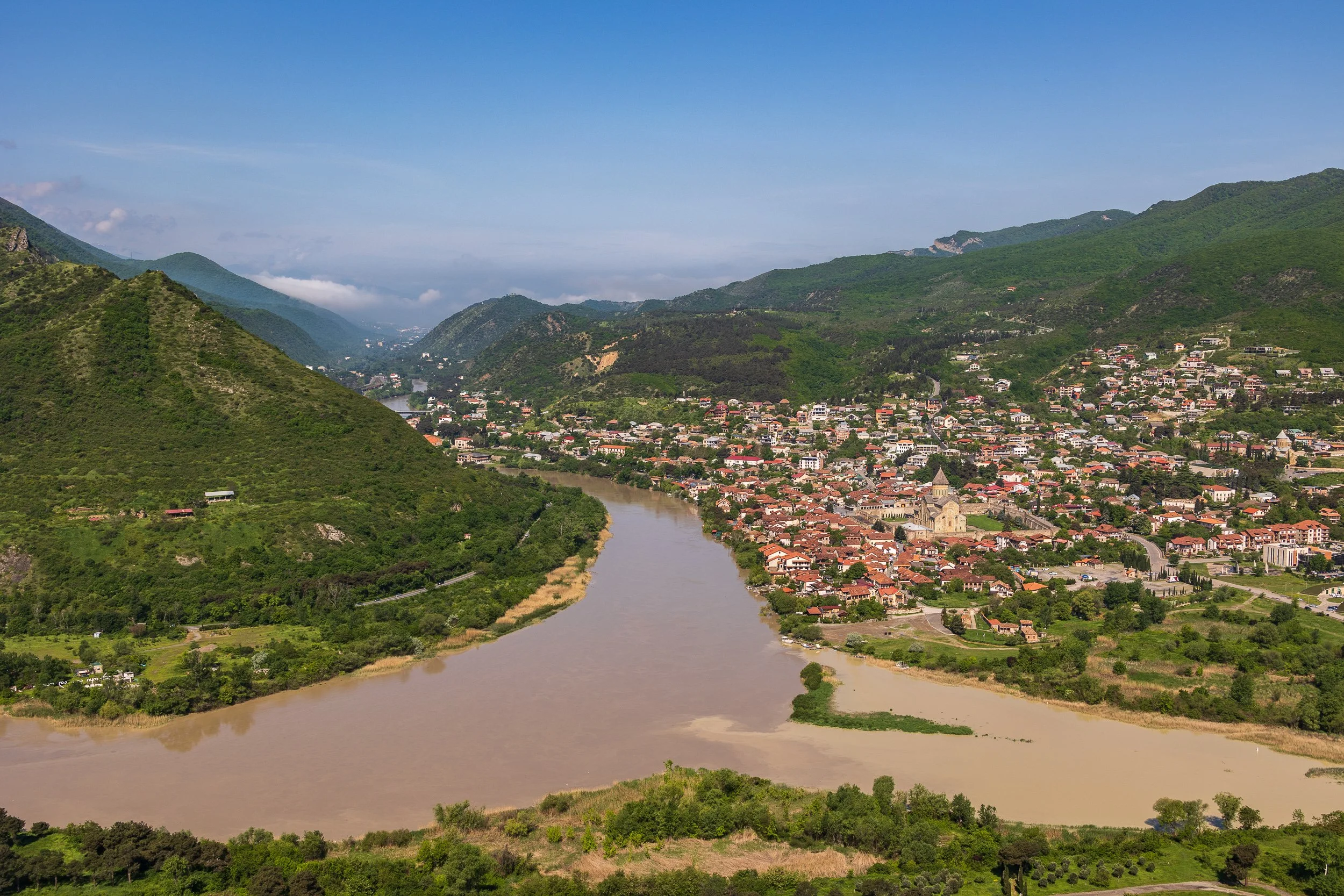
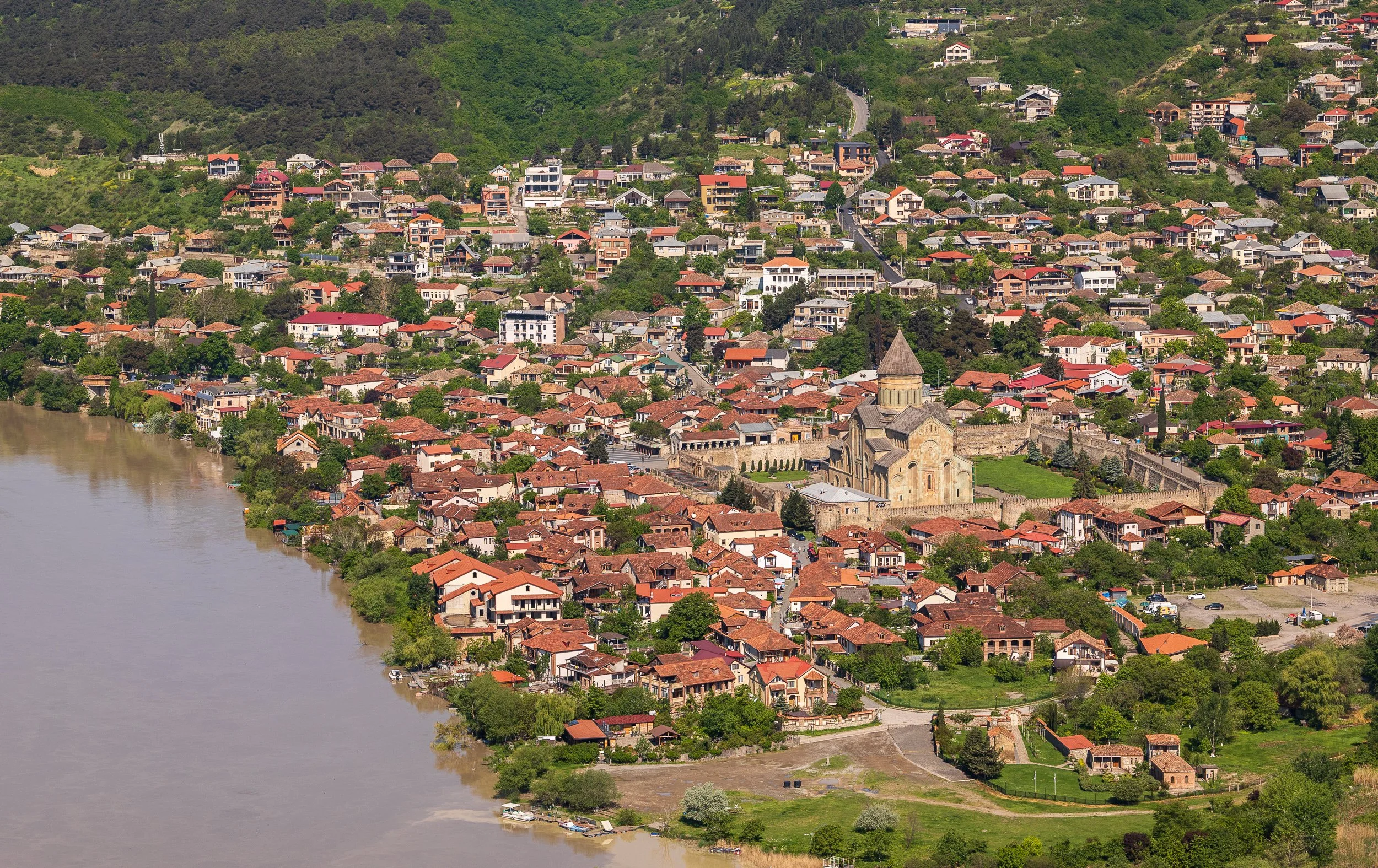
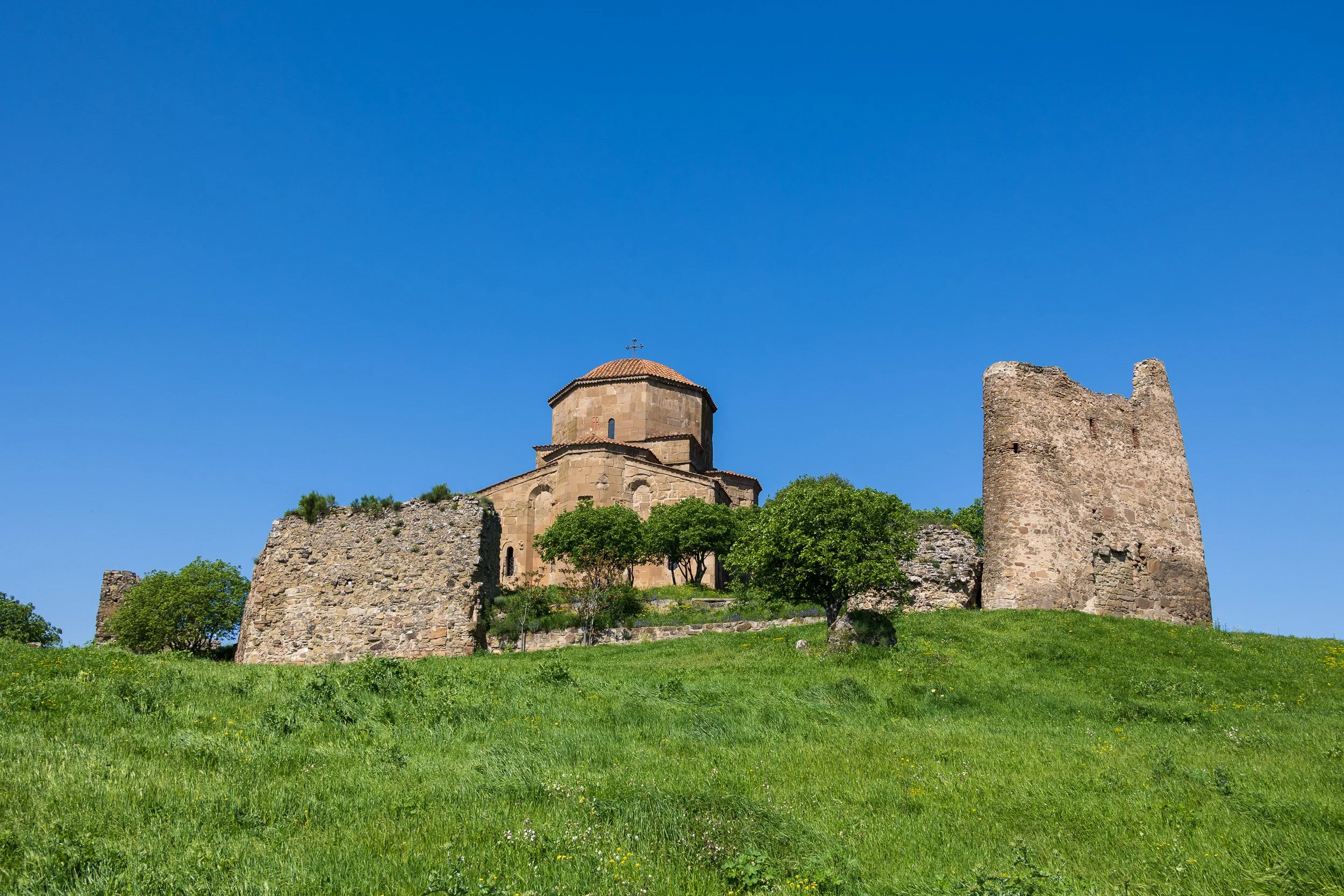
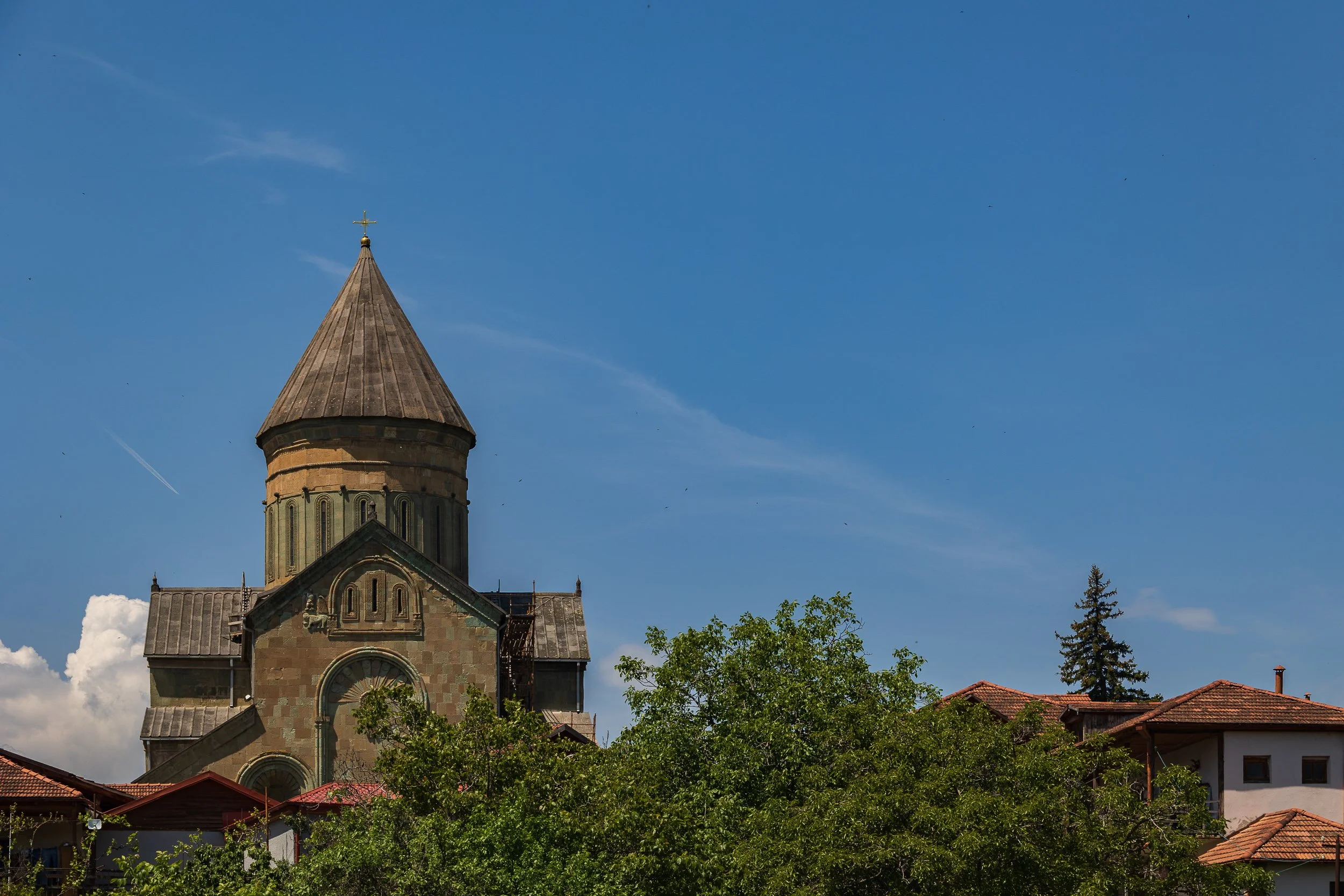
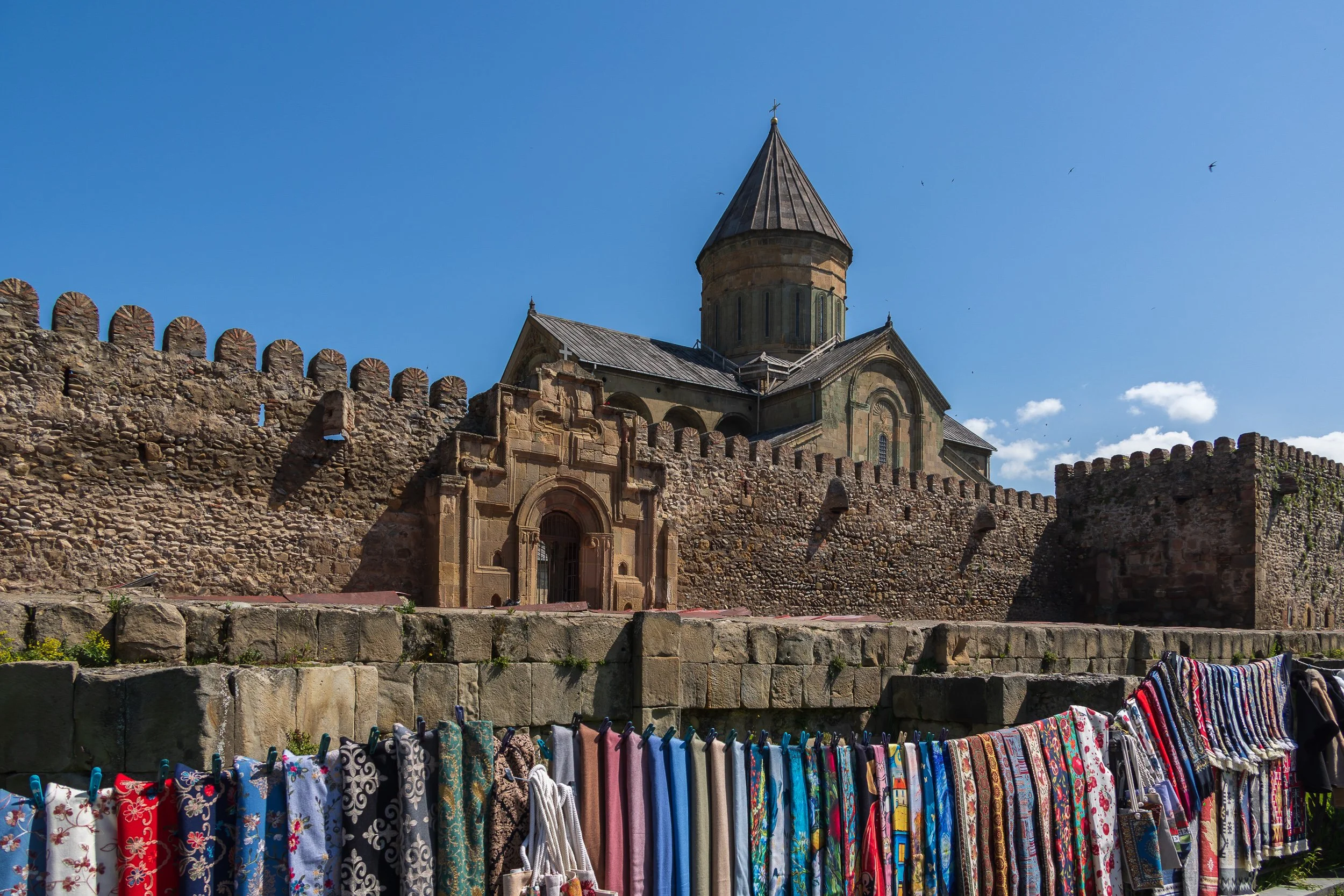
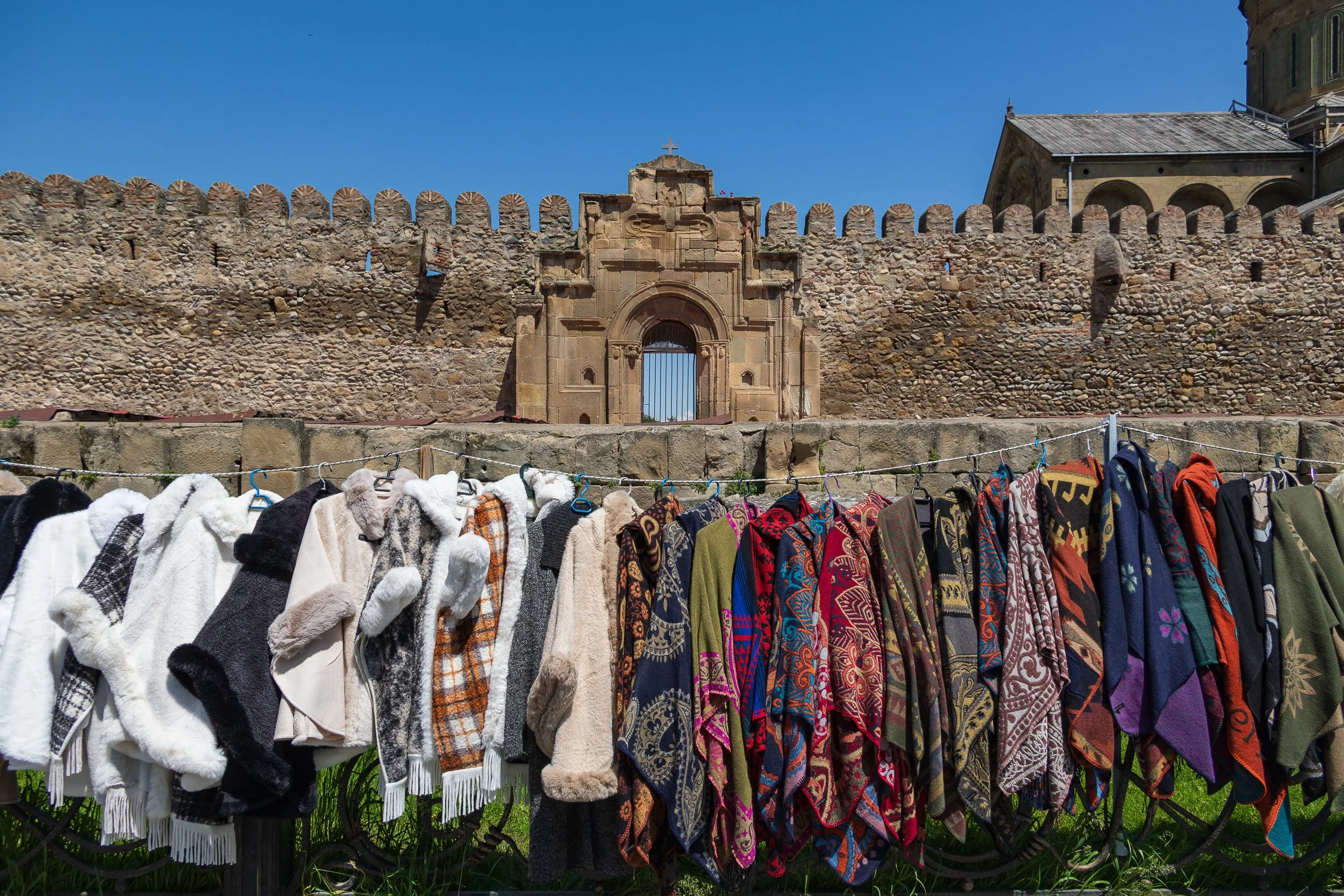
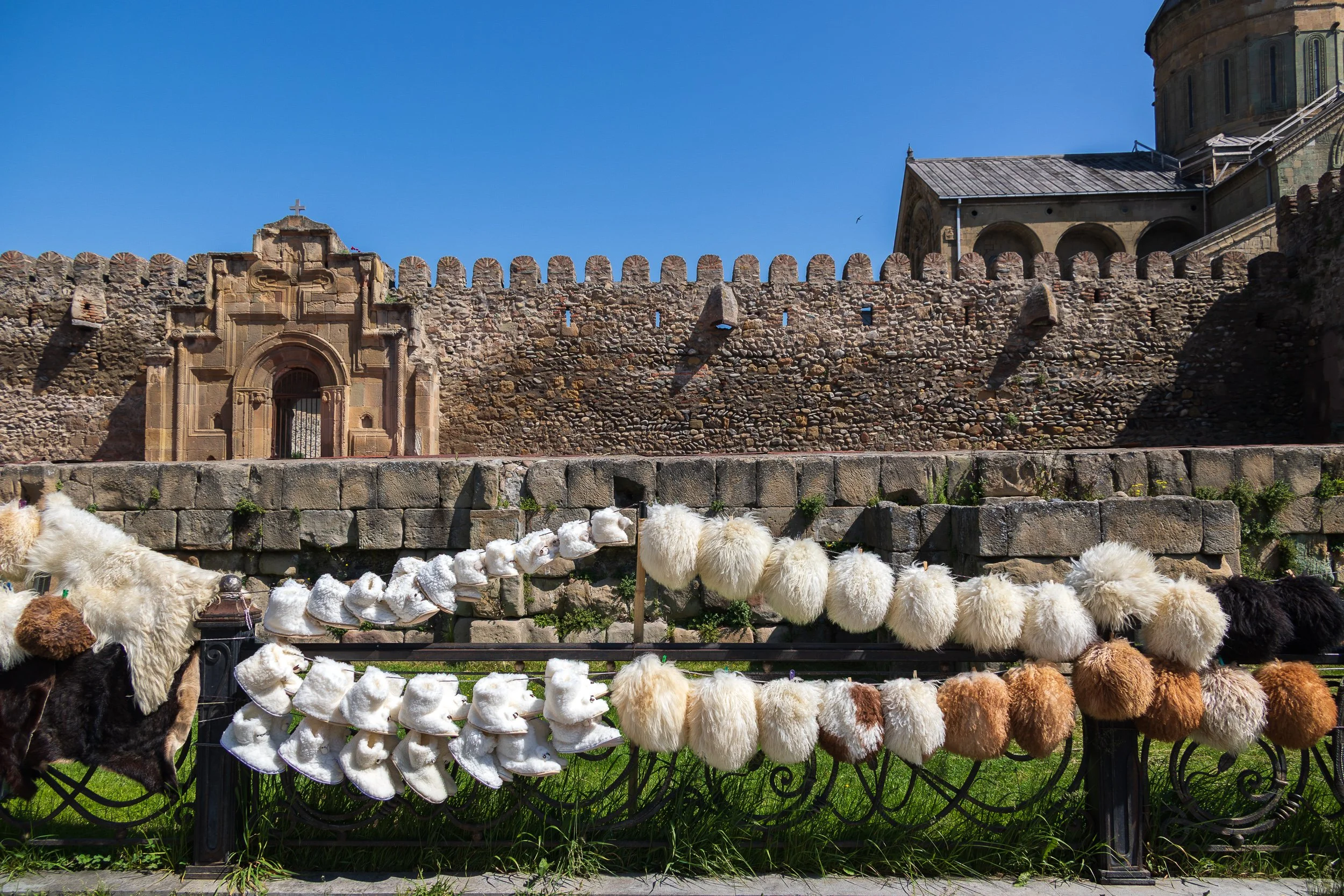
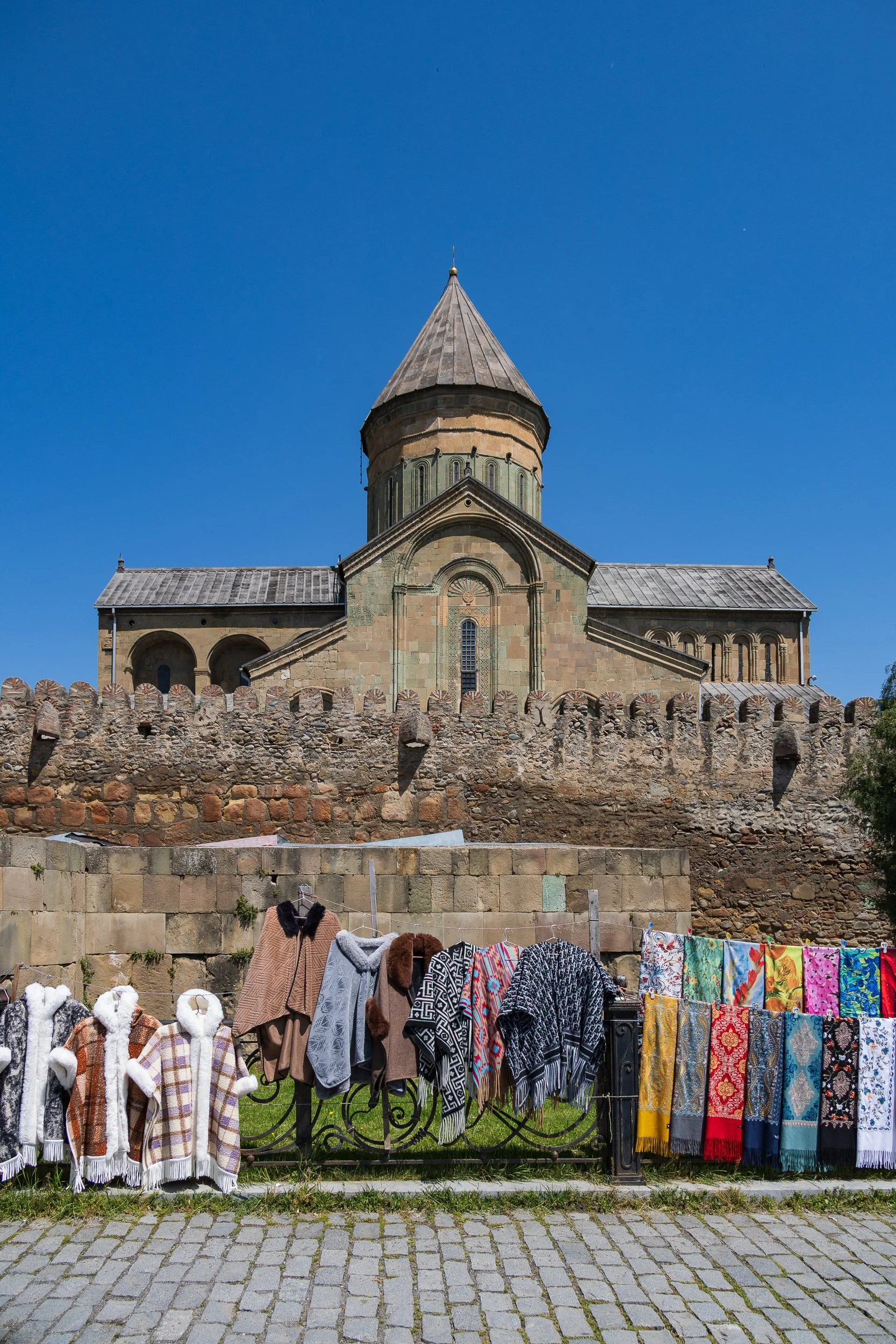
Capital of the early Georgian Kingdom of Iberia from the 3rd century BC to the 5th century AD. The capital later moved to Tbilisi, but Mtskheta remained the spiritual and cultural centre of the nation. Its historic monuments, Jvari Monastery, Svetitskhoveli Cathedral, and Samtavro Monastery, became a UNESCO World Heritage Site in 1994.
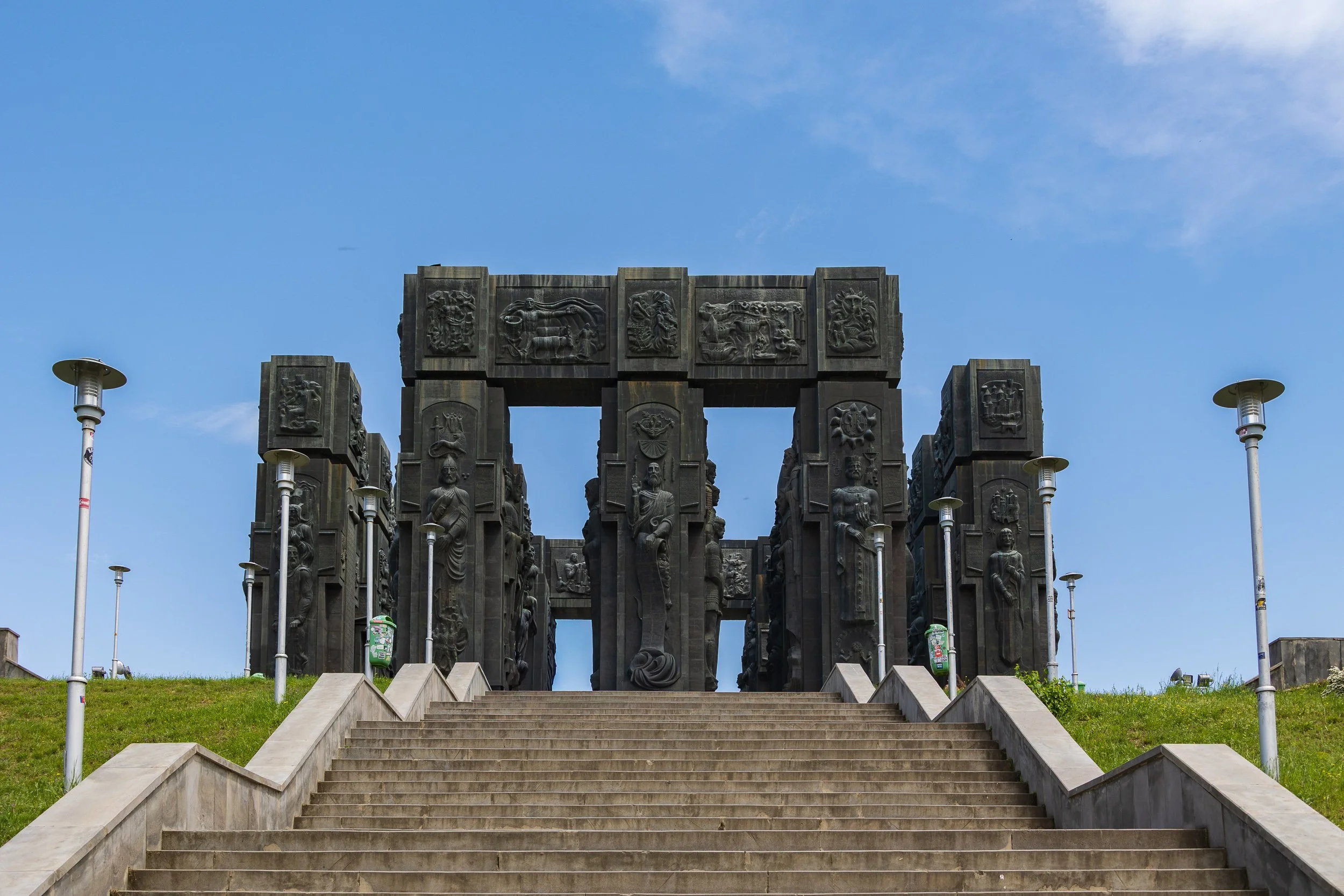
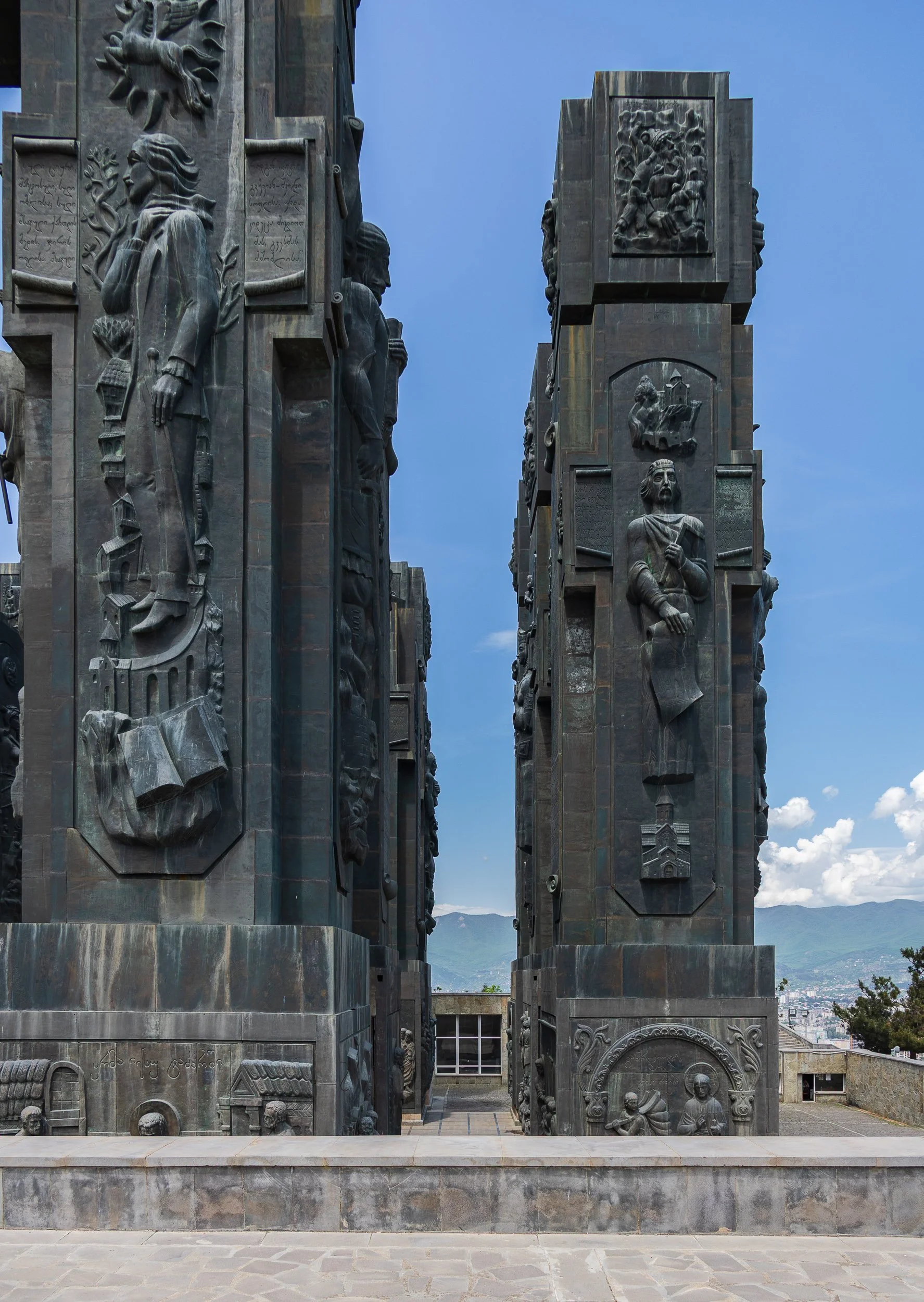
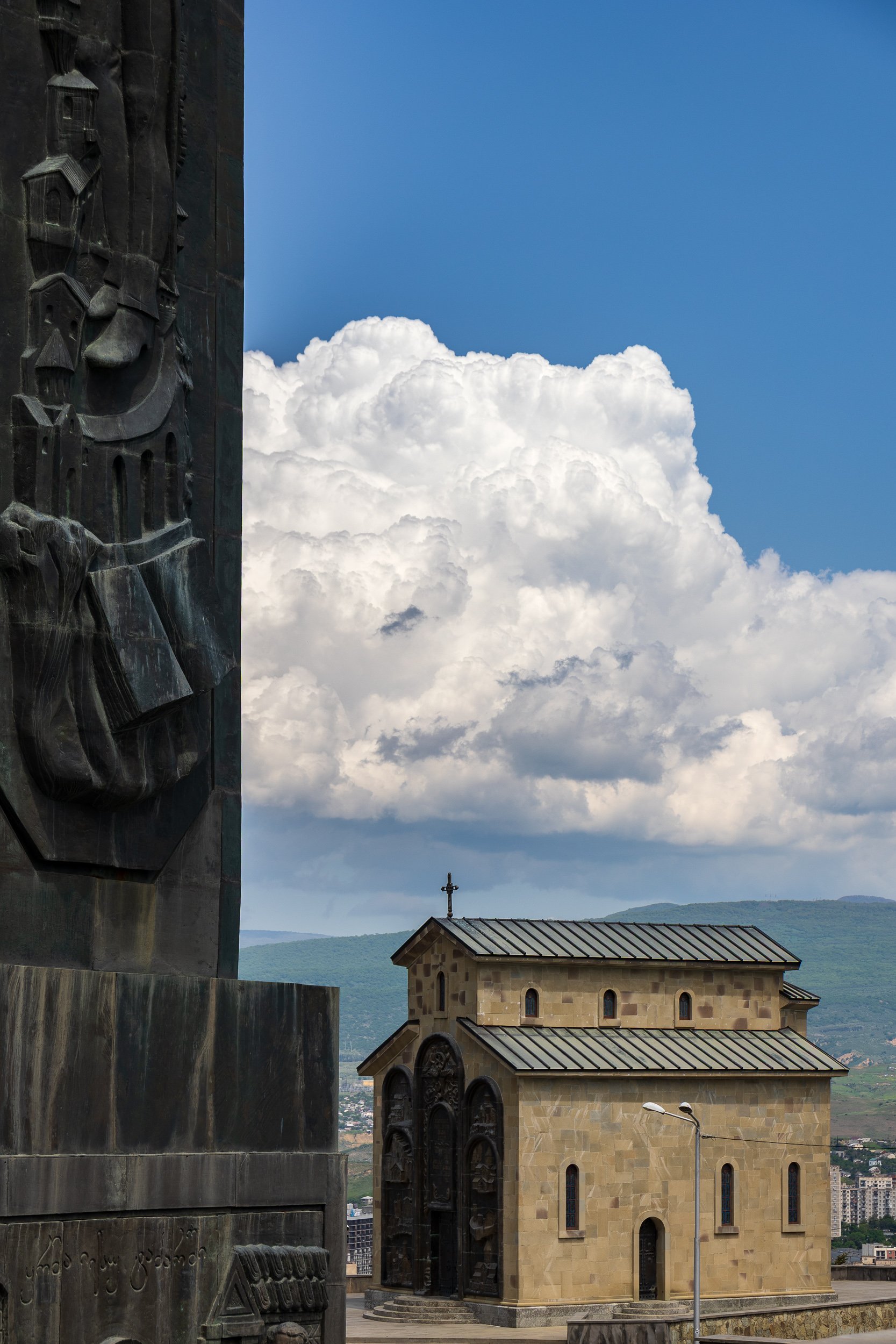
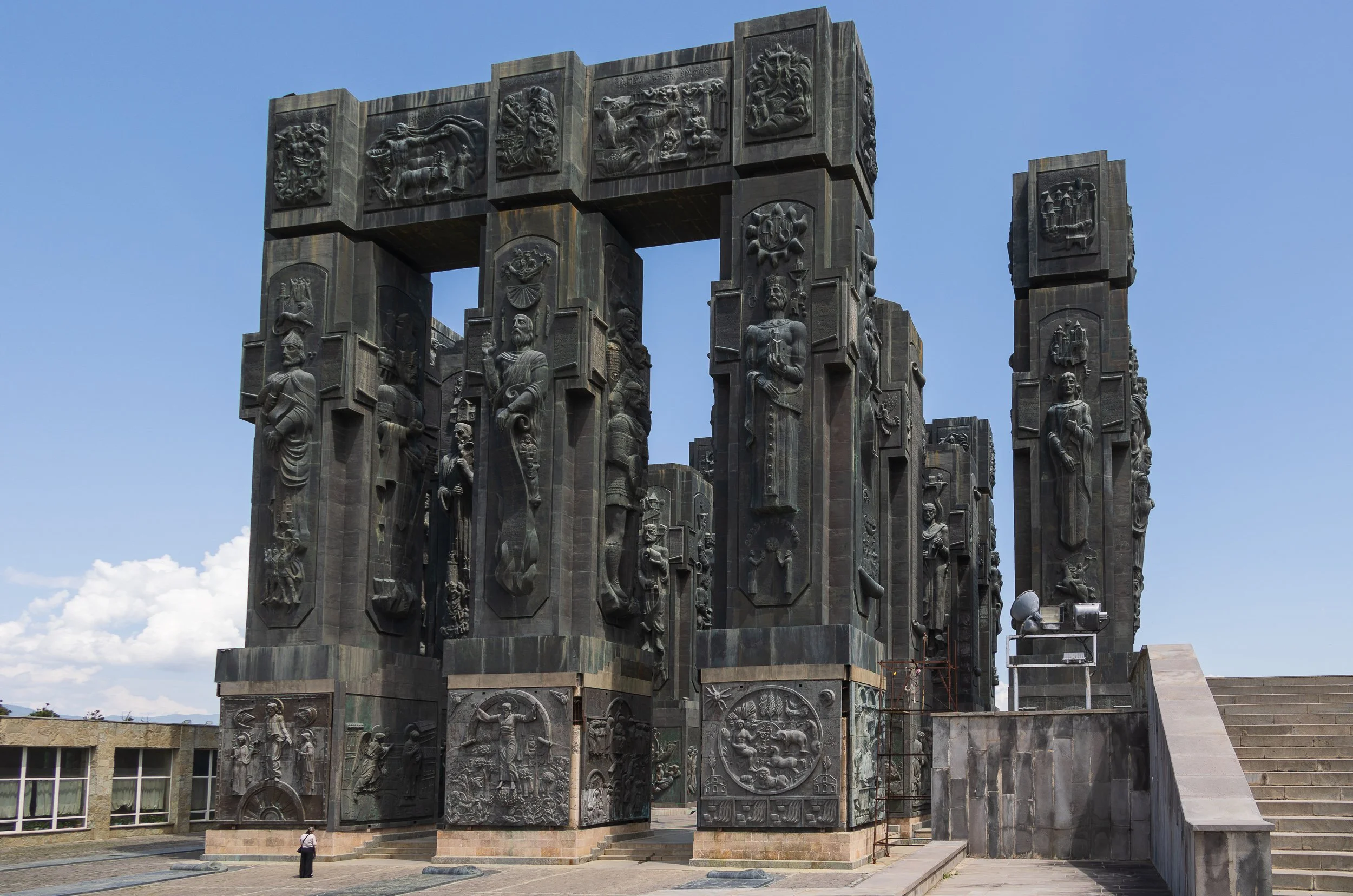
Sixteen pillars, each over 30 metres tall, on the outskirts of Tbilisi. Biblical scenes at the base, Georgian kings and queens above, literature and national heroes at the top. A whole civilization stacked in stone, created in the 1980s and still technically unfinished.
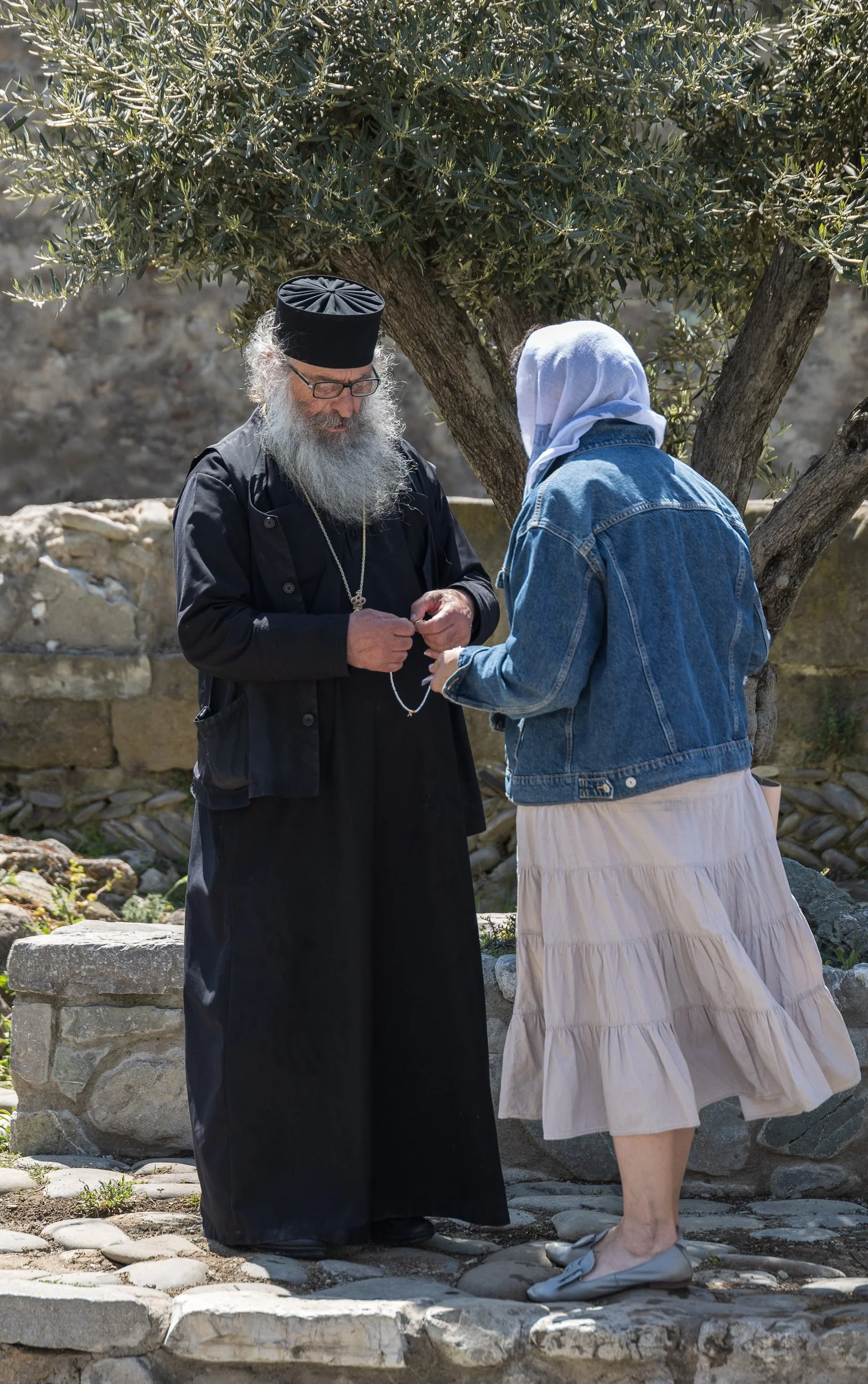
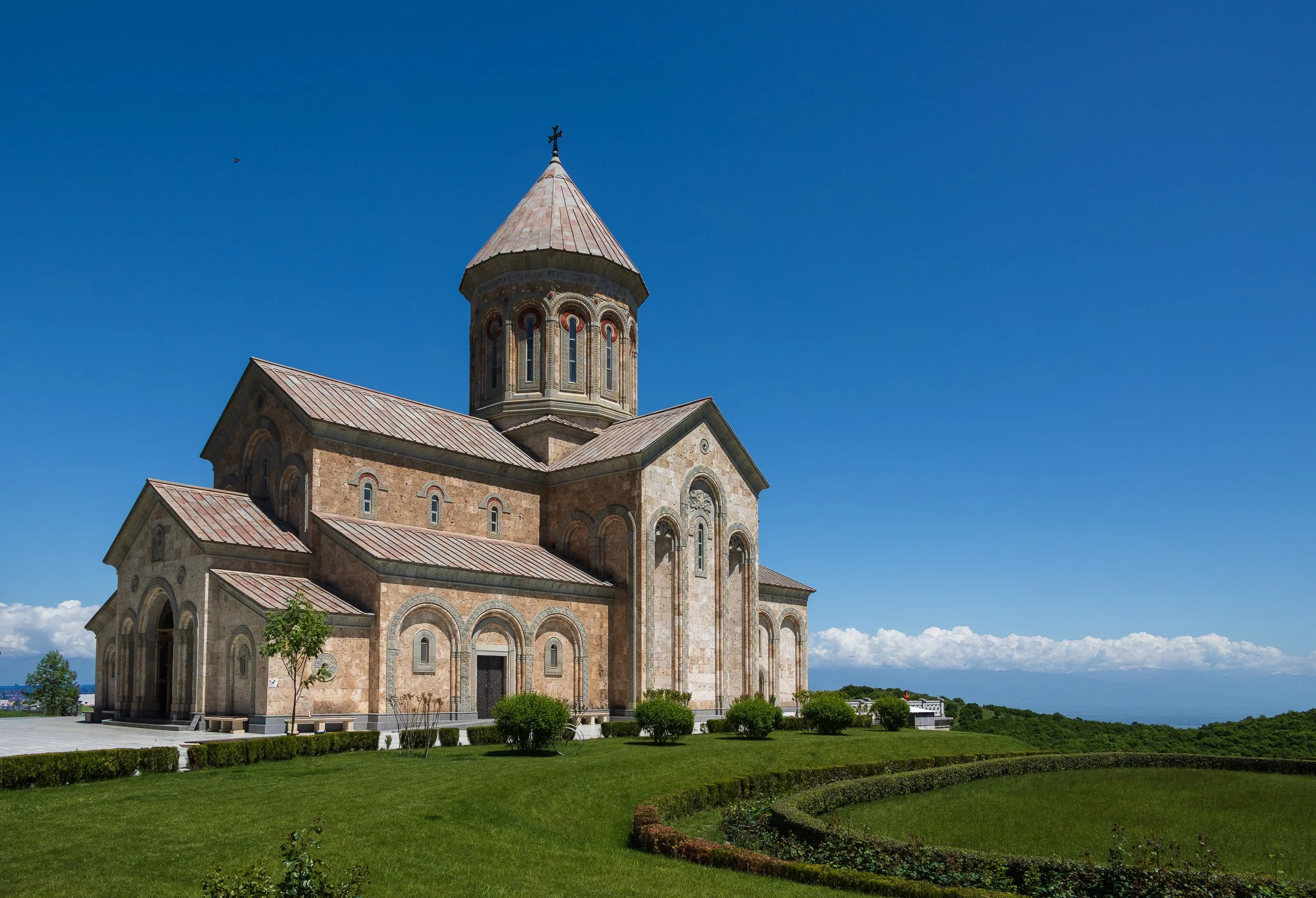
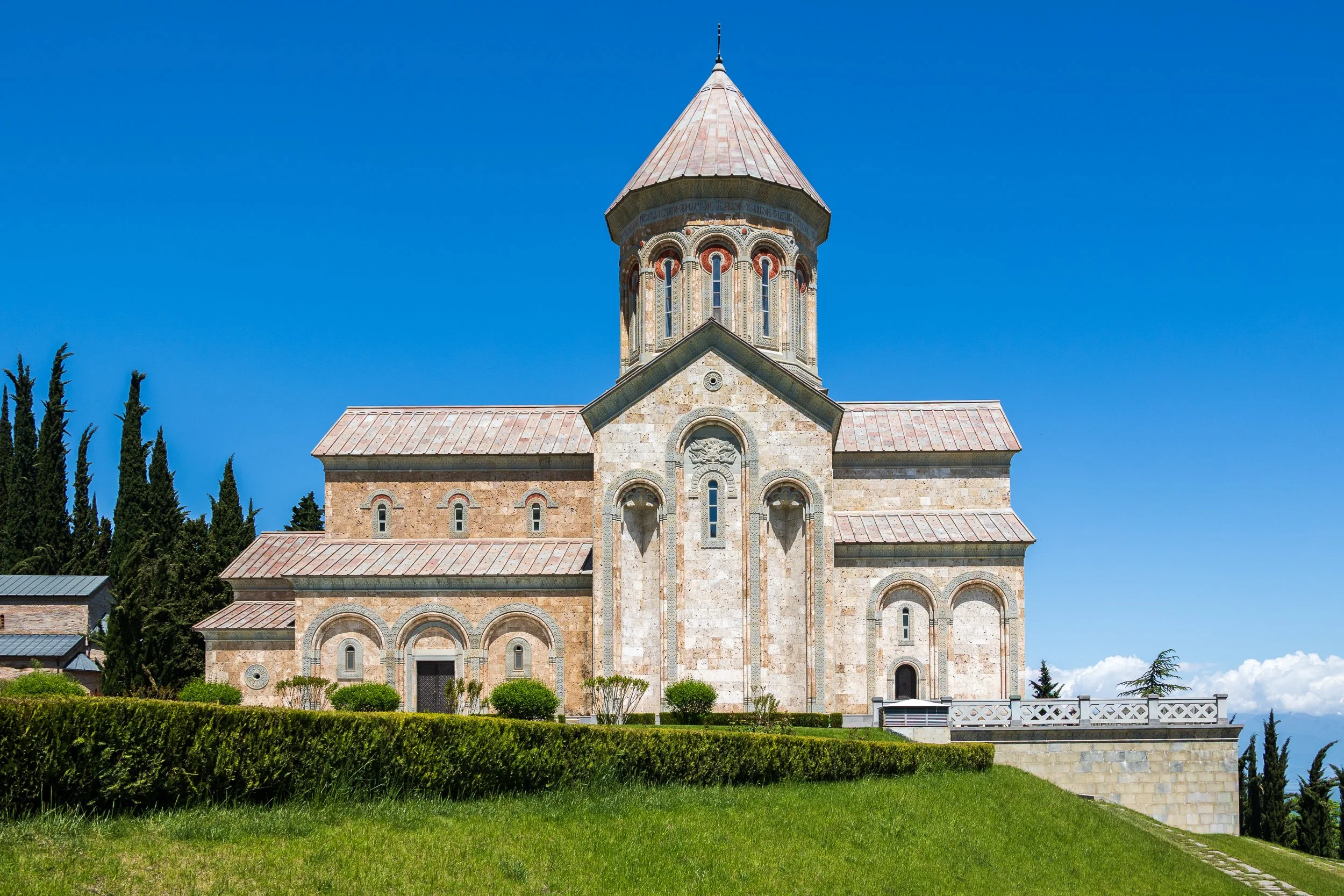
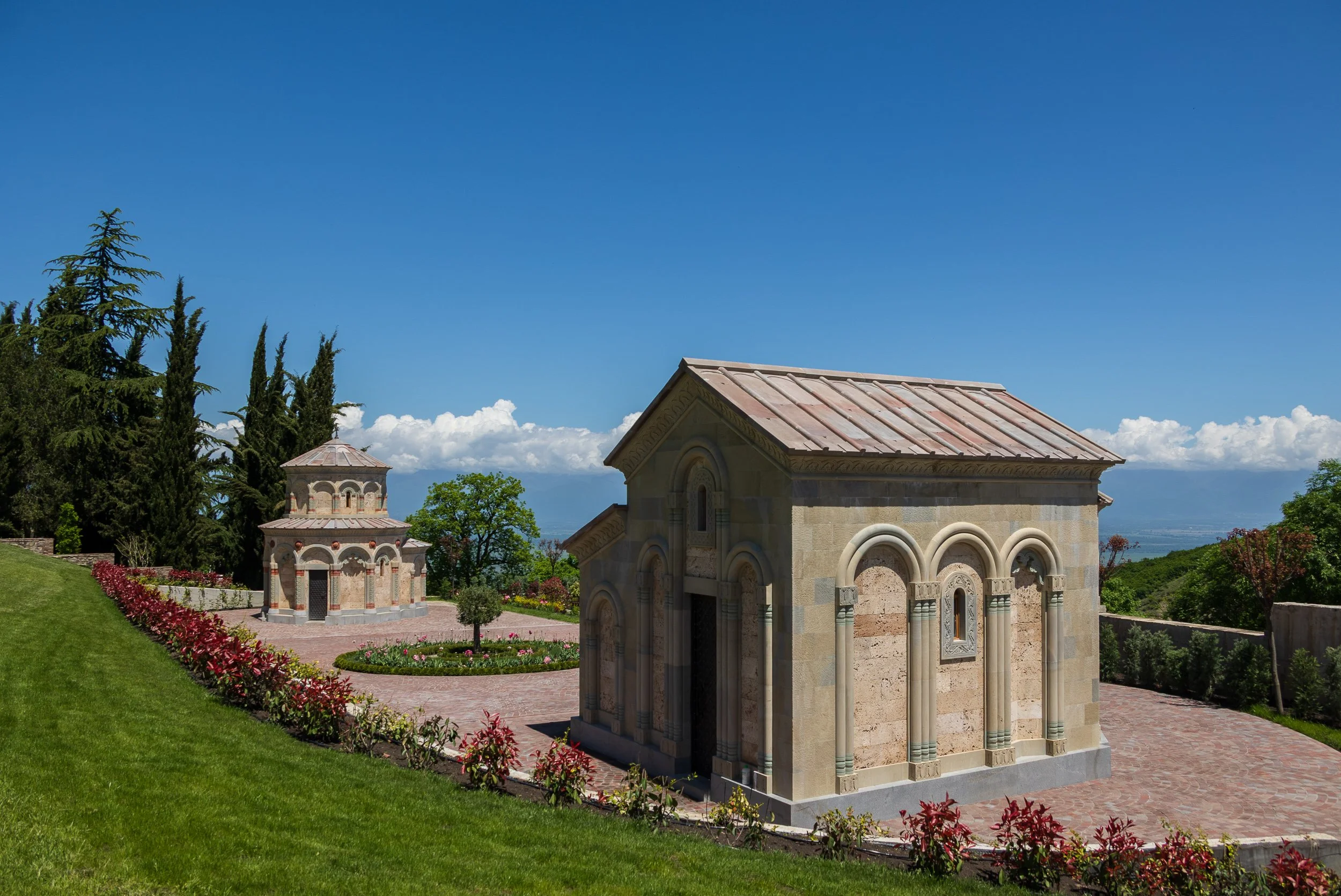
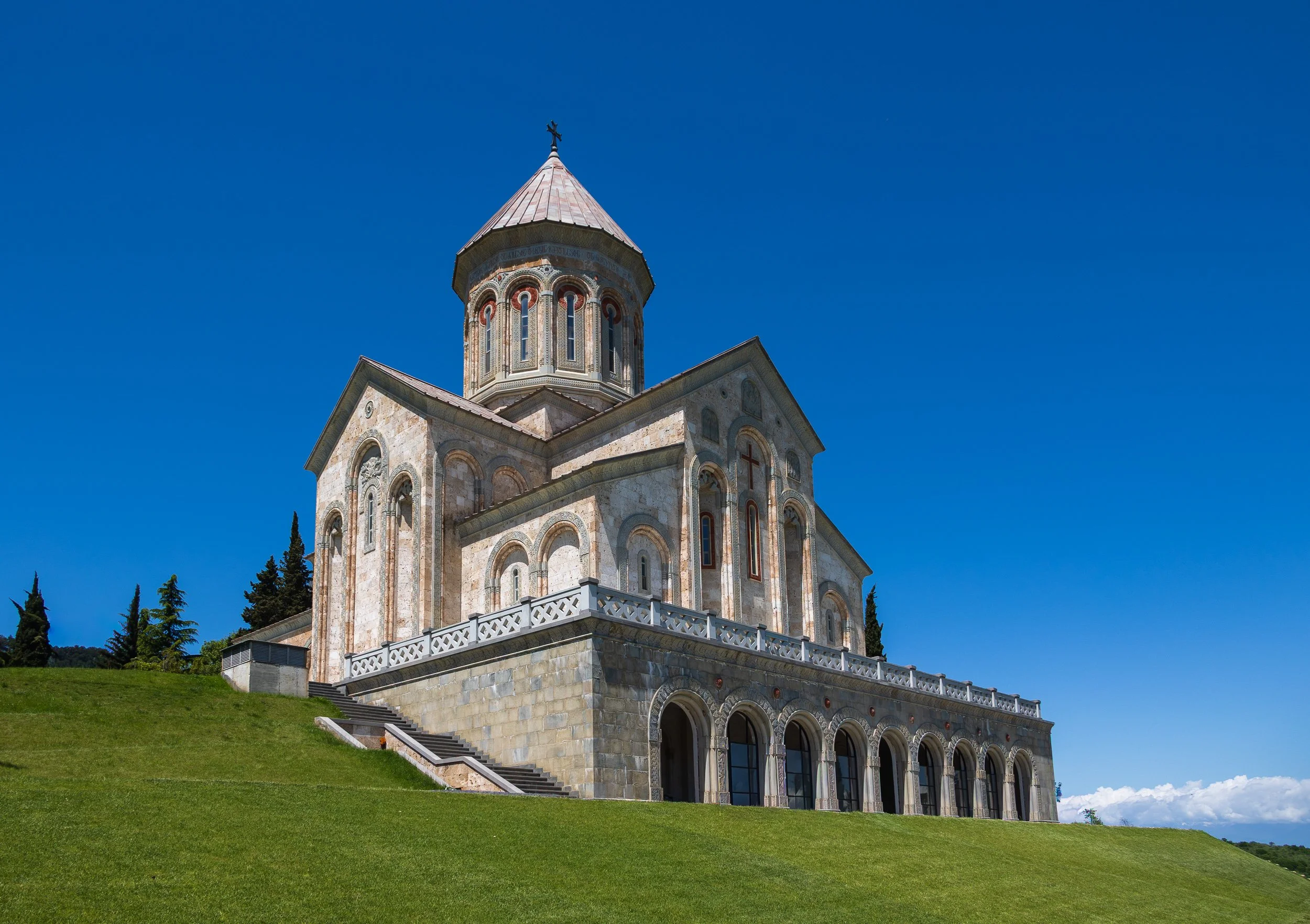
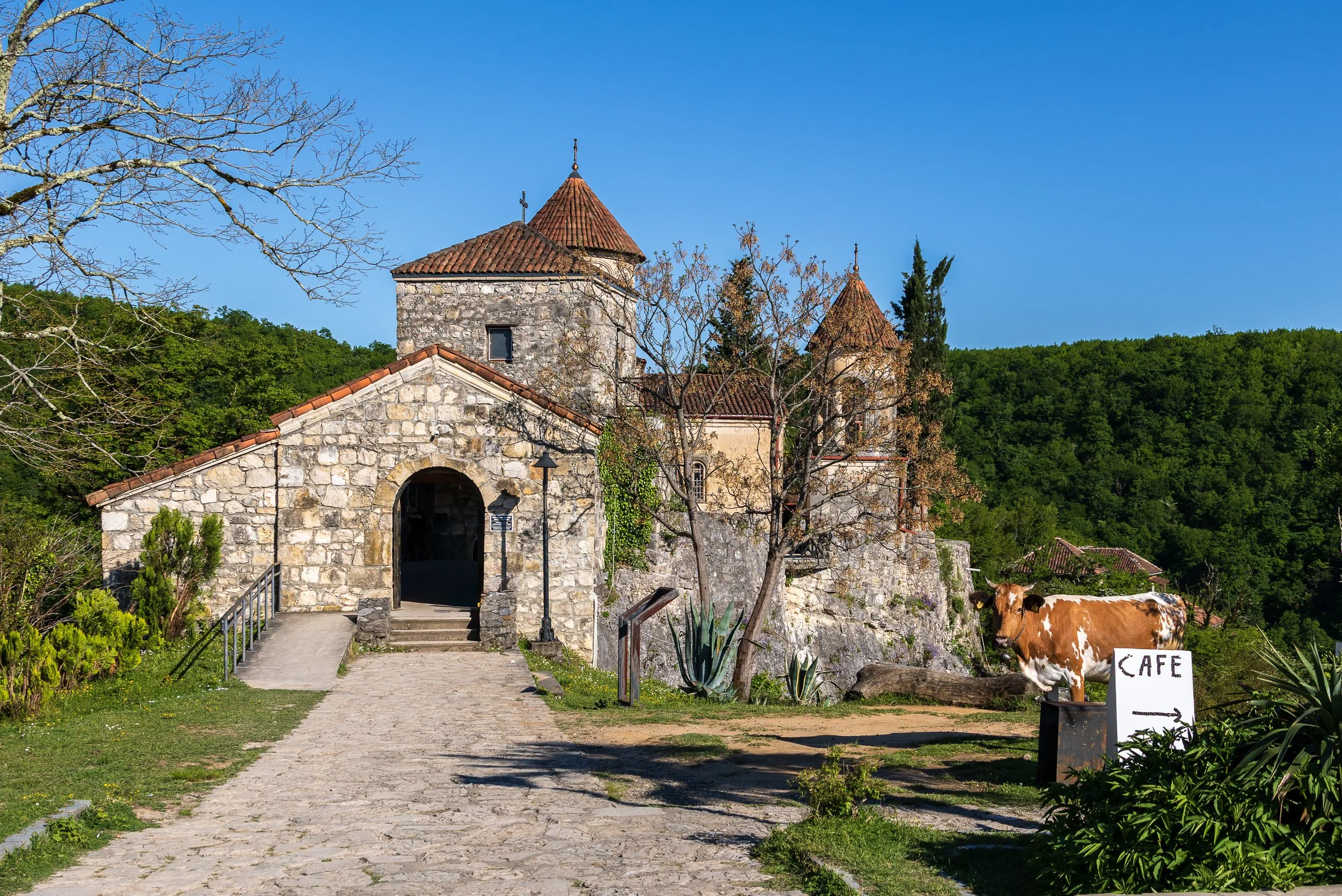
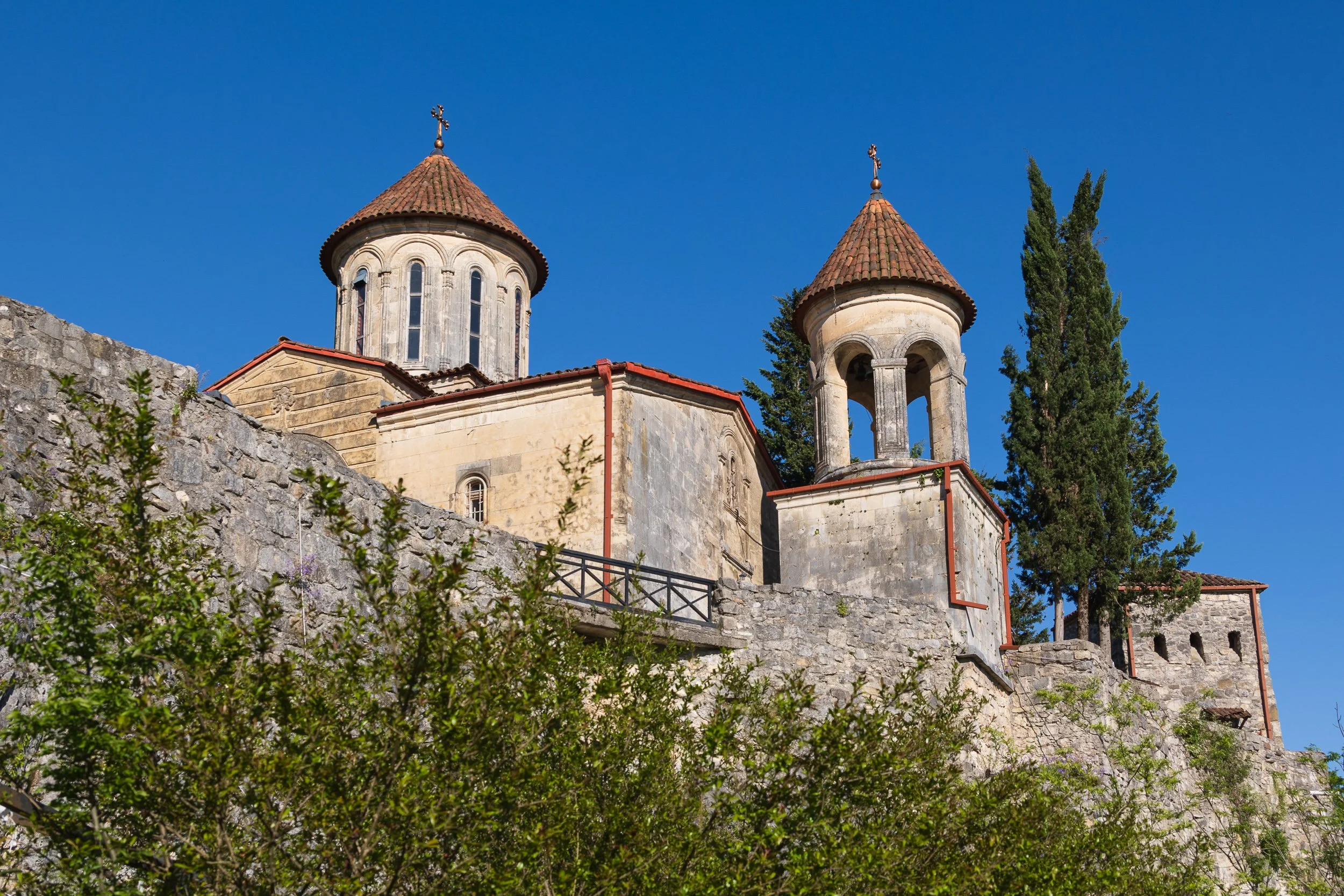
On a wooded hillside outside Sighnaghi in Kakheti. Saint Nino, who brought Christianity to Georgia in the 4th century, spent her final years here and is buried at the site. The current Cathedral of Saint George dates to the 9th century. During the Soviet era it served as an operating room. The monks returned in 1991.
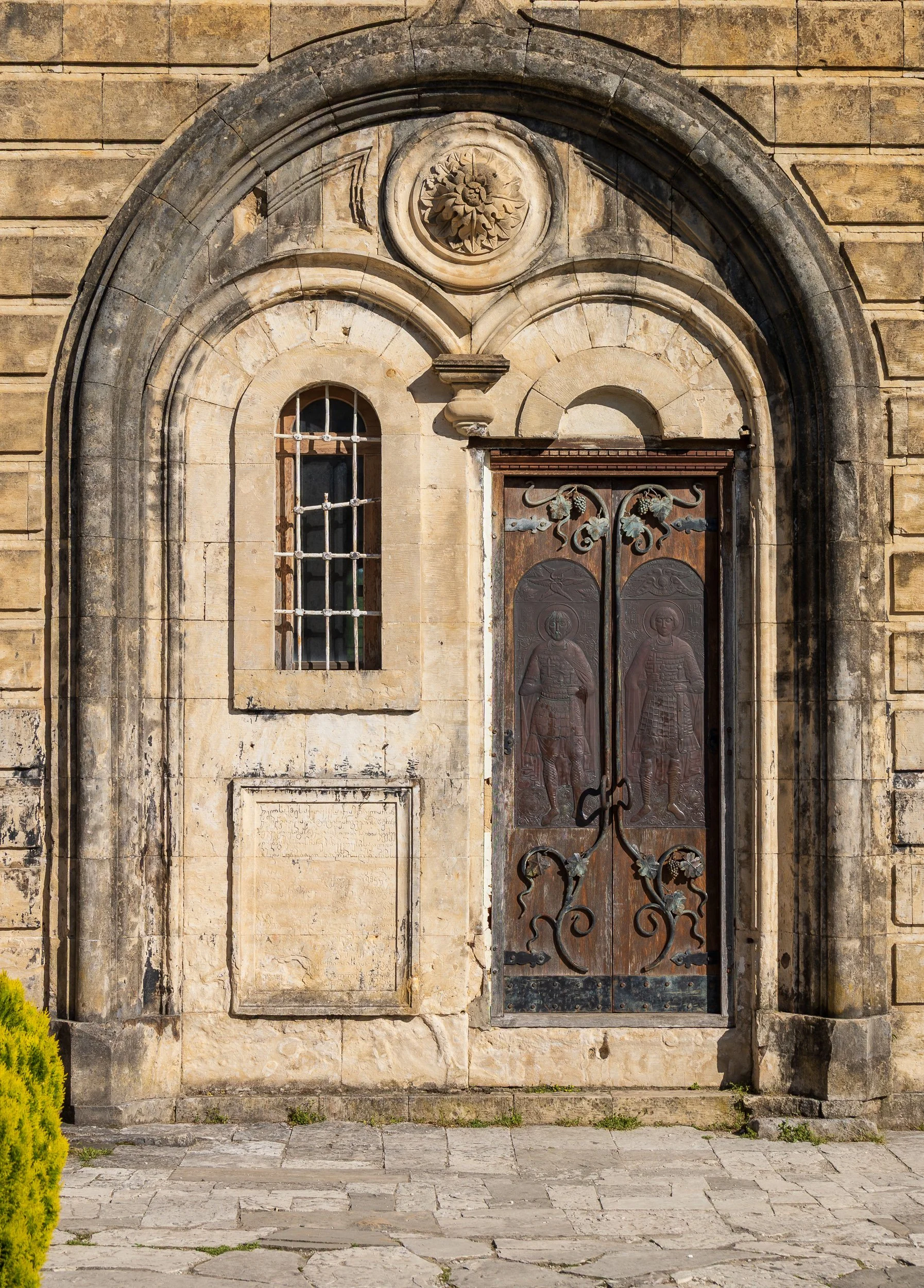
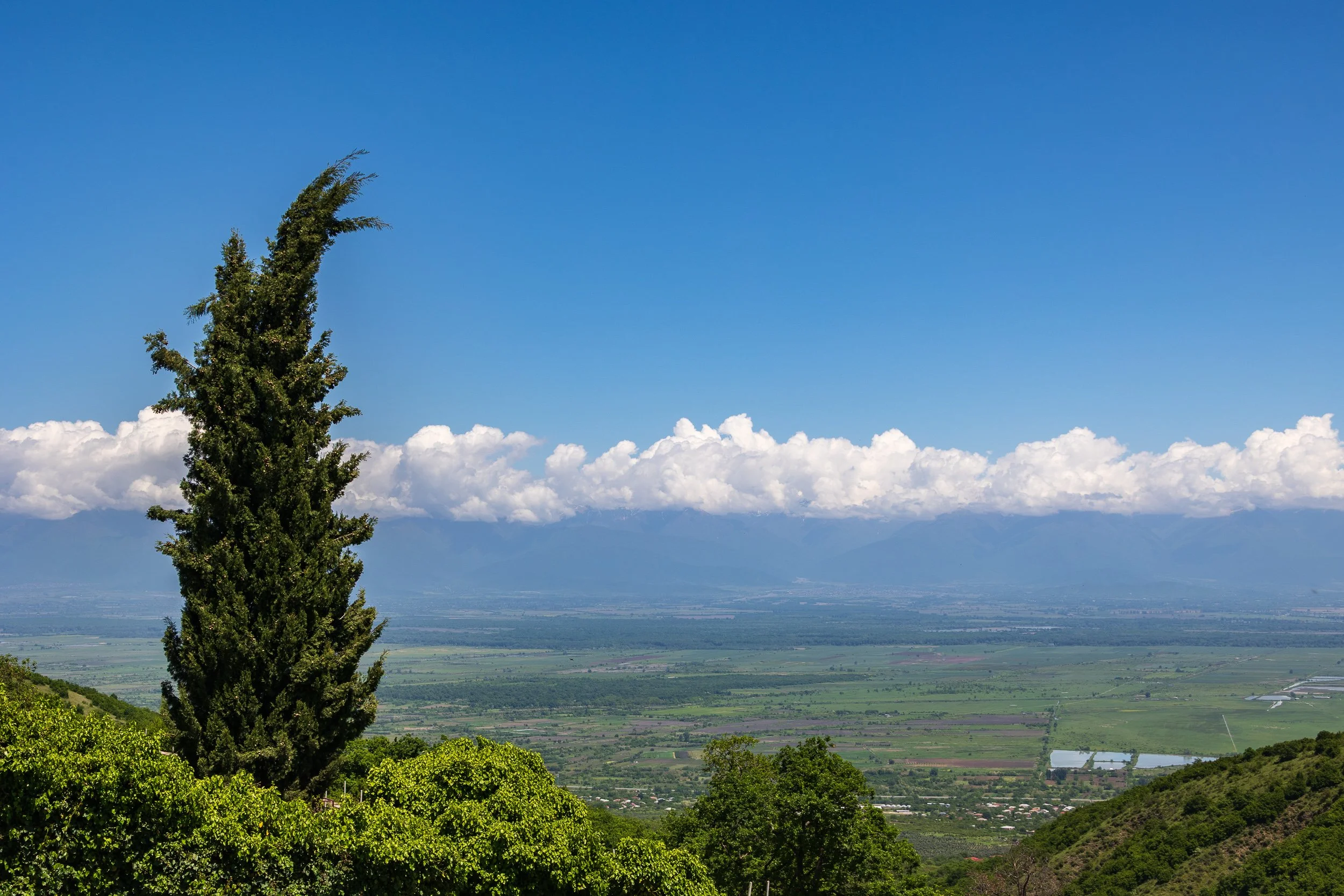
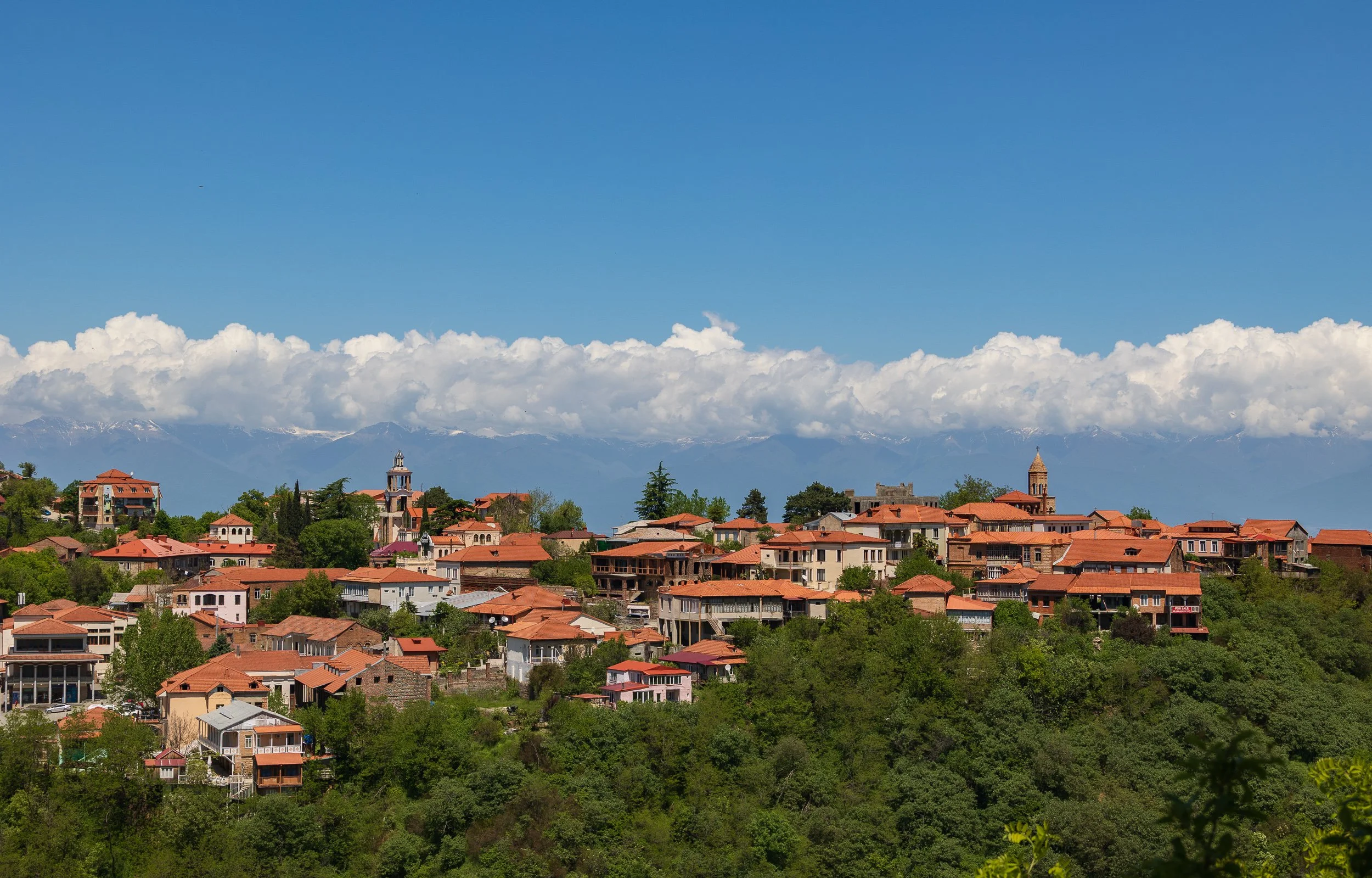
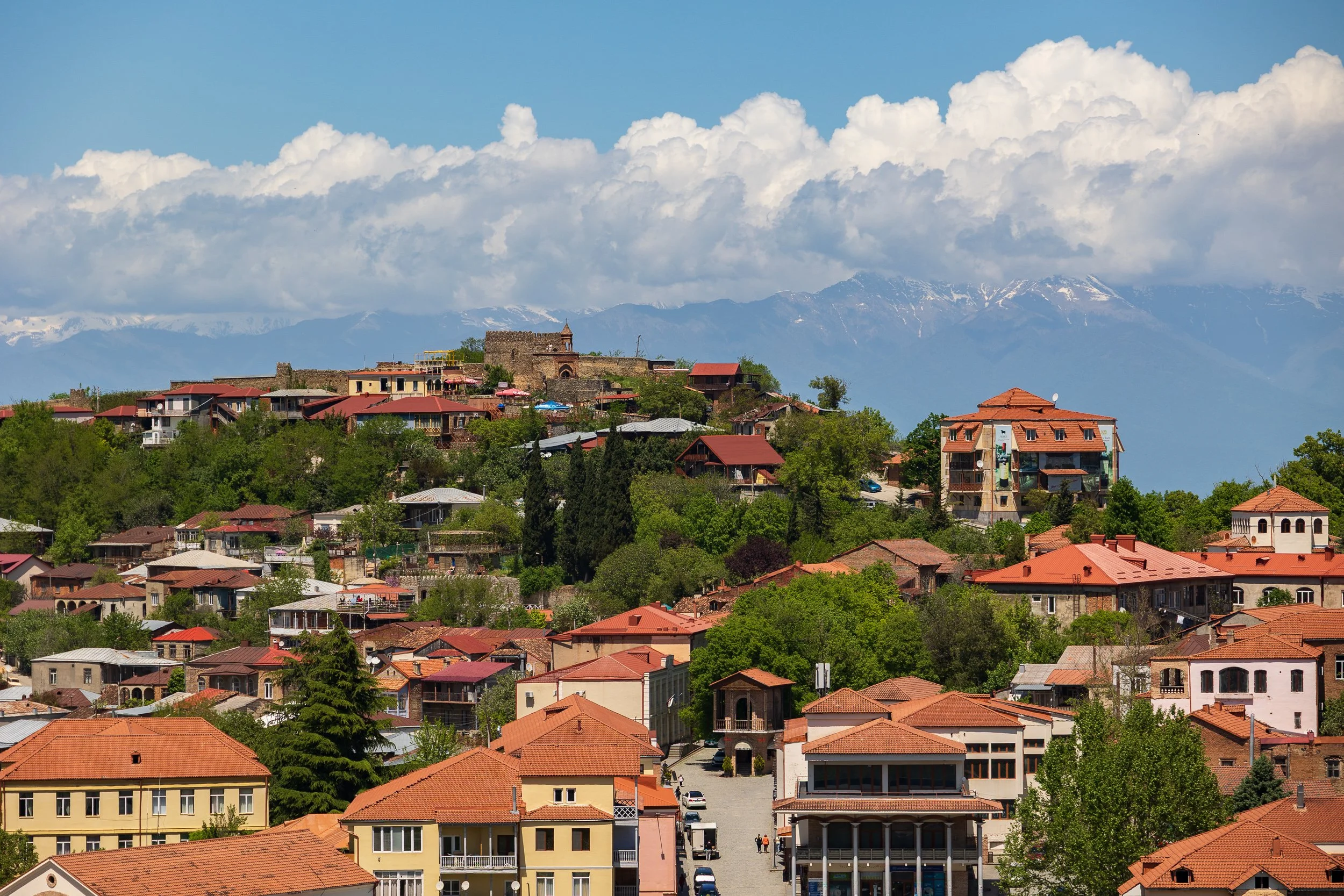
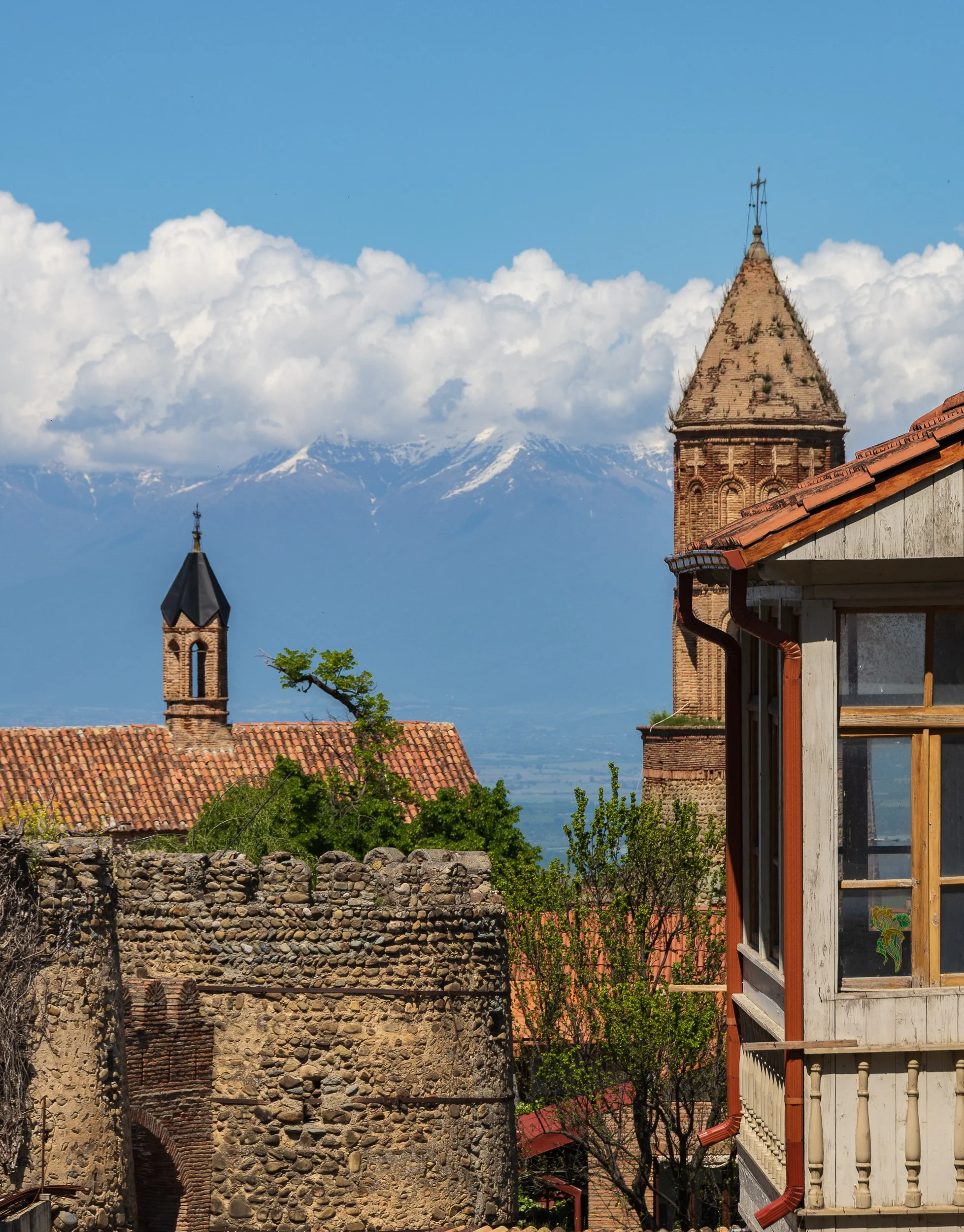
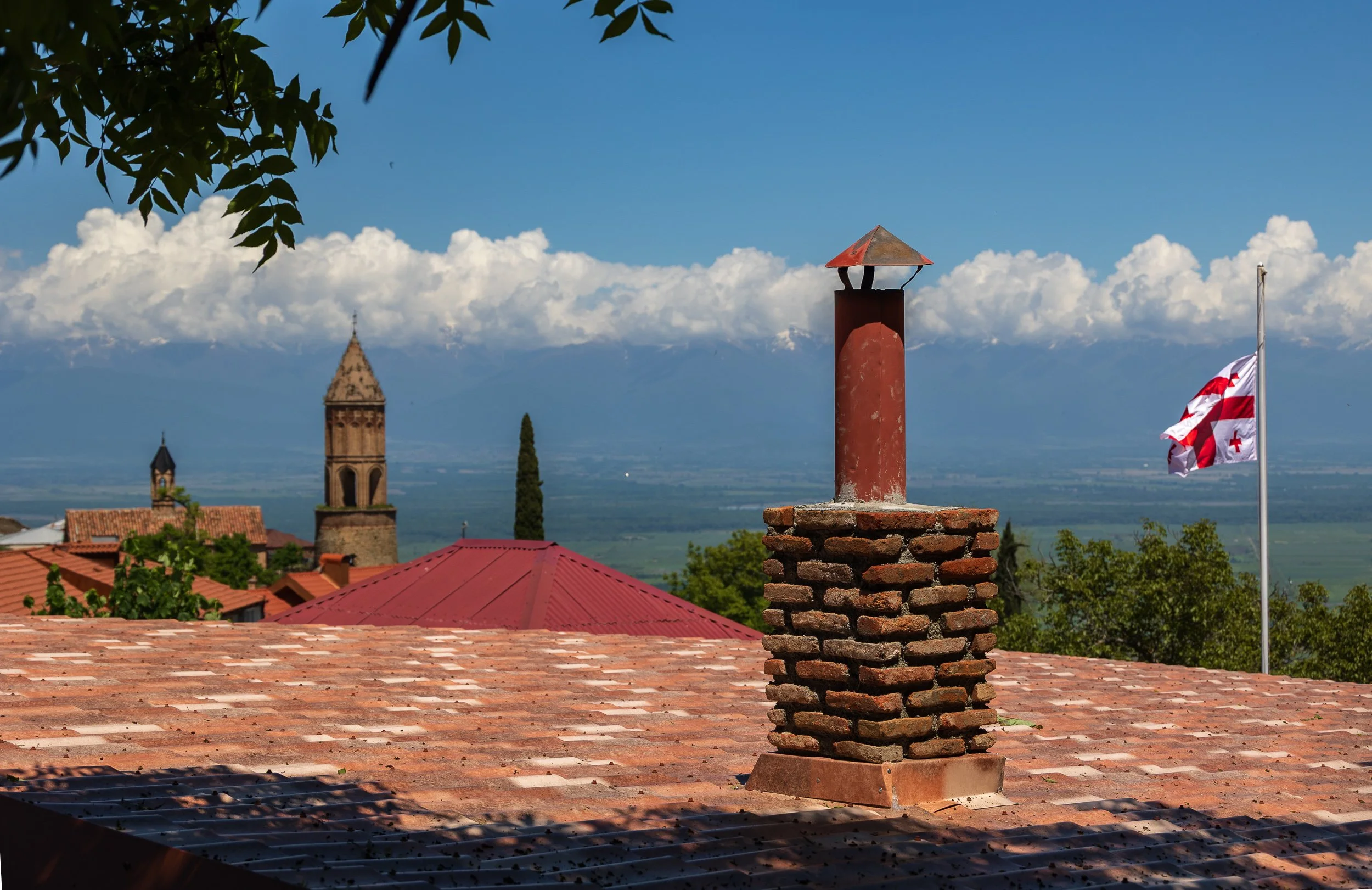
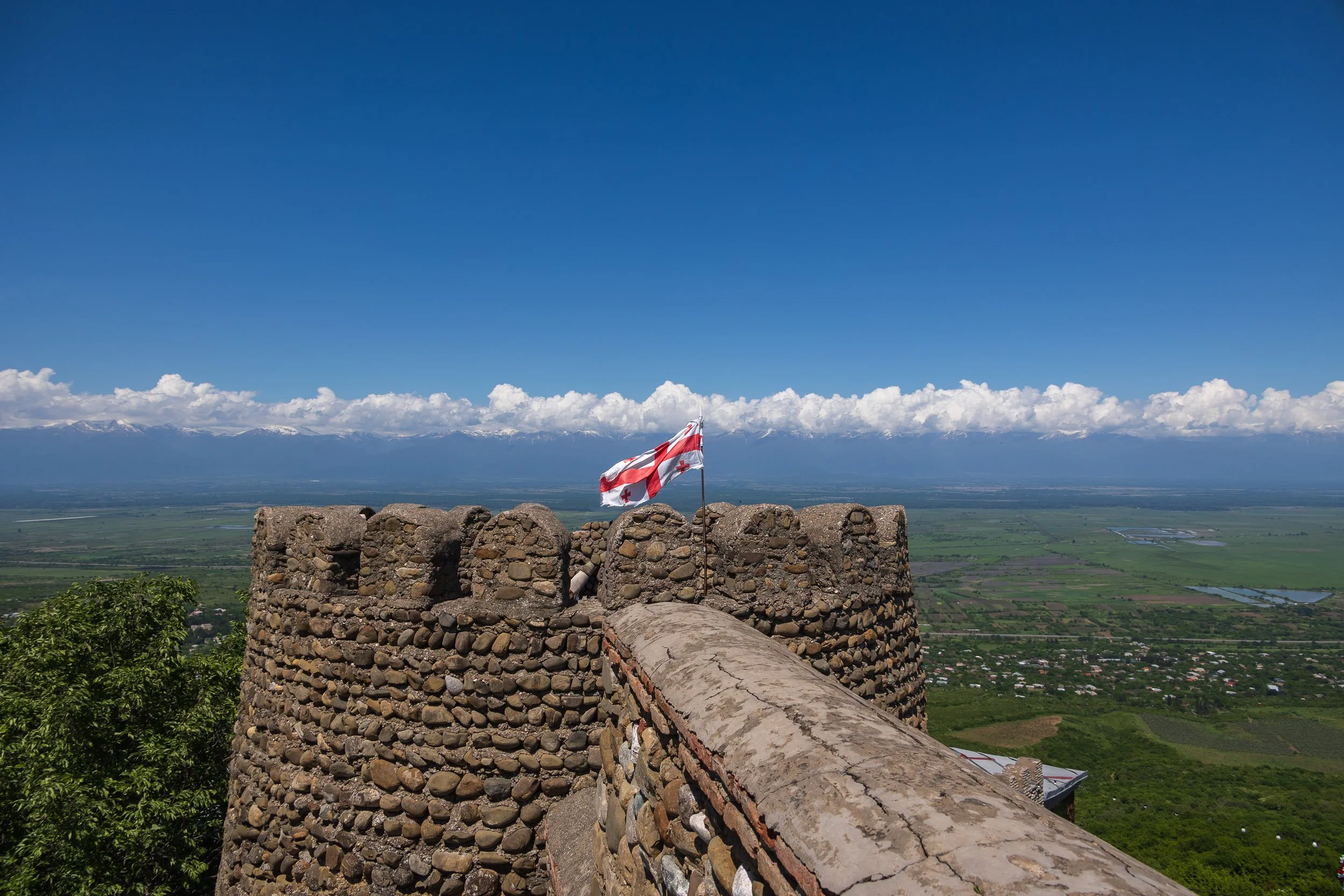
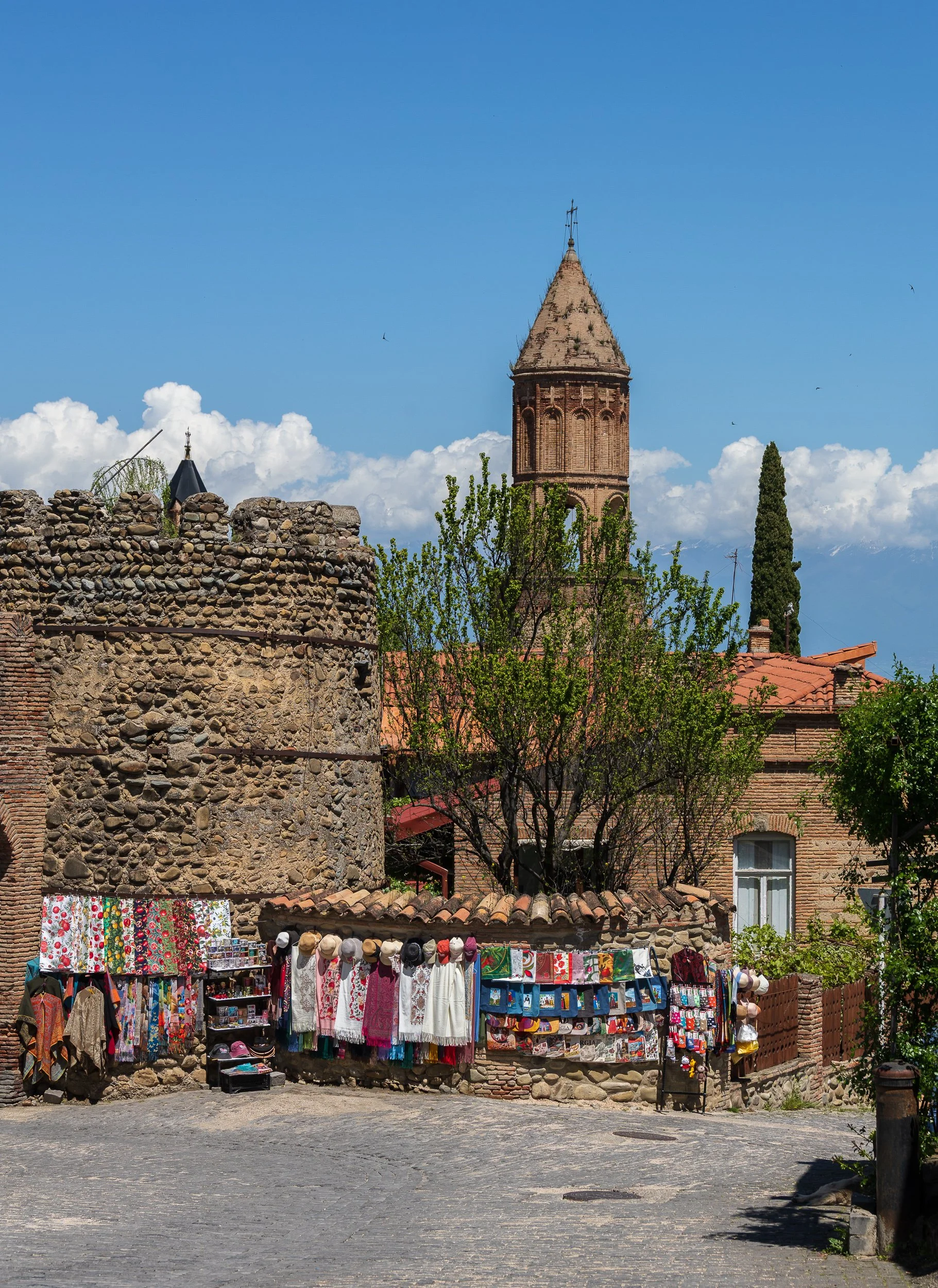
Georgia's City of Love, perched above the Alazani Valley with the Caucasus Mountains as a backdrop. Walk the 4-kilometre defensive wall and find a patio with a view.