
For three years, every Saturday morning I have posted a Karl Chronicle documenting my journey following Karl Creelman around the world. Last week was the sesquicentennial post with a very special (fictional) interview with Sir Michael Palin, Karl and me, I hope you enjoyed it!
For this 150th Chronicle, let me catch you up. Here’s our story to date in 150 highlights, but first, if you are new to our adventure, start here with 100 Highlights from 100 Chronicles
101. We continued travelling through Scotland and when Louise met up with Karl in Stirling, the most historic town in Scotland, so the Stirling people say. It felt for the first time they weren’t 120 years apart in their respective journeys.
102. Karl and Louise climbed the 246 steps up a spiral staircase at the Wallace monument.
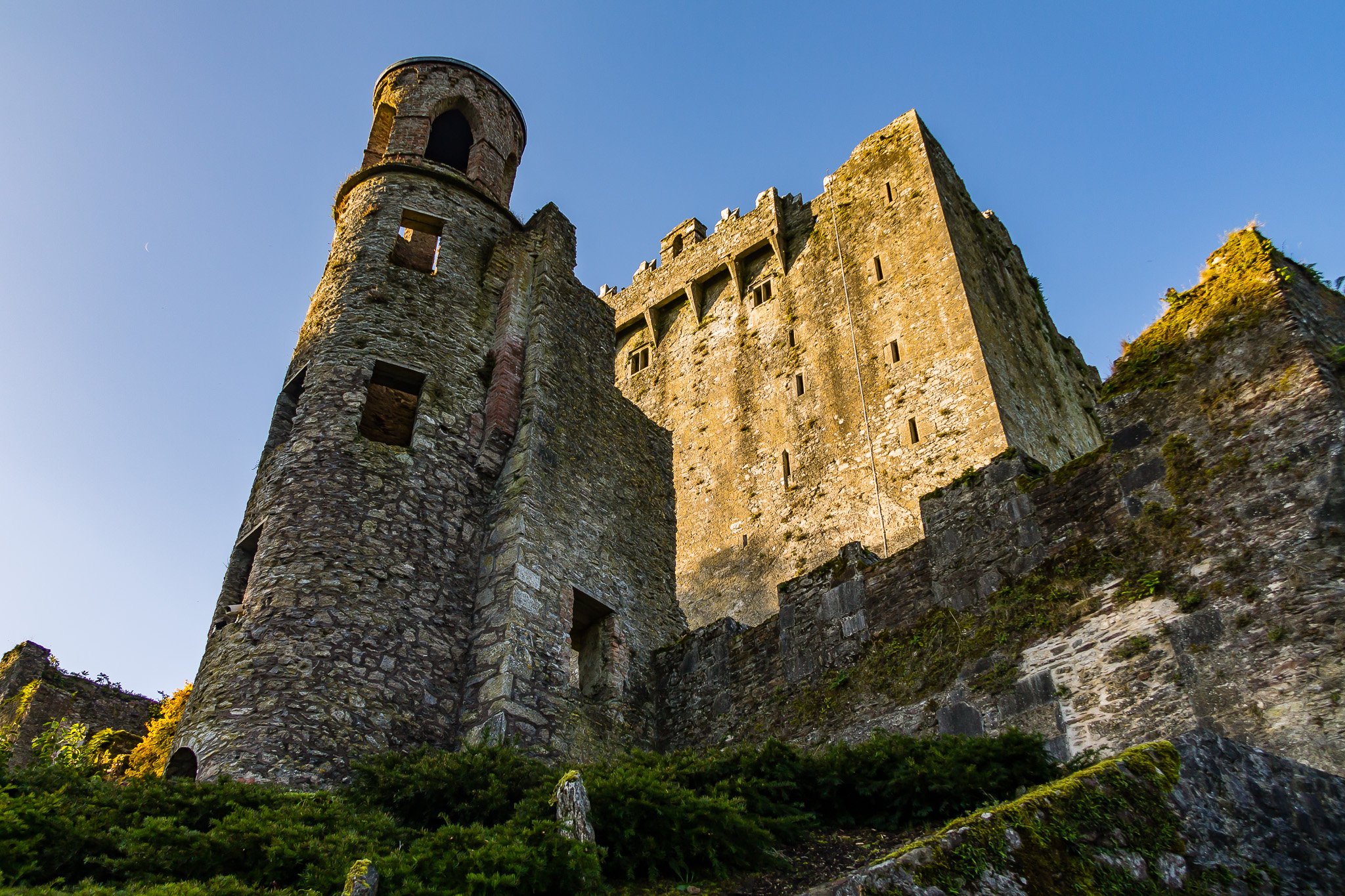
103. We continued east to Kinross and then to Lochleven Castle, where Mary Queen of Scots was imprisoned and escaped.
104. Arriving in Dundee, Karl and Louise had experiences related to the R.R.S. Discovery. It was a moment of serendipity linking Karl’s experience and the course of history to Louise’s experience.
105. Louise visited Arbroath Abbey to see the Catherine Wheel and learned some history that had nothing to do with licorice. The abbey was in ruins when Karl visited in 1901, and Louise confirmed, it is still in ruins!
106. Karl shared to the newspaper that the next town of importance reached was Stonehaven and more details would be shared in a subsequent letter. There was no reference to that letter, but Louise wrote what she thinks Karl would have written based on her experience.
107. From Arbroath, Karl travelled to Aberdeen. His short visit made the news in two Aberdeen papers and in particular they were impressed with his “credentials”, the five separate letters from distinguished Canadians endorsing his character. Louise has no such letters but would assert she has lots of character.
108. Karl was found on the road suffering from symptoms of his malaria and was brought to Beaufort Castle to recover with the “Lovat Scouts”, a unit of highlanders for the British Army to fight in the Boer war. Louise not only found the now private Castle but trespassed making her way on the property to take some photos.
109. Karl filled up a lot of his book with messages from people from Inverness.
110. Karl and Louise visited John O’Groats, the very northeastern tip of Great Britain
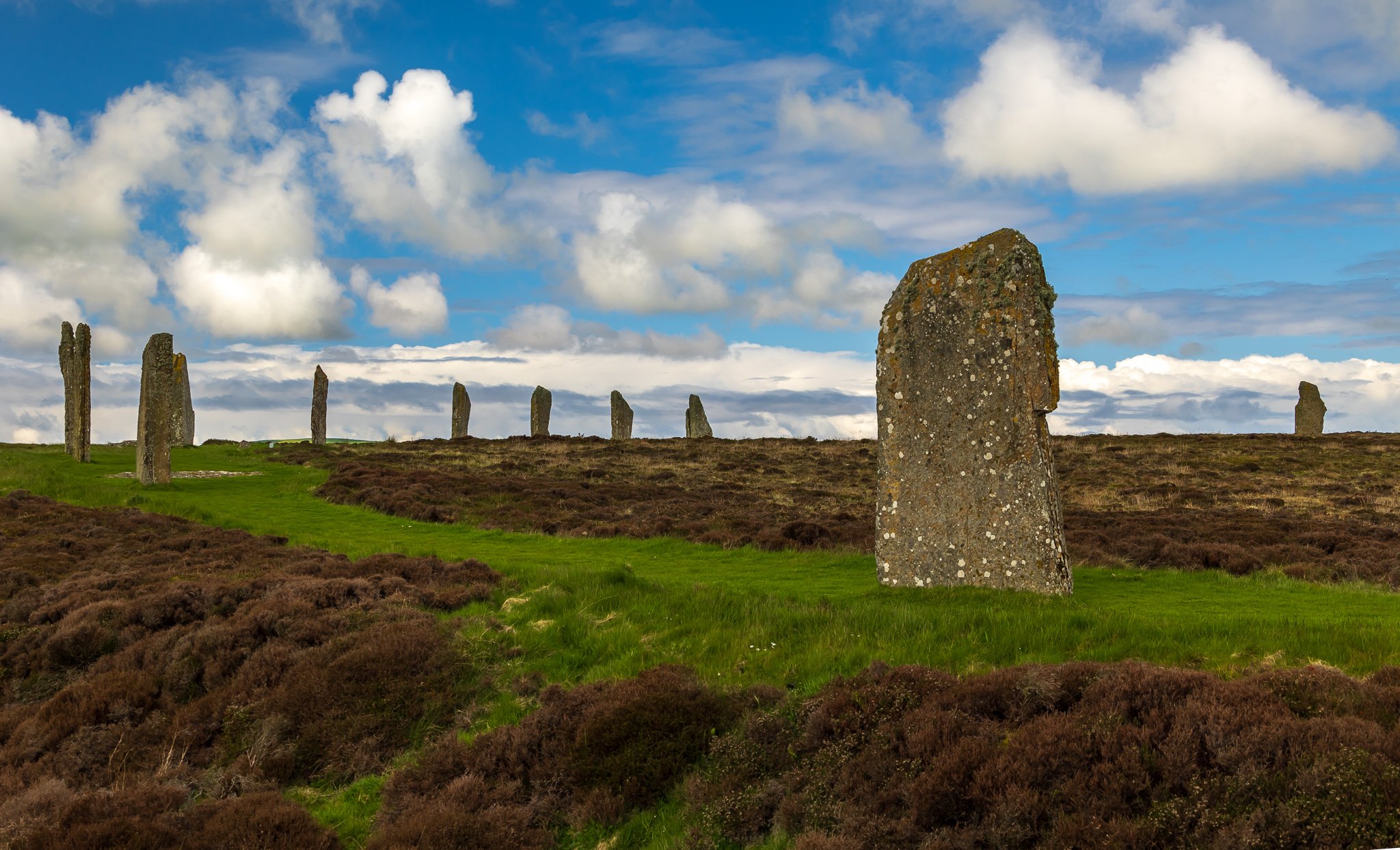
111. Louise got sidetracked on Orkney Island.
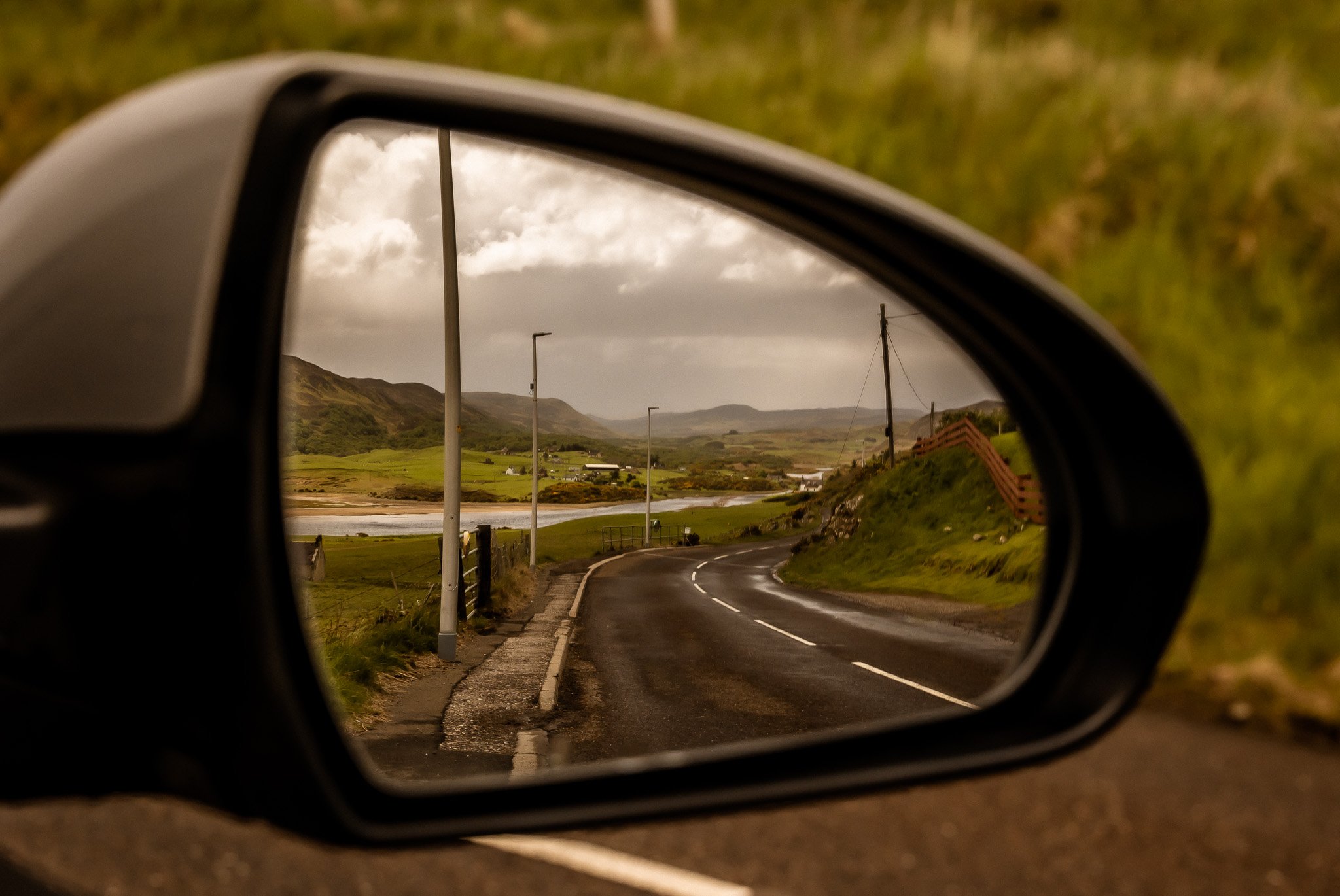
112. And then continued to stay sidetracked, travelling to the Outer Hebrides following the cast of Call the Midwife instead of Karl.
113. Travelling westwards to Glasgow, the adventurers did the “Trossachs en route”, Louise ventured to the Munro of Ben Nevis, and then to Eileen Donan Castle, and around Oban leaving the underside of her rental car a little worse for wear.
114. Karl writes a sweet letter to younger sister Mattie from Glasgow
115. The 1901 International Exhibition was happening in Glasgow Karl was one of 11 million people who visited. Sadly, it only lasted for 6 months so Louise visited the only remaining structure, the Kelvingrove Museum.
116. Karl and Louise both concurred that when it comes to Scotland: “…any Canadian who turns up in that part of the world is treated with the greatest of hospitality.”
117. After a lot of difficulty leaving Australia, Karl managed to find a passage to India.
118. Karl travelled to India on the SS Bezwada, a large cargo steamship built in 1893 employed as a holster taking case of 230 horses destined for service with the Bengal Lancers regiment.
119. After arriving in Kolkata, the horses were brought to a spot called “Waler Corner’' where the Indian Army officials and Australian horse traders would meet. Waler Corner was a location next to the Grand Hotel in Kolkata.
120. At this juncture, Louise intersected with Karl's journey, commencing her exploration at the former Grand Hotel, now the Oberoi Grand Hotel. Her journey unfolded with an immersive tour of the hotel steeped in history, guided by the legendary concierge, Mr. Amitava Sarkar.
121. As Karl meandered through the streets of Kolkata, marked by a distinct European influence evident in the neoclassical architecture, he visited the Black Hole of Calcutta—a site symbolic of the event that sparked the British Empire's Imperial conquest.
122. Following his footsteps, Louise explored the Black Hole and other colonial buildings, many now in varying states of disrepair—some crumbling while others endure as functional entities.
123. Despite the faded grandeur of Kolkata's colonial past, the streets pulsated with energy. Louise learned that Life happens on the streets of Kolkata.
124. Karl's narrative included a stop at Chandernagore, a small commercial city under French rule since 1816. He documented this slice of India's history, prompting my curiosity. Intrigued by "French India," Louise opted for a detour to Puducherry, formerly known as Pondicherry or "Pondy."
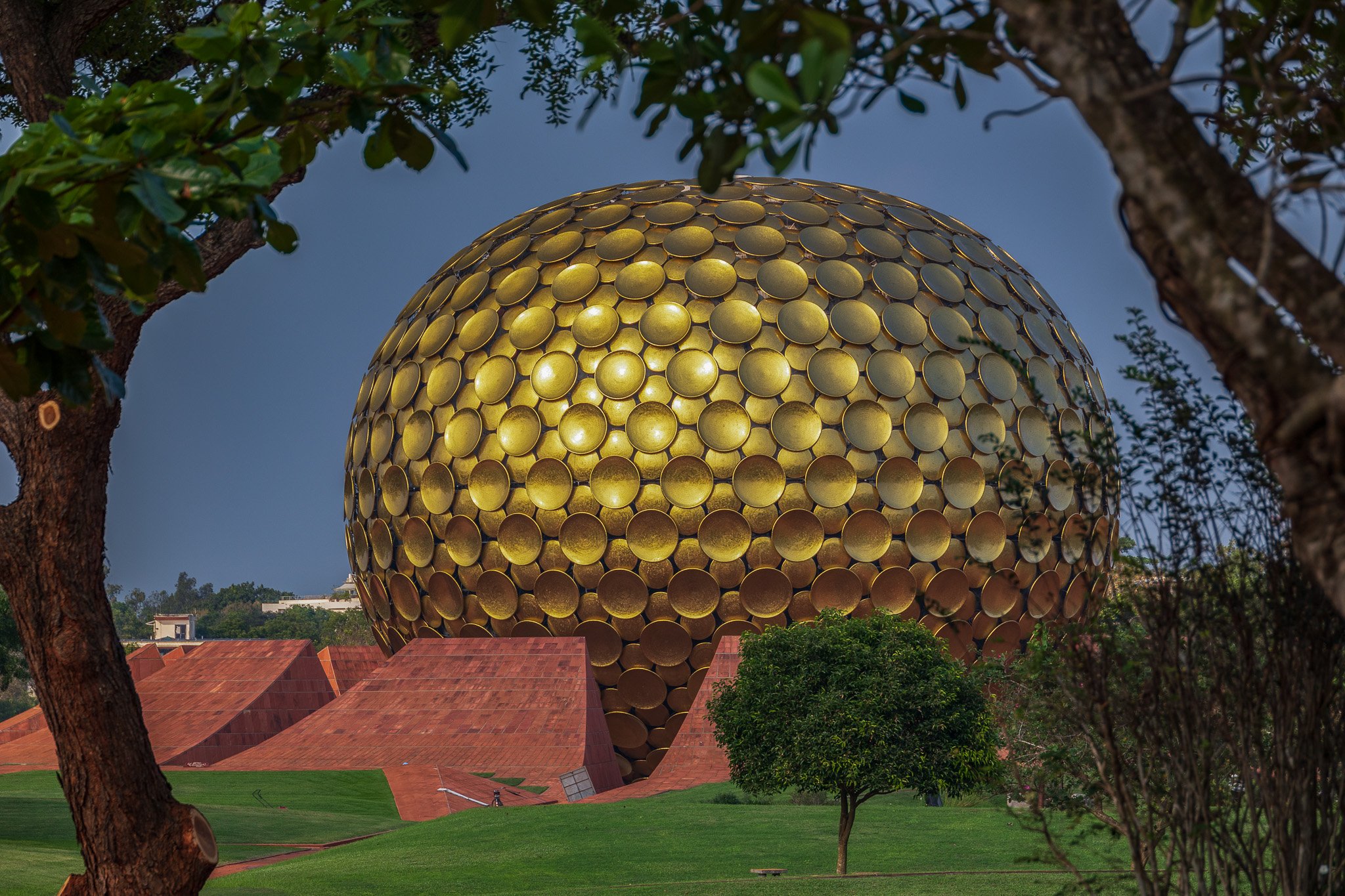
125. Puducherry unfolds as a captivating fusion of cultures and spiritual experiences. Auroville, a visionary township dedicated to "human unity," emerged from the spiritual journey of an Indian philosopher and Nationalist movement leader.
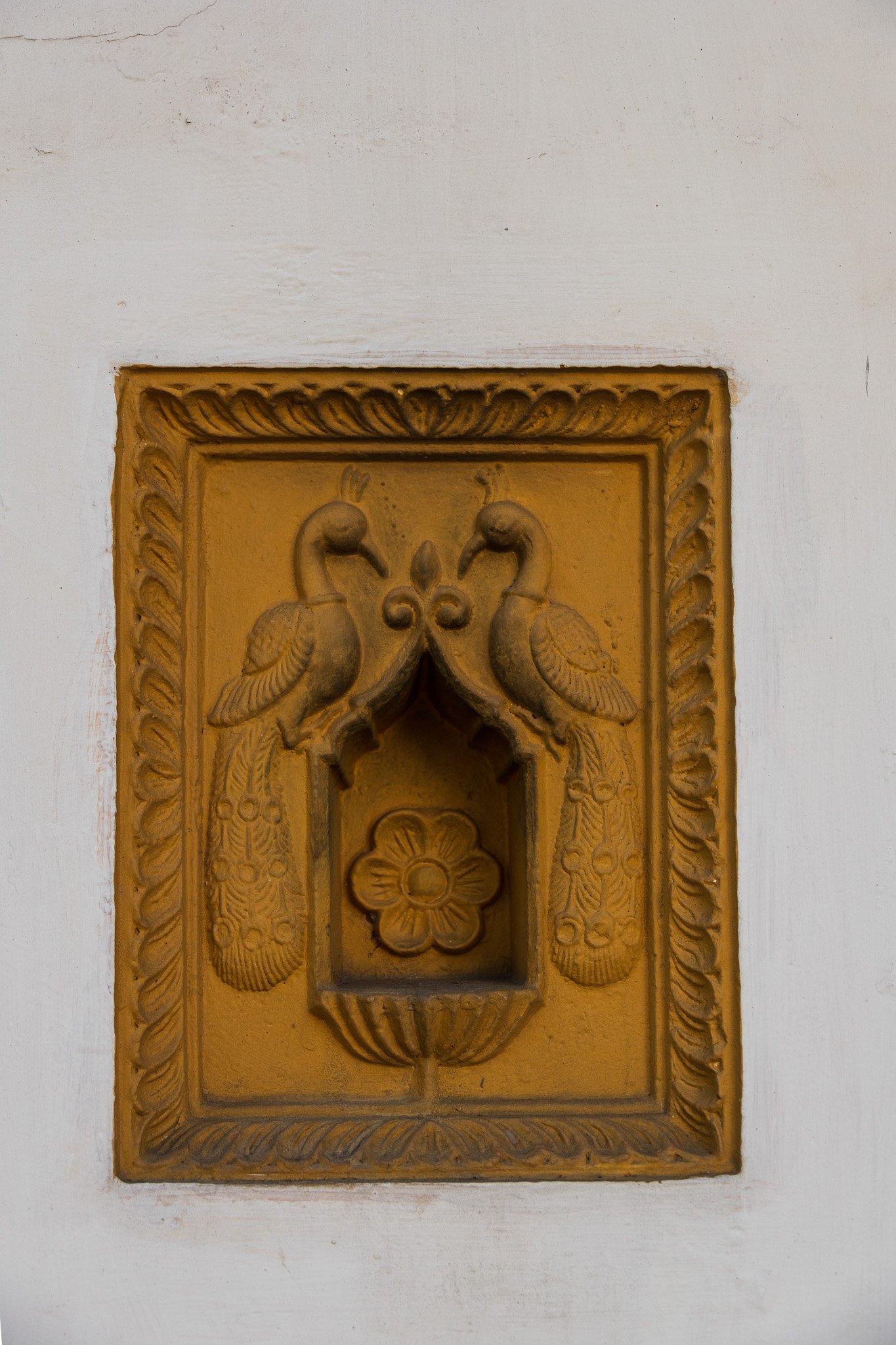
126. Louise stayed in a hotel that was once a grand Chettiar family mansion standing proud for over 130 years.. The Chettiars, influential merchants from around 1875 to 1925, left an indelible mark on India's economy, investing wisely in real estate and erecting magnificent mansions in Chettinad villages.
127. Karl wrote about his concerns regarding the quality of water in India, Louise found that 120 years later, the concern about the quality of water is being eclipsed by the reduced availability of water.
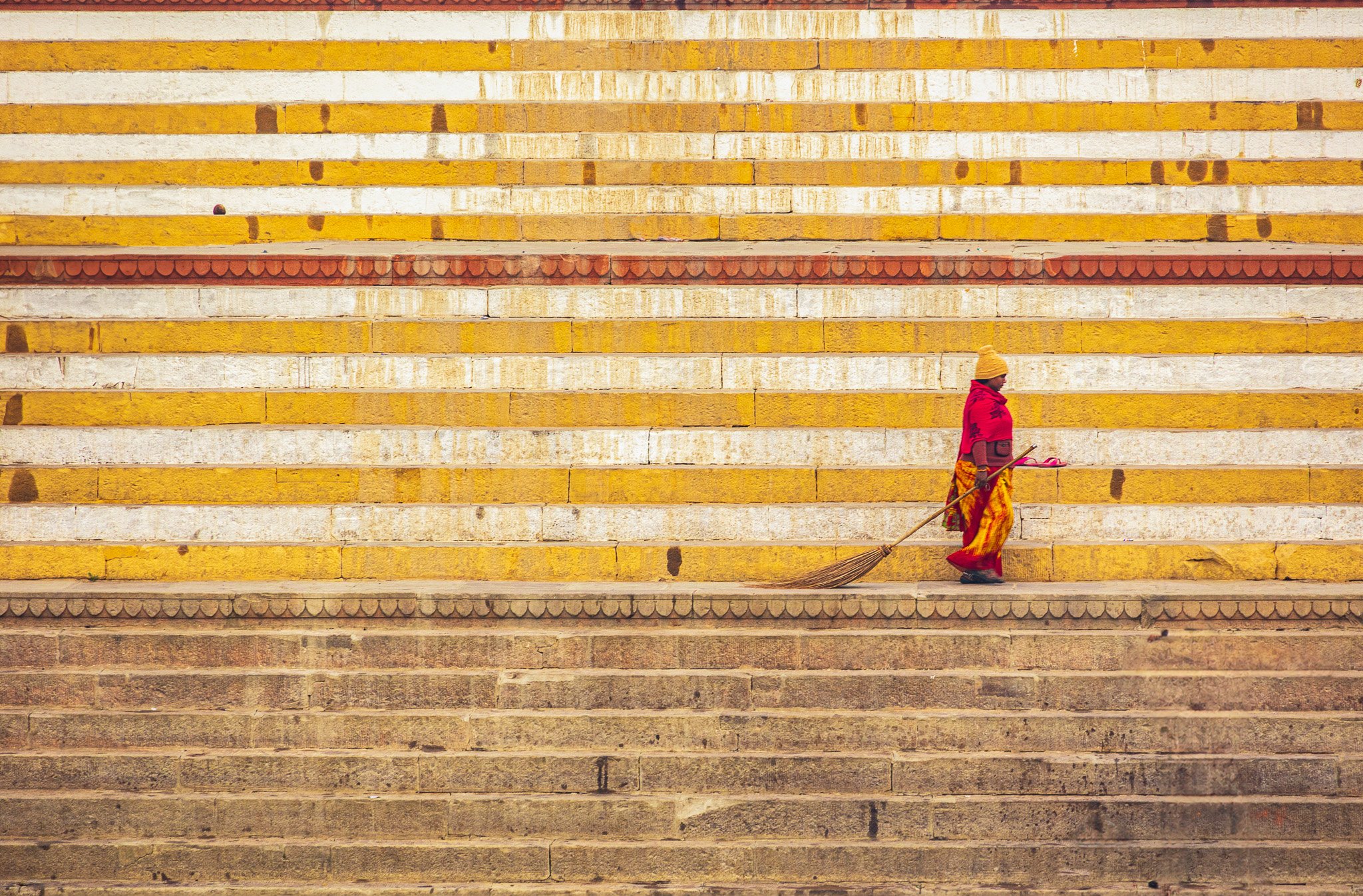
128. Karl, after spending ten days in Kolkata, "oiled up his bike" and commenced his westward journey along the River Ganges observing Hindu rituals on the riverbanks, noting the burning ghats and the constant influx of bodies.
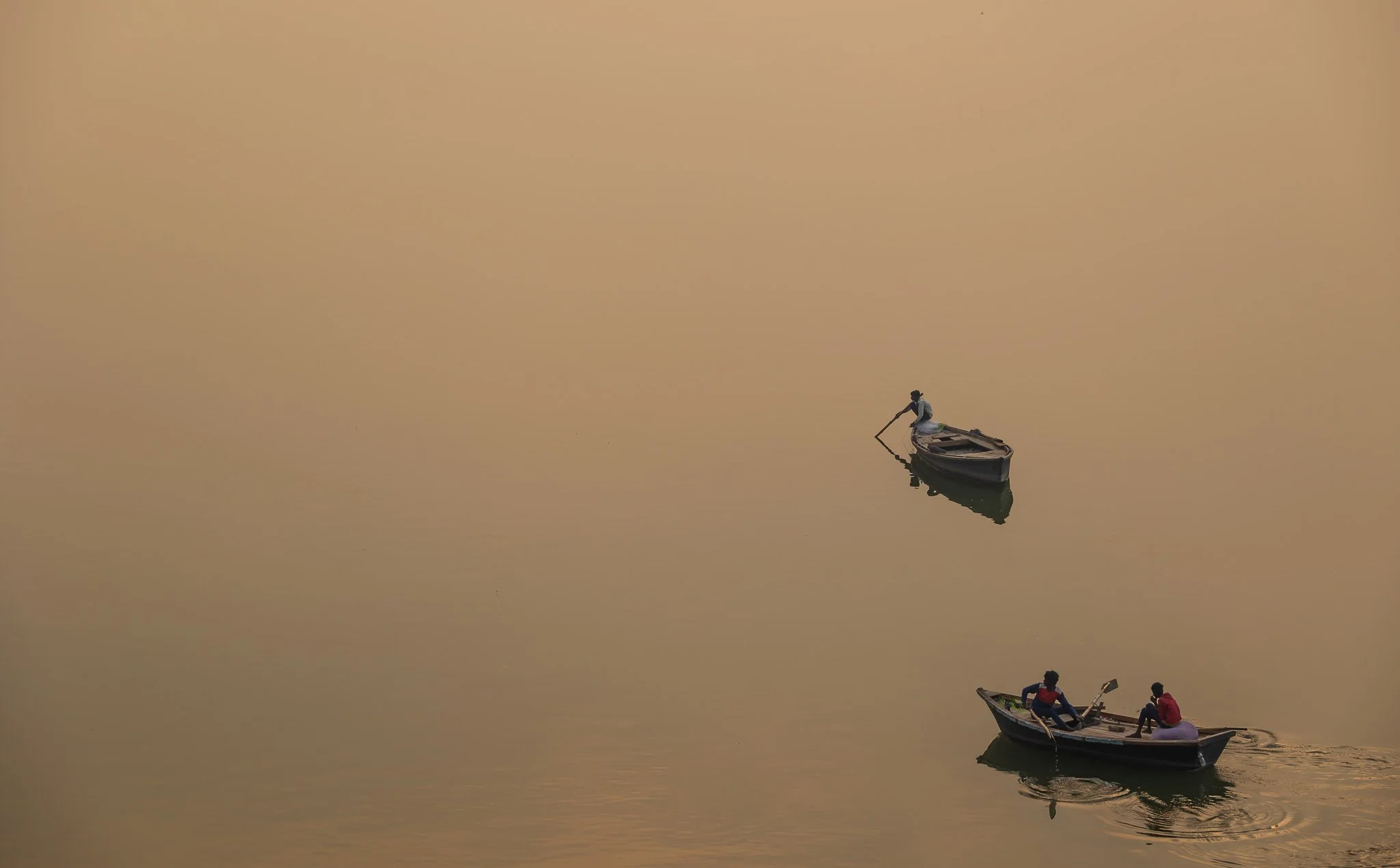
129. Eager to witness these scenes, Louise embarked on a morning boat cruise along the sacred River Ganges, maintaining a respectful distance she passed all 84 ghats.
130. However, Karl's sojourn in Varanasi was marred when he contracted malaria fever, as reported in a subsequent newspaper article: Karl M. Creelman was unfortunate on the way to Benares.
131. Karl's resilience saw him through a substantial 10-week recovery period, during which he found companionship with the Black Watch soldiers deployed to India in response to a mutiny. Despite not being at full strength, his determination to reach Bombay propelled him back onto his bicycle.
132. Before departing Varanasi, Karl explored the city's tourist spots, enriching his experiences during his travels in India. Displaying audacity, he sent a postcard to the Maharaja of Benares, expressing his desire to visit and then showed up at the Palace doorsteps.
133. Louise was also keen to meet the Maharajah and created a master plan.
134. Louise stayed at the Nadesar Palace, owned by Maharaja Prabhu Naryan Singh, in 1899. The palace, filled with antiques and art pieces, exuded the spirit of the Maharajas from the British Raj era.
135. Ramnagar Fort, constructed in 1750 with cream-coloured sandstone, offered a glimpse into Mughal-style architecture. Despite some limitations compared to Karl's access, Louise experienced a touch of history.
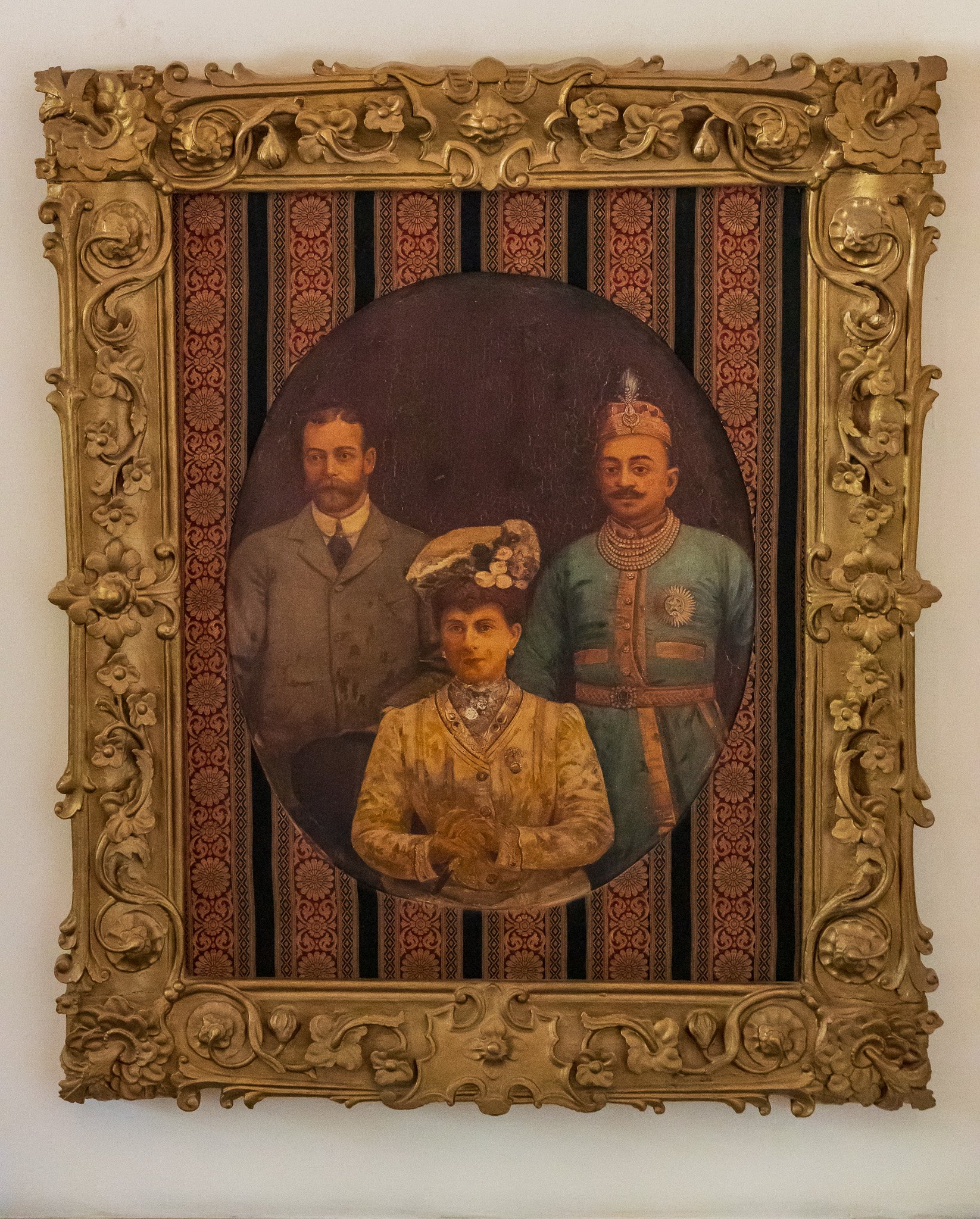
136. While Louise couldn't enter the Royal Quarters or dine with the Maharaja, she had the privilege of meeting the current Maharaja, His Highness Anant Naryan Singh, on Christmas day—an encounter that felt like a convergence of reality and history.
137. Louise was feeling nostalgic about growing up in the 80s and the joy of the “mixed tape” while researching Karl’s playlist of his travels which took the form of his own voice, melodies hummed or whistled as he pedalled through his travels on his trusty Red Bird bicycle.
138. While Louise was navigating Karl’s route through India, she took the time to visit the UNESCO-designated World Heritage site: Shore Temple of Mahabalipuram
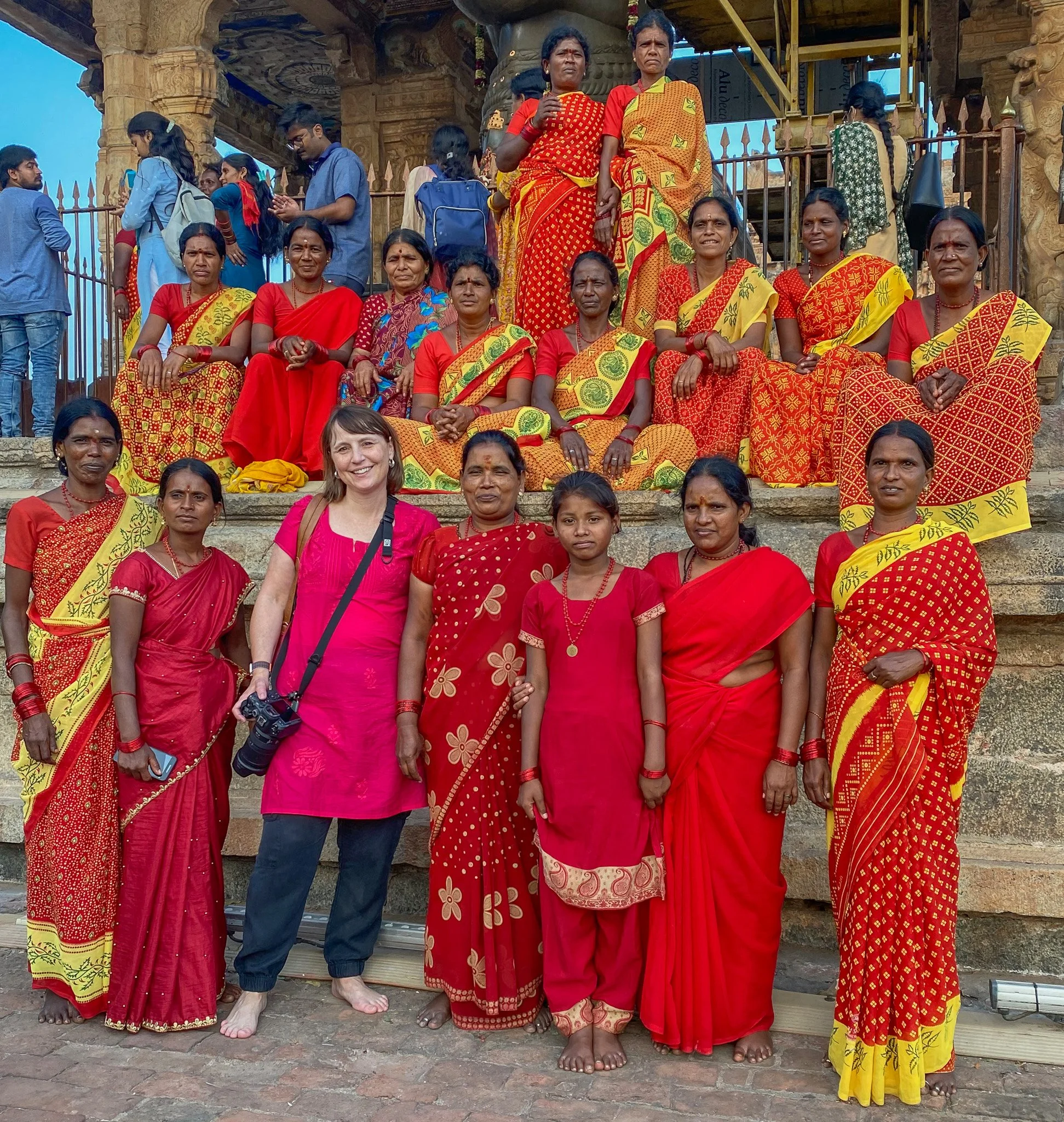
139. Continuing to enjoy her time exploring temples, Louise then visited the magnificent Brihadeeswarar Temple in Thanjavur. Brihadeeswarar meaning "Big Temple," earns its title from having the tallest tower at 66 meters.
140. Louise followed Karl to Lucknow. First she visited the Residency, a group of several buildings constructed in 1775 as the residence for the British officers and their staff. In May 1857, there was a rebellion and 3,000 British civilians were under siege for 148 days resulting in extensive damage to the Residency and buildings falling to ruin.
141. Then Louise visited the Bara (big) Imambara that included a mosque, assembly halls, separate prayer areas for men and women, and beautifully manicured gardens.
142. Karl wrote about his visit in Cawnpore “...situated on the eastern bank of the River Ganges, and is a city that has many historic and interesting spots. There is the memorial well, into which the bodies of over 200 Europeans were thrown, after the massacre by the rebel Sepoys, in 1857.”
143. But nothing quite matched the awe-inspiring sight when Karl saw the Taj Mahal. He termed it the "dream in marble," and Louise shared his awe. First she starting at Mehtab Bagh, offering a vantage point to behold the Taj Mahal at sunset when a gentle tangerine hue delicately landed on the iconic white marble mausoleum.
144. Then meticulously planning her day, Louise set out to see the Taj Mahal at sunrise and was not disappointed.
145. As Karl advanced through Agra, he explored Akbals Fort, acknowledging the towering height and extensive span of the walls around the fort. So Louise did the same.
146. Karl left Agra and proceeded south to Futehpur Sikri, the place originally planned to be the capital of the Mughal Empire. Louise didn’t go there, but instead visited Delhi, the National Capital of India exploring Red Fort, Humayun's Tomb, and Lodi Gardens.
147. Staying true to Karl's experiences 120 years ago, Louise stepped back and delved into the time-honoured techniques of crafting murukku, tiles, and rope.
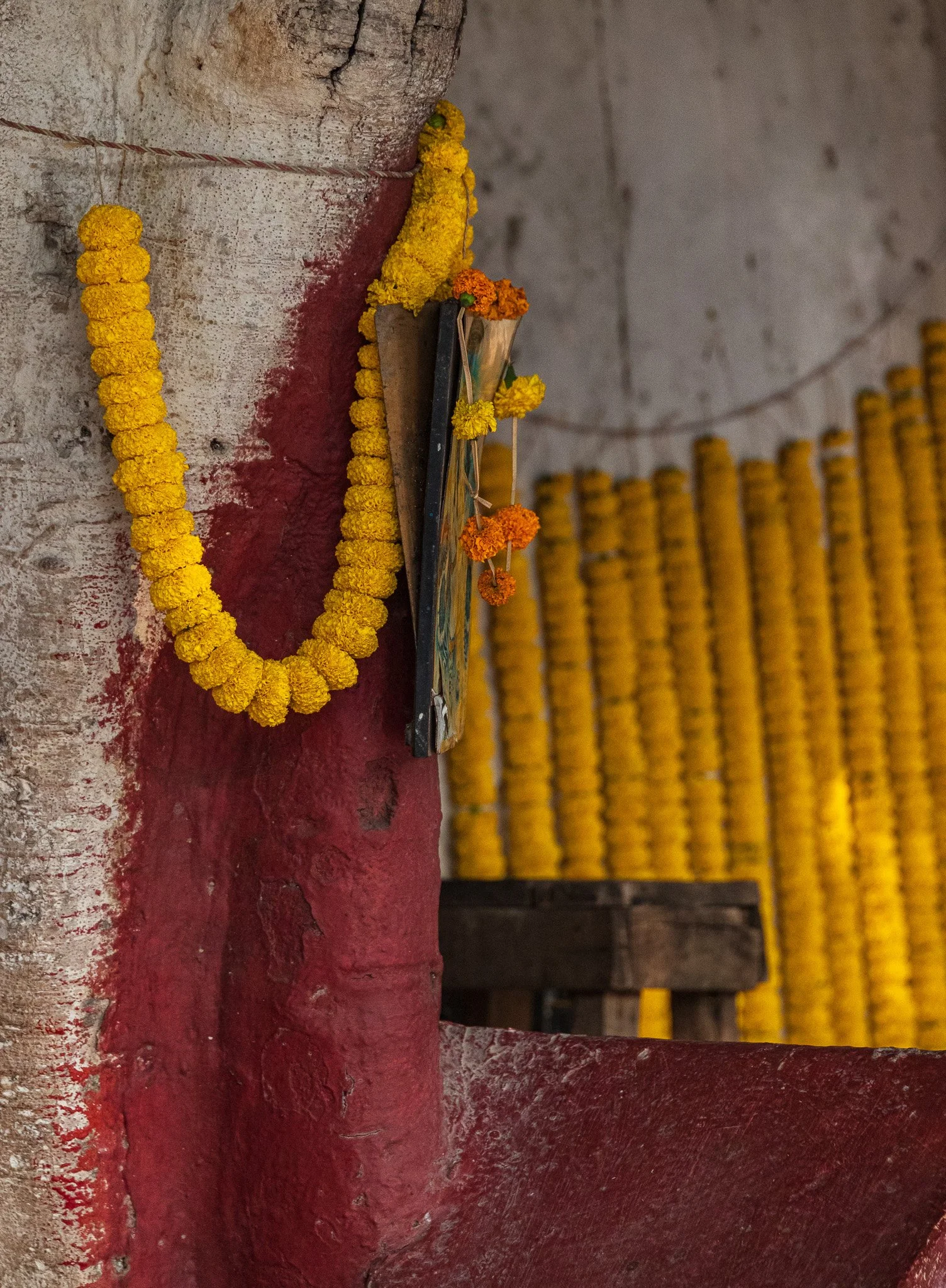
148. Karl pedalled steadily westward on his journey to Bombay (now Mumbai). Louise decided to take a detour to the Pink City, a quintessential destination for any traveller in India.
149. After an incredible experience in India, this chronicle wrapped up What we saw along the way
150. A special sesquicentennial post included an interview (fictional) with Karl and Louise in Conversation with Sir Michael Palin.








































In case you’ve missed them, click here for more Karl Chronicles
The Karl Journey is now registered as an official expedition with the Royal Geographical Society