Italy: May 2026
Naples to Rome to Florence to Venice, four cities south to north. Started on the water and ended on the water. In between, plenty of pasta and gelato, wine and cappuccinos, cobblestoned streets, alleyways, vaporettos, numerous steps walked, sunrise shots and sunset endings.
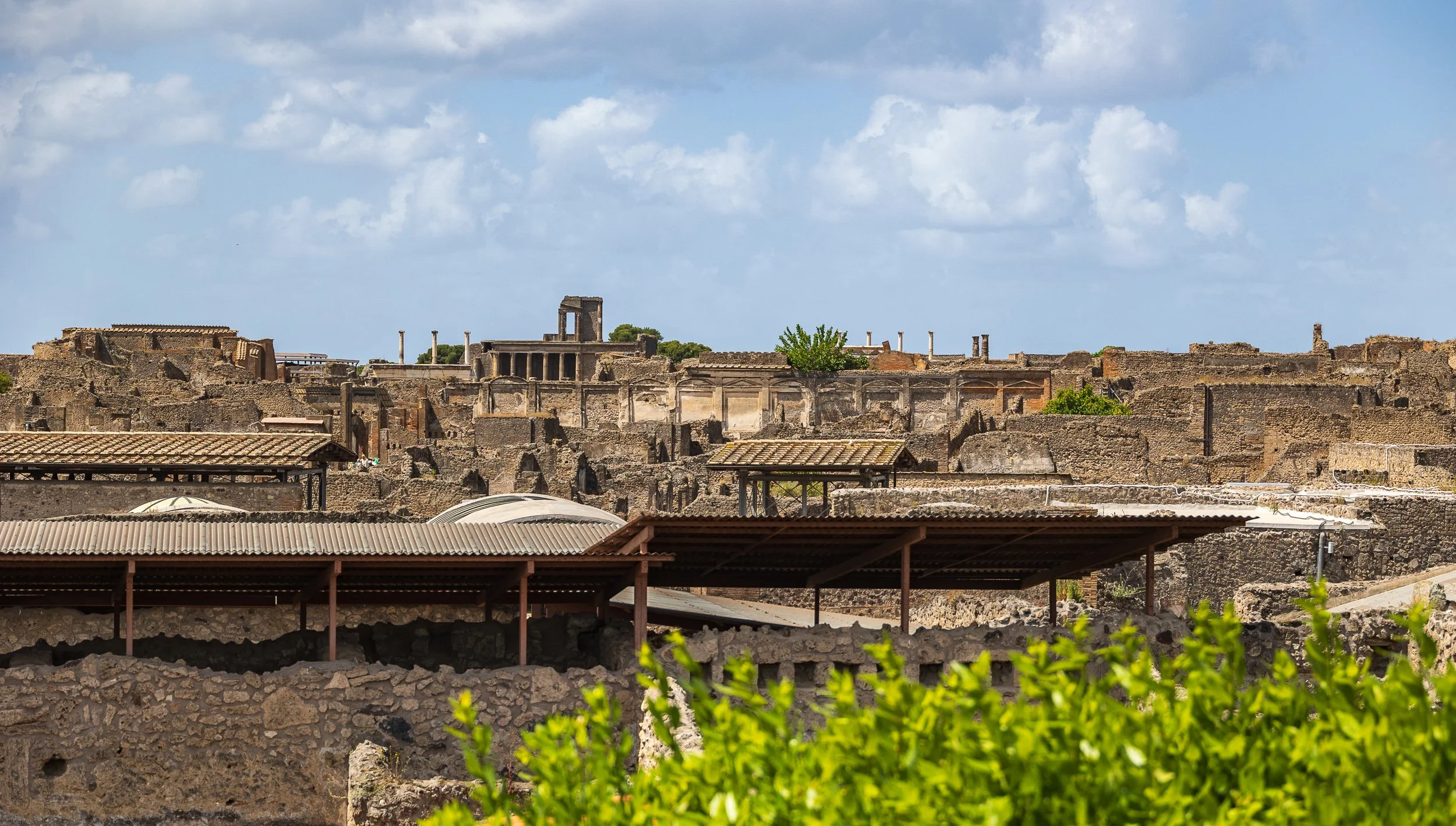
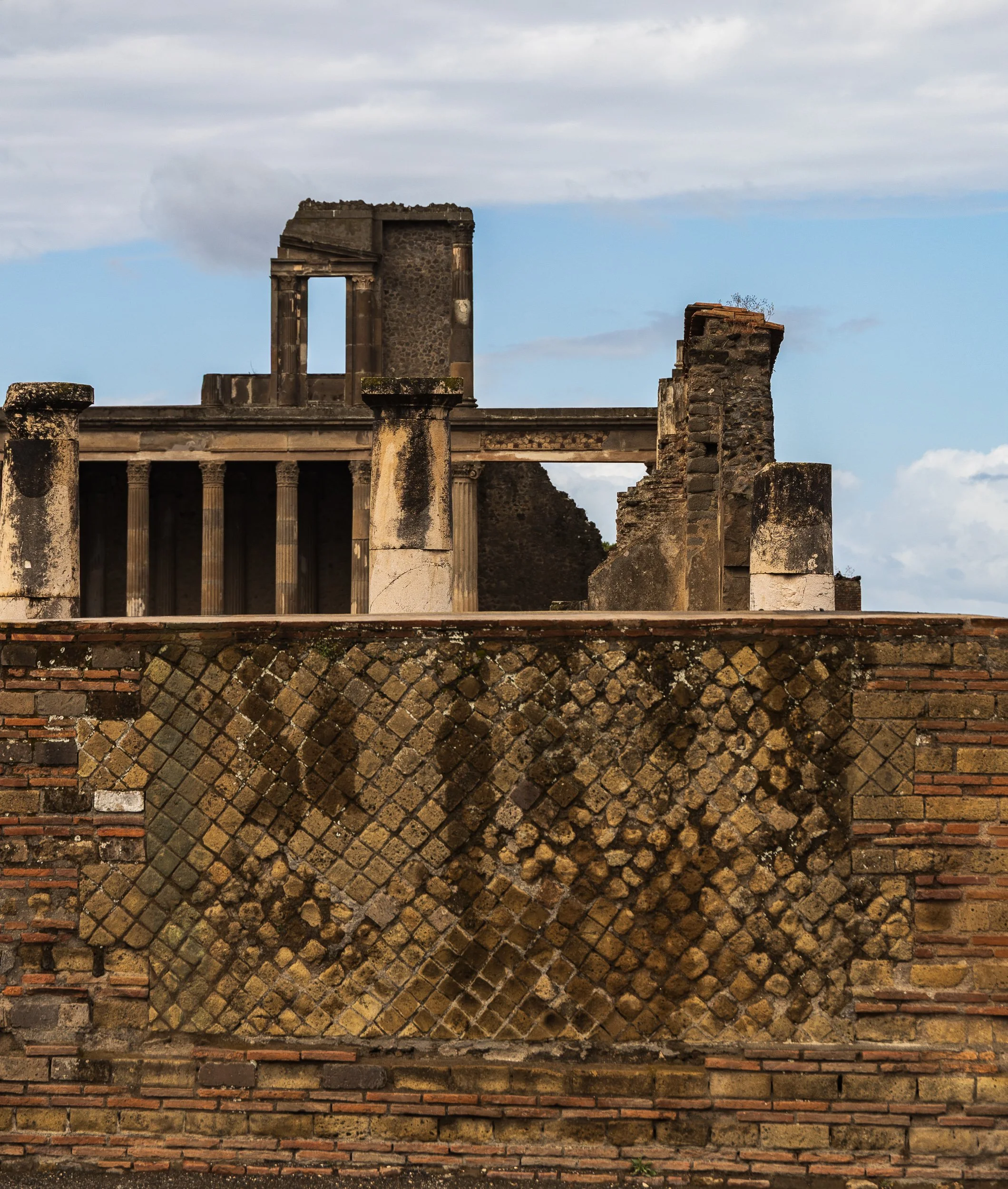
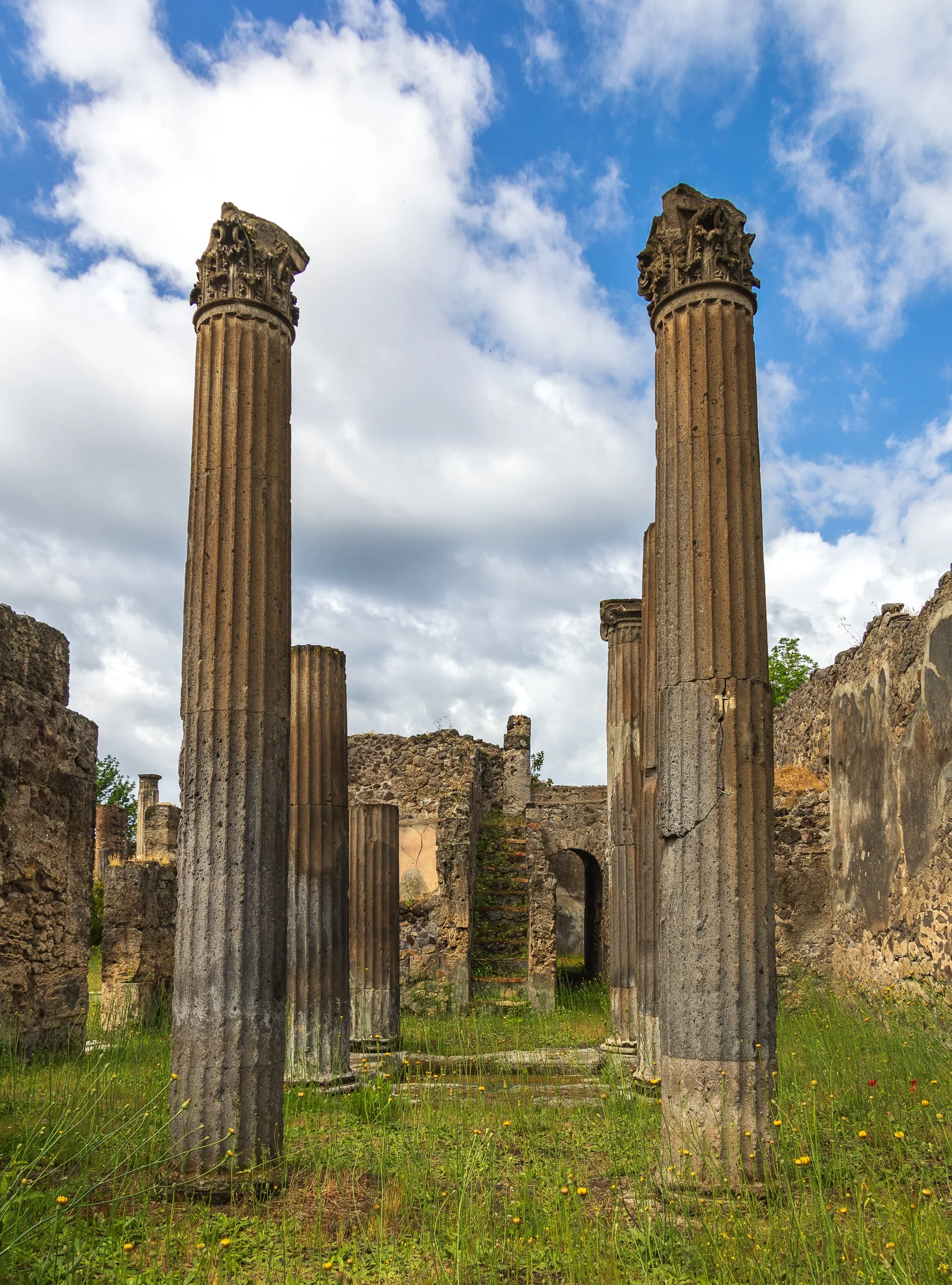
The day before Vesuvius erupted, the inhabitants had no idea they were living on the edge of a volcano. It looked like a fertile mountain. And then it wasn't. Within two days the entire city was buried under six metres of ash, so fine it adhered to the folds in people's clothing.
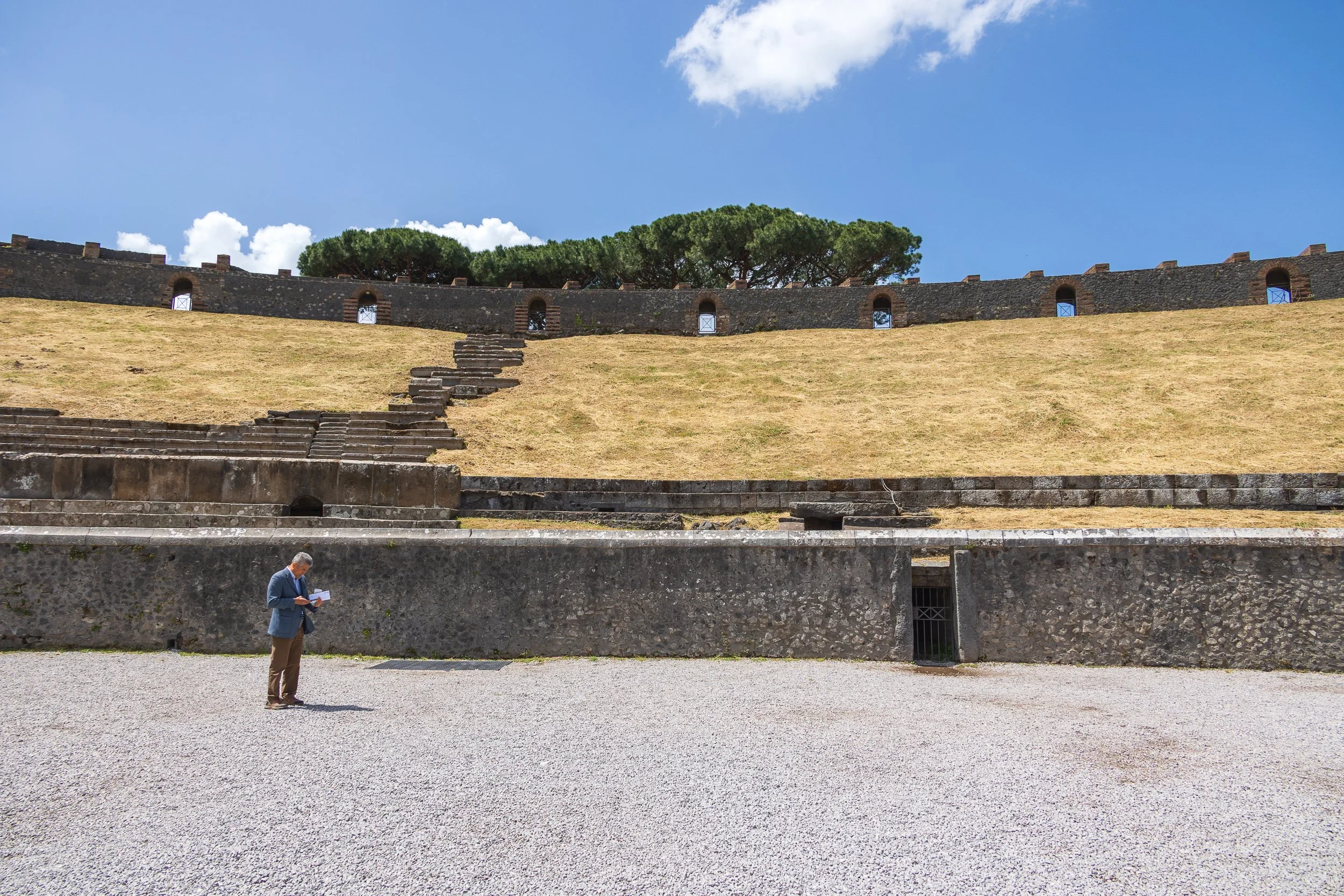
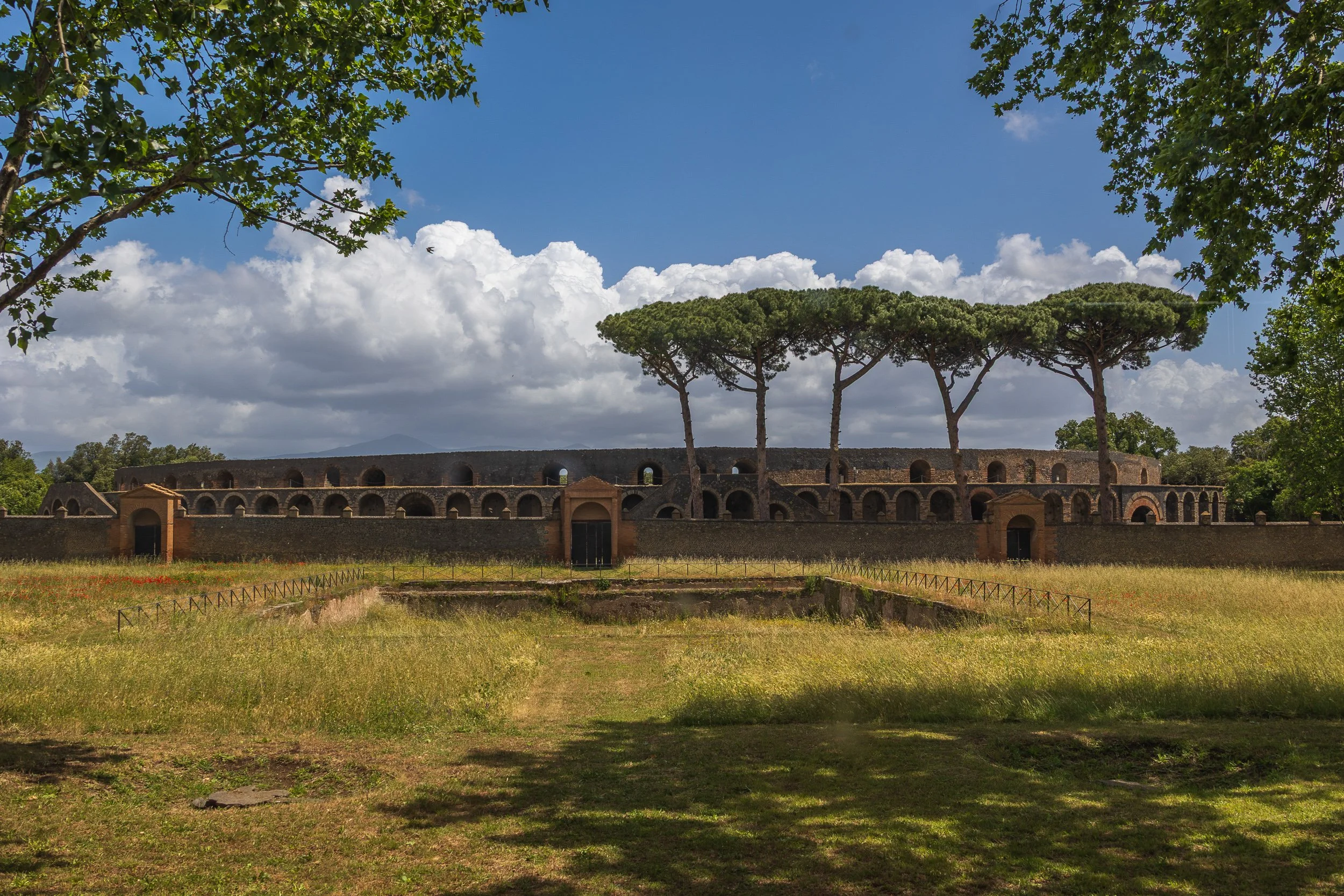
The Amphitheatre
Built around 70 BC, it's the oldest surviving Roman amphitheatre in existence. Grass has reclaimed the seating tiers now, but the scale still holds; it could seat 20,000 people, more than the town's population.
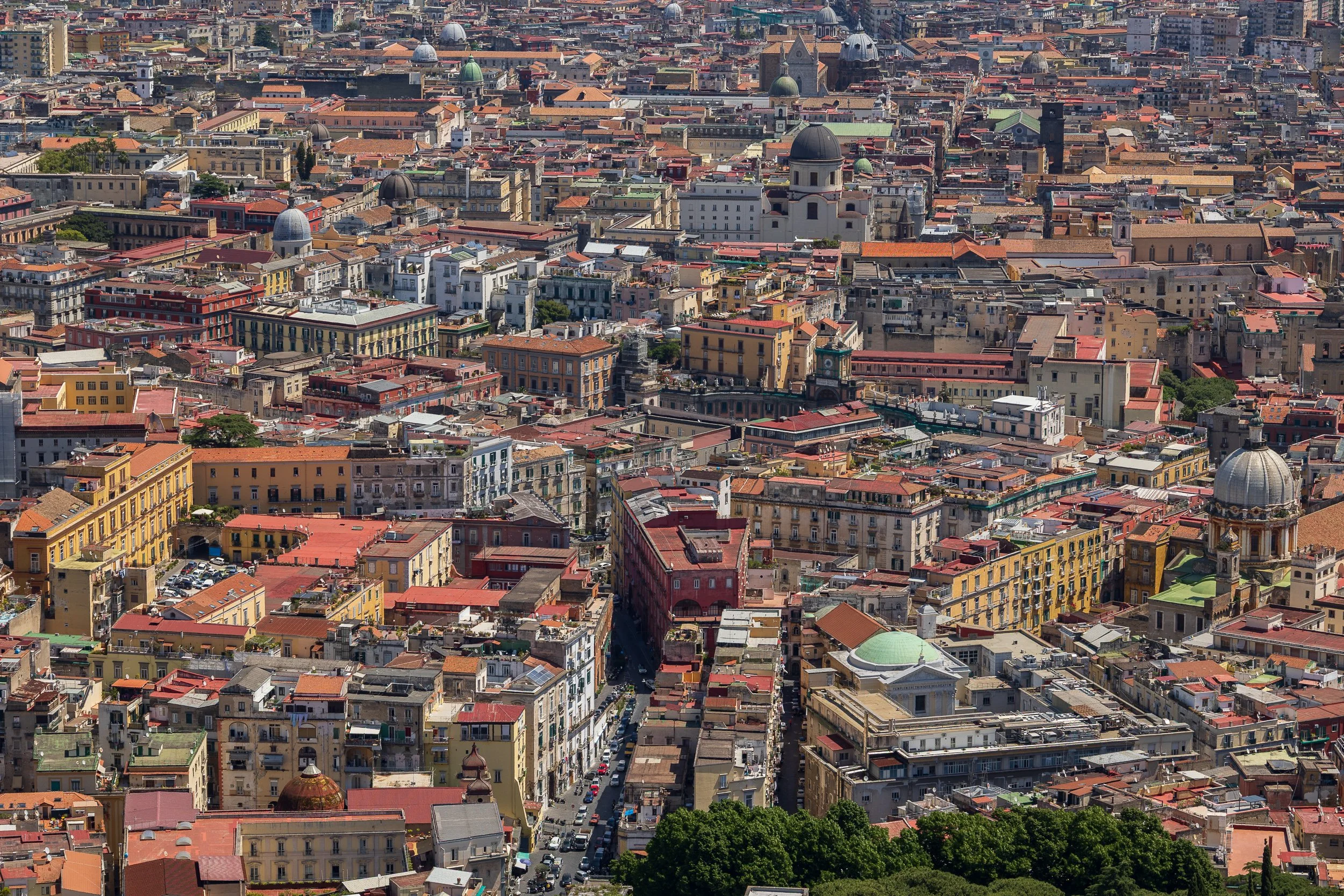
Founded by Greeks as Neapolis around 600 BCE, making it one of the world's oldest continuously inhabited urban areas and the largest UNESCO World Heritage Site in Europe.
Key highlights include authentic Neapolitan pizza, the Naples National Archaeological Museum, and proximity to Mount Vesuvius.
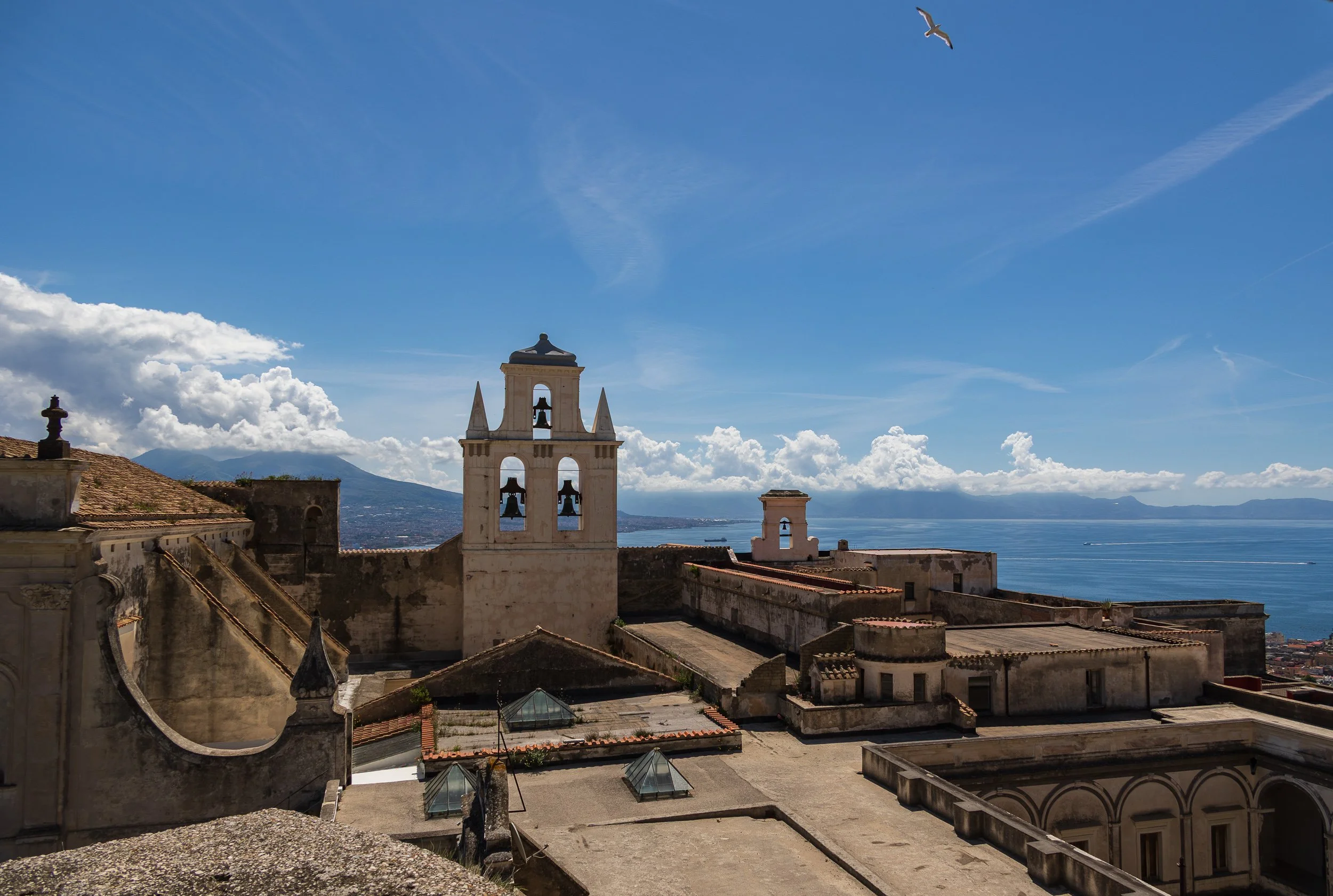
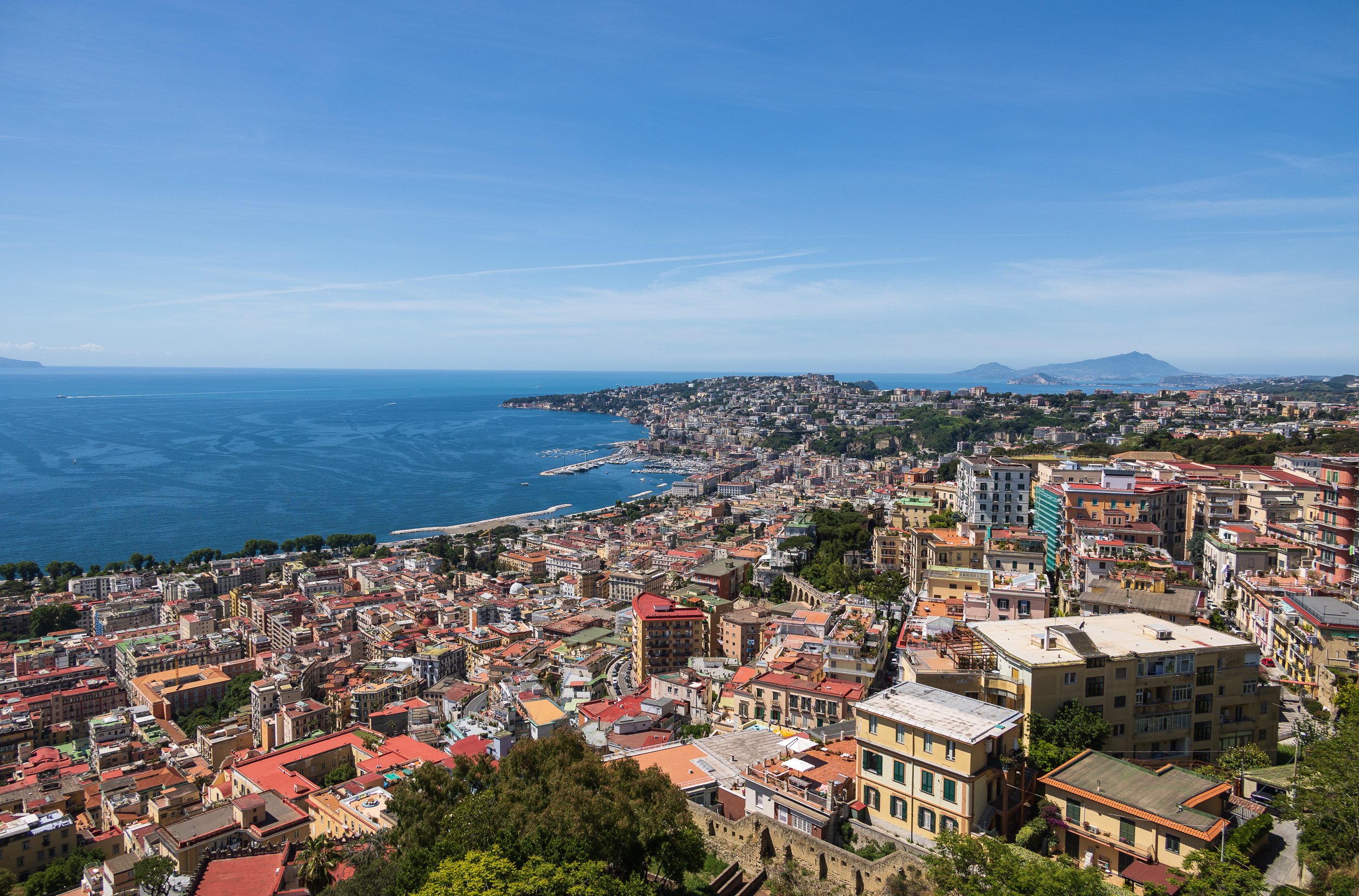
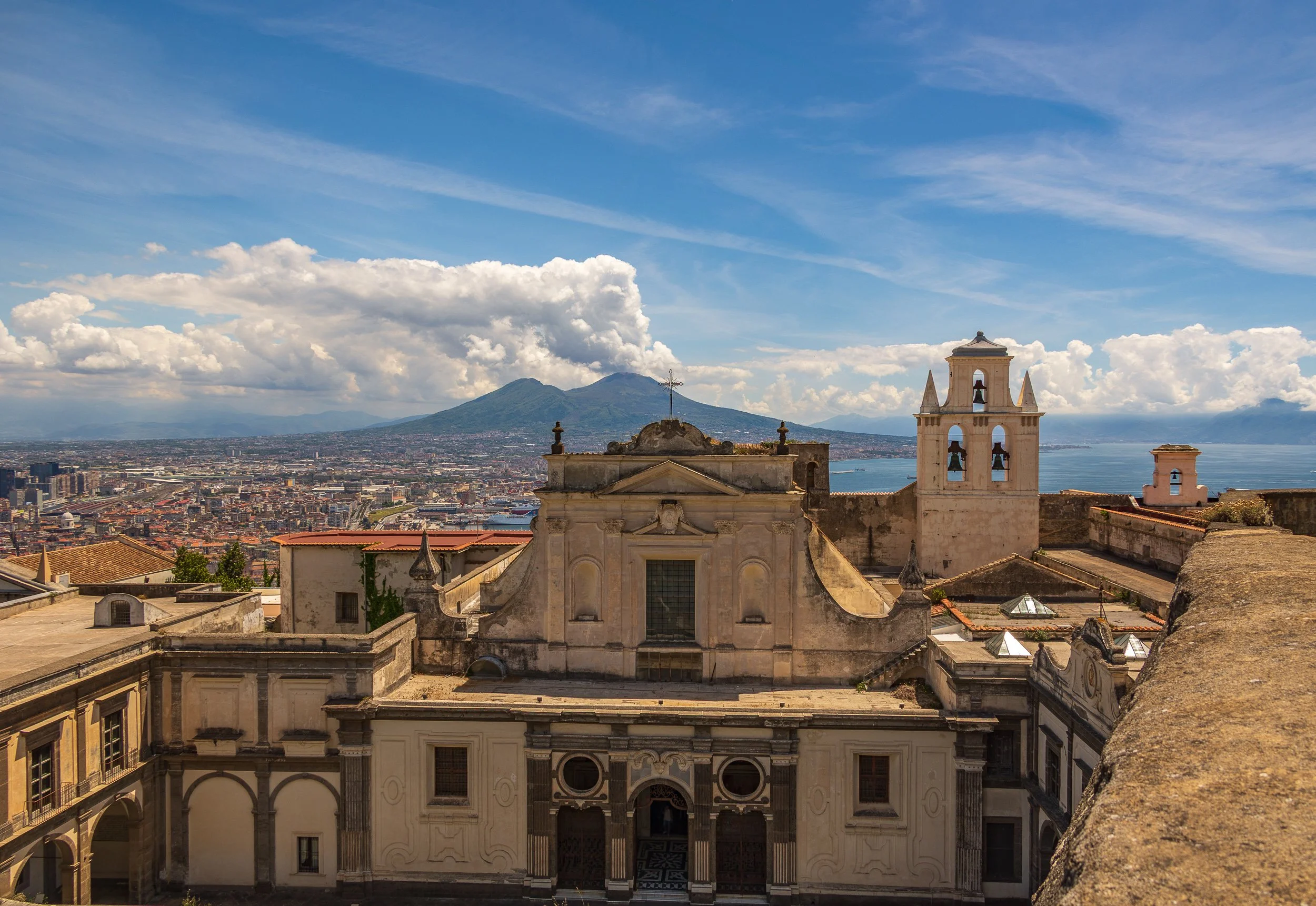
Castel Sant'Elmo
The Central Funicular has hauled people up this hill since 1928. At the top: a historic star-shaped medieval fortress and 360-degree panoramic views of the city, the bay, and Mount Vesuvius.
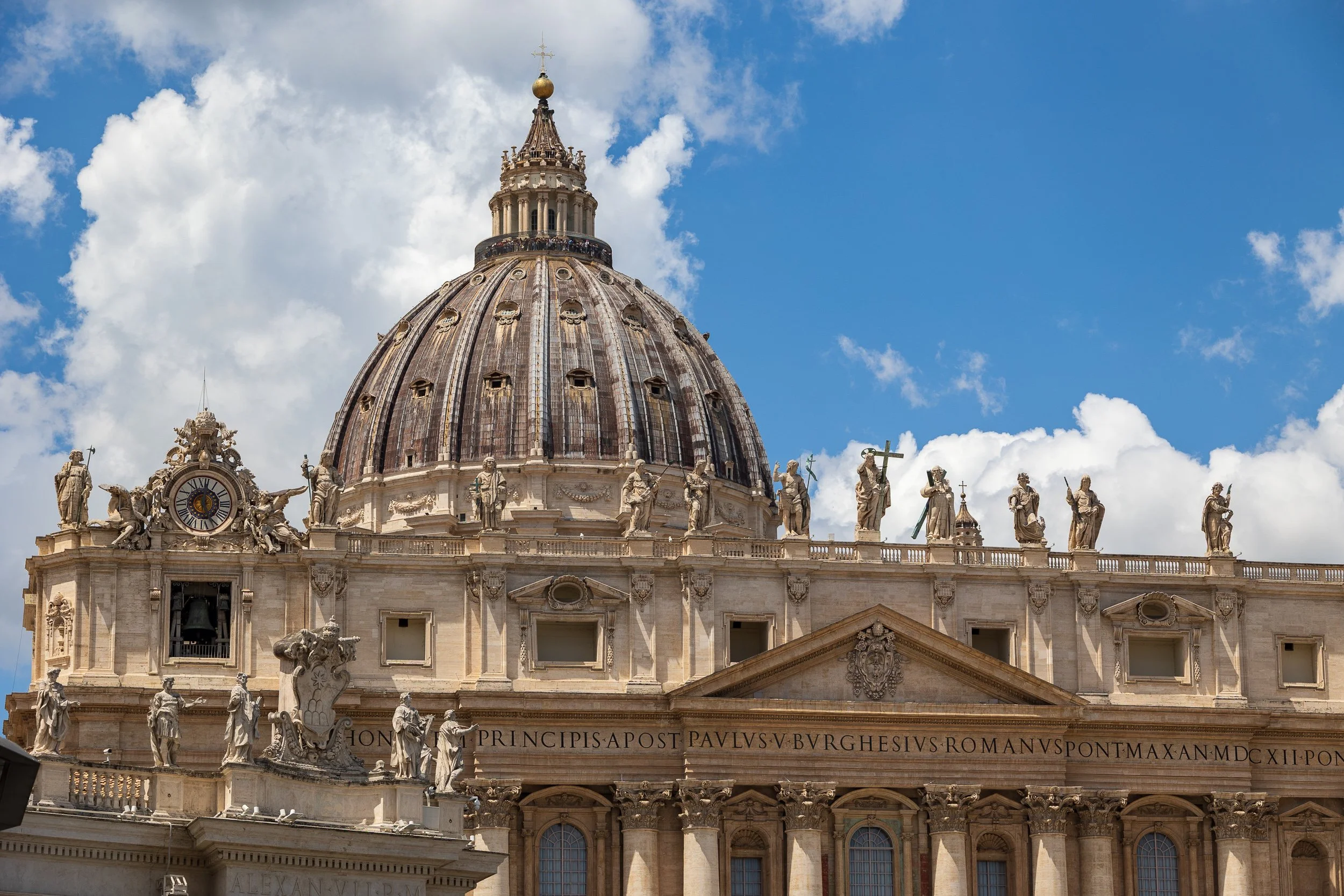
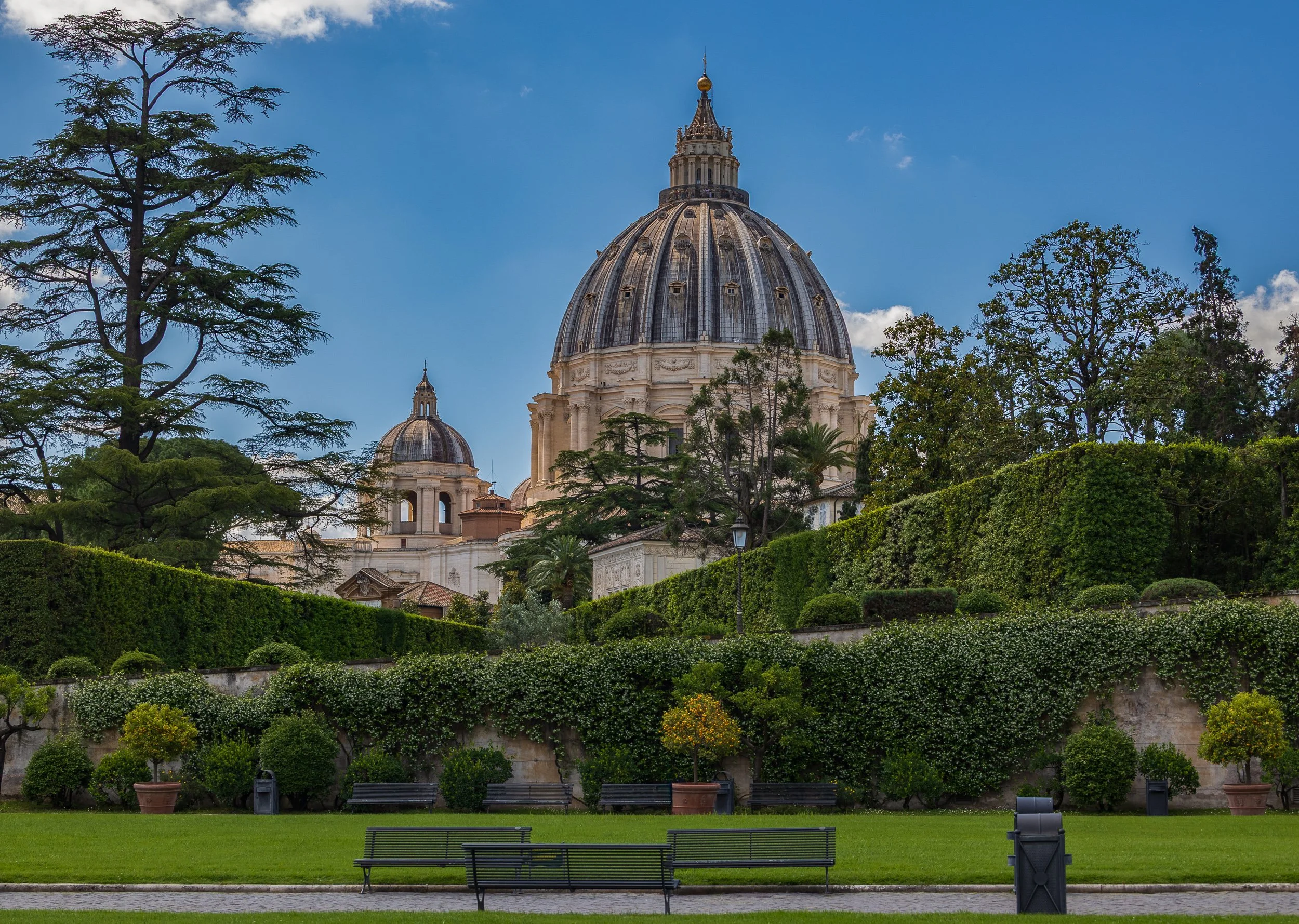
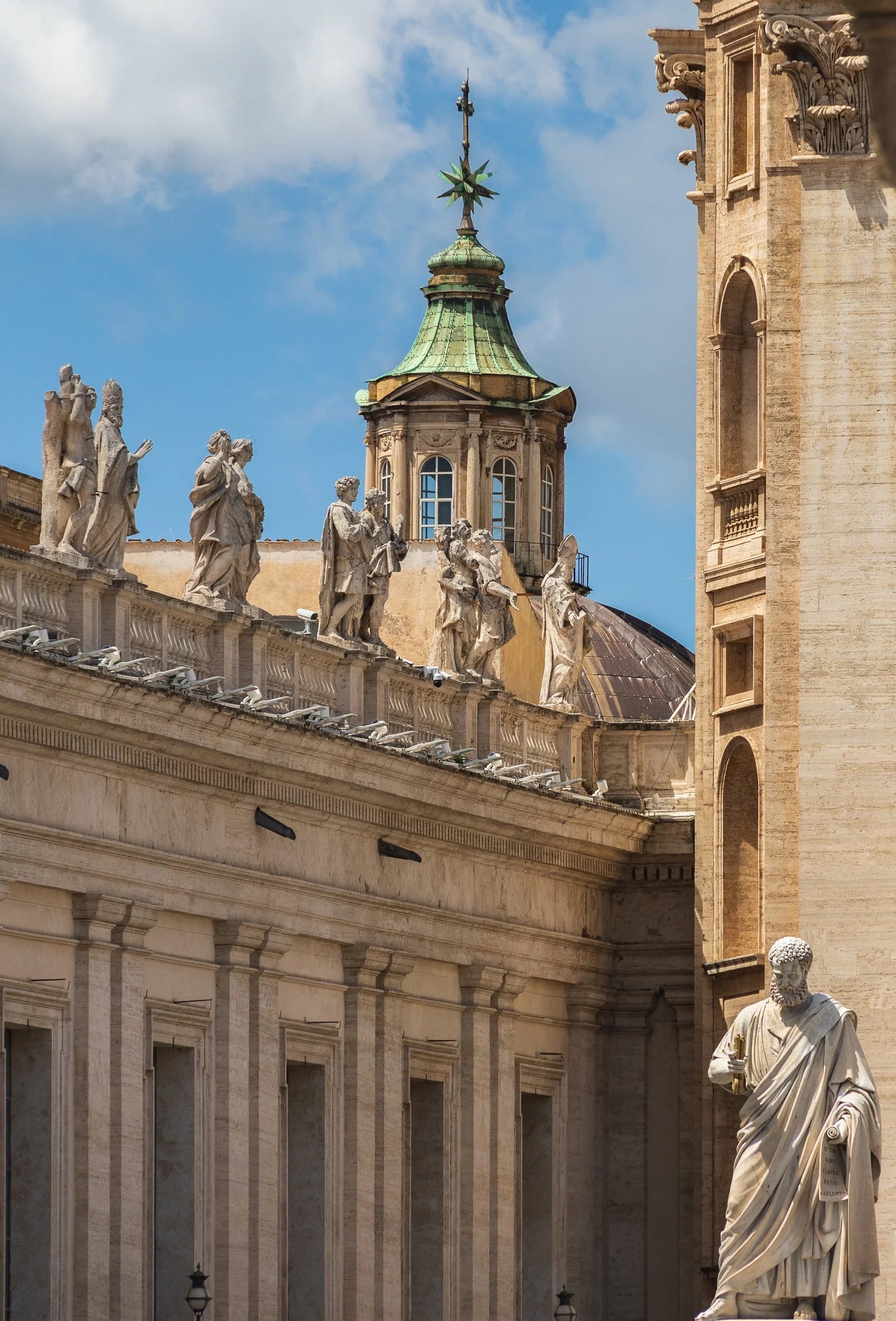
The smallest country in the world, 44 hectares, entirely enclosed within Rome, and still home to St. Peter's Basilica, the Sistine Chapel, and one of the largest art collections anywhere. Swiss Guards in Renaissance uniform stand watch at the gates. Millions come through every year. A tour through the Vatican Museums, and we could spend weeks and still not scratch the surface.
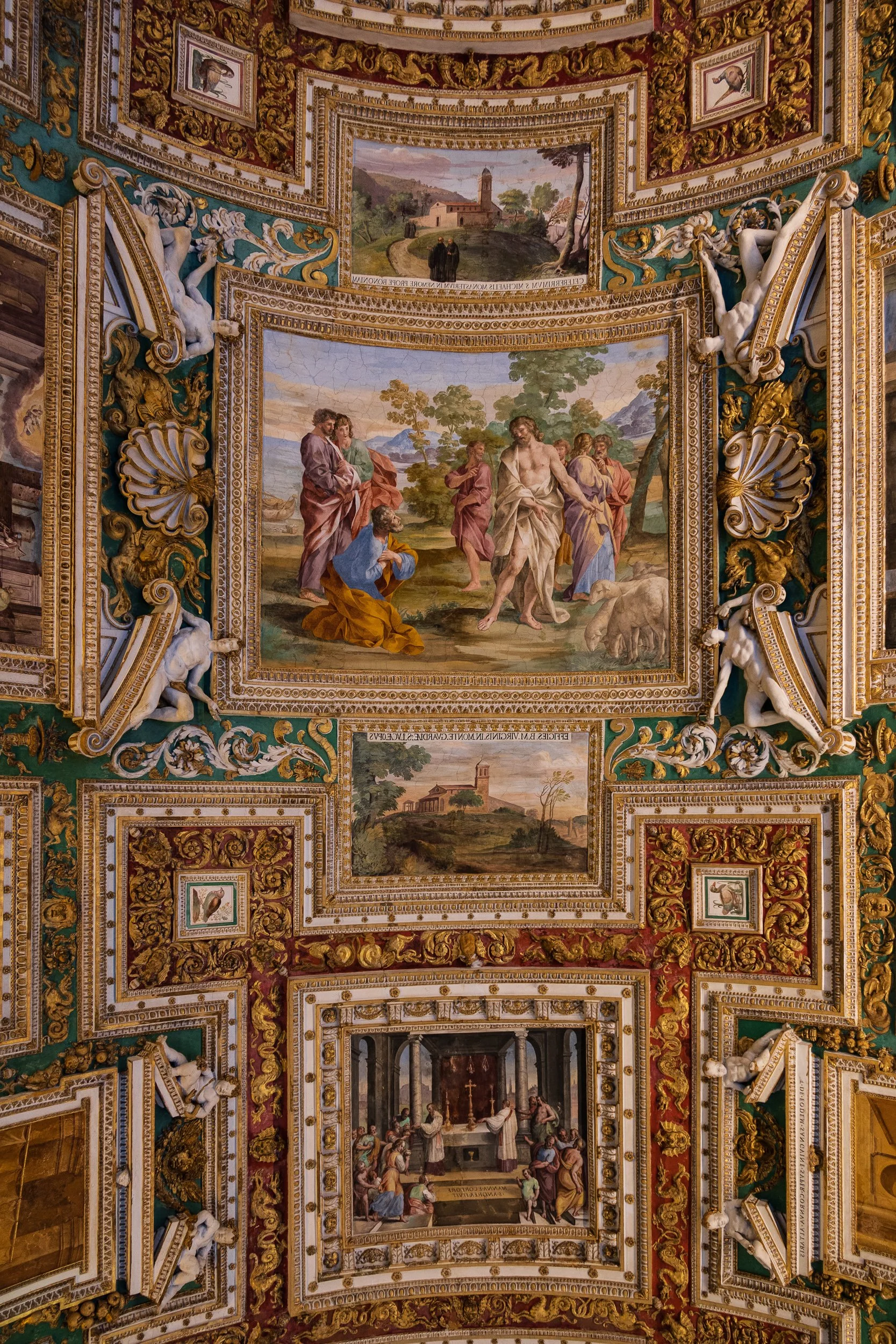
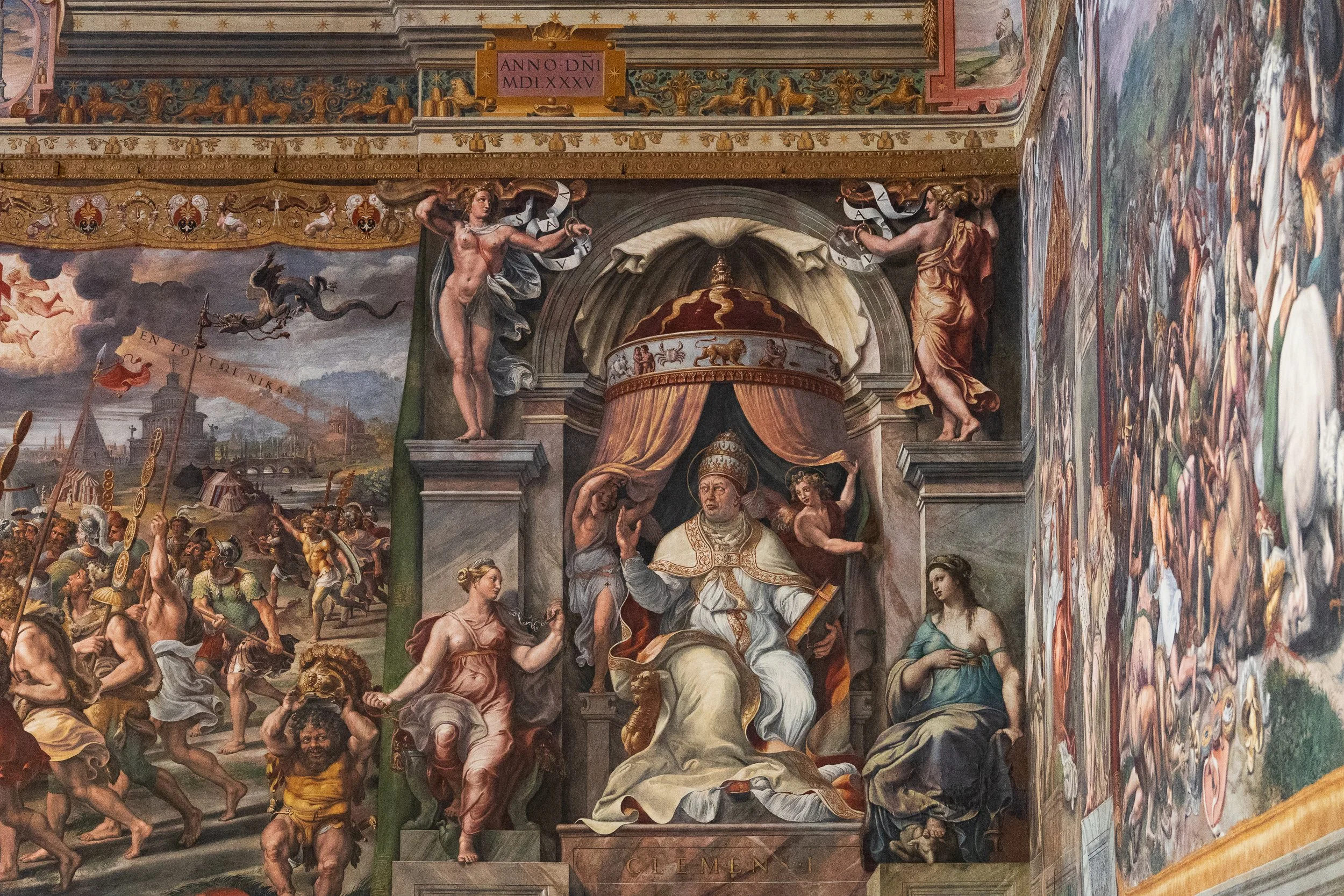
The ceilings in the Vatican Museums and historic buildings are world-famous masterpieces of art, featuring the Sistine Chapel ceiling, the Raphael Rooms, and the Gallery of Maps. They use vivid frescoes, gold leaf, and optical illusions to show stories from the Bible and human history.
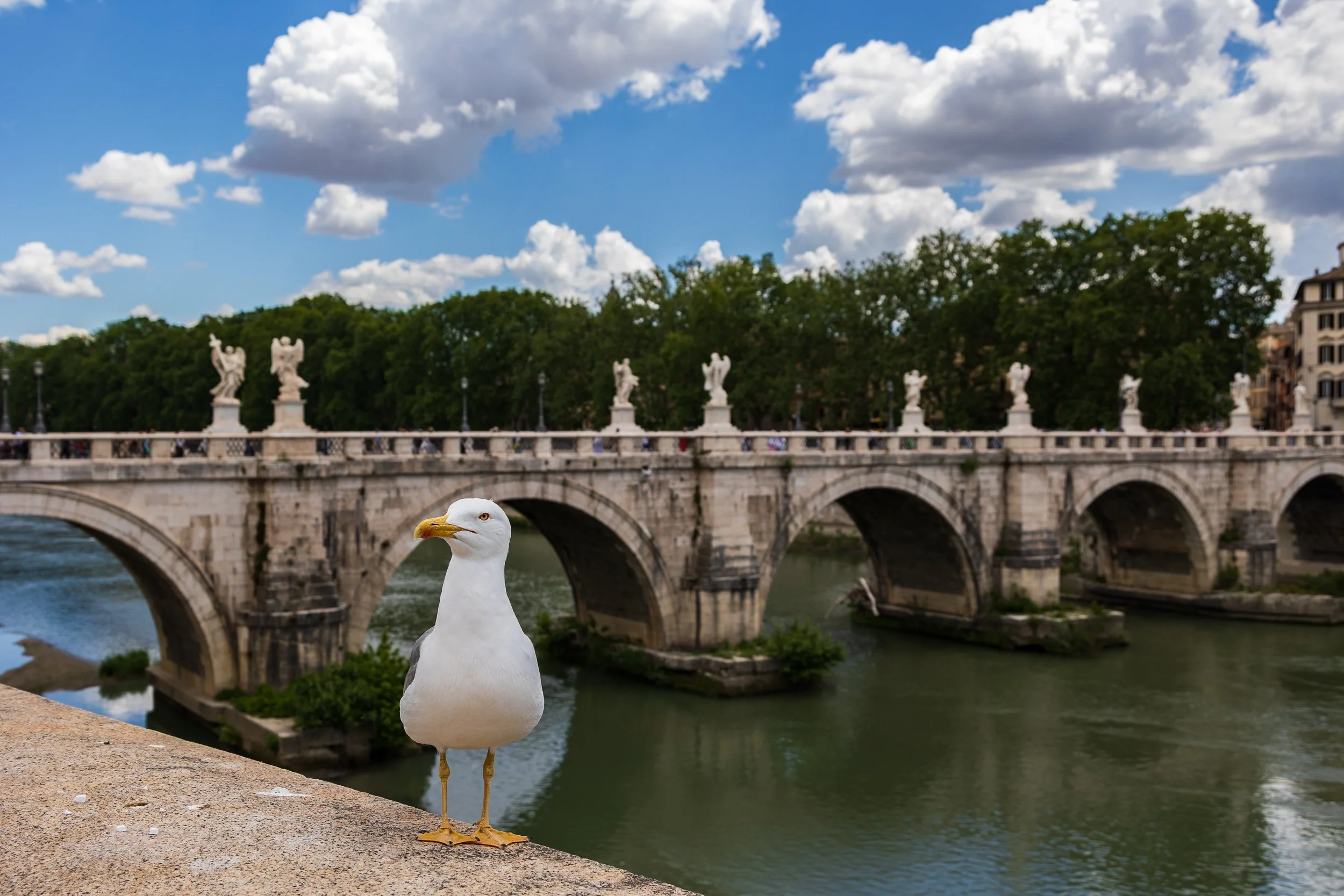
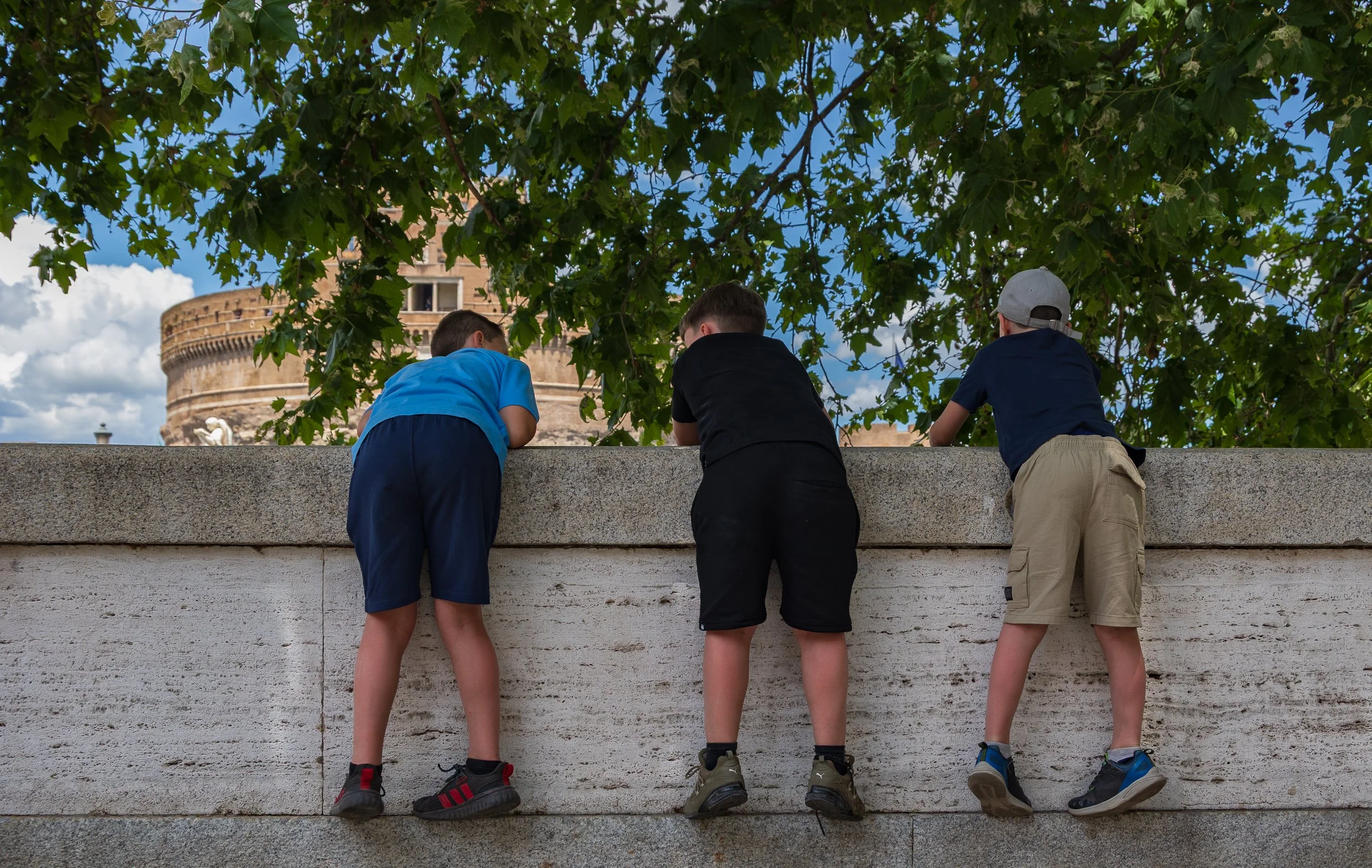
Ponte Sant'Angelo is a historic pedestrian bridge built by Emperor Hadrian to connect the city center to Castel Sant'Angelo. It features famous angel statues designed by Gian Lorenzo Bernini and spans the Tiber River.
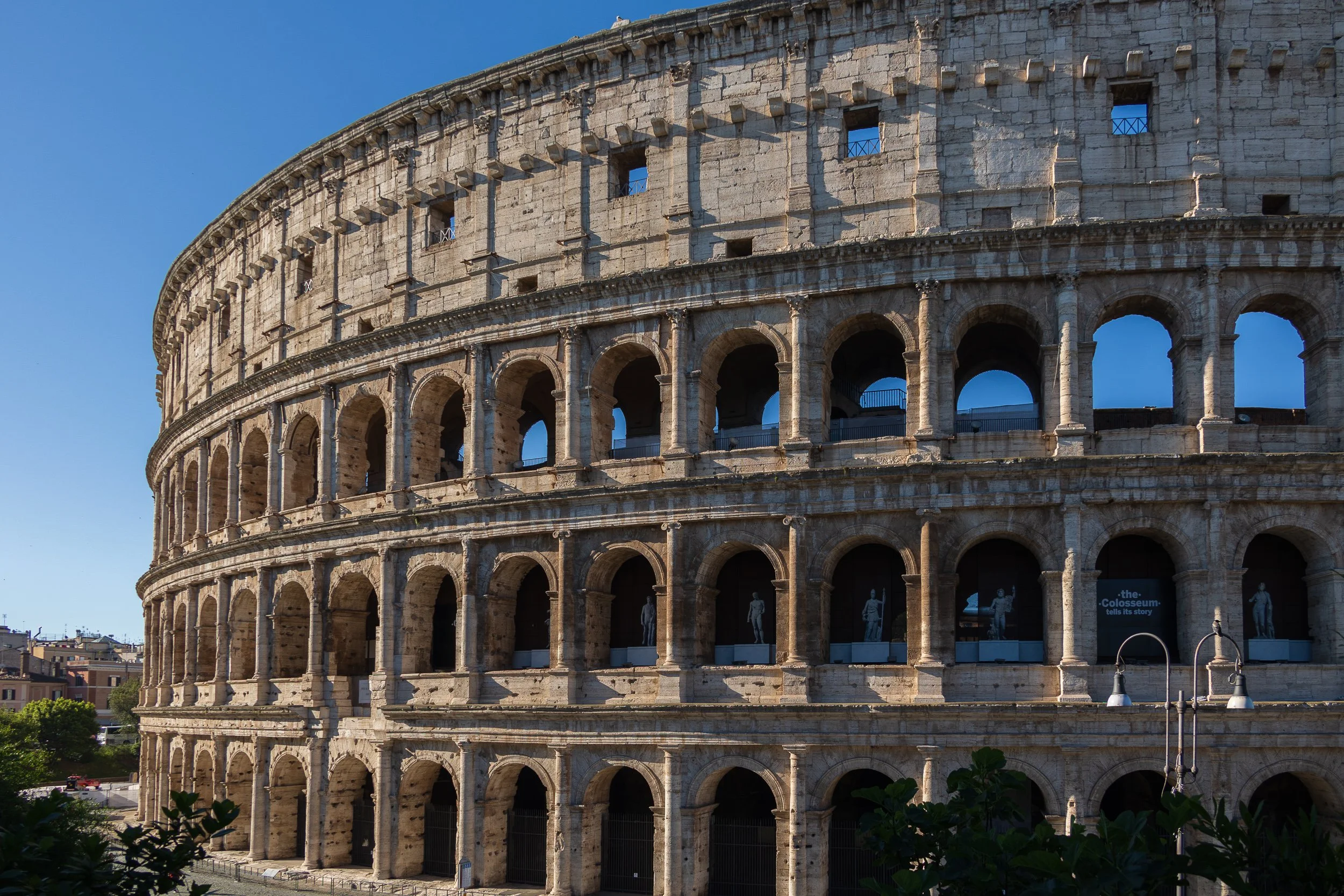
Built for gladiator fights, animal hunts, and public shows. It was started by Emperor Vespasian around 70 to 72 AD and finished in 80 AD. It could hold up to 50,000 to 80,000 people
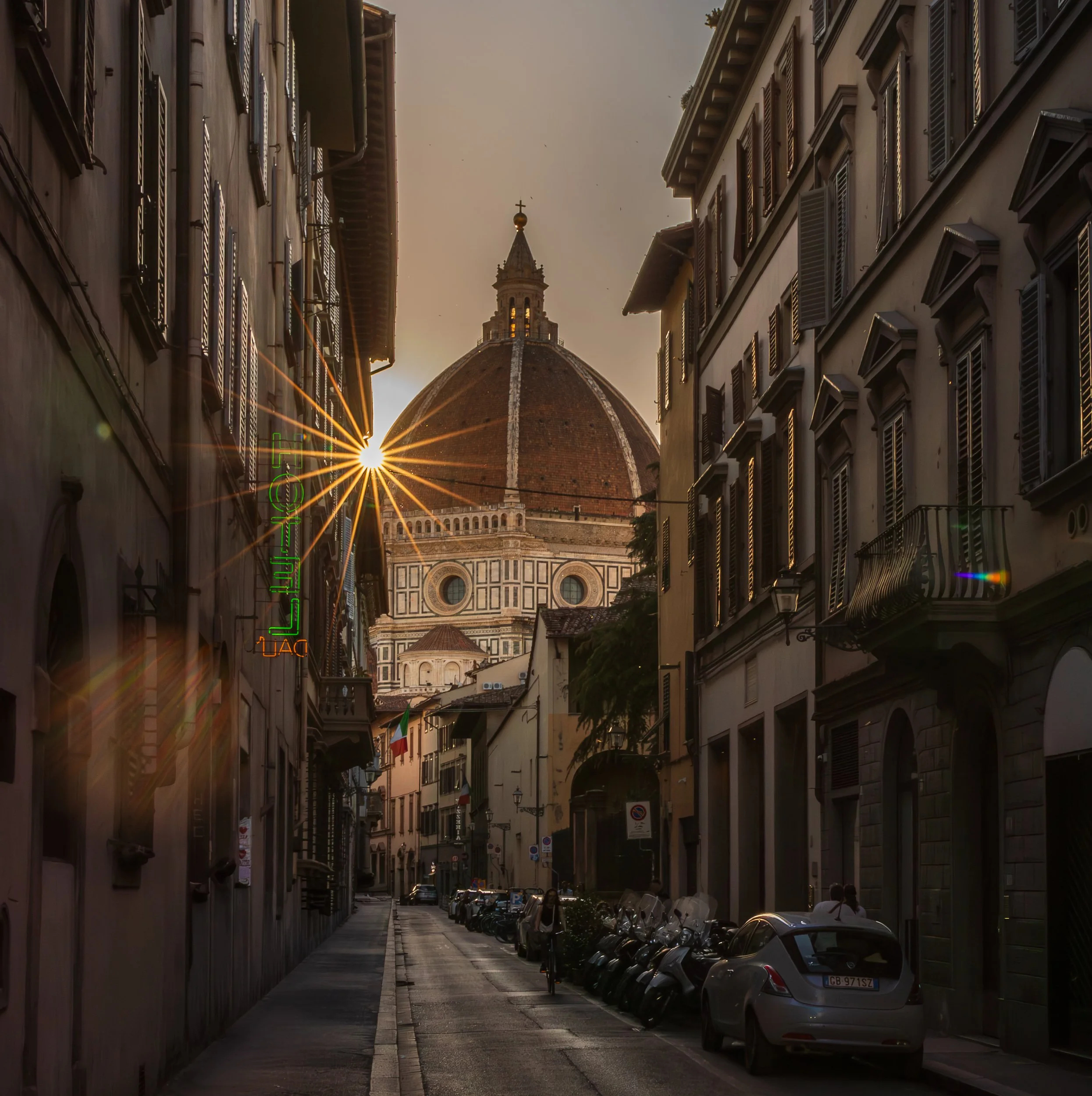
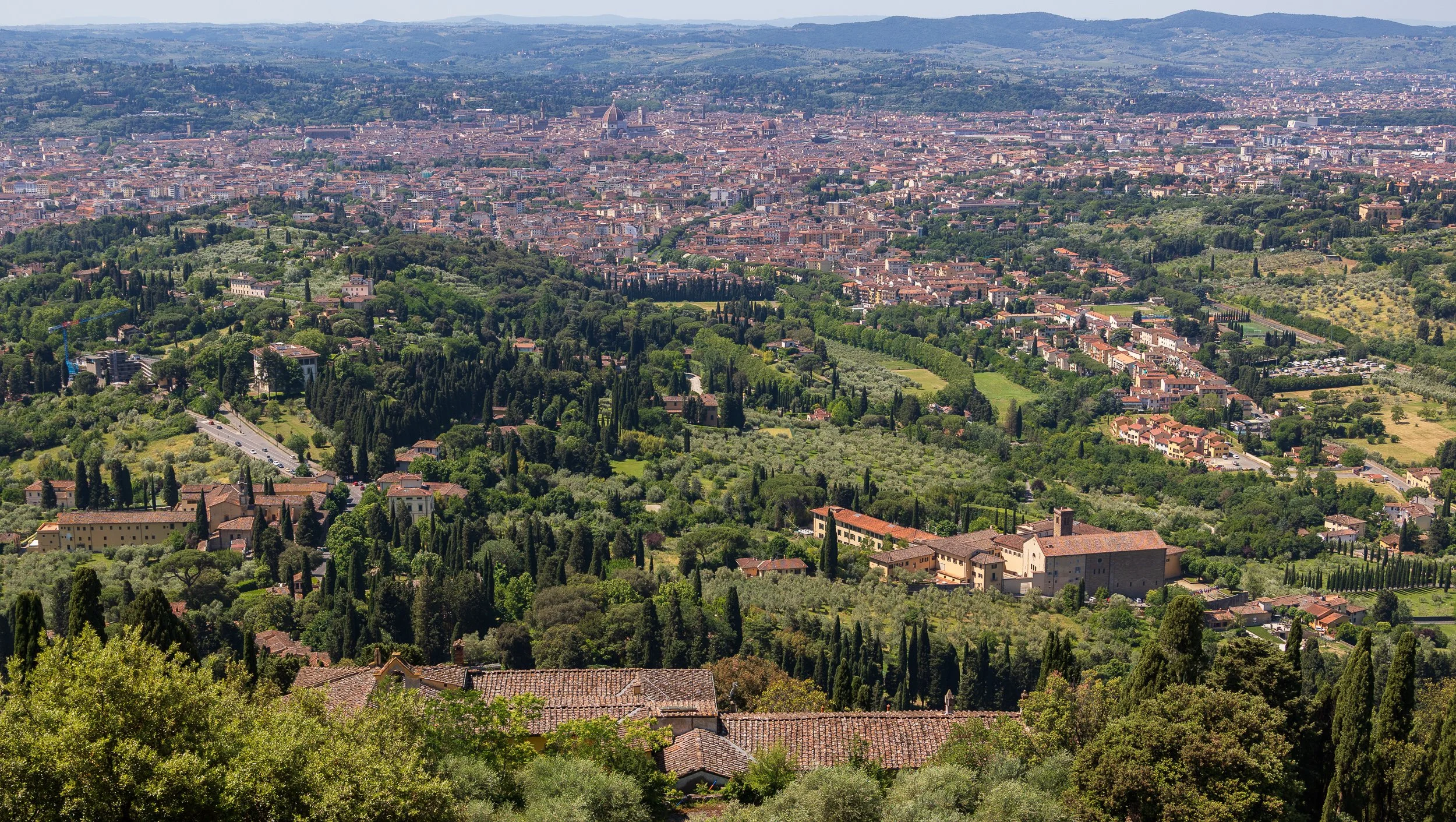
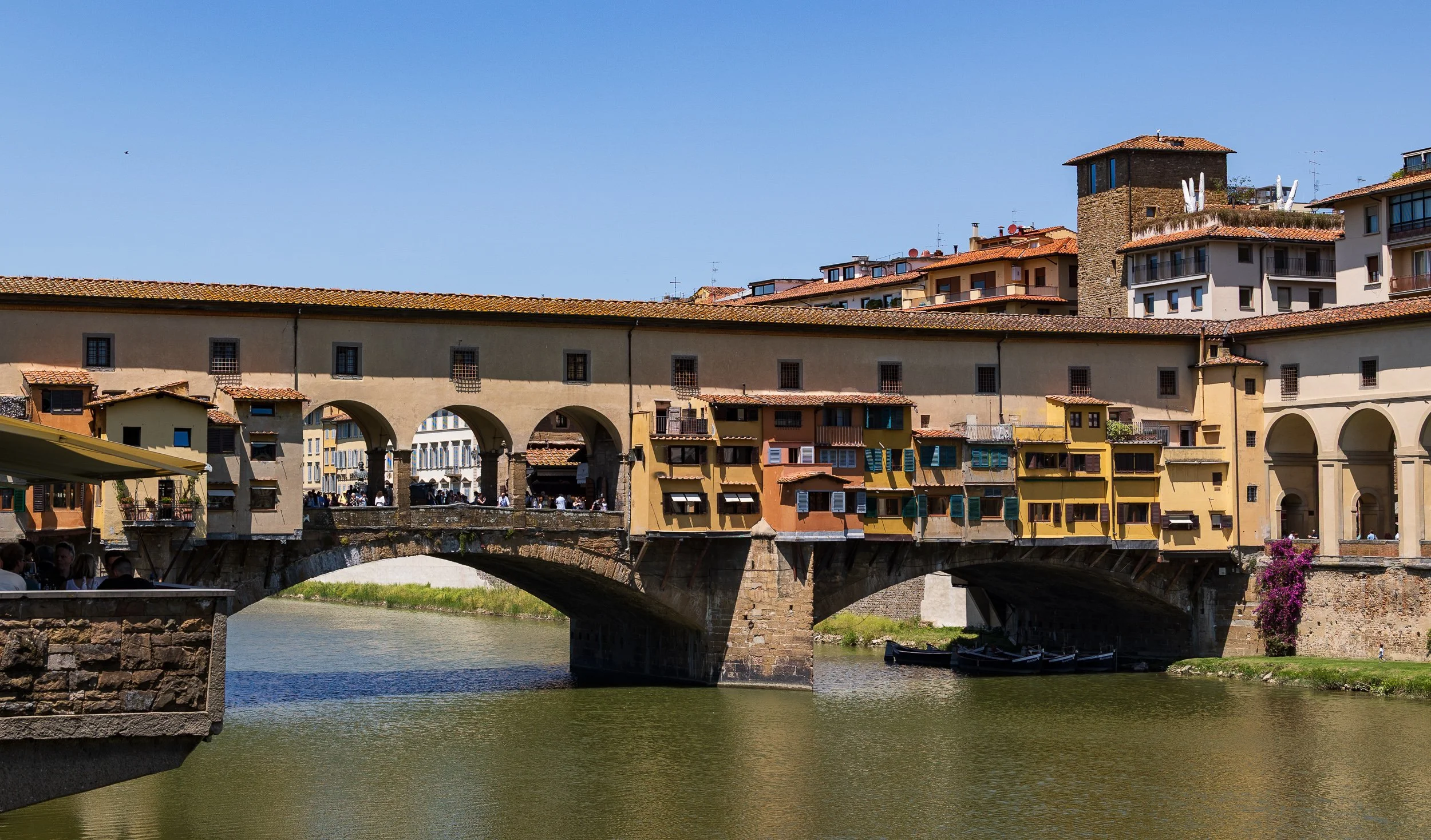
The capital city of the Tuscany region, birthplace of the Renaissance, the home of Michelangelo's David, and a UNESCO World Heritage site
Views of Florence from the Boboli Gardens, a massive historic park featuring classical statues, grand fountains, and artificial grottoes.
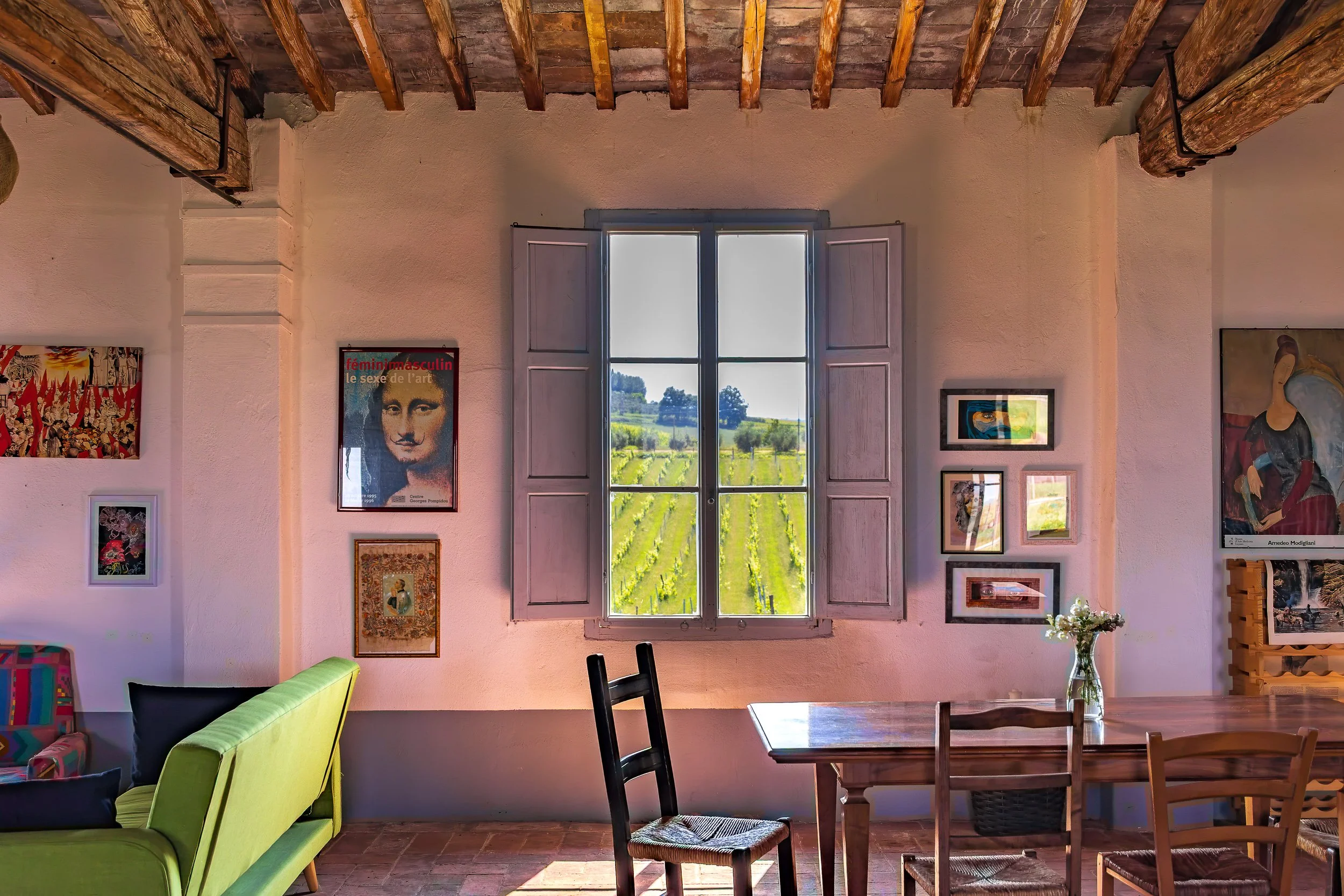
Views from inside an old farm-style winery with 100 goats, where cheese is still made the old-fashioned way just steps from the cellar.
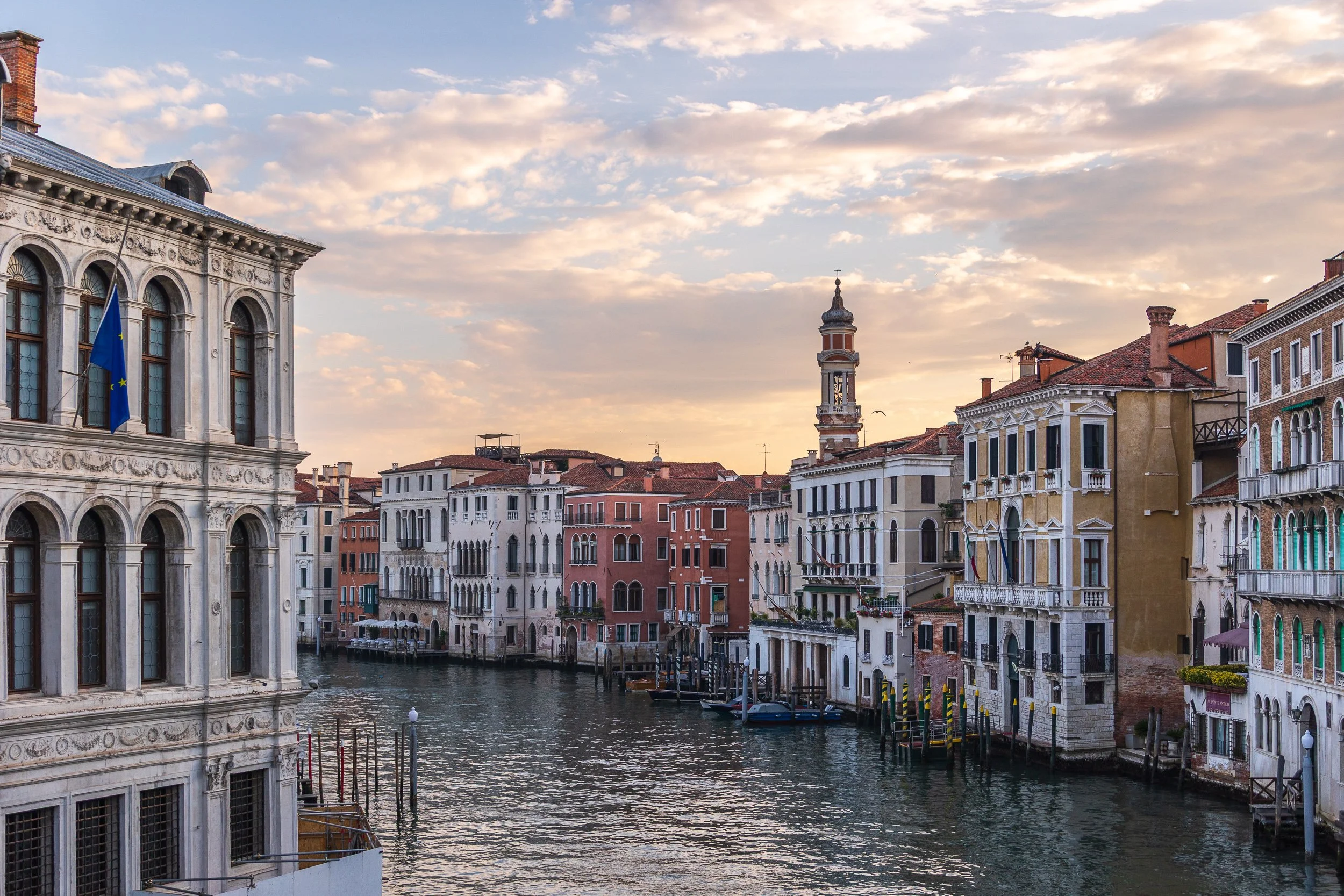
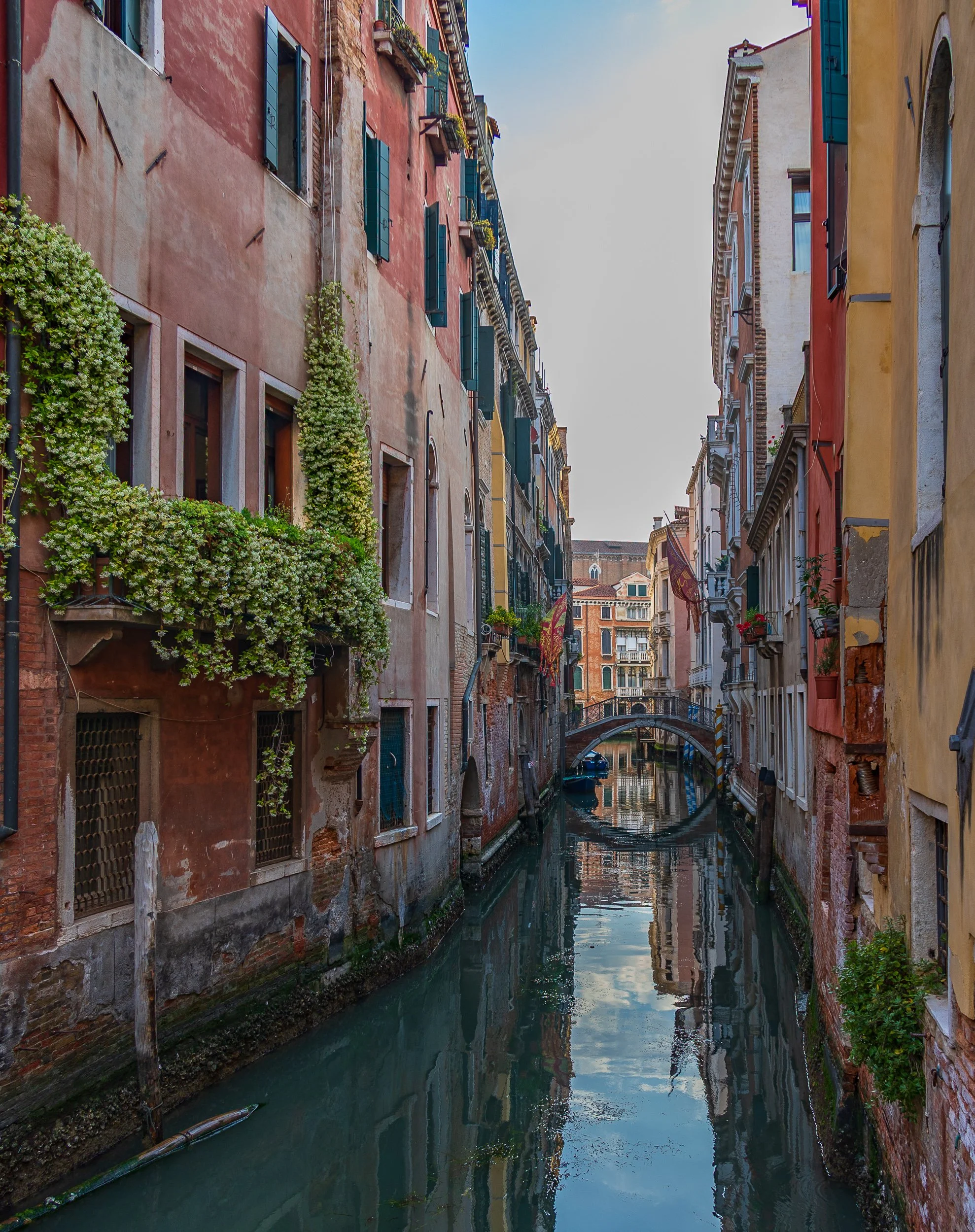
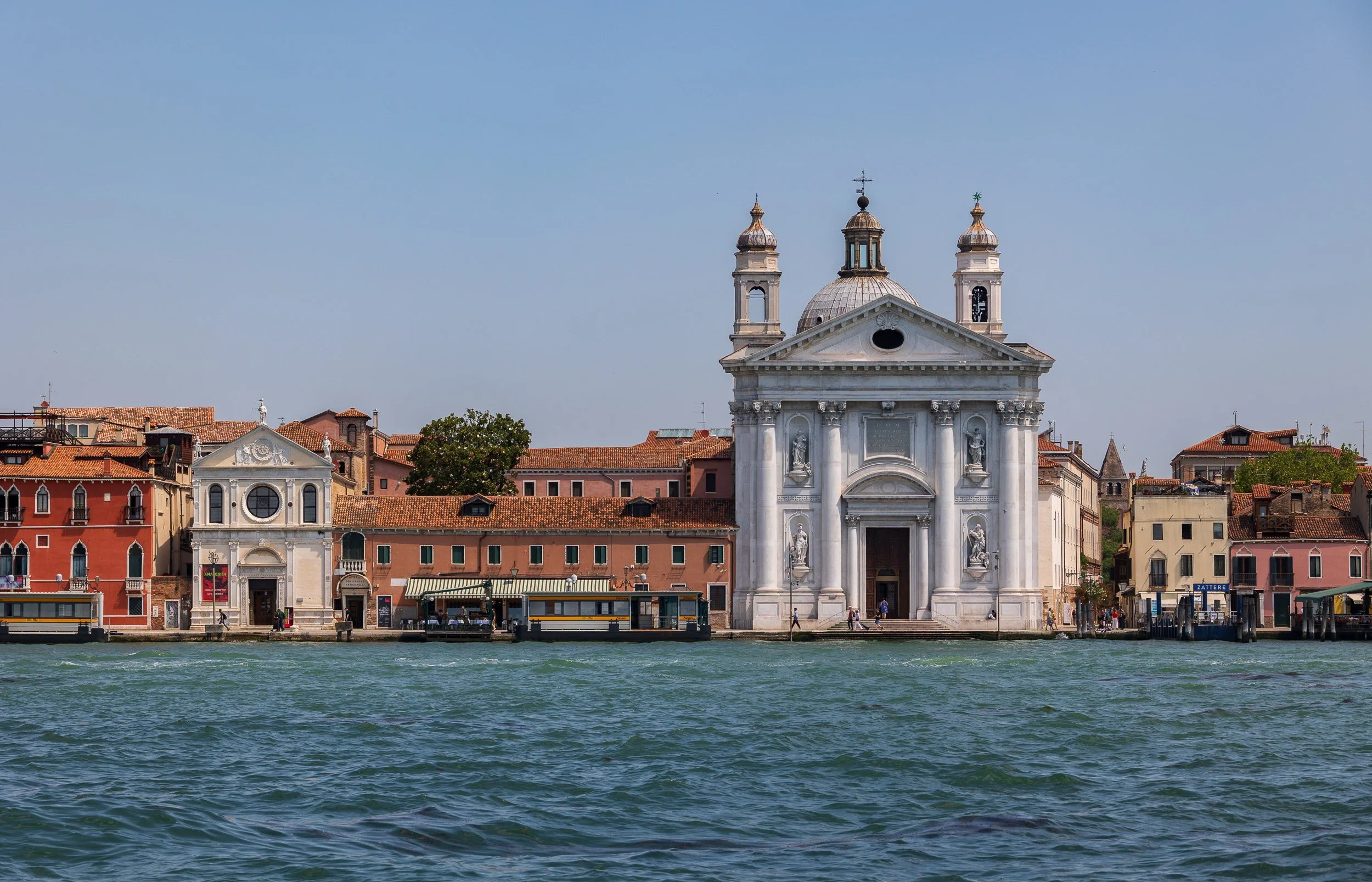
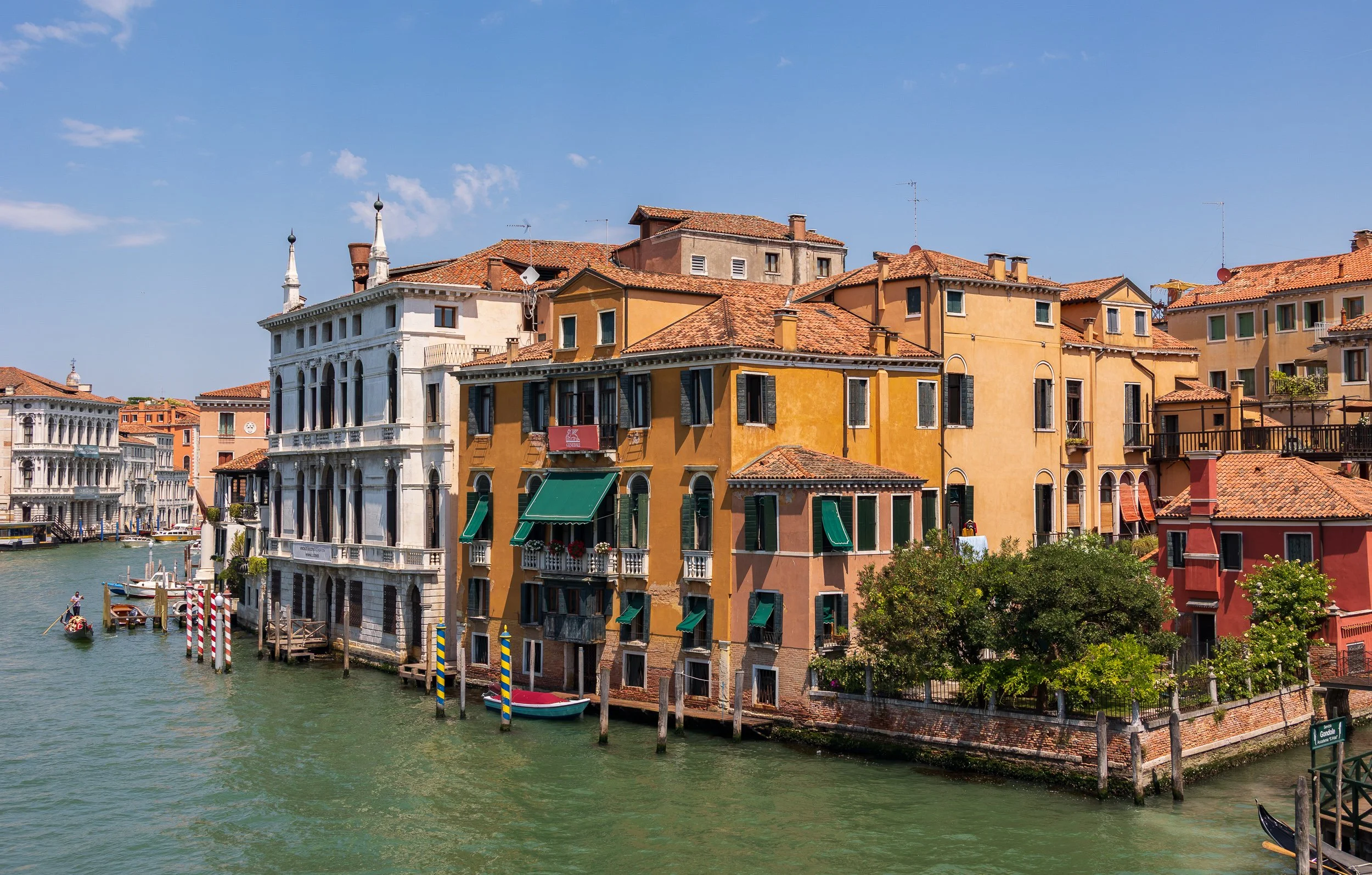
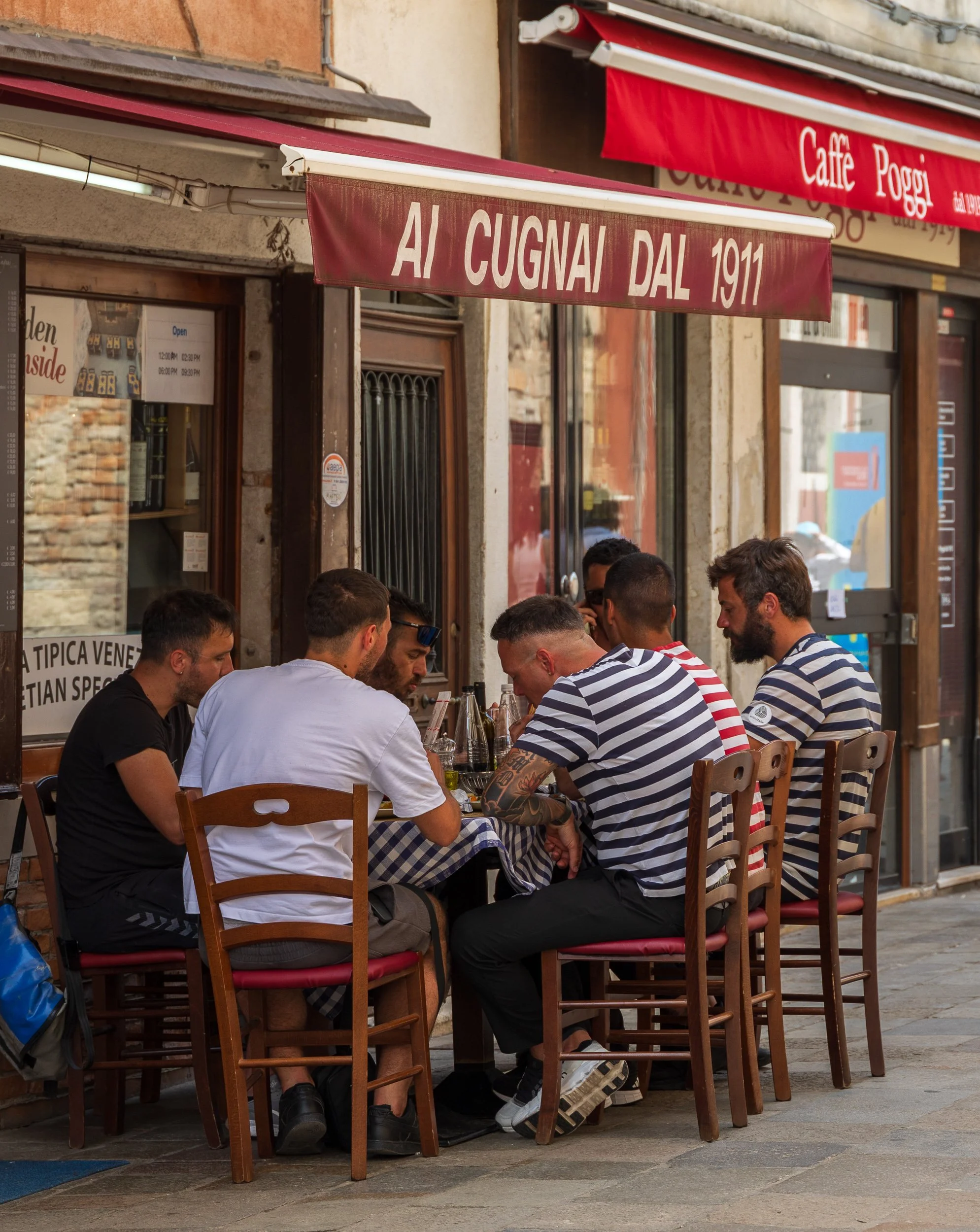
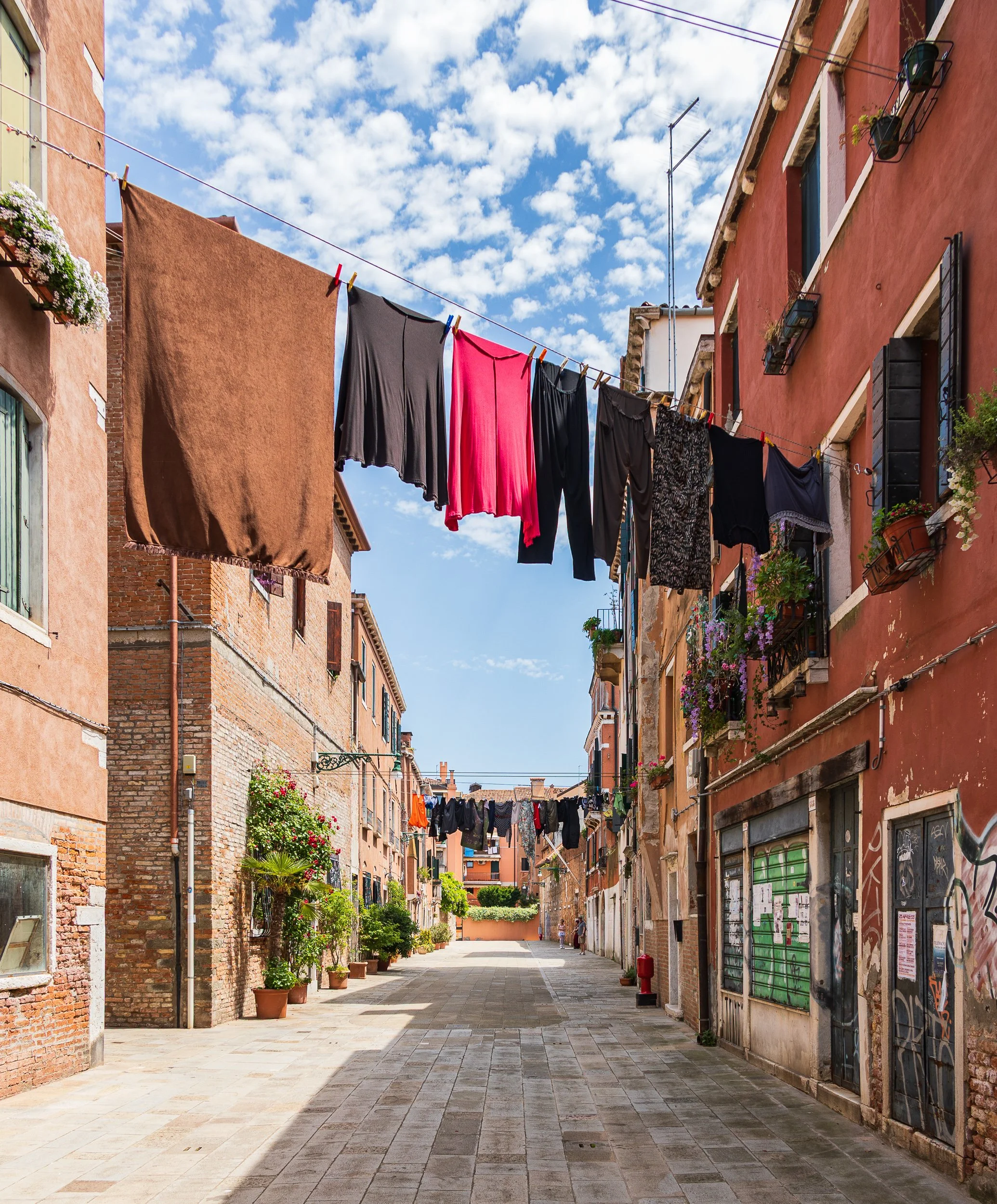
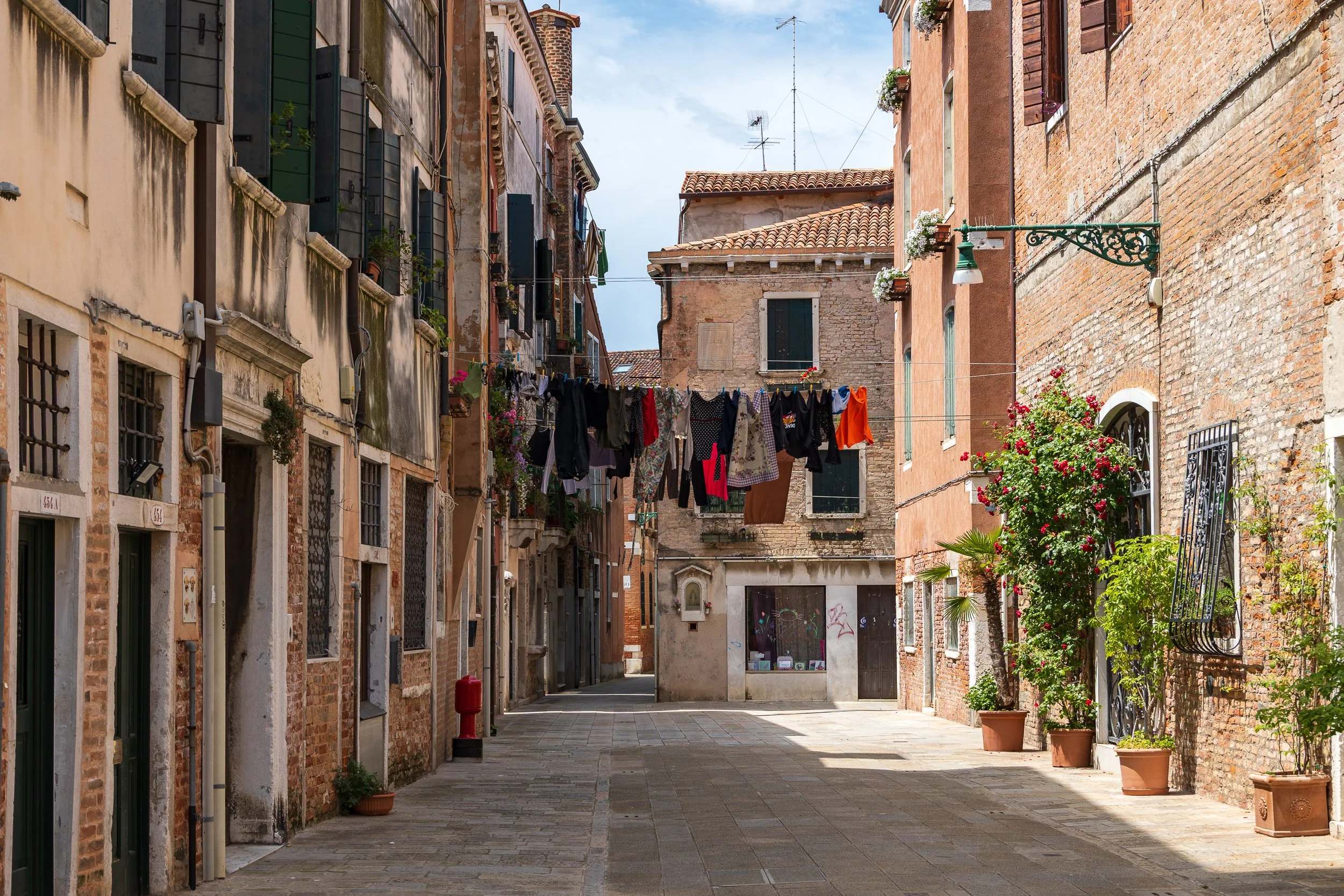
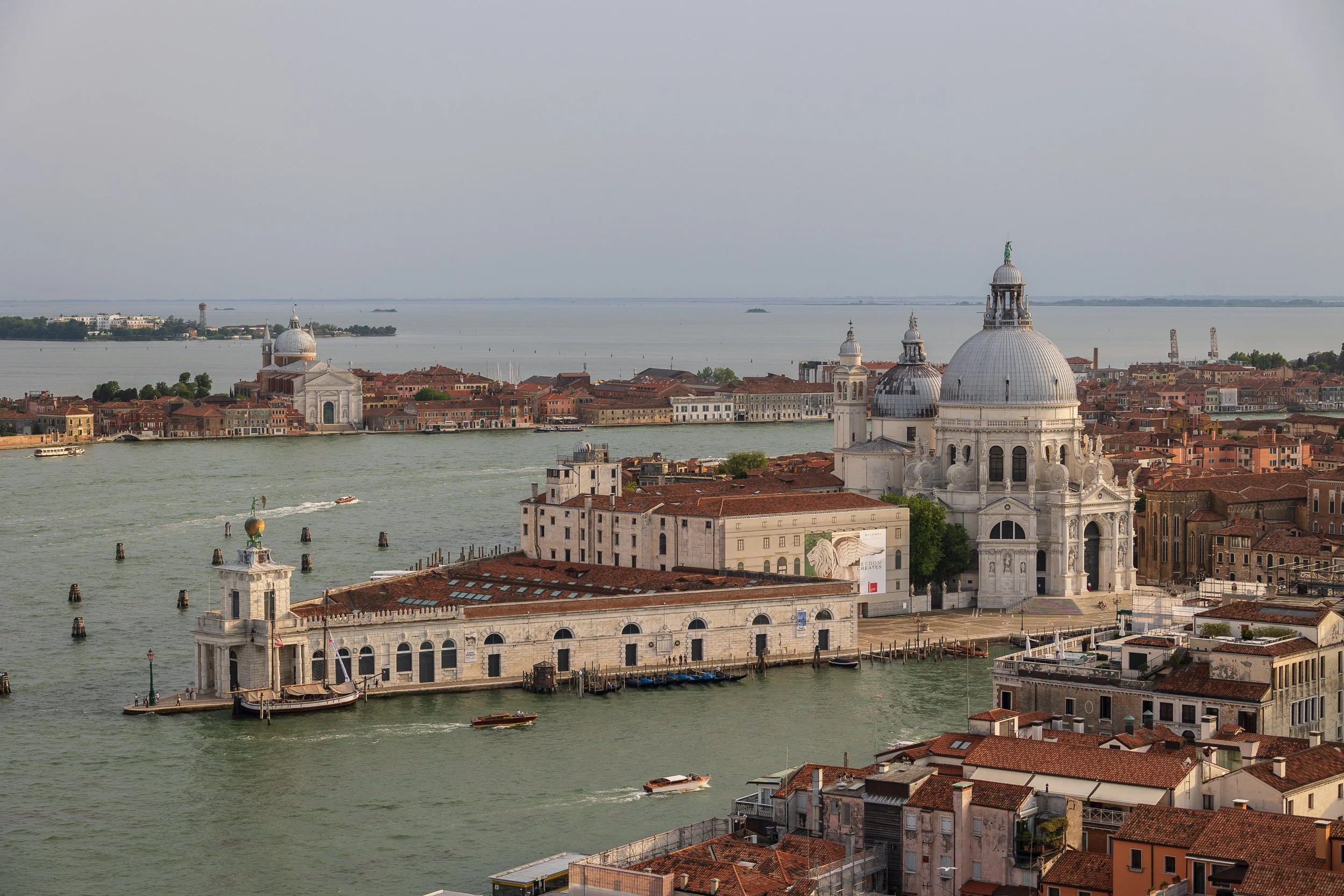
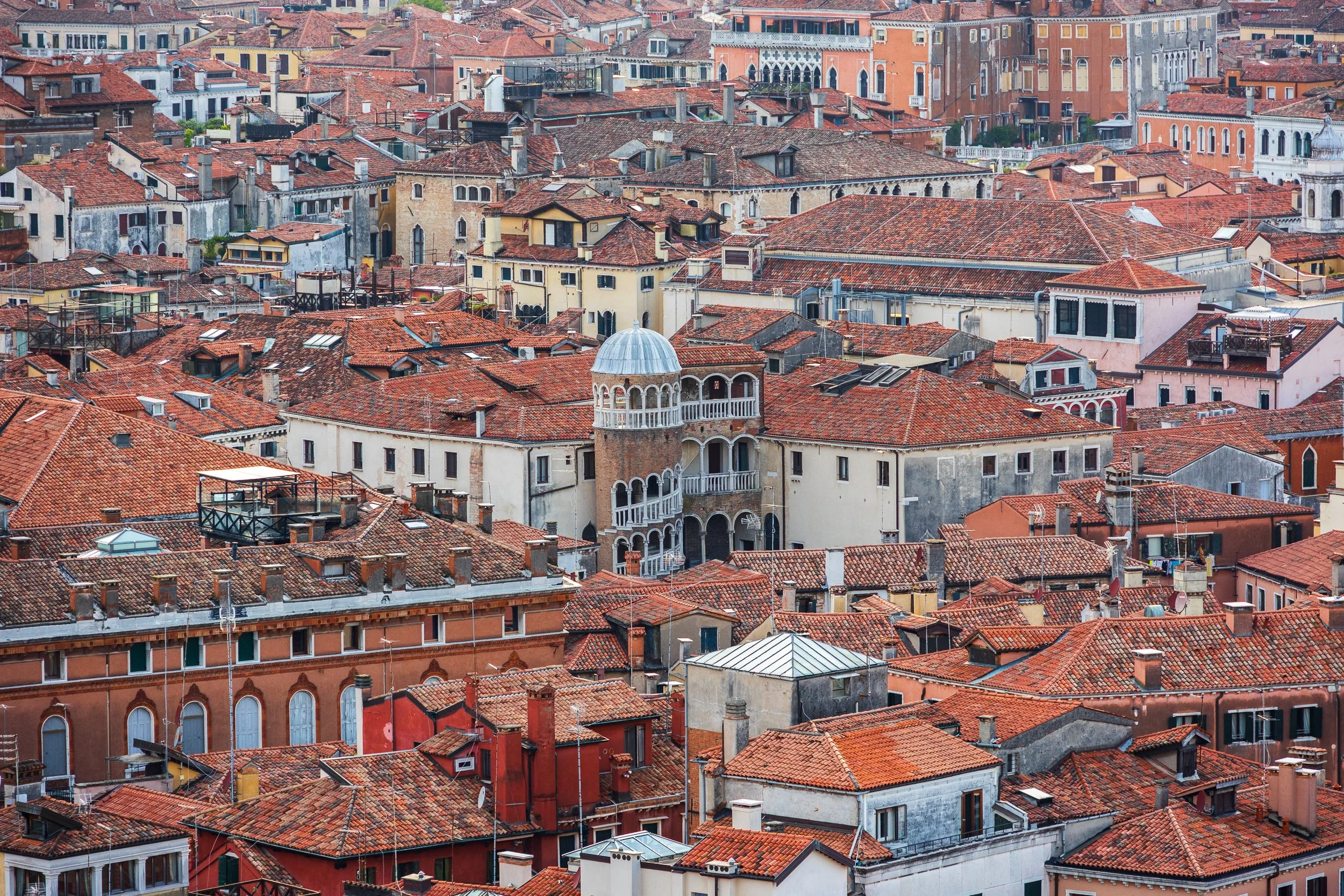
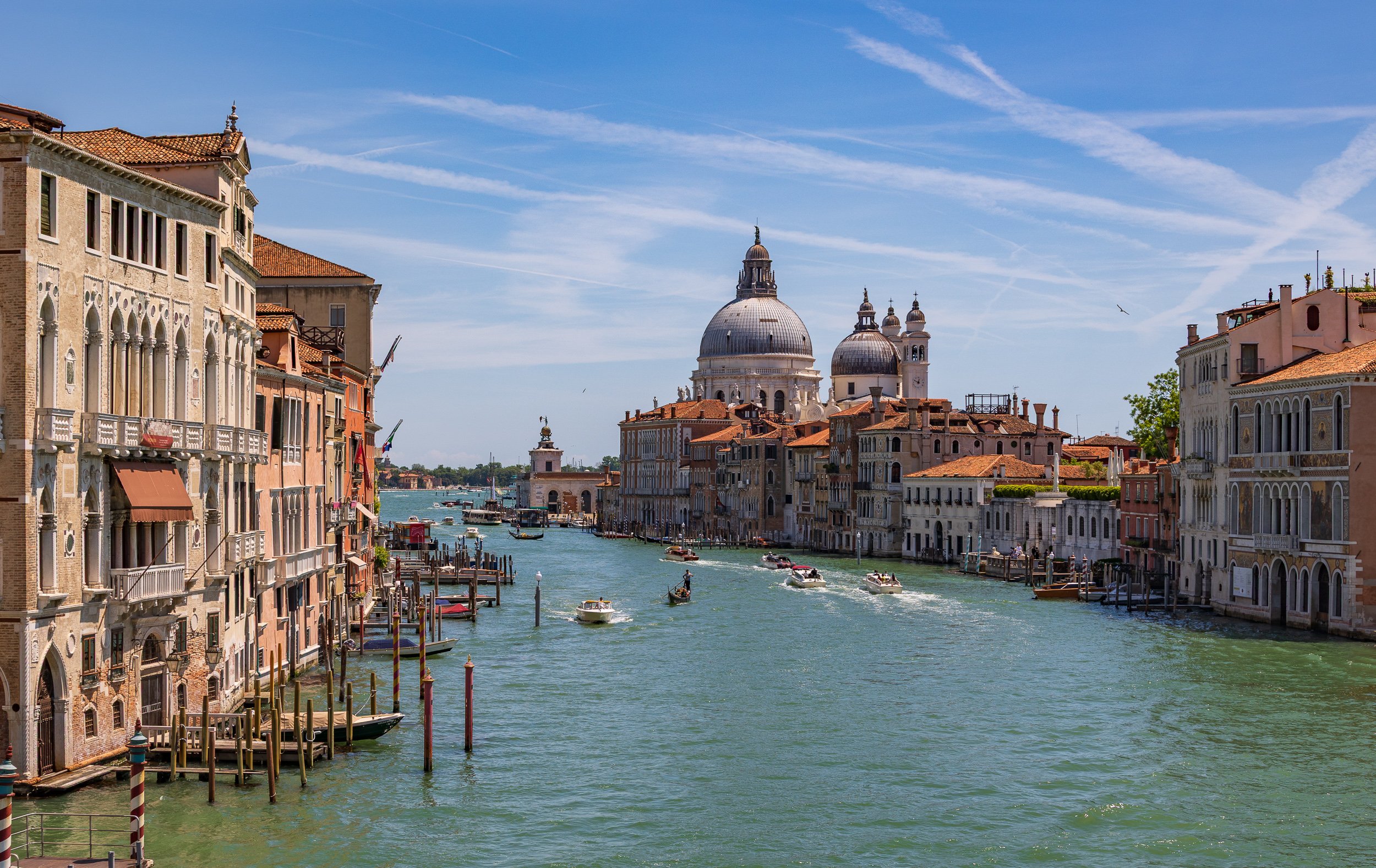
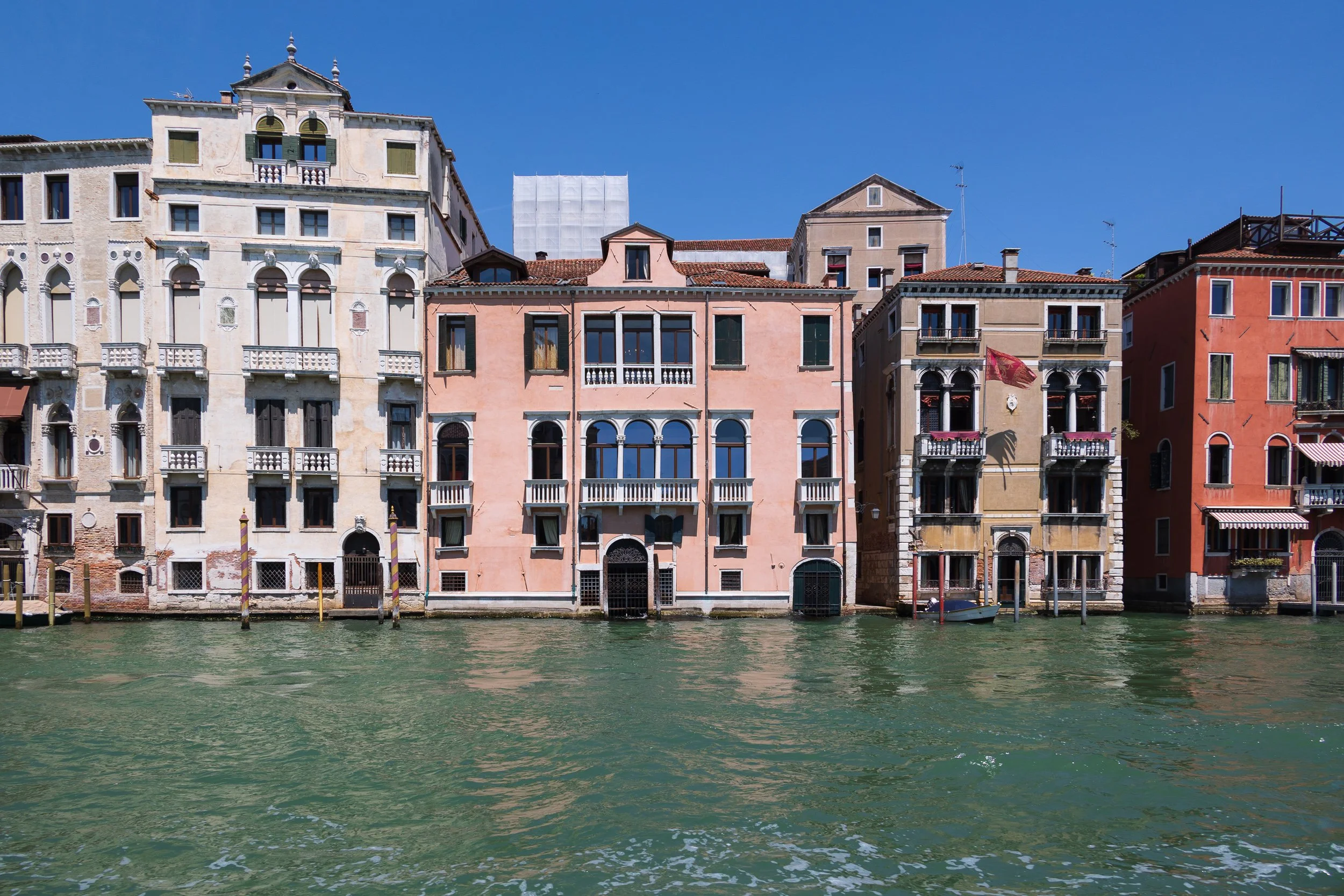
Known for its canals, historic bridges, and beautiful art, built across more than 100 small islands in a lagoon. The entire city sits on a platform of millions of wooden piles driven into the lagoon bed. Over centuries, the mineral-rich saltwater has seeped into the timber and effectively turned it to stone. Venice is, quite literally, built on a petrified forest no one can see.
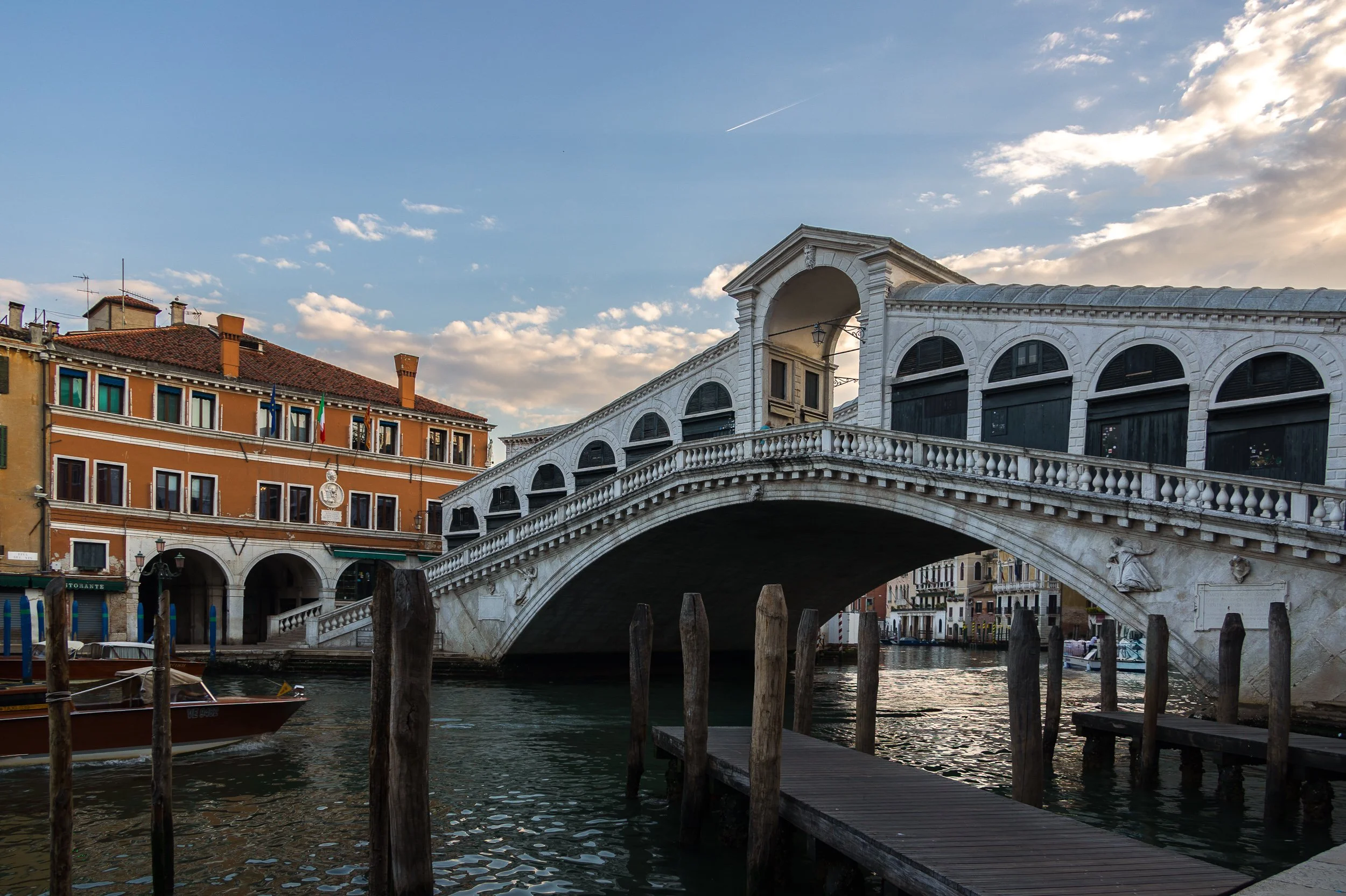
Rialto Bridge
The oldest of the four bridges spanning the Grand Canal, this version finished in 1591 after the wooden one before it collapsed more than once.
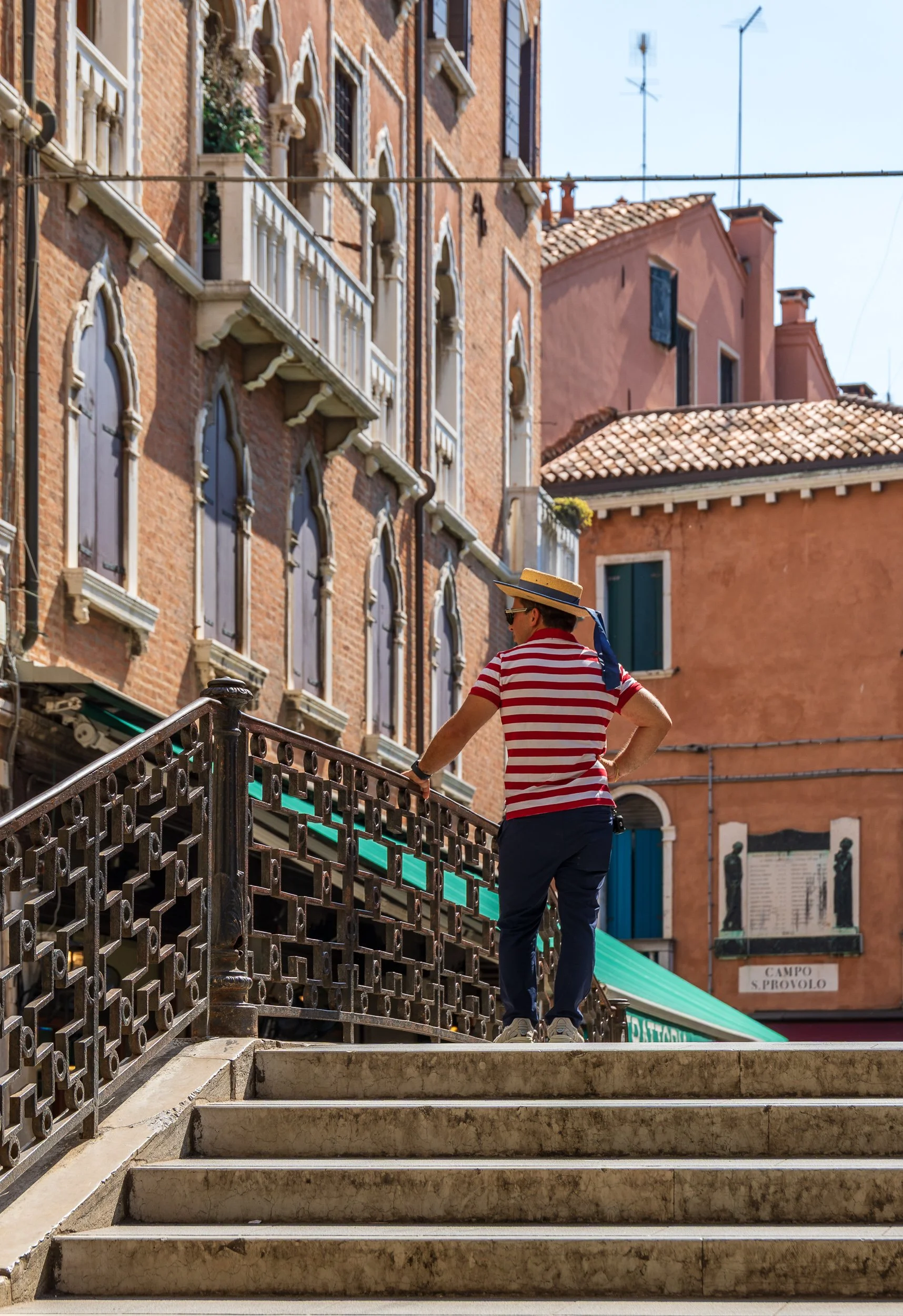
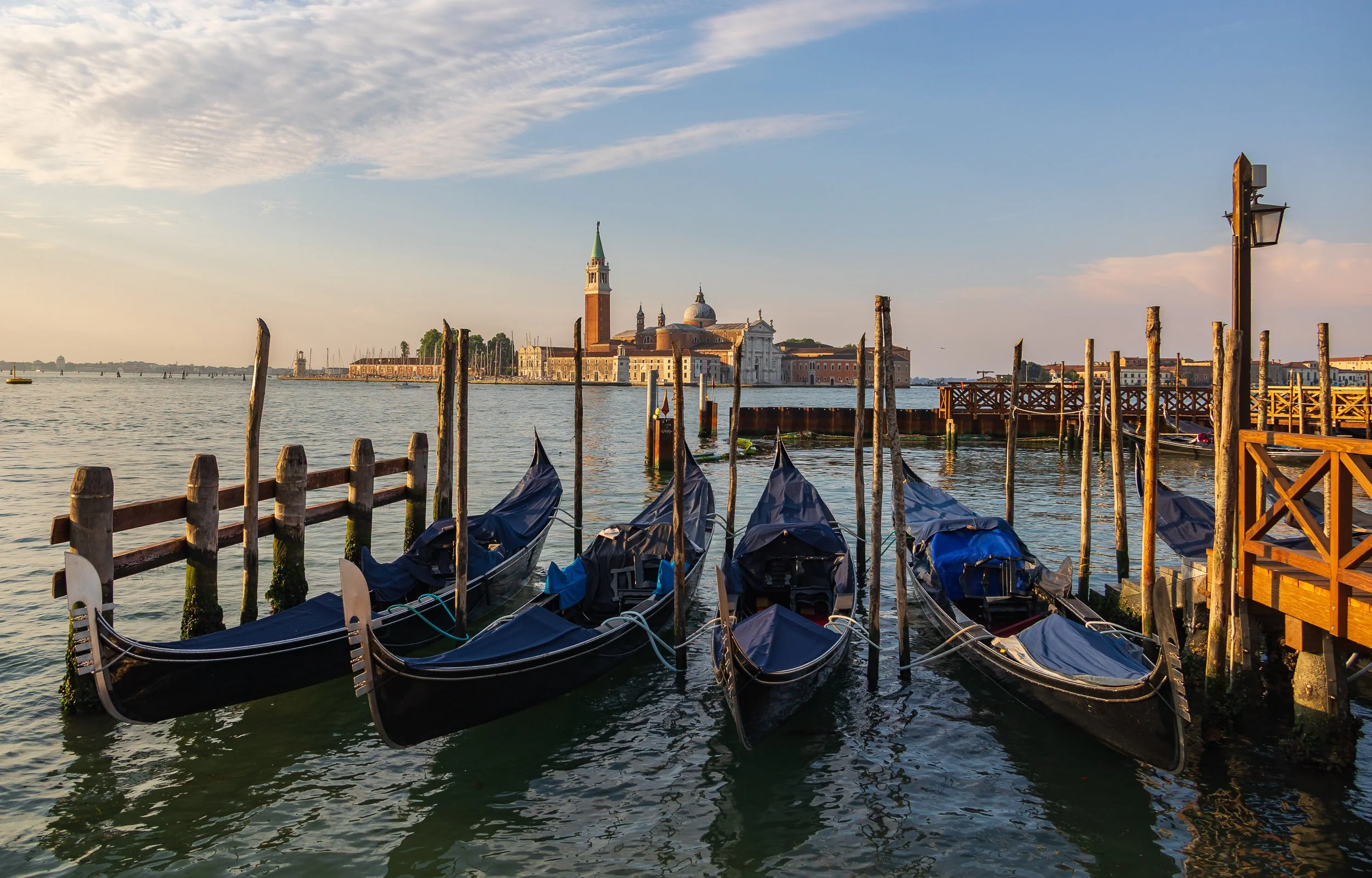
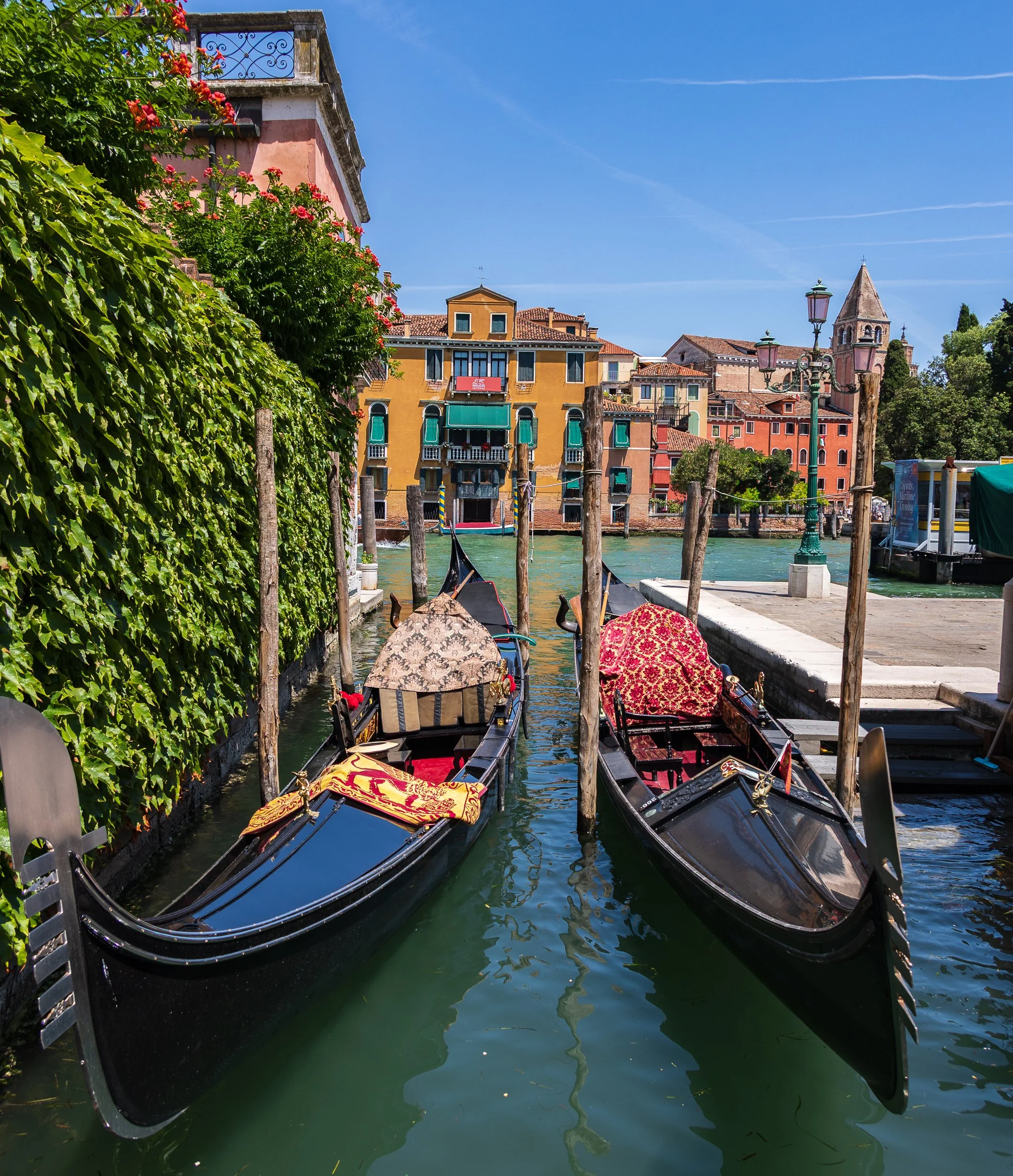
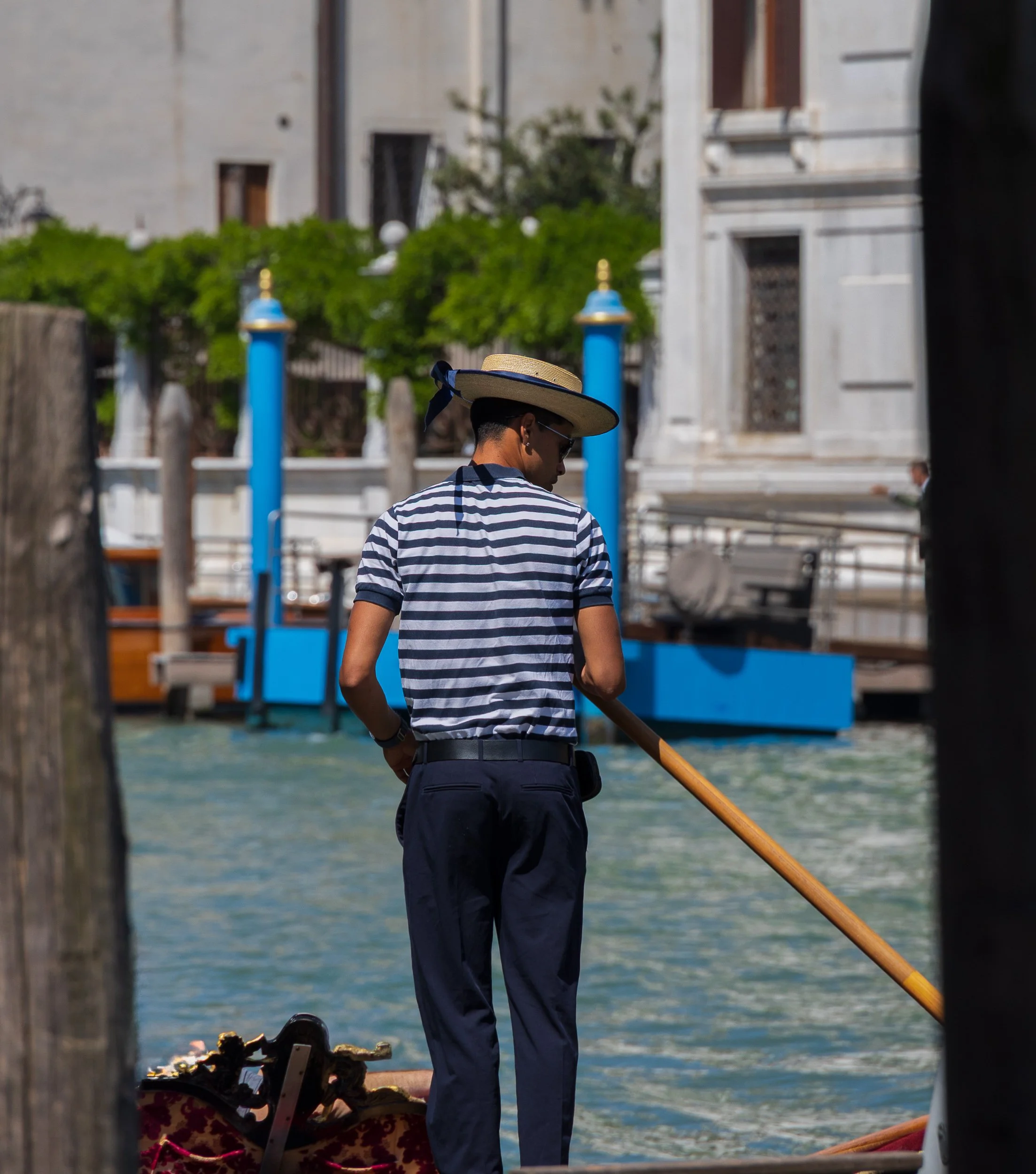
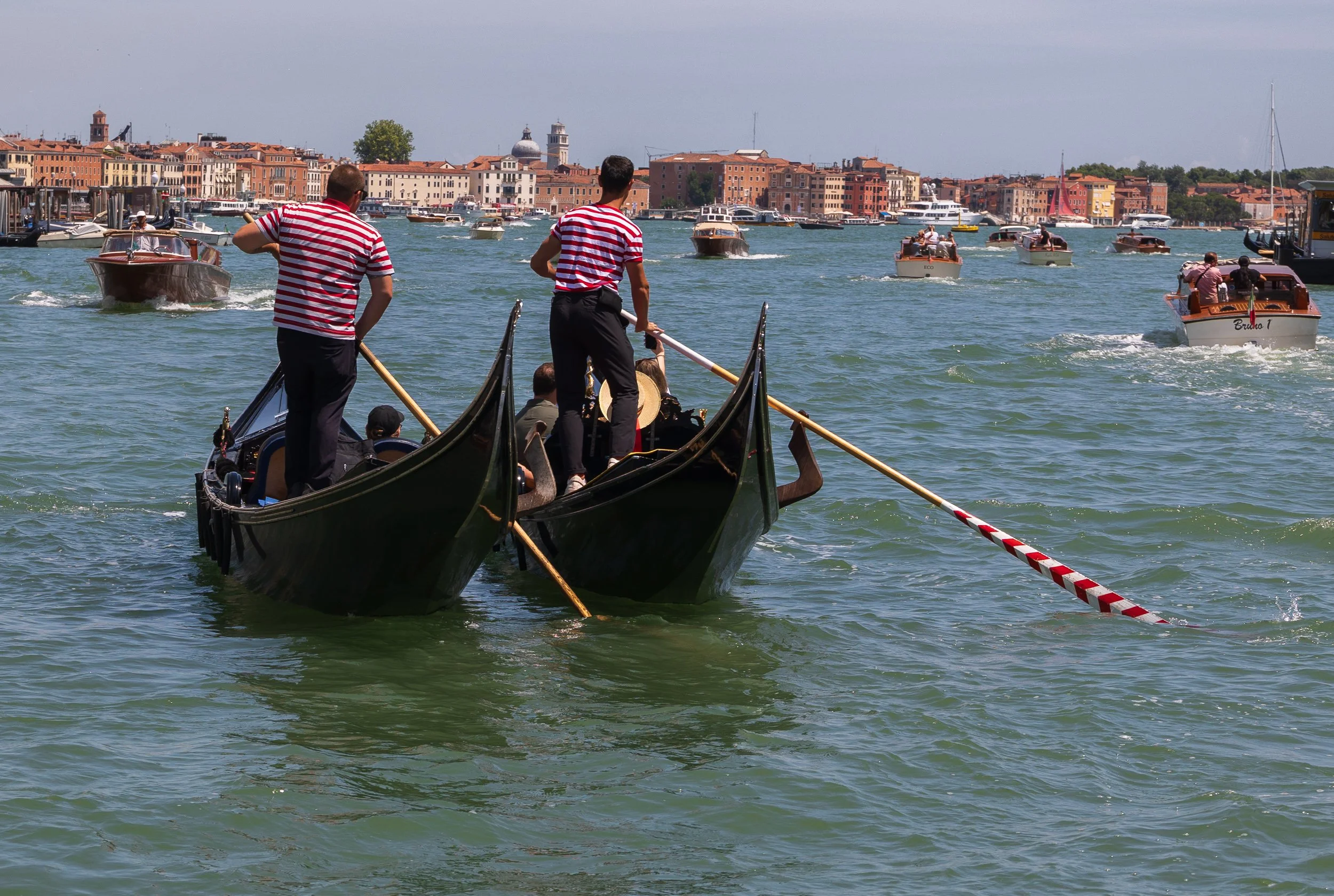
Flat-bottomed, asymmetrical, built slightly curved so a single oar on one side can steer a boat with no rudder. Each one is handmade, still built the traditional way from eight types of wood, and takes months to complete.
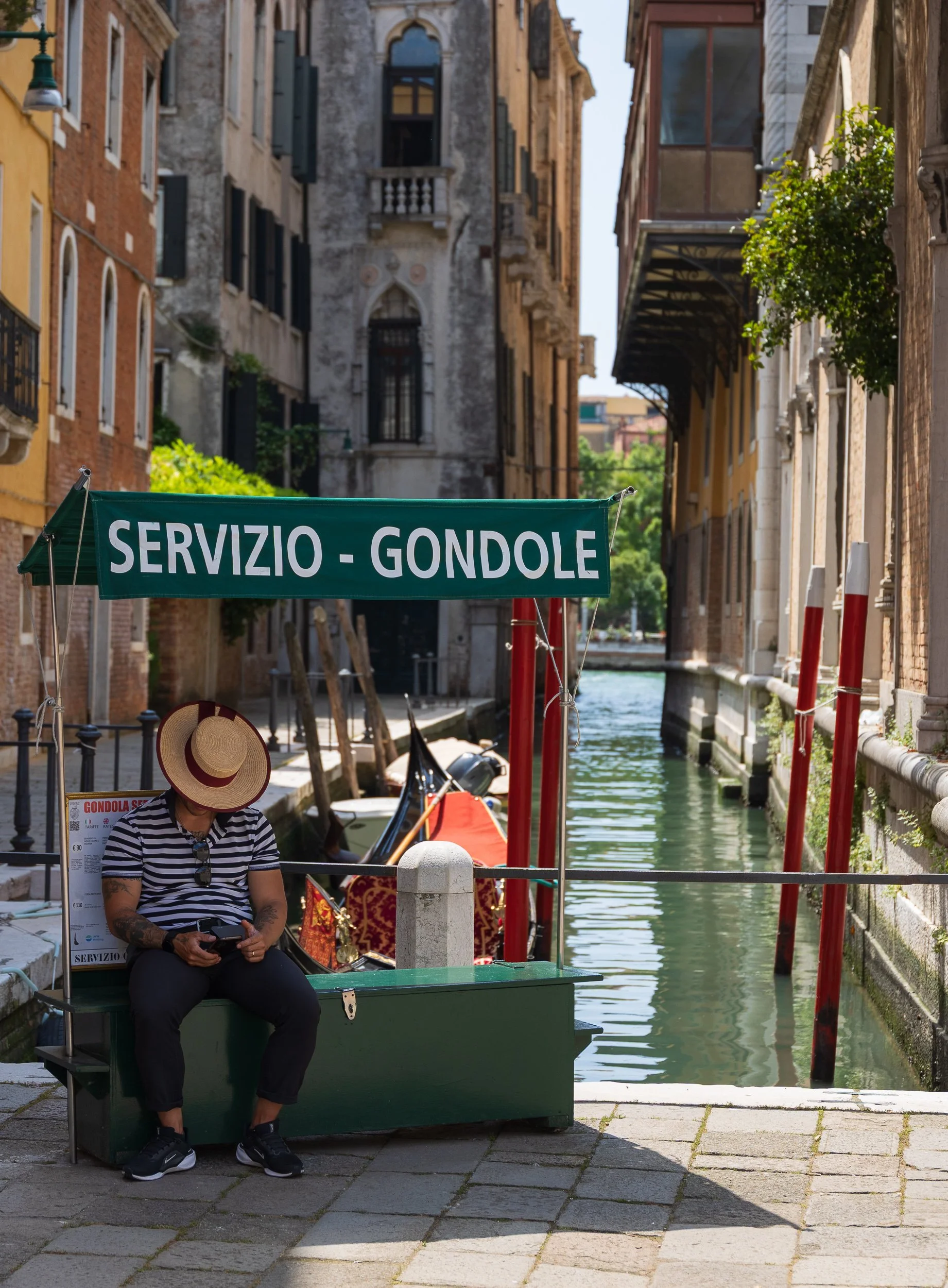
Becoming a gondolier isn't casual. It takes years of apprenticeship, a licence, and until relatively recently the job passed almost entirely father to son. Women have only been licensed gondoliers since 2010. There are roughly 400 of them working the canals today, a small number for a city this associated with the boats.
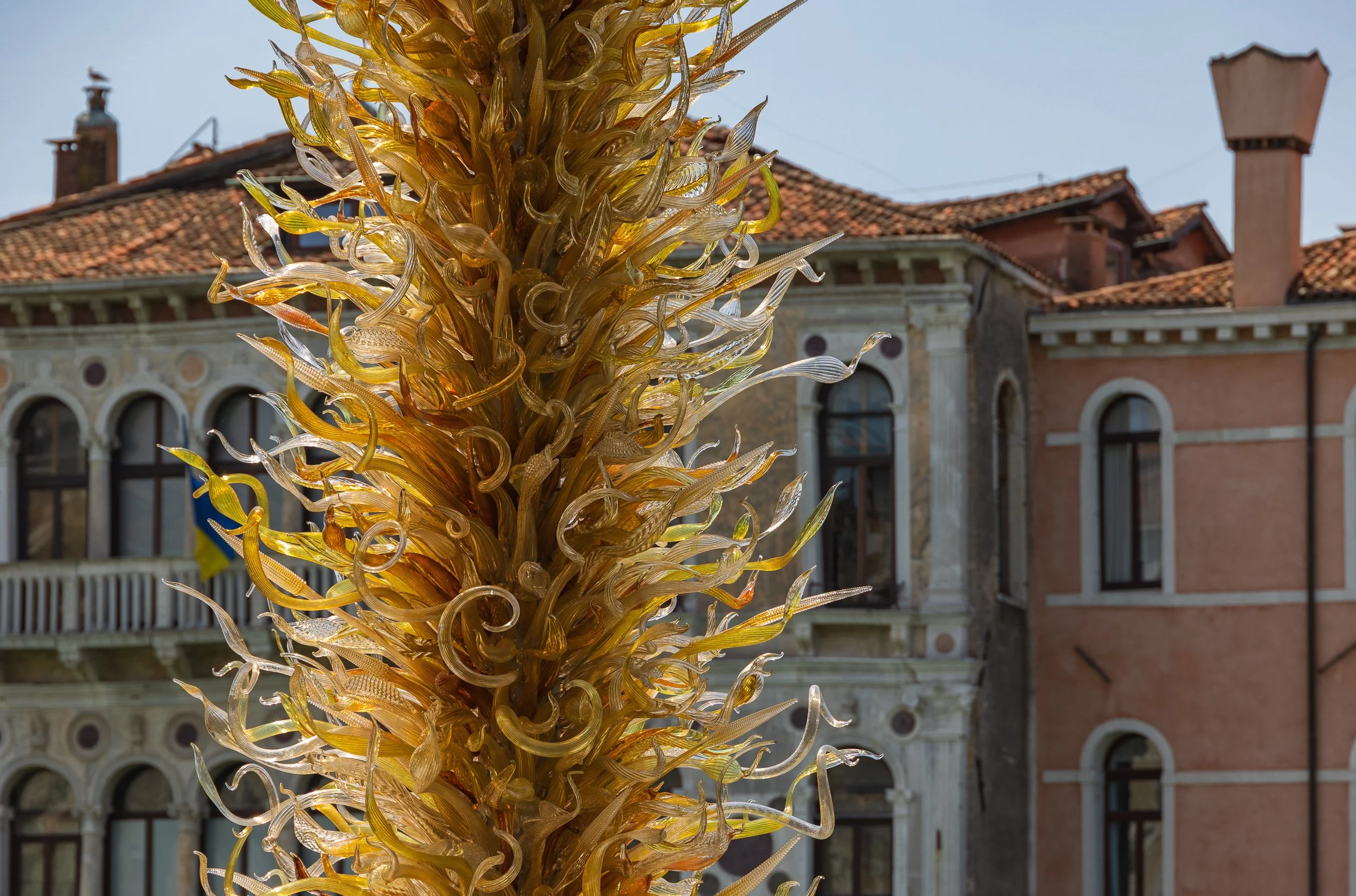
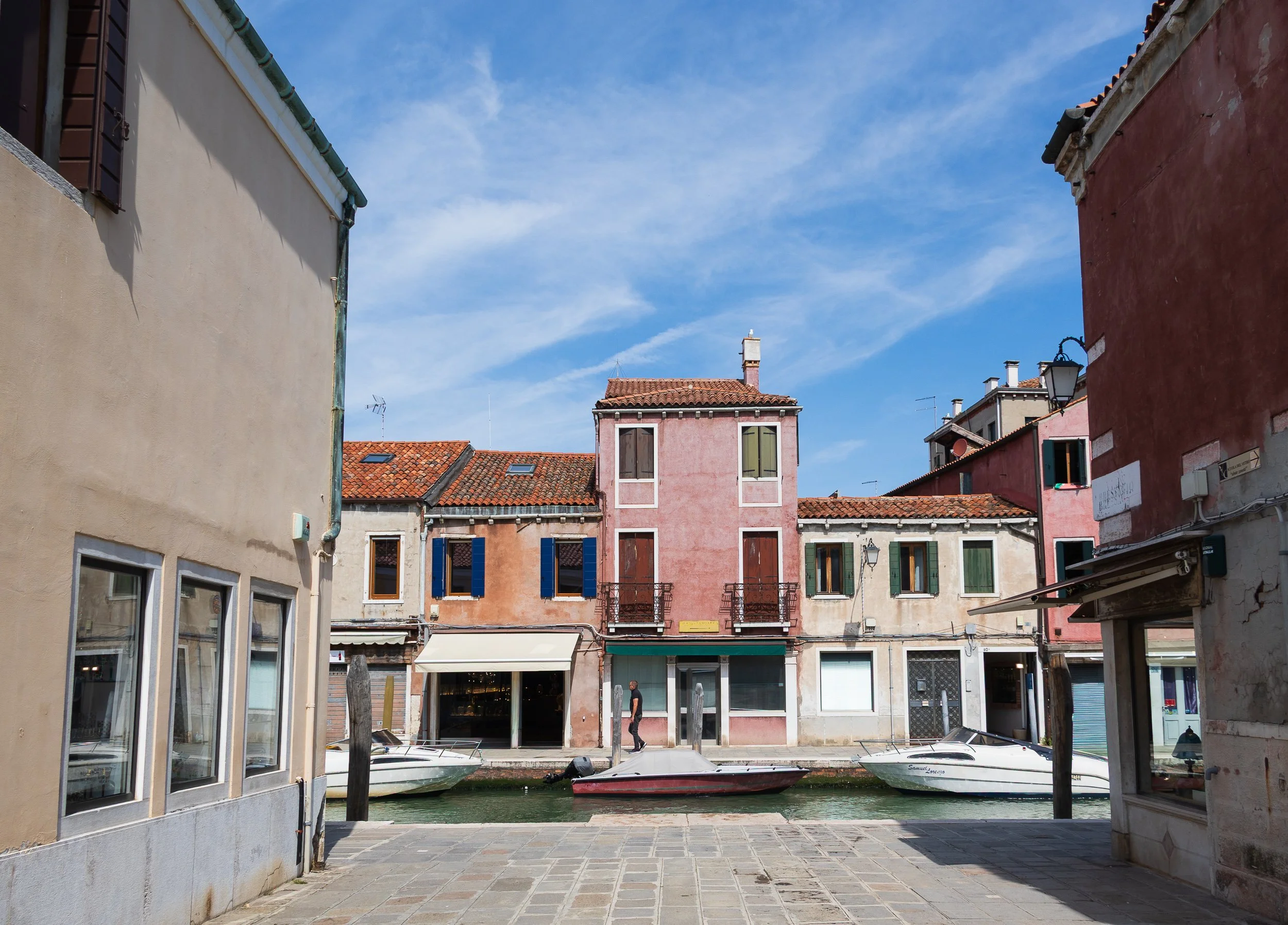
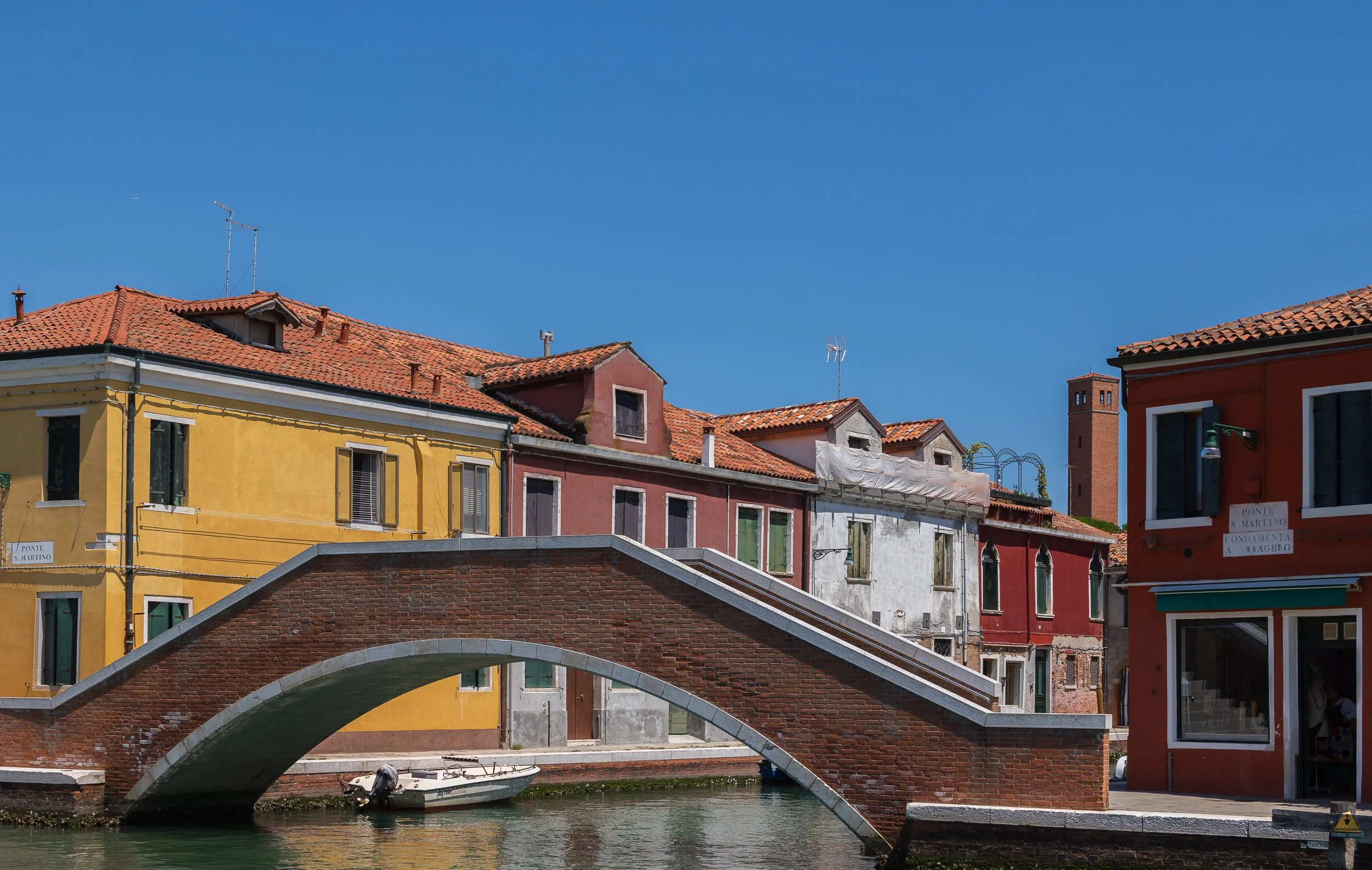
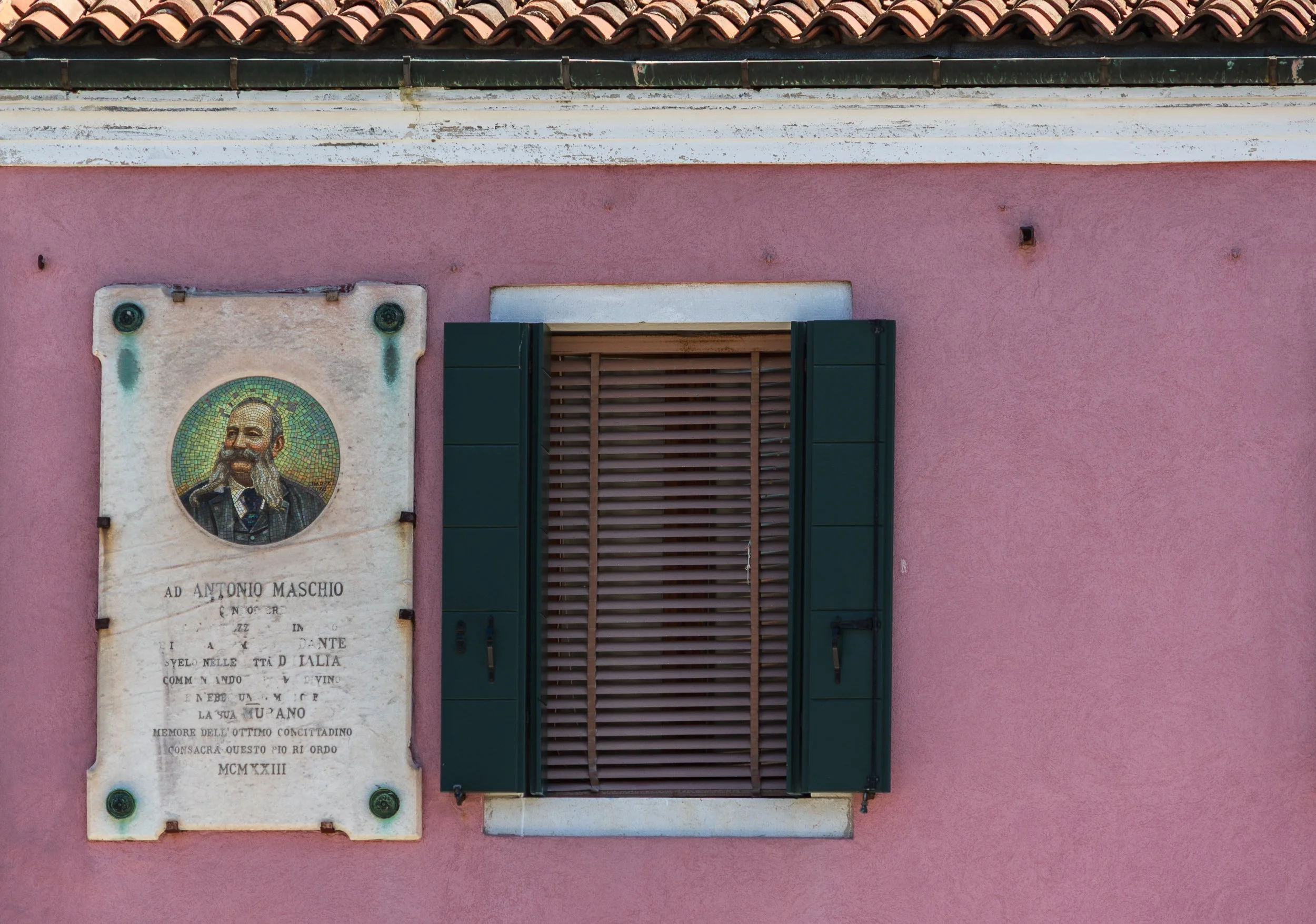
Just a short Vaporetto ride from Venice and a completely different pace. The island has been the centre of Venetian glassmaking since 1291, when the Republic of Venice ordered all glassmakers to move their furnaces here.
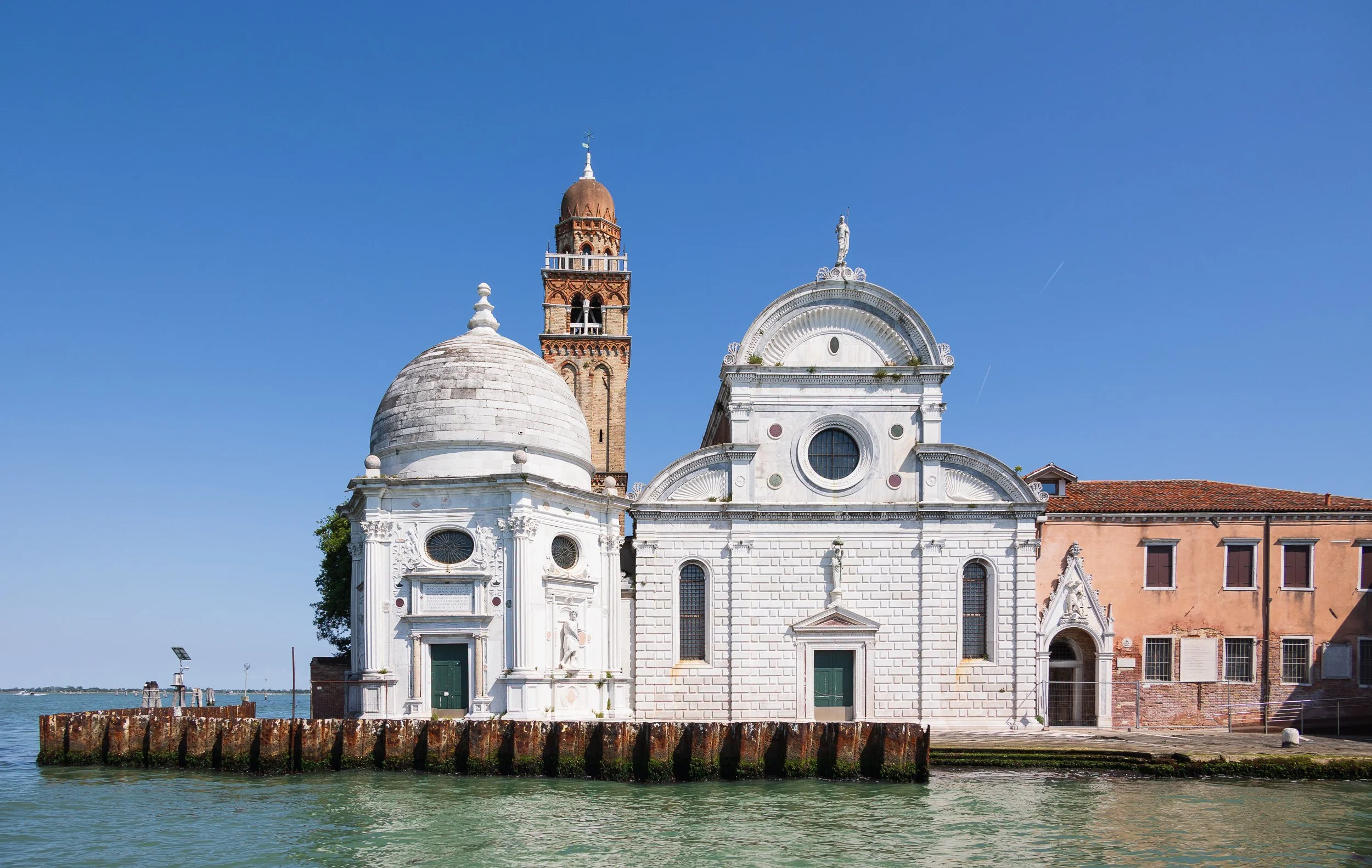
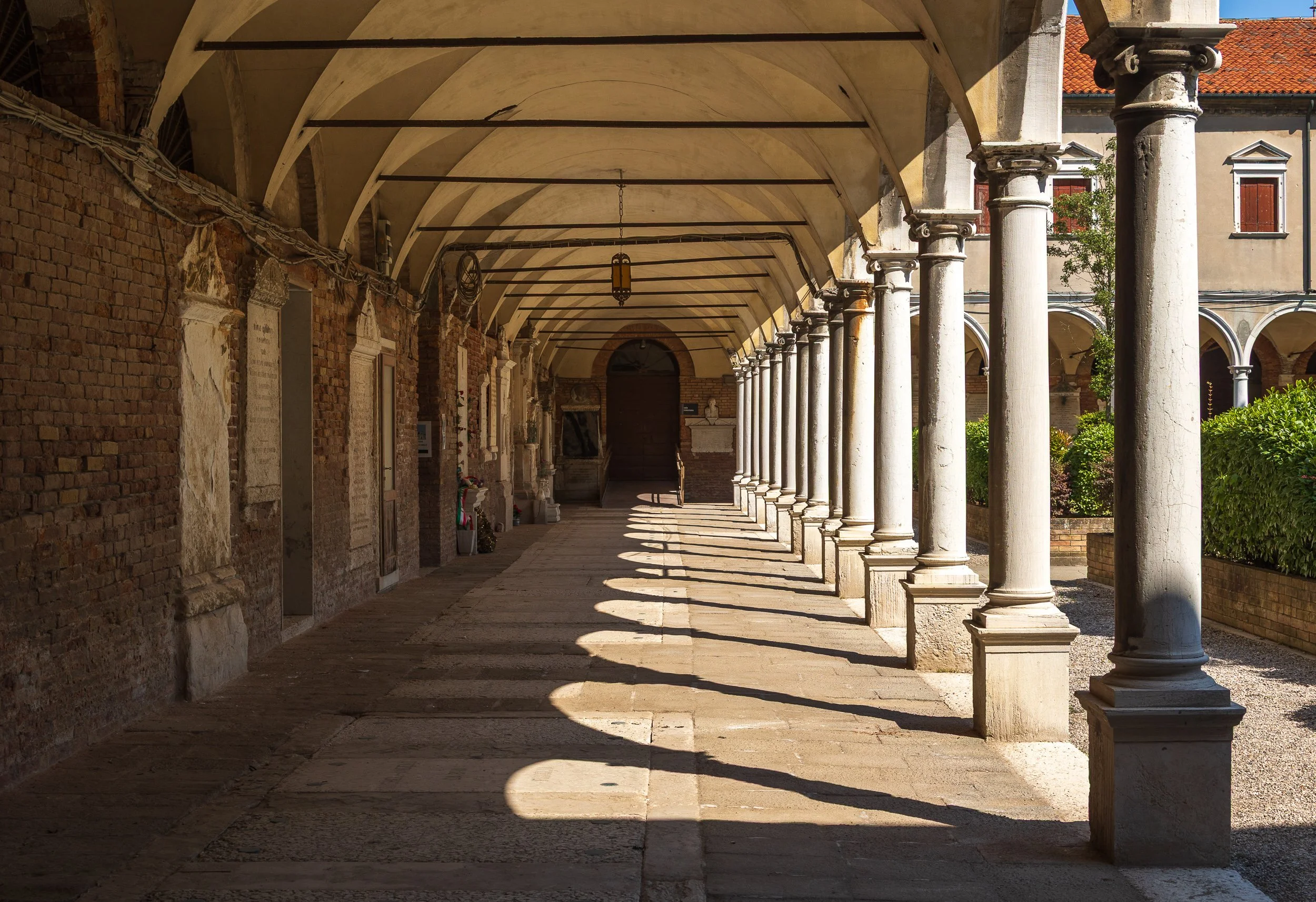
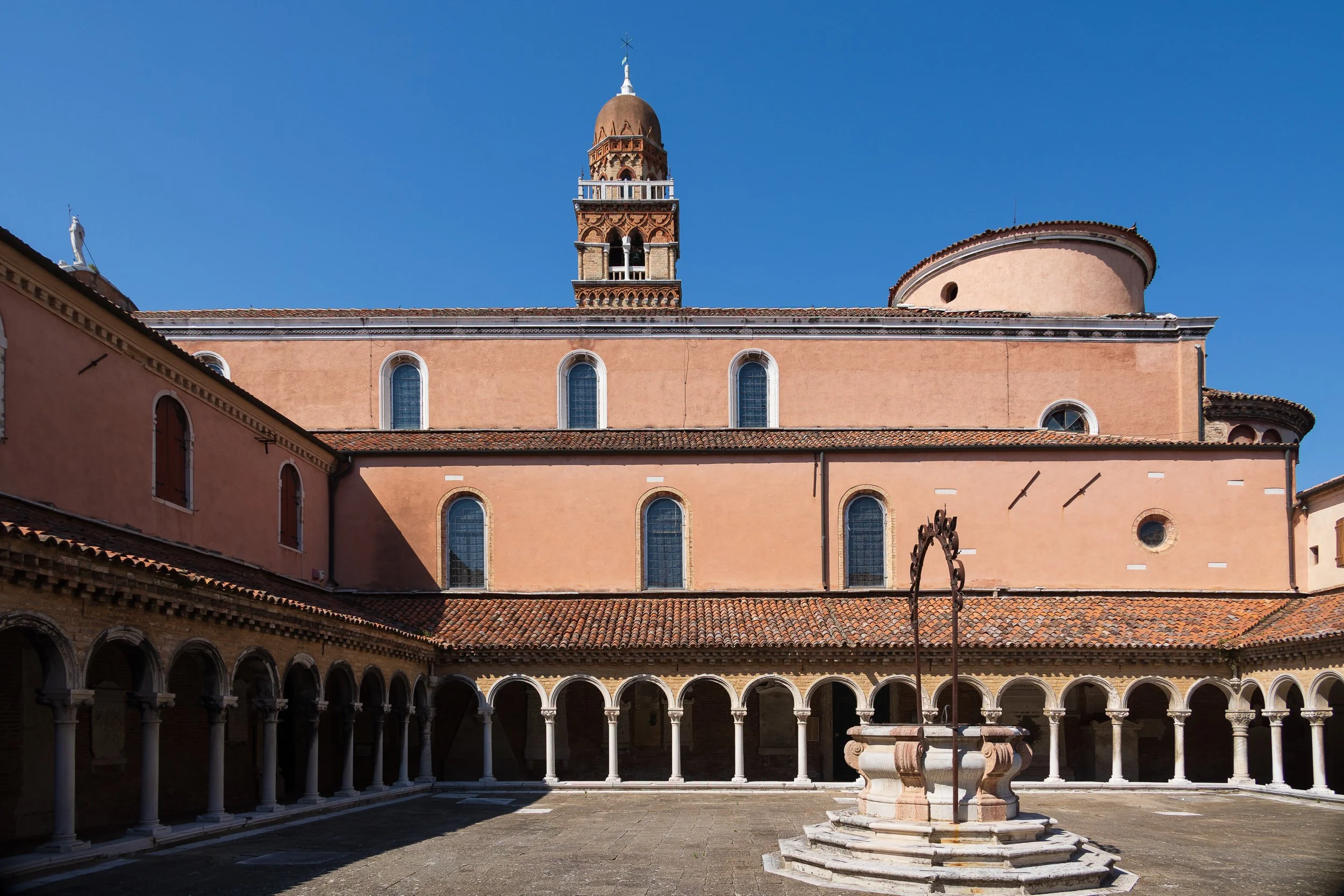
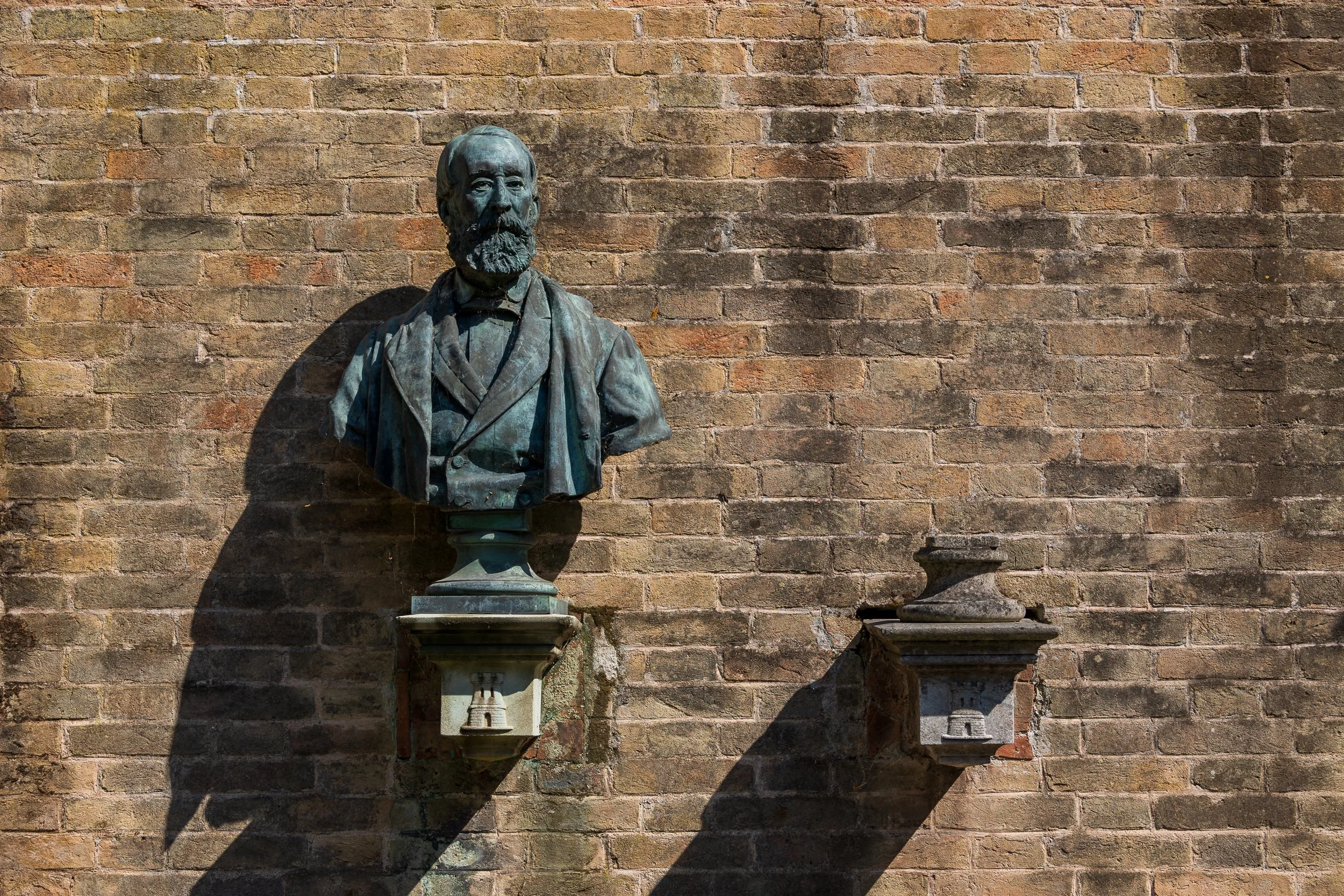
Isola di San Michele, a short Vaporetto ride, cypress trees, a Renaissance church, and almost no one else (well, no one else alive).